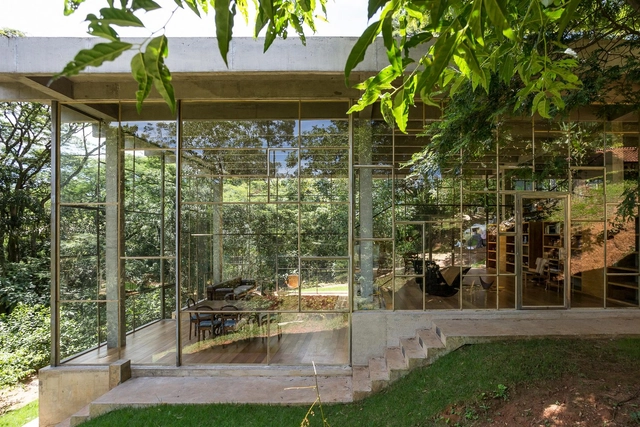
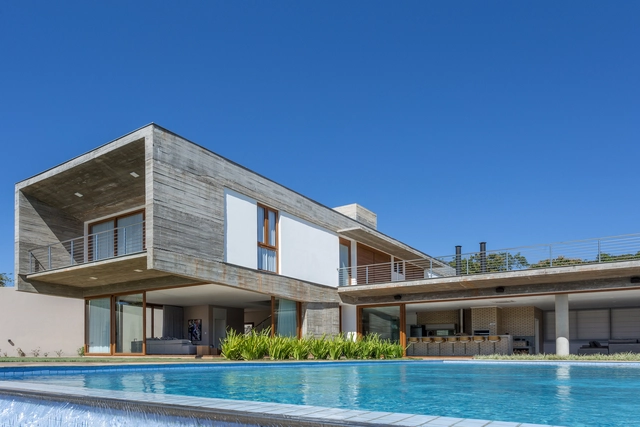
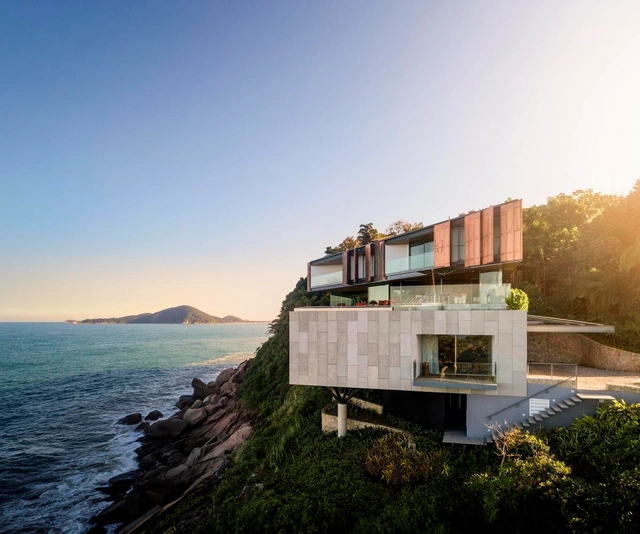
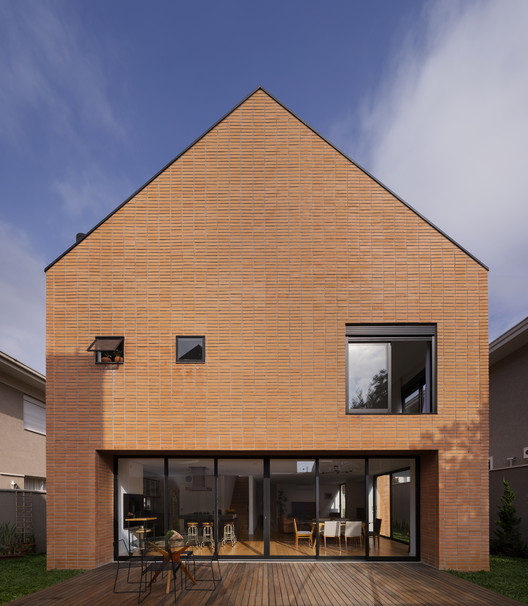
Home. Our shelter. Our private space. In an urbanized world with dense megalopolises like Tokyo, Shanghai, and São Paulo, homes are getting smaller and more expensive than ever. If you are claustrophobic, Marie Kondo is your best ally in the quest to earn some extra space. And even though private backyards have become a luxury for most, our data shows that single-family houses are still the most popular project type on ArchDaily. Why is this? (Especially when it seems incongruous given the reality of today’s crowded cities.) Why do some universities still insist on designing and building houses as academic exercises? Wouldn’t it be more creative—and more useful—to develop architecture in small-scale spaces? Would it be more rewarding to develop solutions on bigger scales?
The social catastrophe of Latin America has its epicenter in popular settlements.
It is in Latin America, the most urbanized and unequal region in the world, where 104 million people live in popular settlements. Here, 1 of every 4 inhabitants of urban areas, lives in a slum, villa, favela or camp, in a situation of poverty. These populations must subsist by their own means, with the constant violation of their rights.
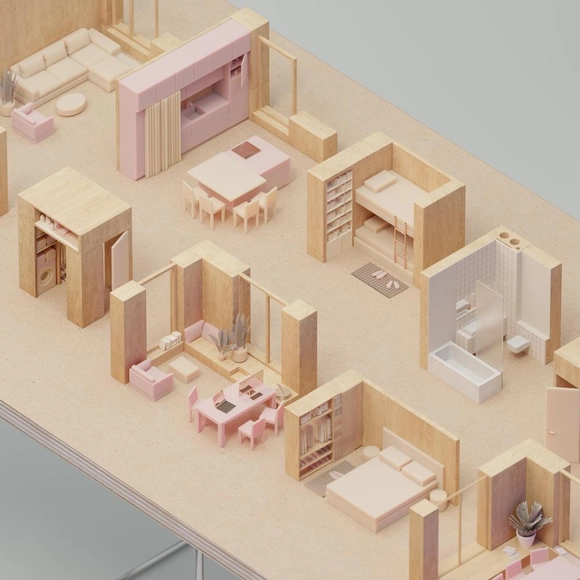
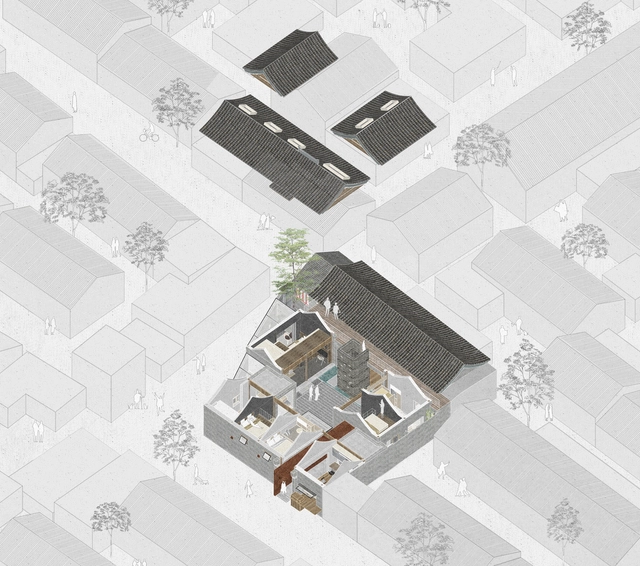
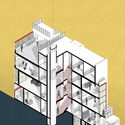
During the professional life of an architect, the task of designing a residence can be a frequent occurrence. As the project develops, representing a vision in a determined space through a set of drawings is certainly one of the primary tasks of the design process. While the architect has a certain level of visual literacy, sometimes the client won't necessarily understand all the drawings. Going beyond the two-dimensionality of the plans, sections and elevations, axonometric perspectives are presented as an efficient instrument in the spatial representation of the project. When adding the notion of third dimension—and even though it’s presented by on a 2D sheet of paper—it gives a better understanding to those unfamiliar with technical drawings.
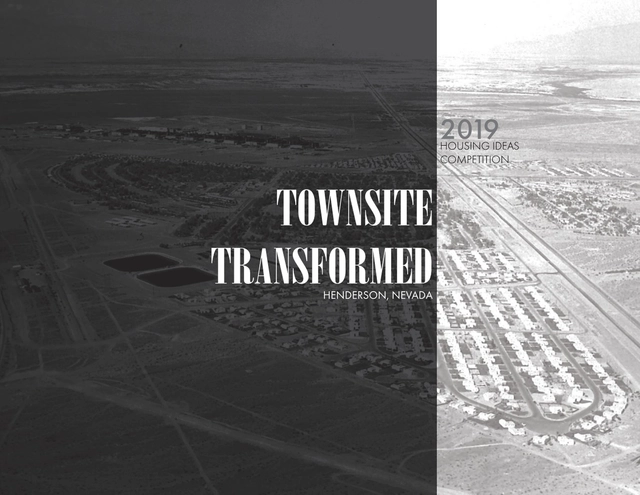
The purpose of this competition is to challenge Architects and Students to design a replacement for the Townsite Homes in Henderson, NV, which have outlived their intended use and have mostly fallen into disrepair, creating neighborhood blight. The project should fully embody the principles of sustainable design and livable communities. It is the responsibility of the entrants to determine the number of new dwellings on the site, or re-purpose the existing home. The only city requirement is to provide a single parking space per dwelling. Please visit the competition website for information on Henderson, the Townsite, and how to enter.
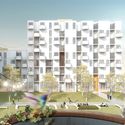
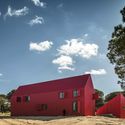
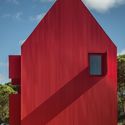
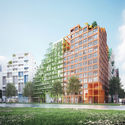
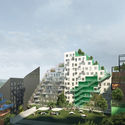
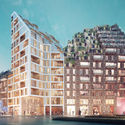
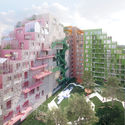
Hyde Park Residence. Image Courtesy of Romain Ghomari
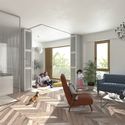
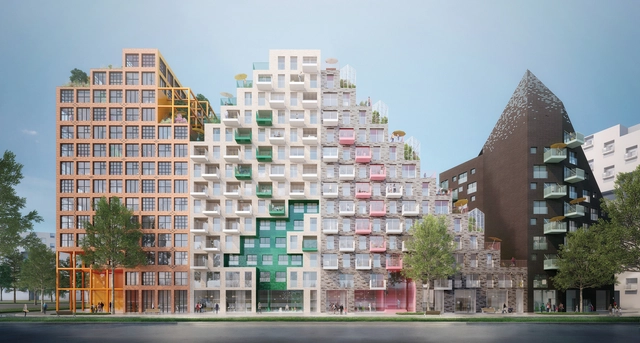
Manuelle Gautrand has designed a 400 unit mixed housing block for the futuristic Hyde Park district in Amsterdam. The homes are divided into nine buildings that make up "thematic" houses organized around a landscaped island core. Each house stands unique, made of different volumes, materials, colors and heights. Formed around the idea of a village, the project aims to develop ambitious environmental goals while bringing people together to rethink urban life.
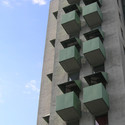
The Royal Institute of British Architects has announced the foundation of a new award focused on recognizing work in housing in the UK. The award is named in memory of Neave Brown, the British architect, and designer famed for his many housing estates in London.
https://www.archdaily.com/910576/riba-announces-a-new-award-recognizing-housing-design-in-the-uk-in-memory-of-neave-brownKatherine Allen
Courtesy of THE CENTER FOR SPATIAL TECHNOLOGIES + LEVERAGE STRATEGY
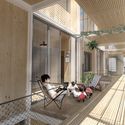
The urban consultancy Strelka KB has announced the winners of the international competition for alternative housing in Russia. Designed to test the country's new Integrated Guidelines for Urban Development, the competition asked participants to rethink standardized housing and apartment typologies. 689 projects were submitted from 37 countries to address issues of adaptability, ergonomic efficiency and functional diversity.
For those in the northern hemisphere, the last full week in January last week kicks off with Blue Monday - the day claimed to be the most depressing of the year. Weather is bleak, sunsets are early, resolutions are broken, and there’s only the vaguest glimpse of a holiday on the horizon. It’s perhaps this miserable context that is making the field seem extra productive, with a spate of new projects, toppings out and, completions announced this week.
The week of 21 January 2019 in review, after the break:
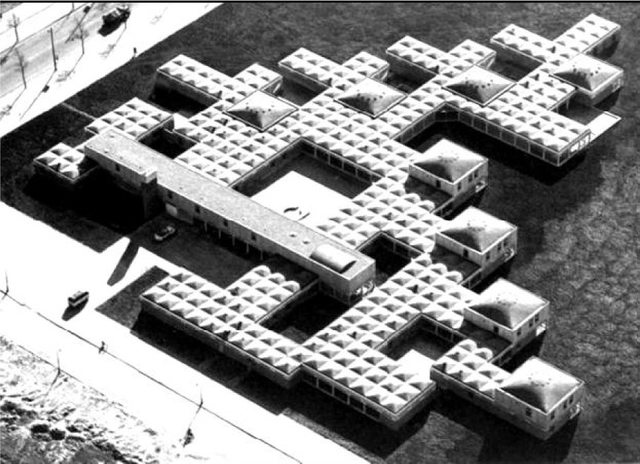
Dutch Architect Aldo van Eyck built the Amsterdam Orphanage in 1960. His design focused on a balance of forces to create both a home and small city on the outskirts of Amsterdam.


.jpg?1553267060&format=webp&width=640&height=580)























.jpg?1548937464 "Dunboyne Road Estate. via Wikimedia")