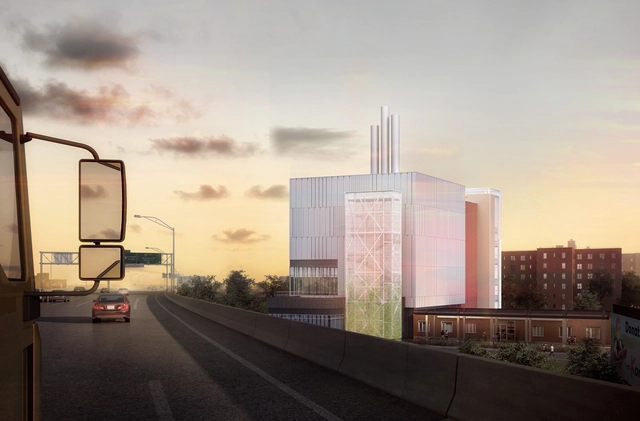
KPF with NYCHA created a resiliency and renewal program for the Red Hook Houses in Brooklyn, severely damaged by Hurricane Sandy. The redevelopment plans aim to reduce the vulnerability of the area and its community.
This week’s curated selection from our readers’ submissions focuses on some of the essential components of our present-day cities.
Featuring the best-unbuilt architecture, the article highlights adaptive reuse projects that transformed abandoned warehouses and factories, a street design in Luxembourg, a regenerative master plan in Seoul, and an emergency family accommodation to temporarily house those in need. Moreover, the roundup distinguishes a library in South Korea and an extension of a museum in Helsinki, because the cultural aspect is an integral part of our urban environment.
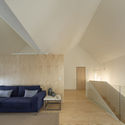
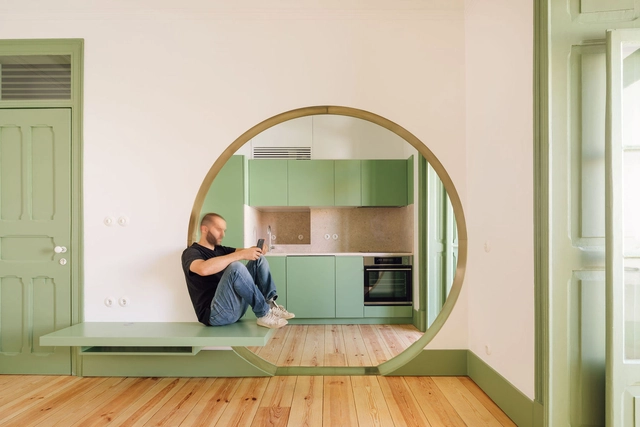
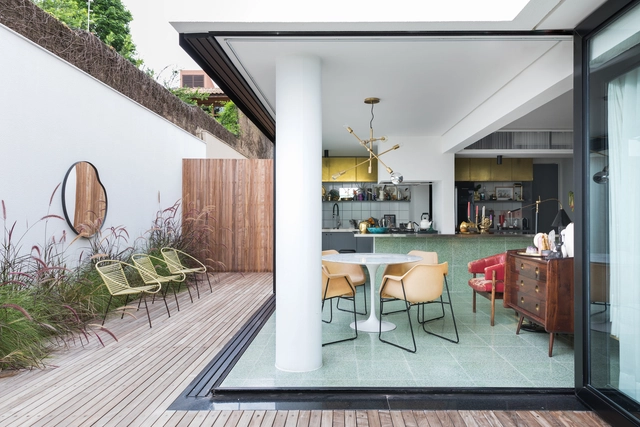
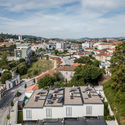
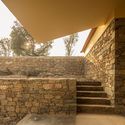
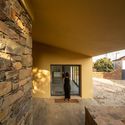
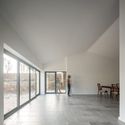
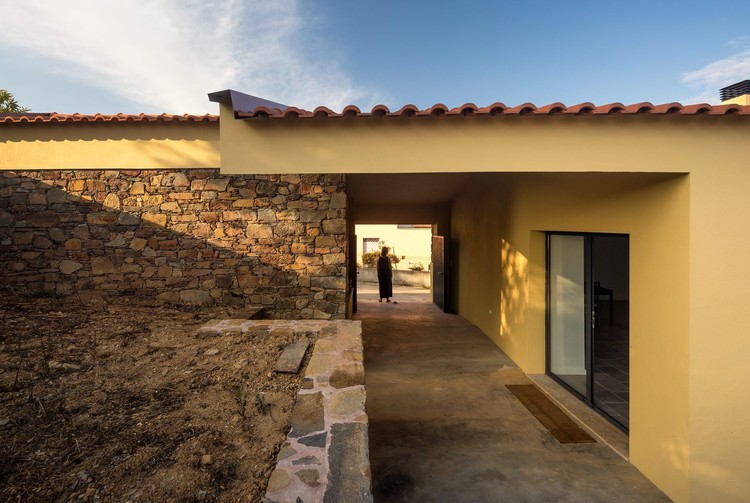
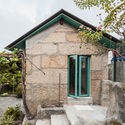
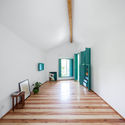
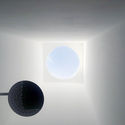
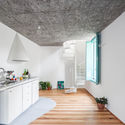
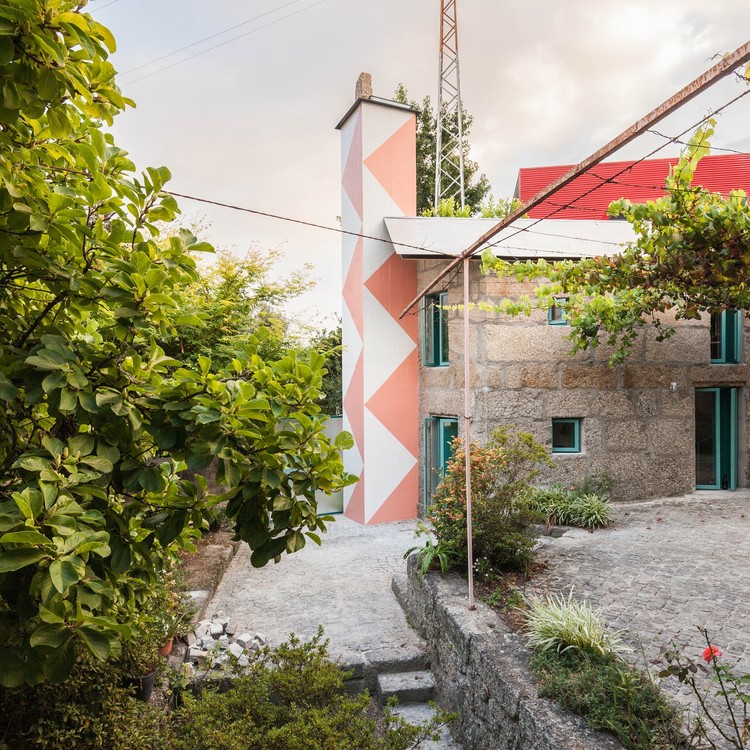
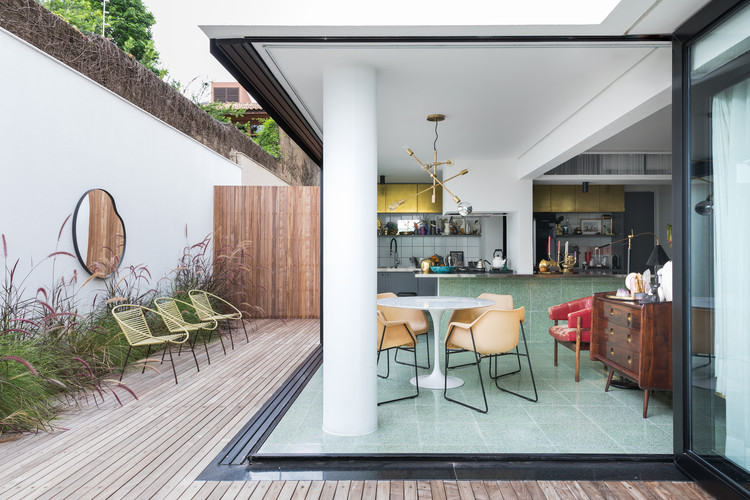
With a vast built heritage, Lisbon's contemporary architectural production is rich in rehabilitation projects. Lacking space for new buildings - unless one is willing to pay for the land's high market price - Lisbon's current architecture prescinds tabula rasa and faces the challenge of working with what already exists - often limiting itself to design only interior spaces.
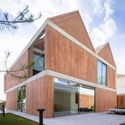
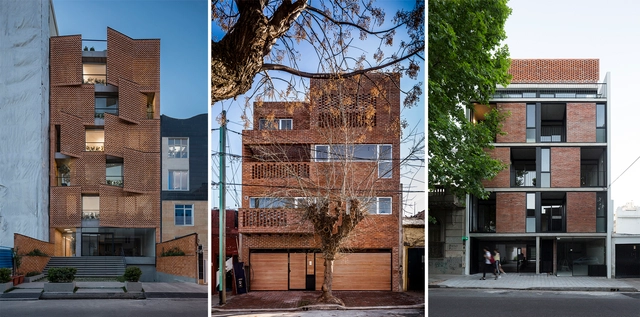
Rotation, displacement, and interleaving of blocks are some of the options that enable the diversity of raw brick patterns in architecture. The shape of these elements, usually used for the construction of walls, has been explored in a creative way to compose facades of residential buildings, representing the formal identity of the building itself and its relationship with its context.
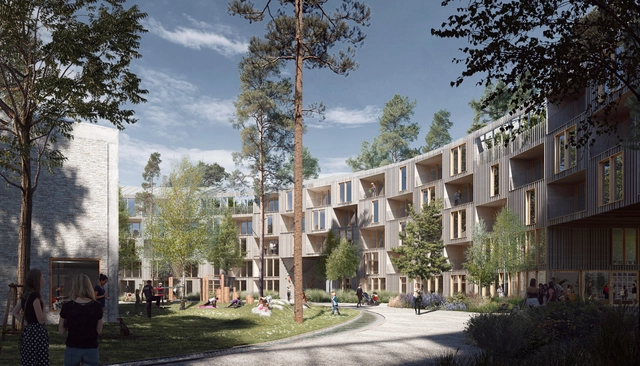
Schauman & Nordgren Architects, a Copenhagen and Helsinki based architecture and urban planning studio, was selected as the winner of the two-stage competition, organized by the city of Turku in Finland, to transform a former elderly home site into a new 15.000 m2 housing neighborhood.







.jpg?1583174152&format=webp&width=640&height=580)

.jpg?1581398388&format=webp&width=640&height=580)
.jpg?1579720138&format=webp&width=640&height=580)




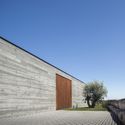
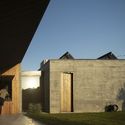


.jpg?1583174136 "© Henry Nakayama")
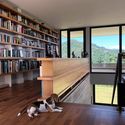
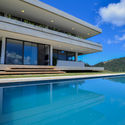
.jpg?1583174152)





.jpg?1581396387)
.jpg?1581395793)
.jpg?1581396649)
.jpg?1581395772)
.jpg?1581398388)
.jpg?1581380717&format=webp&width=640&height=580)
.jpg?1581380822 "© João Morgado")
.jpg?1581380955 "© João Morgado")
.jpg?1581380901 "© João Morgado")
.jpg?1581381201 "© João Morgado")
.jpg?1581380717)

.jpg?1579720543)
.jpg?1579720603)
.jpg?1579720384)
.jpg?1579720725)
.jpg?1579720138)