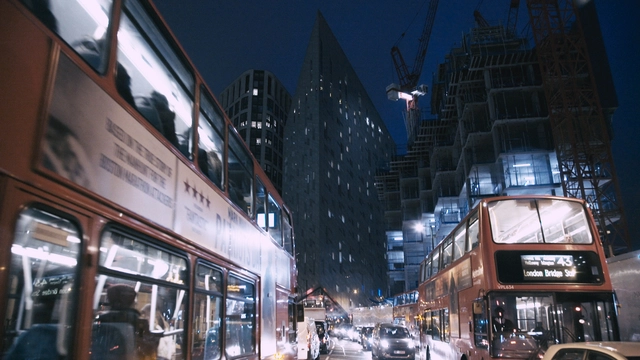
The Architecture Film Festival London, in its 2021 edition, addresses a variety of topics related to contemporary architecture. In particular, the role of housing—from the history of housing estates to the current global housing crisis—is a prominent theme.
The Architecture Film Festival London, in its 2021 edition, addresses a variety of topics related to contemporary architecture. In particular, the role of housing—from the history of housing estates to the current global housing crisis. Thus, this critical topic will provide the basis for the festival’s opening film, PUSH (2019), directed by Fredrik Gertten.
The Architecture Film Festival London is excited to present its third festival edition, which will take place from 2–27 June 2021. Since its first edition, the Architecture Film Festival London has aimed to discover and promote original ideas, conversations and art forms at the intersection of Architecture + Film. Considering the current situation in the UK and abroad, this year’s festival will be held online, offering a combination of ticketed, free and off-line content.
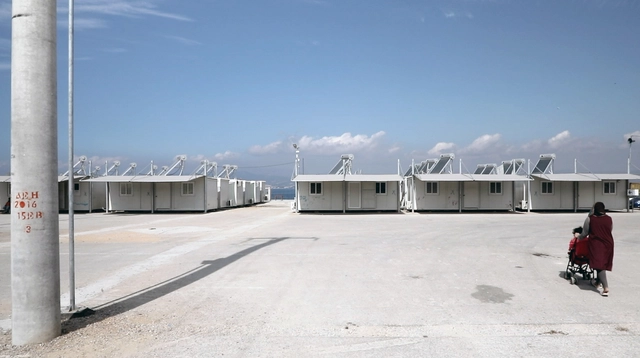
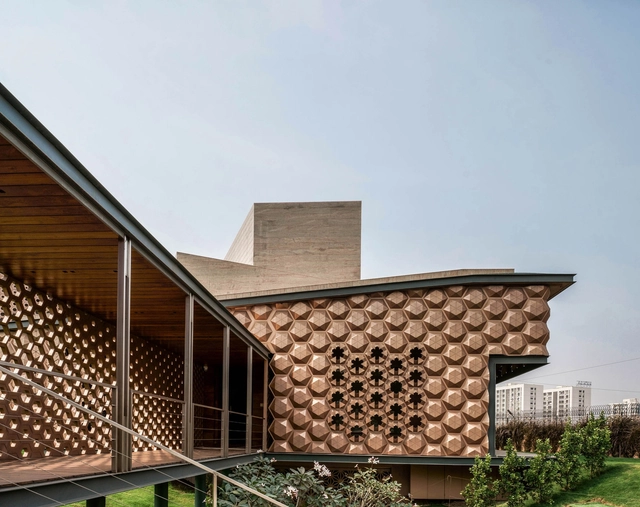
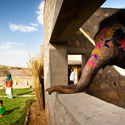
India is rethinking the future of housing through new typologies. Defined by historical and cultural influences, the country's contemporary architecture centers on discussions of how best to modernize. Built over millennia, India's housing projects are made to address diverse scales, programs and functions. Exploring a revitalized urban landscape, these modern housing projects have begun to set a new tone for the future.
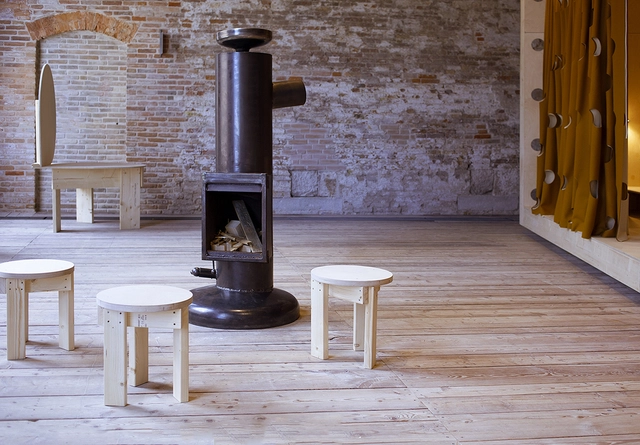
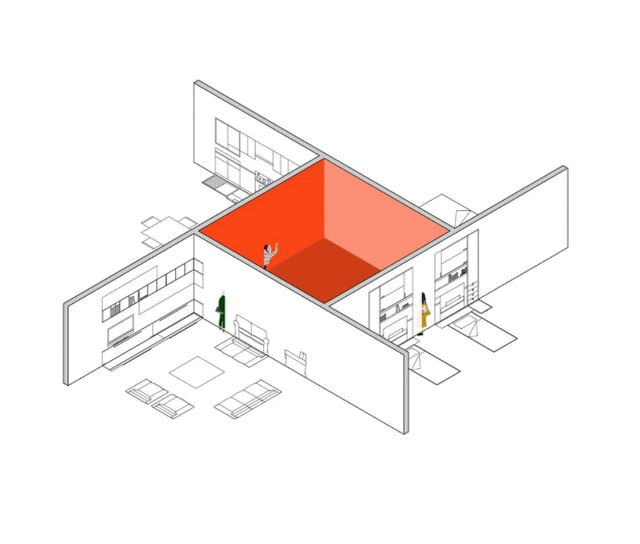
The Luxembourg Pavilion at the 17th Architecture Biennale reflects on how the pandemic has brought a series of dualities to the spotlight, challenging the understanding of the relationships established between architecture and land, interior and exterior, home and work or the built environment and nature. In light of these issues, the exhibition titled Homes for Luxembourg, designed by Sara Noel Costa de Araujo (Studio SNCDA) and featuring contributions to the architecture publication Accattone explores ideas of modular, reversible living while also illustrating a model of repurposing land to build new forms of togetherness.
The Architecture Film Festival London, now at its third edition, fosters conversations around architecture, society and the built environment through the medium of film. Along with the International Film Competition, the 2021 programme, debuting on June 2nd and held online, will feature a collection of diverse thematic screenings, essays and events titled "Capsules", which offer a platform to multiple curatorial voices.
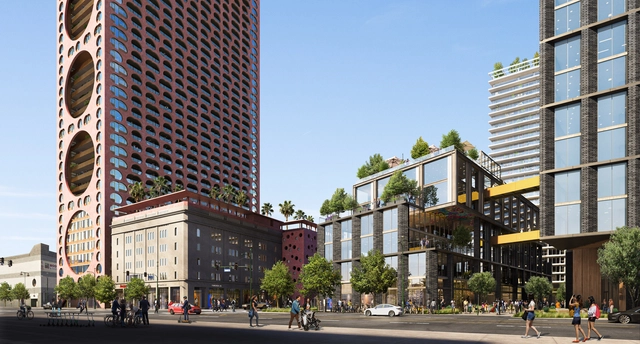
Courtesy of Studio One Eleven and Adjaye Associates
Adjaye Associates and Studio One Eleven, along with Continuum Partners will transform an industrial facility in downtown Los Angeles into a dynamic mixed-use master plan of residential, commercial, hospitality, and retail facilities. Titled Fourth & Central, the project proposes ten buildings, ranging in heights, design, and functions, transforming the area into a pedestrian-oriented community. The project, which is expected to break ground in 2024, will reflect the area's dynamic character with uniquely designed buildings that compliment the neighboring Arts District and Little Tokyo neighborhoods.
Casa SB. Image Courtesy of Esrawe Studio by Joel Flores & Emanuel Miramontes
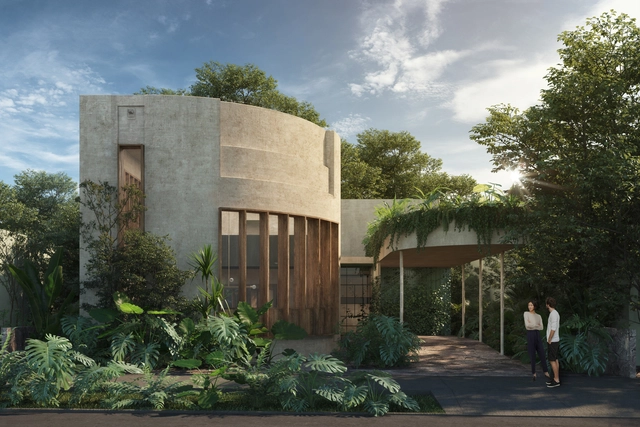
This week’s curated selection of Best Unbuilt Architecture highlights private residential projects submitted by the ArchDaily Community. From cabins in woods to oceanfront villas, this article explores private residential retreats and presents projects submitted to us from all over the world.
Featuring a house nestled in the Swiss forests, a private LA hillside house, and a hidden family house in the Lebanese mountains, this roundup explores how architects have merged landscape and contemporary architecture, and tucked away private residences, giving them the privacy and serenity they need. This round up also includes a collection of houses in Armenia, Mexico, Kenya, and El Salvador, each responding to different contexts, spatial needs, and topographies.
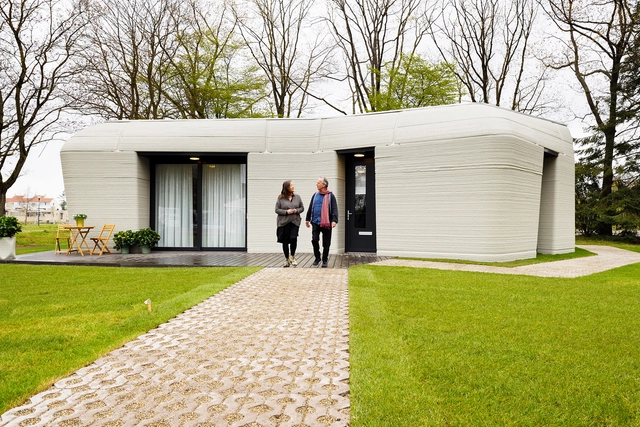
If only a few years ago 3D printing was viewed with a certain suspicion, recent news has shown that it is in fact a viable technology that is here to stay. On April 30, 2021, tenants of the first 3D printed concrete house in the Netherlands received their keys. The house in Eindhoven—the first of five within the 'Milestone Project'—fully complies with all the country's stringent construction requirements.
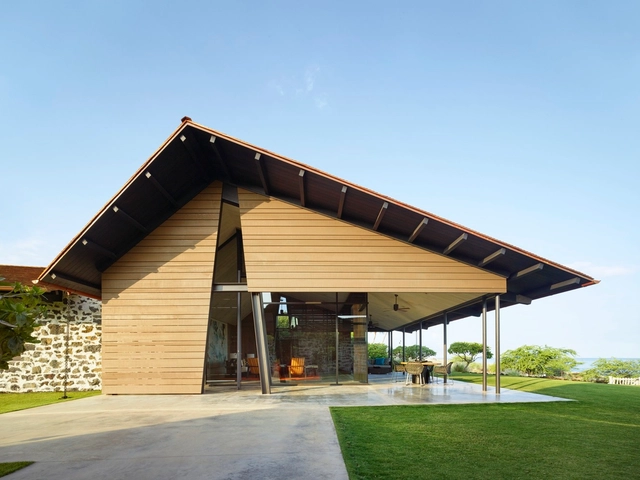
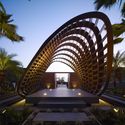
Hawaii has become a place that defines paradise. From pristine beaches and a warm climate to natural scenery and active volcanoes, the islands are home to incredible landscapes and culture. With indigenous and modern building styles, the state’s architecture is intimately tied to the environment. Reinterpreting historic building techniques and traditions, contemporary Hawaiian architecture balances a desire to honor the past while celebrating new experiences and modern culture. This has led to the formation of incredible spaces to live and dwell.
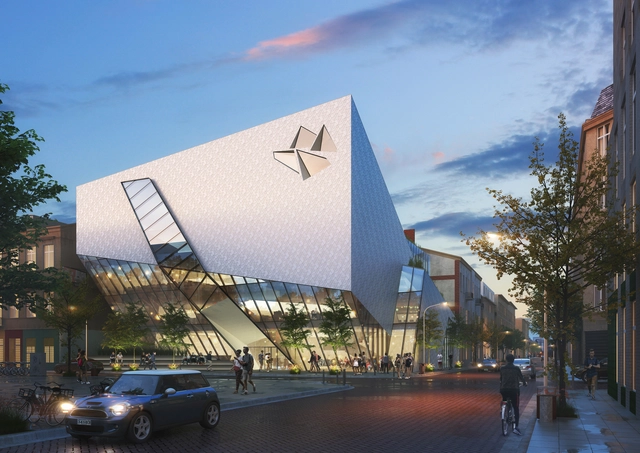
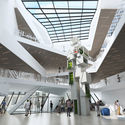
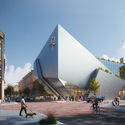
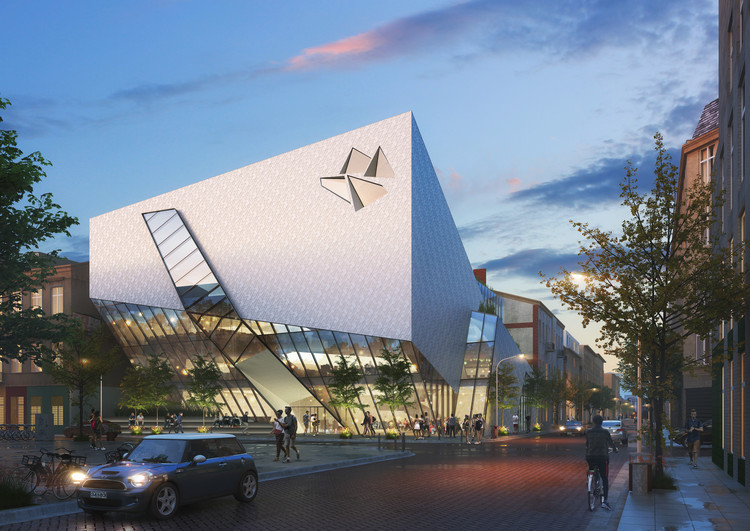
Daniel Libeskind and inLodz21 Institution are designing Nexus21, an urban revitalization project of 21 structures that vary between residential and commercial buildings to urban spaces. The new cultural hub is located in particular neighborhoods to promote the creativity and innovation that lies in the city, such as architecture, textiles, fashion, and film, which are all part of its heritage. The master plan will also work on the spaces in between the revived structures, creating a vibrant nexus between the old and the new, while adding value to the historic neighborhoods of Łódź, Poland.
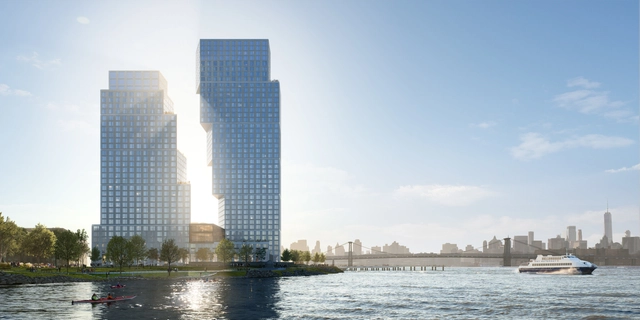
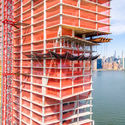
Situated at the northern part of Brooklyn where Newton Creek and the East River intersect, OMA New York / Jason Long's Greenpoint Landing residential towers have reached their latest phase of development; The North Tower is currently at 300 ft. and the South Tower is at 400 ft. The buildings are expected to provide 745 units of mixed-income housing, and will expand an acre beyond the existing esplanade, creating a new section of public waterfront that overlooks the Manhattan skyline.
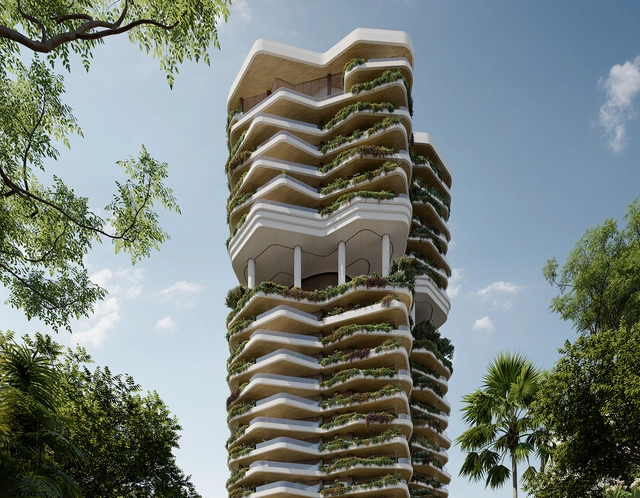
PLP revealed its design for a luxury residential tower in Singapore, featuring a lush vertical garden inspired by the city’s greenery. The biophilic design that blurs the line between indoor living areas and outdoor spaces strives to redefine metropolitan living by promoting health and wellbeing.
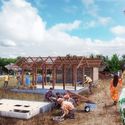
Many of us have already lived, are living, or will live in a shared student house - a good mix of cheap housing and intense socializing with friends and school mates. For a reasonable price, it is possible to have a single private room and share common spaces. In fact, not only university students are living this way nowadays. The concept of co-living is becoming more and more an attractive and effective solution.
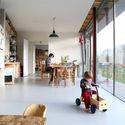
Prefabrication is not a new concept for architects, but its usage is evidently on the rise. With today’s limited spatial capacity and need for cost efficiency, the industrial strategy of architectural production has shifted towards an all-around-efficient approach, in some cases assembling projects in a matter of days or weeks [1][2].
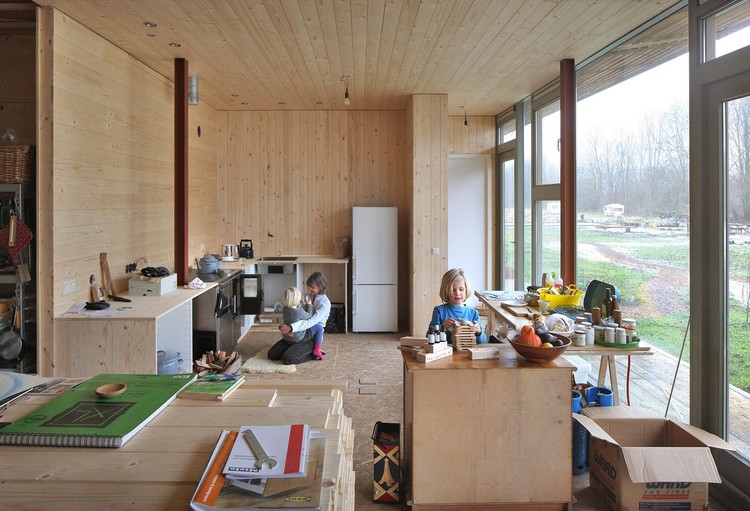
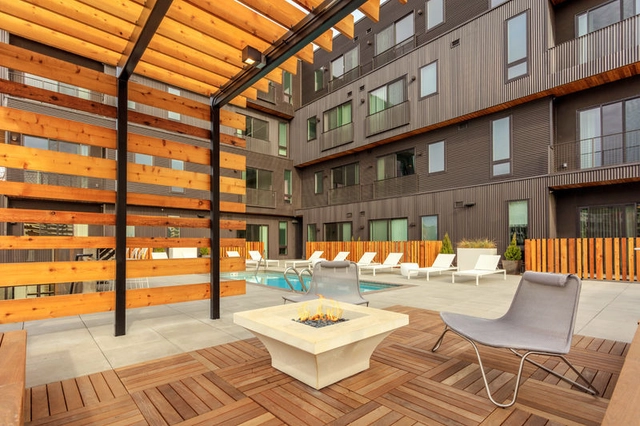
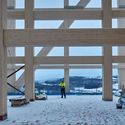
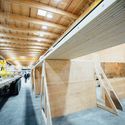
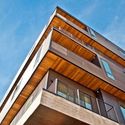
Prefabricated wood components, used in both wooden frames and mass timber constructions, have helped solve many design and engineering challenges. In addition to material and time efficiency, reduced waste, and cost control [1][2], prefabricated wood elements offer the advantages of high performing and energy efficient passive designs [3].