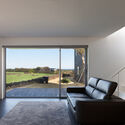
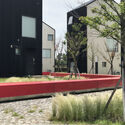
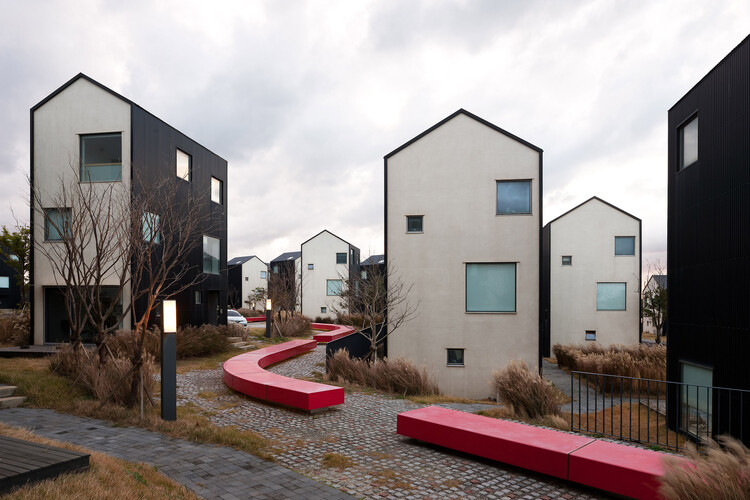
-
Architects: UNITEDLAB Associates
- Area: 46113 ft²
- Year: 2019


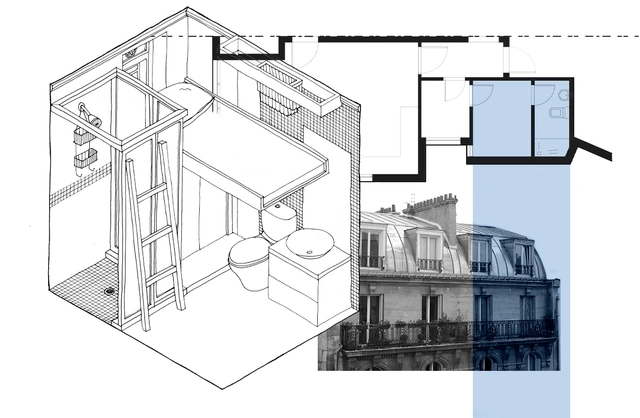
Looking through interior images of houses, we often see grand bedrooms with an influx of natural lighting. We see inviting open-space living rooms, lush terraces, and kitchens with high-end equipment and refined finishes. But what we don't see is that behind these sleek walls are small neglected bedrooms without proper ventilation, natural lighting, or space to move around, dedicated to those who cater to the entire household.
The disparate spatial configuration and "colonial" approach to the living conditions of servants and foreign laborers have existed long before the rise of congested cities and micro-apartments. Household owners, or at least a good sum of them, have always felt that domestic workers needed and deserved less space to reside in, not just in terms of spatial area, but in terms of necessary living conditions for a better, more comfortable life.
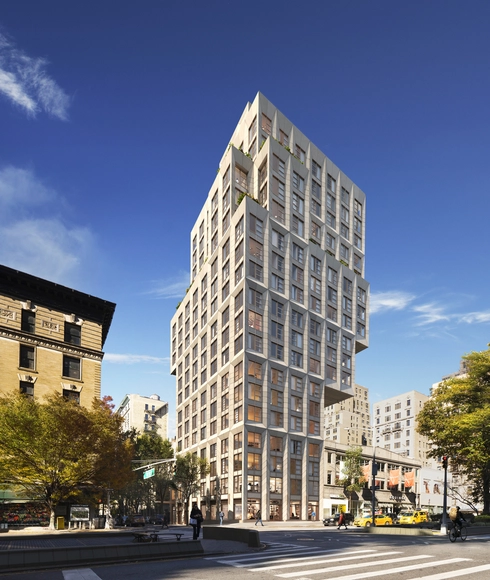
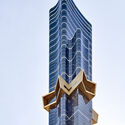
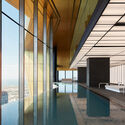
ODA New York have released images of their newest project "Era", Manhattan's largest residential cantilever building. Located in the Upper West Side, the 20-storey condo features a striking 50-foot cantilever structure and the neighborhood's only rooftop pool. The project’s unique cantilever design allows for more expansive views as it ascends, wide common spaces, grand residences, and a rooftop recreational space.
.jpg?1626762371&format=webp&width=640&height=580)
MVRDV's Traumhaus Funari project, a residential master plan that redevelops parts of a former US Military barracks, has started construction in Mannheim, Germany. The project aims to combine affordability, individuality, and diversity by allowing residents to make their own ecological and spatial choices regarding their homes. The master plan consists of a catalogue of residential typologies with a variety of materials, sizes, finishes, interior layouts, and connections to the outdoors which future residents can choose from.
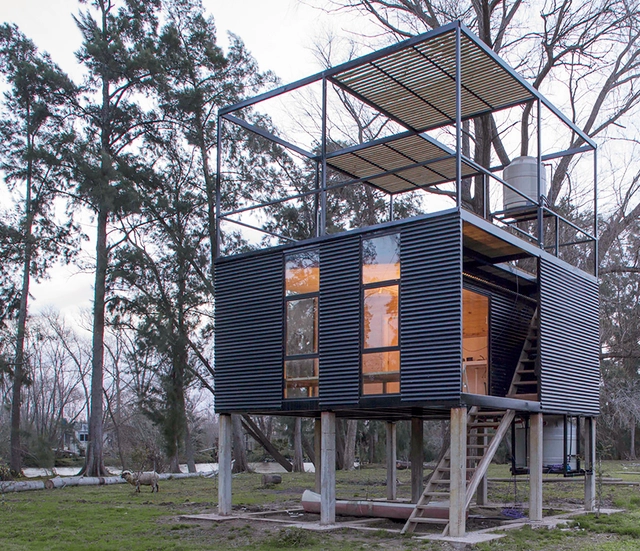
Whether applied as cladding to steel or timber frame structures or to structures built by traditional means, sheet metal offers an array of advantages as a building material, thanks to its low cost, ease of maintenance, and versatility.
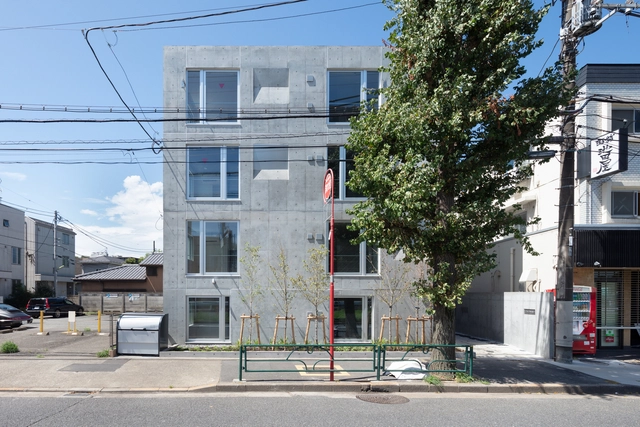
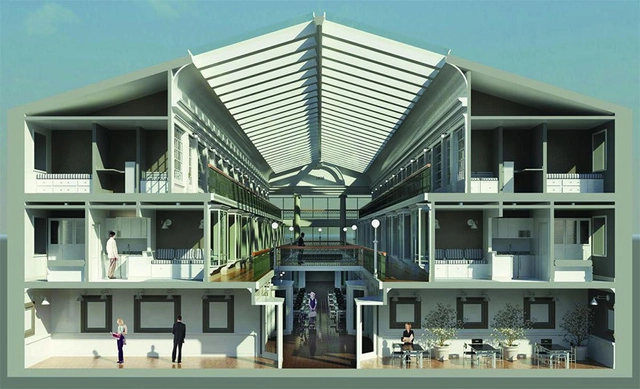
Shopping malls and retail centers are dead- or so they say. Although much of how we shop was put on pause by the COVID-19 pandemic, and we experienced the surge in e-commerce focused purchases, some of your favorite stores are faced with reimagining themselves in a new way. As the pressure for high-density housing continues to rise, and big-box centers and shopping malls are left empty, is there a way that the place where you once purchased a new outfit could be transformed into your next apartment?

The average age of a home in Cuba is just over 75 years old, and three of them collapse every day. Cuba’s housing crisis is perhaps one of the most unique examples of urban inequity in the world. While the island nation’s extensive history of waves of foreign influence has largely shaped their government, and in turn their public policies and urban planning strategies, they yet have been able to stabilize their long-standing housing crisis- forcing thousands of Cubans to live in derelict homes or public shelters. Now, many questions are being raised about how they will build new housing, repair the existing structures, and revise laws that allow Cubans to have more autonomy in the homeownership process.
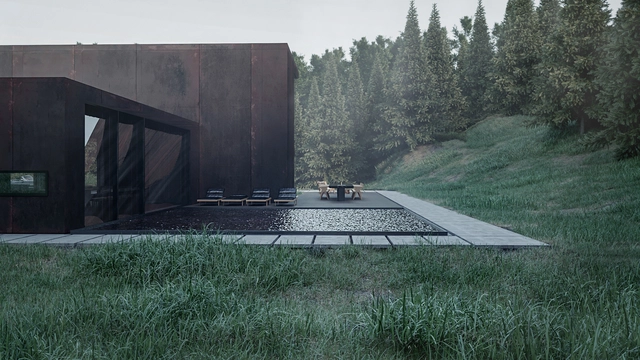
Housing is one of the core functions of architecture, circumscribing numerous typologies and encompassing a variety of issues. This week’s curated selection of Best Unbuilt Architecture highlights different forms of housing submitted by the ArchDaily Community. From urban developments to micro homes, from a deep connection with the landscape to high-end technologies, this article explores the topic of residential architecture, presenting different approaches from around the world.
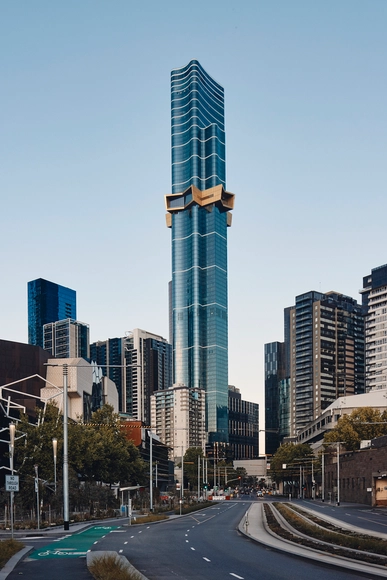
Featuring a strategy to refurbish the typical urban block of Barcelona to accommodate senior housing, a net-zero energy tower in Italy and a poetics-infused villa in Greece, the round-up spans a multitude of scales and housing scenarios. In addition, a concept for 3D printed micro-homes addresses the housing shortage, while an urban development in India recuperates the values of traditional villages. The following projects reveal various ideas surrounding residential architecture in its numerous forms.
.jpg?1623754842&format=webp&width=640&height=580)
MVRDV has revealed the design of "De Oosterlingen", a series of seven sustainable residential buildings on Amsterdam’s Oostenburg Island. The proposed buildings are distributed in a 'barcode' composition, forming an apparent unified design but with an animated skyline and unique characteristics such as varying roof shapes and façades of wood, glass, recycled brick, and bio-based composite.

.jpg?1623754916 "© Proloog")
.jpg?1623754848 "© Proloog")

.jpg?1623754842)
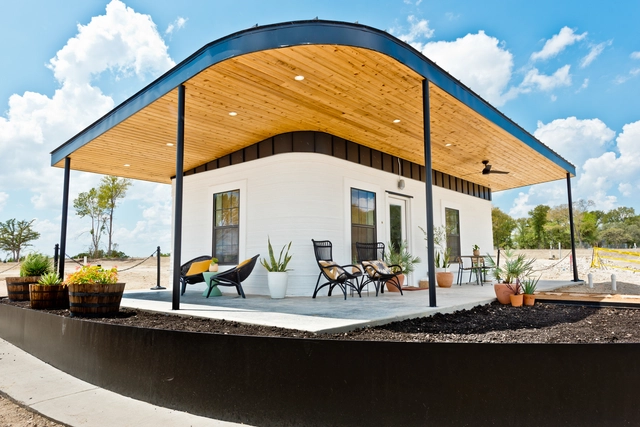
The viability of 3D Printing in architecture – has, at the very least – seen a seismic shift over the past few years. Usually relegated to prototypes or conceptual models, 3D Printed building designs are increasingly being actualised as physical projects. In 2013, WinSun, a Chinese company – was able to print 10 houses in a 24-hour period, becoming one of the first companies to achieve this feat using 3D Printing technology. More recently, in 2018, a family in France became the first in the world to live in a 3D Printed house. The city of Dubai is also seeking to have a quarter of its buildings be 3D Printed by 2025. These examples display the upwards category of this technology, and how it is very likely, as the years go by, this automation of building fabrication is even more integrated into the construction process than it is right now.


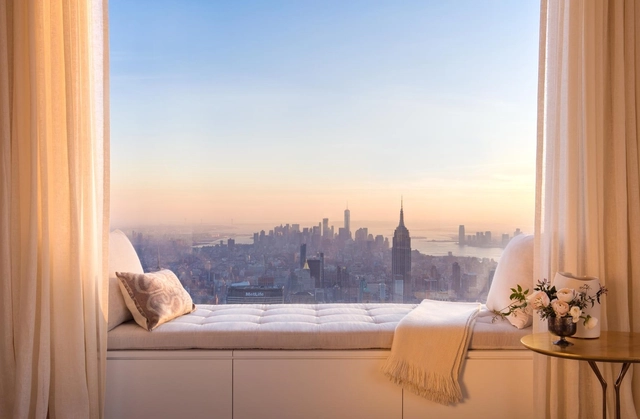
Penthouses embody how form is following finance. As their own sector of the luxury real estate market, these spaces are often reserved for the richest clients and investors. From heiress Marjorie Merriweather Post's iconic 54-room mansion in the sky, to top-floor units in mid-rise developments, penthouse designs have been continuously reimagined to take architecture and interior design to new heights.
After several postponements and numerous challenges, the 17th Venice Architecture Biennale is finally taking place, bringing into focus a diverse array of answers to the question “How will we live together”. The theme gained even more relevance in the context of the pandemic and this year’s edition restates the importance of the Biennale as a platform for inquiry and collective exploration. Archdaily had the opportunity to meet in Venice with the curator of the French Pavilion, architect Christophe Hutin to discuss the thinking behind “Communities at Work” and the immersive experience of the exhibition.
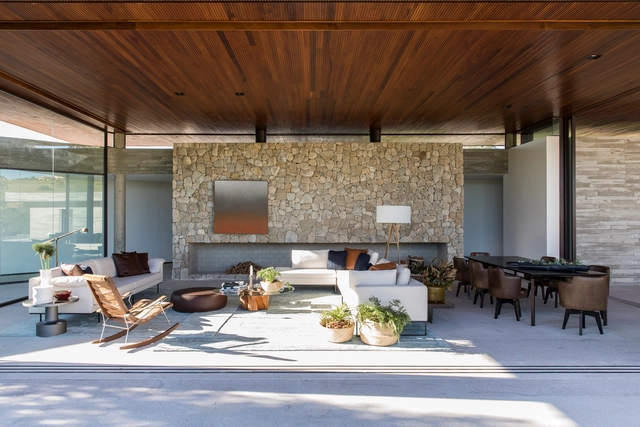
Ancient builders had deep knowledge about environmental conditions and the physical needs of humans in their search for shelter. Regardless of technological advances and the evolution of our perception of the world around us, this kind of knowledge and relationship with our surroundings can still be applied today and adapted to our current context. Natural stone, when used in architecture shows just that, as we explore its many different styles and applications.
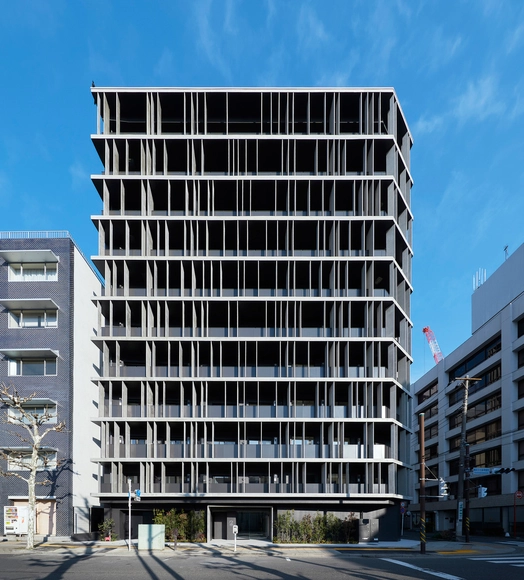

.jpg?1626777875 "Drawing by Tings Chak for the How to Make Space exhibition (2016). Image © Tings Chak")






.jpg?1626762472 "© MVRDV")
.jpg?1626762365 "© MVRDV")
.jpg?1626762420 "© MVRDV")
.jpg?1626762410 "© MVRDV")
.jpg?1626762371)