1. ArchDaily
  2. Republic of Benin

Republic of Benin: The Latest Architecture and News

Elevating Earth: Reviving and Advancing an Indigenous Building Material

Subscriber Access | 

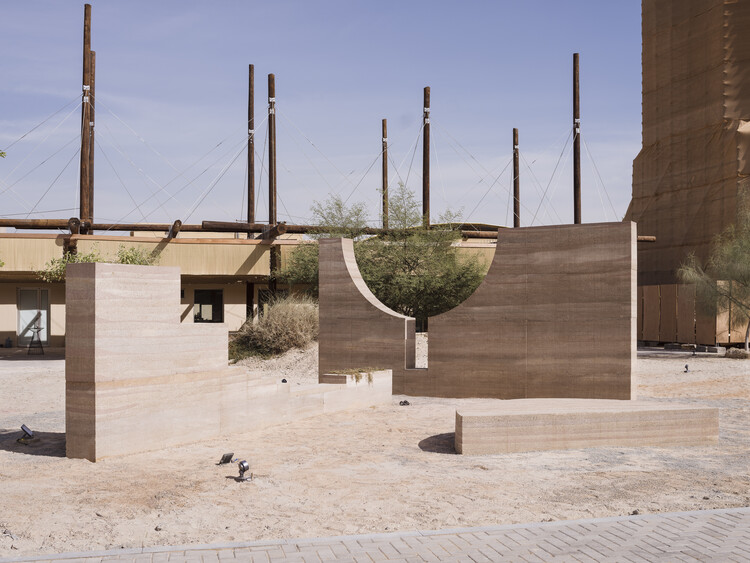
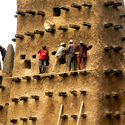
Twenty meters tall and four thousand years old, the Western Deffufa towers over the adjacent date orchards and ancient city remains in the desert. It is a former religious and administrative building near the modern-day Sudanese town of Kerma. Its significance is not only in its age and size, but also in that it is one of the oldest mud brick buildings in the world. And as the nearby mud brick houses also attest, earth is a material of continuous use from ancient times to the present. Yet, conversations around contemporary building systems have largely ignored this essential material. Some architects on the continent of Africa, however, are changing that.
Elevating Earth: Reviving and Advancing an Indigenous Building Material - Image 1 of 4Elevating Earth: Reviving and Advancing an Indigenous Building Material - Image 2 of 4Elevating Earth: Reviving and Advancing an Indigenous Building Material - Image 3 of 4Elevating Earth: Reviving and Advancing an Indigenous Building Material - Image 4 of 4Elevating Earth: Reviving and Advancing an Indigenous Building Material - More Images+ 11

What Architectural Opportunities Will the Trans-West African Coastal Highway Provide?

Subscriber Access | 

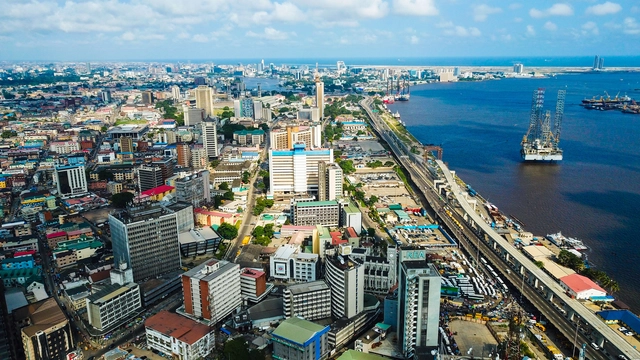
Traveling on land through vast regional areas of African countries has been an inefficient ordeal, particularly in West Africa. Google Maps optimistically estimates it would take 53 hours to drive nonstop from Lagos, Nigeria's largest city, to Dakar, Senegal's capital. However, this estimate doesn't account for the poor road infrastructure, complex border crossings, and socio-economic challenges that realistically extend the journey to about a week.

This is why the ongoing Trans-West African Coastal Highway project offers a great opportunity to connect and unlock the region's potential. This project, also known as TAH 7, is a transnational highway initiative linking 12 West African coastal nations, from Mauritania in the northwest to Nigeria in the east. Its gradual construction opens new avenues for freight movement, rail infrastructure, and, more importantly, innovative forms of architecture around borders, addressing their unique socio-cultural functions.

What Architectural Opportunities Will the Trans-West African Coastal Highway Provide? - Image 1 of 4What Architectural Opportunities Will the Trans-West African Coastal Highway Provide? - Image 2 of 4What Architectural Opportunities Will the Trans-West African Coastal Highway Provide? - Image 3 of 4What Architectural Opportunities Will the Trans-West African Coastal Highway Provide? - Image 4 of 4What Architectural Opportunities Will the Trans-West African Coastal Highway Provide? - More Images+ 4

Cross-Cultural Collaboration: A Tool for Imagining Africa's Future

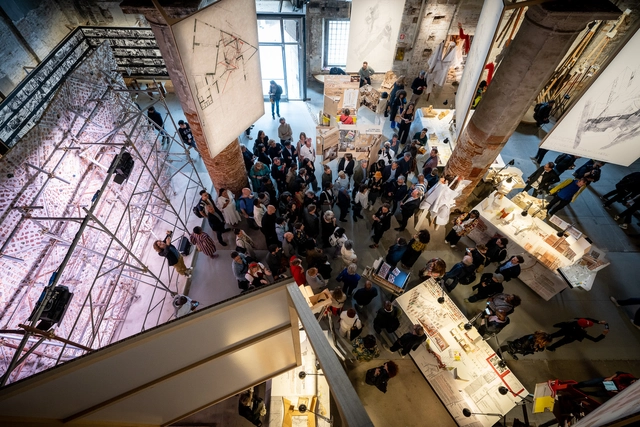
As Venice Architecture Biennale presents its 18th edition titled "The Laboratory of the Future", it centers on Africa as a place of exploration that will offer a template for solutions to the world. According to its curator Lesley Lokko, the Biennale explores entrenched concepts such as climate, land rights, decolonization, and cultures. It challenges us to question how Africa's history can be a radical tool for imagination and reminds us of Stephen Covey's statement: “Live out of your imagination, not just your history.” The biennale's title is probably the most ambitious question in years. It forces us to revisit all boundaries of the continent's historical societies, explore the influence of imposed colonial borders on them, and examine the dual identities they gave birth to. We must consider how these identities can be instruments of creativity, and, more importantly, recognize that every African society has a unique point of view. This viewpoint yearns for cross-cultural collaboration as a powerful tool for imagination.

Cross-Cultural Collaboration: A Tool for Imagining Africa's Future - Image 1 of 4Cross-Cultural Collaboration: A Tool for Imagining Africa's Future - Image 2 of 4Cross-Cultural Collaboration: A Tool for Imagining Africa's Future - Featured ImageCross-Cultural Collaboration: A Tool for Imagining Africa's Future - Image 3 of 4Cross-Cultural Collaboration: A Tool for Imagining Africa's Future - More Images+ 2

The Floating Village of Ganvie: A Model for Socio-Ecological Urbanism

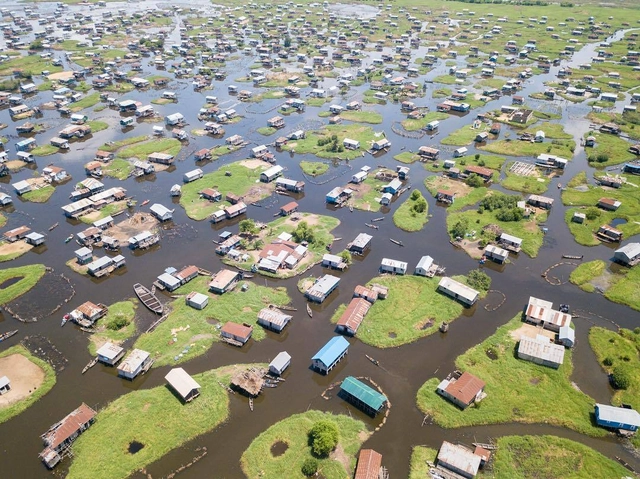
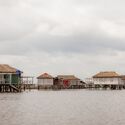
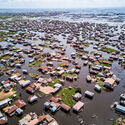
Located in the southern part of Benin-Republic, near the port city of Cotonou, is Ganvie; the largest floating village in Africa. It is situated in the middle of Lake Nokoué and is characterized by colorful wooden stilt houses arranged around artificial islands dating back to the 17th century.

This unique architecture was born from the history of the Tofinu tribe, who built it as a refuge from the slave trade. It has been sustained over time by their communal socio-ecological aquacultural systems and has now become a global tourist attraction for the country. The village was recognized as a world cultural heritage site by UNESCO in 1996, attracting up to 10,000 visitors annually. However, this influx of tourists has impacted the locals and their socio-ecological practices that sustain this water environment. Aquaculture has become increasingly challenging to maintain as the village struggles to retain its economic foundation. Additionally, traditional building practices have given way to modern ones, and the village faces ongoing environmental challenges. Nevertheless, the unique lifestyle of the locals around the water still offers many lessons for the design of prospective floating cities.

The Floating Village of Ganvie: A Model for Socio-Ecological Urbanism - Image 1 of 4The Floating Village of Ganvie: A Model for Socio-Ecological Urbanism - Image 2 of 4The Floating Village of Ganvie: A Model for Socio-Ecological Urbanism - Image 3 of 4The Floating Village of Ganvie: A Model for Socio-Ecological Urbanism - Image 4 of 4The Floating Village of Ganvie: A Model for Socio-Ecological Urbanism - More Images+ 5

Kéré Architecture Proposes New Design for Benin's National Assembly in Porto-Novo

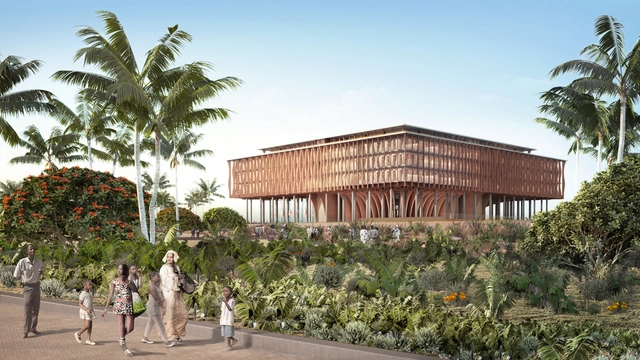
Kéré Architecture has unveiled first images of its proposal for the Benin National Assembly. Located in Porto-Novo, in the Republic of Benin, the Parliament House has been commissioned by the Ministry of Living Environment and Sustainable Development, and has been in the design phase from 2018 till 2020. Portraying the values of democracy and the cultural identity of the citizens, the project is set for construction in March 2021.

Kéré Architecture Proposes New Design for Benin's National Assembly in Porto-Novo - Image 1 of 4Kéré Architecture Proposes New Design for Benin's National Assembly in Porto-Novo - Image 2 of 4Kéré Architecture Proposes New Design for Benin's National Assembly in Porto-Novo - Image 3 of 4Kéré Architecture Proposes New Design for Benin's National Assembly in Porto-Novo - Image 4 of 4Kéré Architecture Proposes New Design for Benin's National Assembly in Porto-Novo - More Images+ 16