1. ArchDaily
  2. Renovation

Renovation: The Latest Architecture and News

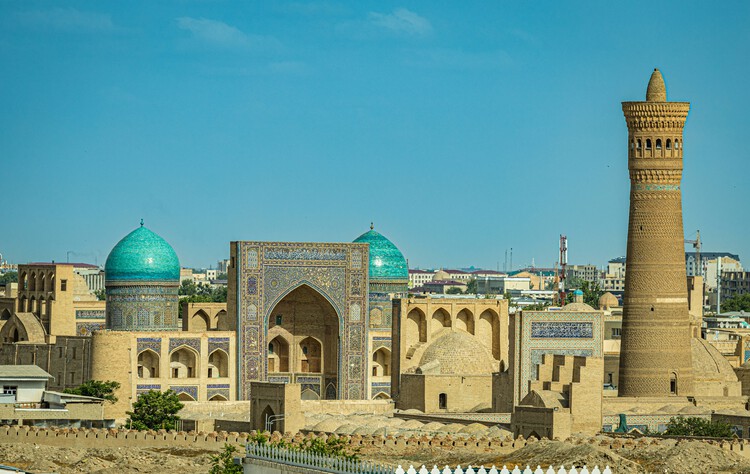
Bridging Past and Future: Uzbekistan’s Expanding Cultural Landscape

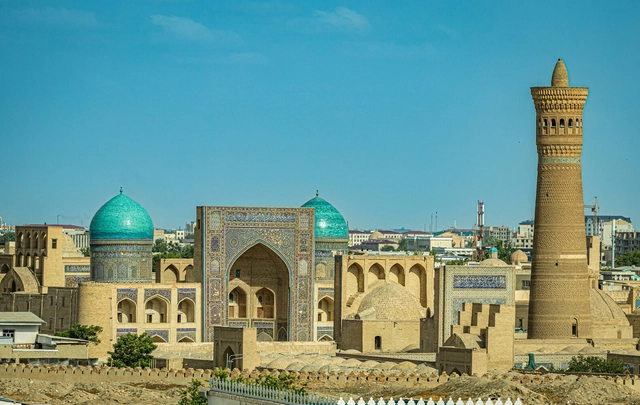
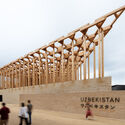
Uzbekistan's architectural and artistic heritage reflects a layered history shaped by centuries of cultural exchange along the Silk Road. From the monumental ensembles of Samarkand and Bukhara to the scientific and educational institutions of the Timurid era, architecture has long been a vessel of identity and knowledge across the region. In the twentieth century, Tashkent emerged as a new urban laboratory, where modernist ideals met local craft traditions and environmental pragmatism. The city's reconstruction following the 1966 earthquake became a defining moment, fusing Soviet urbanism with regional aesthetics to produce a distinctly Central Asian expression of modernity, one that translated cultural continuity into concrete, glass, and light.

Bridging Past and Future: Uzbekistan’s Expanding Cultural Landscape - Image 1 of 4Bridging Past and Future: Uzbekistan’s Expanding Cultural Landscape - Image 2 of 4Bridging Past and Future: Uzbekistan’s Expanding Cultural Landscape - Image 3 of 4Bridging Past and Future: Uzbekistan’s Expanding Cultural Landscape - Image 4 of 4Bridging Past and Future: Uzbekistan’s Expanding Cultural Landscape - More Images+ 4

First Chapter of the 18th Istanbul Biennial Opens, Exploring Self-Preservation and Futurity

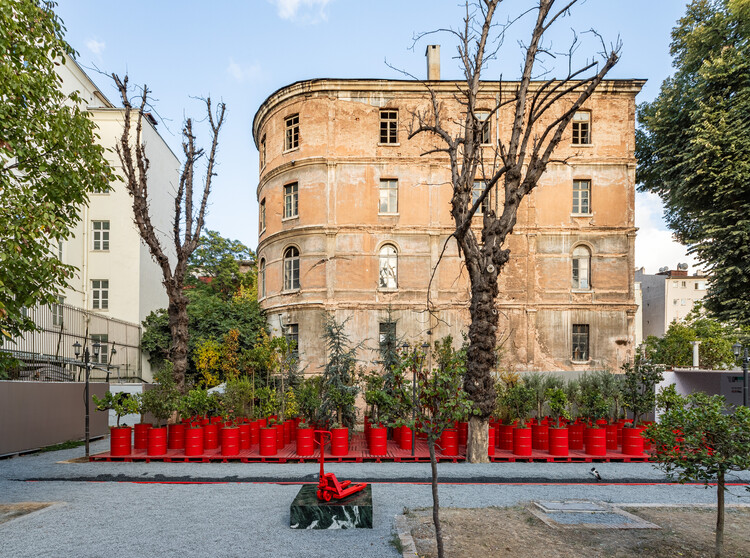
The 18th Istanbul Biennial, organized by the Istanbul Foundation for Culture and Arts (İKSV), has opened its first phase to visitors and will remain on view until November 23, 2025. Curated by Christine Tohmé under the title "The Three-Legged Cat," the biennial is envisioned as a three-year process unfolding between 2025 and 2027. The second phase, scheduled for 2026, will focus on establishing an academy and collaborating with local initiatives through a series of public programs. The third and final chapter in 2027 will bring together the accumulated encounters through exhibitions and workshops.

First Chapter of the 18th Istanbul Biennial Opens, Exploring Self-Preservation and Futurity - Image 1 of 4First Chapter of the 18th Istanbul Biennial Opens, Exploring Self-Preservation and Futurity - Image 2 of 4First Chapter of the 18th Istanbul Biennial Opens, Exploring Self-Preservation and Futurity - Image 3 of 4First Chapter of the 18th Istanbul Biennial Opens, Exploring Self-Preservation and Futurity - Image 4 of 4First Chapter of the 18th Istanbul Biennial Opens, Exploring Self-Preservation and Futurity - More Images+ 8

Shifting Urban Perspectives: Beimen's Journey from Obstacle to Urban Anchor in Taipei

Subscriber Access | 

The North Gate of Taipei, also known as Beimen, stands not only as a reminder of the city's complex history but also as a witness to the changing urban landscape around it, and its shifting attitudes towards the urban spaces bordering heritage buildings. Initially a Chinese imperial frontier, spared from demolition during the Japanese colonial dominion, crowded by overpasses and highways in the postwar modernization efforts, it has recently regained its prominent status through the development of the plaza that now frames it. The gate's resilience through shifting urban priorities and architectural policies tells a story of heritage preservation not only through the built form, but also through the open spaces framing it.

Shifting Urban Perspectives: Beimen's Journey from Obstacle to Urban Anchor in Taipei - Image 1 of 4Shifting Urban Perspectives: Beimen's Journey from Obstacle to Urban Anchor in Taipei - Image 6 of 4Shifting Urban Perspectives: Beimen's Journey from Obstacle to Urban Anchor in Taipei - Image 2 of 4Shifting Urban Perspectives: Beimen's Journey from Obstacle to Urban Anchor in Taipei - Image 3 of 4Shifting Urban Perspectives: Beimen's Journey from Obstacle to Urban Anchor in Taipei - More Images+ 9

Centre Pompidou to Close for Five-Year Renovation Led by Moreau Kusunoki

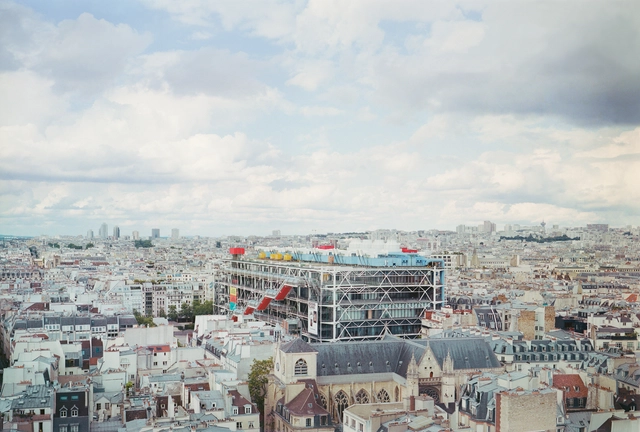
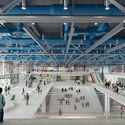
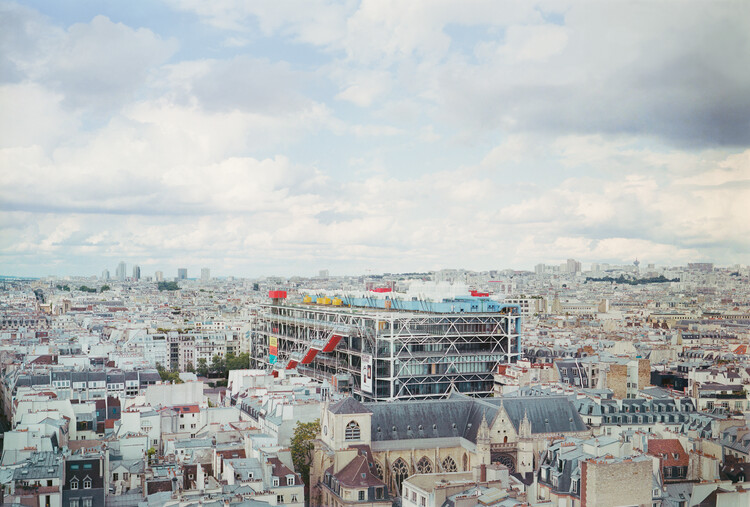
The Centre Pompidou in Paris, designed in 1971 by Renzo Piano and Richard Rogers, is closing for a major transformation that will take five years. Following an international competition, the renovation has been entrusted to Moreau Kusunoki, in association with Frida Escobedo Studio, alongside AIA Life Designers for the technical components. Initiated in 2020 with the support of France's Ministry of Culture, the project addresses urgent needs, including the removal of asbestos from facades, improved fire safety, enhanced accessibility, and significant upgrades in energy efficiency. The works will require a full closure of the Beaubourg site, with a planned reopening in 2030.

Centre Pompidou to Close for Five-Year Renovation Led by Moreau Kusunoki - Image 7 of 4Centre Pompidou to Close for Five-Year Renovation Led by Moreau Kusunoki - Image 14 of 4Centre Pompidou to Close for Five-Year Renovation Led by Moreau Kusunoki - Image 11 of 4Centre Pompidou to Close for Five-Year Renovation Led by Moreau Kusunoki - Image 9 of 4Centre Pompidou to Close for Five-Year Renovation Led by Moreau Kusunoki - More Images+ 12

Sumayya Vally Renovates Heritage Building in Central London as New Arts and Cultural Center

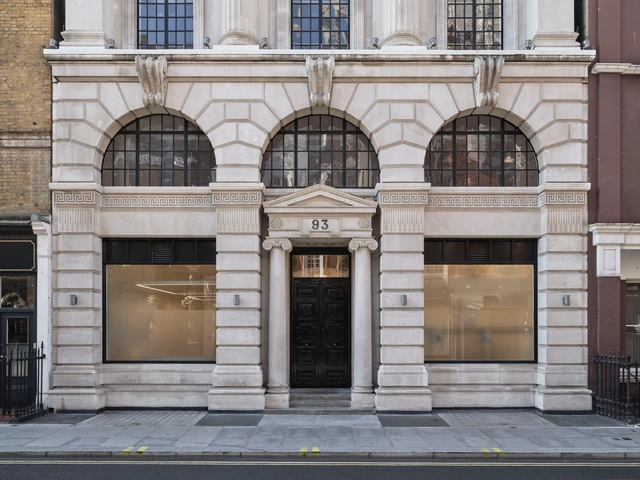
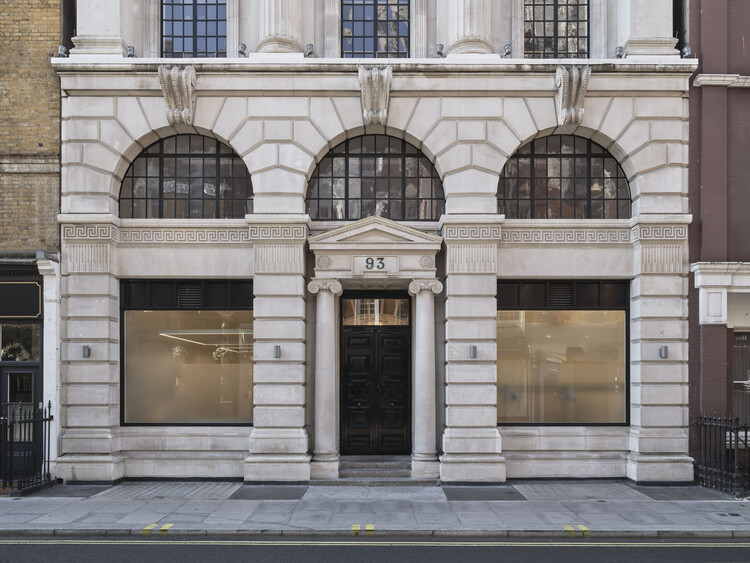
October will see the opening of Ibraaz, a new cultural space reimagined by Architect-in-Residence Sumayya Vally in central London. The initiative is led by the Kamel Lazaar Foundation and aims to highlight art, culture, and ideas from the Global Majority: communities of African, Asian, Indigenous, and Latin American heritage that together represent most of the world's population. The project seeks to bridge local and global conversations by creating a "world of many worlds" within a single venue: a six-floor, 10,000-square-foot building that has undergone multiple transformations, from synagogue to residence, club, and now cultural center.

Sumayya Vally Renovates Heritage Building in Central London as New Arts and Cultural Center - Image 1 of 4Sumayya Vally Renovates Heritage Building in Central London as New Arts and Cultural Center - Image 2 of 4Sumayya Vally Renovates Heritage Building in Central London as New Arts and Cultural Center - Image 3 of 4Sumayya Vally Renovates Heritage Building in Central London as New Arts and Cultural Center - Image 4 of 4Sumayya Vally Renovates Heritage Building in Central London as New Arts and Cultural Center - More Images

From Yakushima to Toronto: Architecture Now Highlights New Projects Shaping Hospitality, Public Life, and Infrastructure

As cities and infrastructures evolve to meet shifting cultural, environmental, and social demands, new architectural projects are redefining how public spaces and civic institutions operate. This edition of Architecture Now brings together proposals spanning different contexts and scales: on Yakushima Island, Jean Nouvel embeds a boutique retreat for NOT A HOTEL into a UNESCO-listed forest landscape; in New York City, Rossetti and WSP are preparing a major renovation of Arthur Ashe Stadium to expand capacity and enhance the visitor experience; in Toronto, Diamond Schmitt and gh3* have broken ground on a mass-timber, net-zero paramedic station; and across the English Channel, Hollaway Studio is leading a transformation of LeShuttle's UK and French terminals into more seamless and sustainable gateways. Together, these projects reflect how design is being used to adapt existing systems and landscapes to new forms of public life.

From Yakushima to Toronto: Architecture Now Highlights New Projects Shaping Hospitality, Public Life, and Infrastructure - Image 1 of 4From Yakushima to Toronto: Architecture Now Highlights New Projects Shaping Hospitality, Public Life, and Infrastructure - Image 4 of 4From Yakushima to Toronto: Architecture Now Highlights New Projects Shaping Hospitality, Public Life, and Infrastructure - Image 2 of 4From Yakushima to Toronto: Architecture Now Highlights New Projects Shaping Hospitality, Public Life, and Infrastructure - Image 5 of 4From Yakushima to Toronto: Architecture Now Highlights New Projects Shaping Hospitality, Public Life, and Infrastructure - More Images+ 11

From Vancouver to Kyiv: Architecture Now Showcases Global Projects Shaping Sacred, Civic, and Cultural Spaces

Subscriber Access | 

As cities and communities adapt to new cultural, environmental, and social realities, architecture is taking on an expanded role in shaping spaces of resilience, gathering, and imagination. This edition of Architecture Now highlights six recent projects that span continents and typologies, from the redevelopment of post-industrial landscapes to sacred architecture, cultural pavilions, and civic hubs. Whether through mass timber innovation in Vancouver and Jülich, adaptive reuse in Ostrava, a children's pavilion in London, a spiritual centre in India, or a parametric church in Kyiv, each project demonstrates how design can bridge heritage and innovation while fostering connection, care, and community.

From Vancouver to Kyiv: Architecture Now Showcases Global Projects Shaping Sacred, Civic, and Cultural Spaces - Image 1 of 4From Vancouver to Kyiv: Architecture Now Showcases Global Projects Shaping Sacred, Civic, and Cultural Spaces - Image 2 of 4From Vancouver to Kyiv: Architecture Now Showcases Global Projects Shaping Sacred, Civic, and Cultural Spaces - Image 3 of 4From Vancouver to Kyiv: Architecture Now Showcases Global Projects Shaping Sacred, Civic, and Cultural Spaces - Image 4 of 4From Vancouver to Kyiv: Architecture Now Showcases Global Projects Shaping Sacred, Civic, and Cultural Spaces - More Images+ 17

RIBA Announces the Shortlist for the 2025 Stirling Prize

The Royal Institute of British Architects (RIBA) has revealed the six shortlisted projects for the 2025 RIBA Stirling Prize. Since its establishment in 1996, the prize has recognized works that respond to contemporary challenges while shaping more inclusive futures. This year's shortlist spans a diverse range of scales and programs, including the restoration of one of the nation's most iconic landmarks, a pioneering medical research facility, a contemporary almshouse designed to reduce isolation among older residents, a university's "factory for fashion," a fully accessible home, and a creative house extension. The winner of the award will be announced live at the Stirling Prize ceremony on 16 October in the Roundhouse, London.

RIBA Announces the Shortlist for the 2025 Stirling Prize - Image 1 of 4RIBA Announces the Shortlist for the 2025 Stirling Prize - Image 2 of 4RIBA Announces the Shortlist for the 2025 Stirling Prize - Image 3 of 4RIBA Announces the Shortlist for the 2025 Stirling Prize - Image 4 of 4RIBA Announces the Shortlist for the 2025 Stirling Prize - More Images+ 25

A Dialogue with the Past: Preservation Techniques of Historic Villas in Italy

Subscriber Access | 

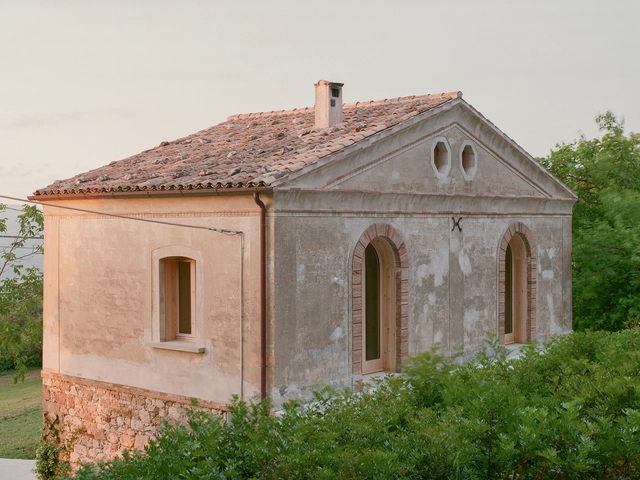
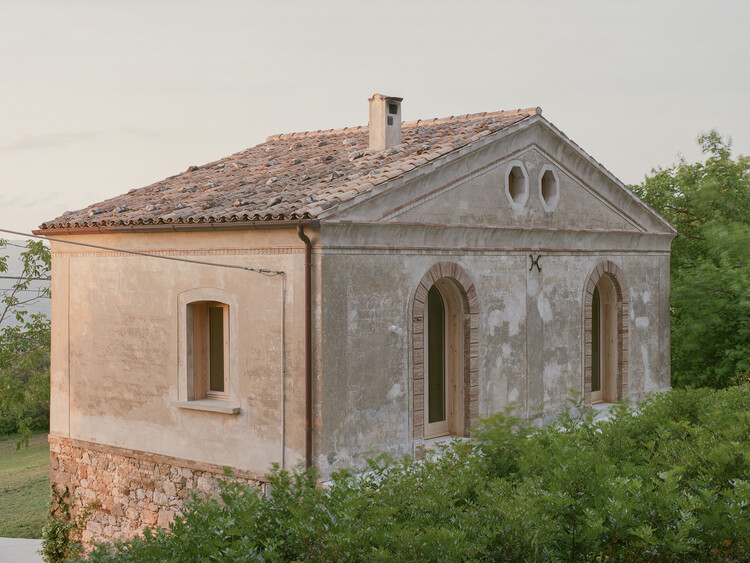
Italy's rich history, evident in its monuments and cities, has created a unique context for architectural renovation. Italian architects often embrace this heritage by engaging in a dialogue between old and new, rather than aiming for a complete transformation. This approach intentionally avoids an imitative style, instead using contemporary materials like steel, glass, and new wood to frame and highlight the existing historic stone and brickwork. This juxtaposition turns the original materials from simple structural elements into featured decorative and narrative ones. The result is a layered experience where the history of the space remains visible, ensuring it is preserved rather than erased by the renovation.

A Dialogue with the Past: Preservation Techniques of Historic Villas in Italy - Image 1 of 4A Dialogue with the Past: Preservation Techniques of Historic Villas in Italy - Image 2 of 4A Dialogue with the Past: Preservation Techniques of Historic Villas in Italy - Image 3 of 4A Dialogue with the Past: Preservation Techniques of Historic Villas in Italy - Image 4 of 4A Dialogue with the Past: Preservation Techniques of Historic Villas in Italy - More Images+ 2

Foster + Partners Redesigns Manchester United’s Carrington Training Complex

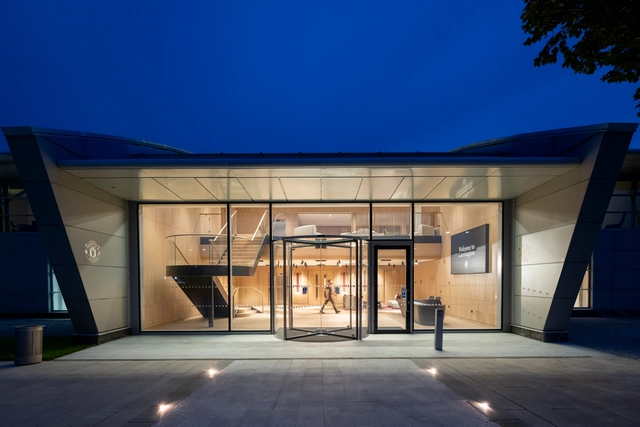
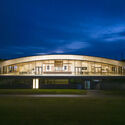
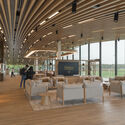
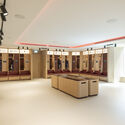
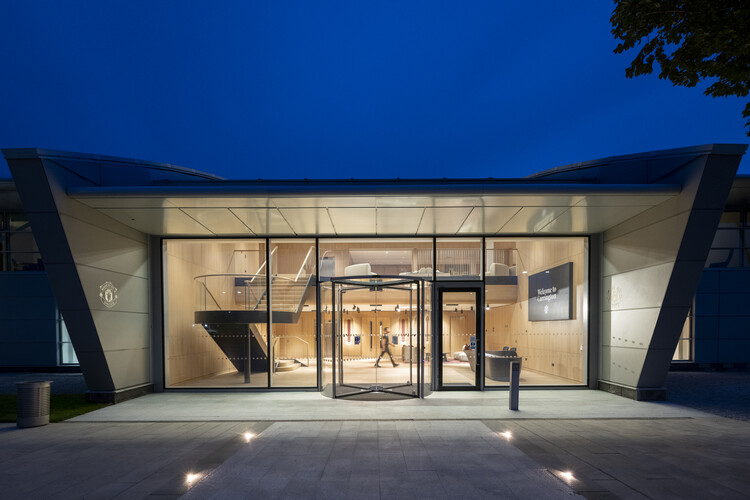
Foster + Partners has completed the modernization of Manchester United's men's first team building at the Carrington Training Complex. The project rethinks the 1999 structure to create a high-performance, collaborative environment for players and staff, integrating new facilities while retaining much of the original building's structure. The refurbishment introduces large windows and rooflights to bring natural light deep into the floor plate, complemented by timber panelling that adds warmth and a sense of permanence. Integrated MEP systems improve the building's operational performance, energy efficiency, and overall user experience.

Foster + Partners Redesigns Manchester United’s Carrington Training Complex - Image 1 of 4Foster + Partners Redesigns Manchester United’s Carrington Training Complex - Image 2 of 4Foster + Partners Redesigns Manchester United’s Carrington Training Complex - Image 3 of 4Foster + Partners Redesigns Manchester United’s Carrington Training Complex - Image 4 of 4Foster + Partners Redesigns Manchester United’s Carrington Training Complex - More Images+ 1

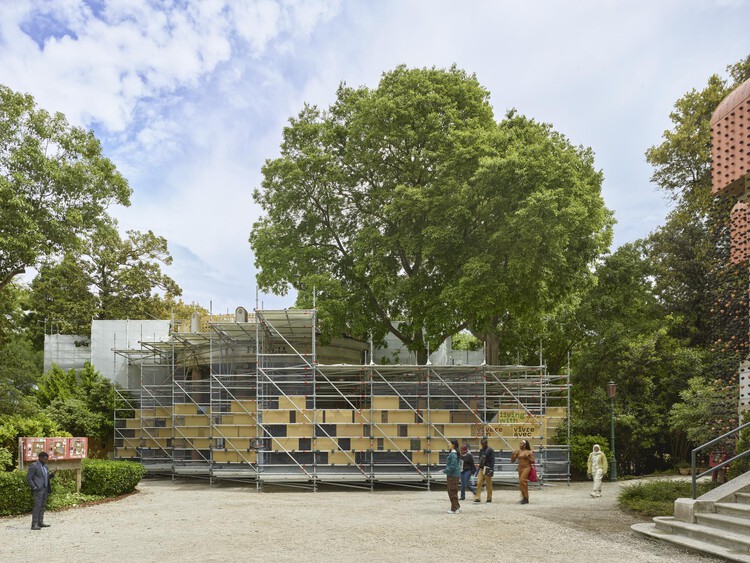
The French Pavilion Explores Concepts of “Living With” at the 2025 Venice Architecture Biennale

The French pavilion exhibition, entitled "Vivre avec / Living with," was developed by the agency Jakob+Macfarlane, formed by architects Dominique Jakob and Brendan MacFarlane, in collaboration with Martin Duplantier Architects and Eric Daniel Lacombe EDL. France's project for the 2025 Venice Biennale was selected through a two-phase competition, involving an initial pre-selection of five teams from forty-five applicants, followed by a detailed project presentation. The winning proposal focuses on architecture's capacity to address global challenges such as climate change, conflict, and instability, utilizing a combination of natural, human, and artificial intelligence.

The French Pavilion Explores Concepts of “Living With” at the 2025 Venice Architecture Biennale - Image 1 of 4The French Pavilion Explores Concepts of “Living With” at the 2025 Venice Architecture Biennale - Image 2 of 4The French Pavilion Explores Concepts of “Living With” at the 2025 Venice Architecture Biennale - Image 3 of 4The French Pavilion Explores Concepts of “Living With” at the 2025 Venice Architecture Biennale - Image 4 of 4The French Pavilion Explores Concepts of “Living With” at the 2025 Venice Architecture Biennale - More Images+ 29

To Build Law: The CCA Documents HouseEurope!’s Campaign for Legal Change in European Architecture

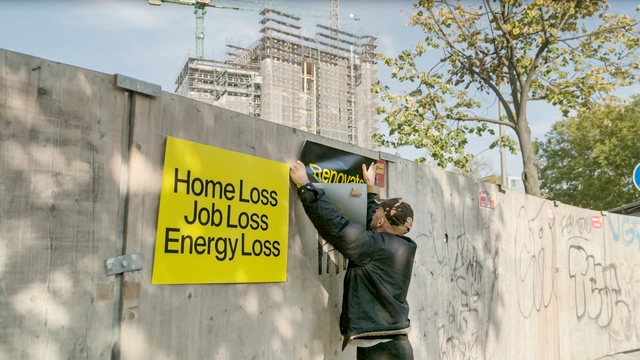
During 2024, the Canadian Centre for Architecture (CCA) launched a three-part documentary and exhibition series titled Groundwork, exploring alternative modes of practice in light of the current climate crisis. The process began with a series of studio visits in search of offices addressing substantial questions for contemporary architecture through practice, culminating in the selection of three projects: Xu Tiantian's "minimal intervention" museum on Meizhou Island, Carla Juaçaba's community pavilions in a coffee field in Minas Gerais, and bplus.xyz (b+)'s European Citizens' Initiative for a new legal framework to facilitate the renovation and transformation of existing buildings. The latter, HouseEurope!, was recently recognized as the winner of the seventh edition of the OBEL Award and was showcased at the international exhibition of the Venice Architecture Biennale 2025.

To Build Law: The CCA Documents HouseEurope!’s Campaign for Legal Change in European Architecture - Image 1 of 4To Build Law: The CCA Documents HouseEurope!’s Campaign for Legal Change in European Architecture - Image 2 of 4To Build Law: The CCA Documents HouseEurope!’s Campaign for Legal Change in European Architecture - Image 3 of 4To Build Law: The CCA Documents HouseEurope!’s Campaign for Legal Change in European Architecture - Image 4 of 4To Build Law: The CCA Documents HouseEurope!’s Campaign for Legal Change in European Architecture - More Images+ 14

Studio Libeskind Unveils New Images of the Art Deco Tower Transformation in Antwerp, Belgium

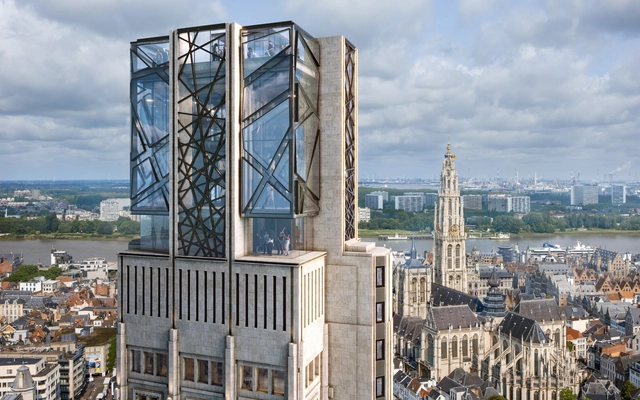
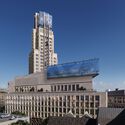
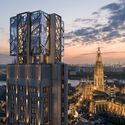
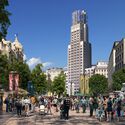
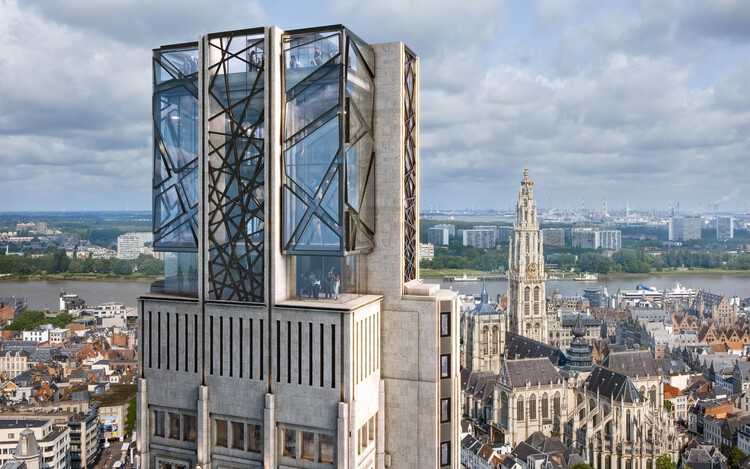
Studio Libeskind has released new images of the design for the transformation of the Boerentoren tower, one of Europe's earliest skyscrapers, located in the heart of Antwerp, Belgium. Developed in collaboration with Belgian architecture firm ELD, the project reimagines the 1932 Art Deco landmark as a new public cultural hub that will house The Phoebus Foundation's art collection. The design includes the addition of exhibition spaces, a panoramic viewing platform, a rooftop sculpture garden, and new restaurants and bars. According to the architects, the original architectural features will be preserved while introducing a new architectural feature, which they are calling the "Reimagined Crown." Initially announced in 2022, the project has now received preliminary approval from the Flemish Heritage Agency and the City of Antwerp.

Studio Libeskind Unveils New Images of the Art Deco Tower Transformation in Antwerp, Belgium - Image 1 of 4Studio Libeskind Unveils New Images of the Art Deco Tower Transformation in Antwerp, Belgium - Image 2 of 4Studio Libeskind Unveils New Images of the Art Deco Tower Transformation in Antwerp, Belgium - Image 3 of 4Studio Libeskind Unveils New Images of the Art Deco Tower Transformation in Antwerp, Belgium - Image 4 of 4Studio Libeskind Unveils New Images of the Art Deco Tower Transformation in Antwerp, Belgium - More Images+ 15

Built to Last—or Change? The Case for Dry Construction in Humid Cities

Subscriber Access | 

In certain parts of the world, construction is still dominated by wet systems—concrete, masonry, and cementitious materials that are poured, cured, and fixed in place. While this has long been considered the norm in some south-east Asia countries, such as Singapore, Thailand, Malaysia, and China, in most of these regions, they typically share a common trend where labor is relatively inexpensive. This serves as one of the reasons to make concrete more easily available, as one of the typical downside of concrete is its intensive labour cost - this further differentiates concrete as a cheaper and more efficient material system to be building out of.

However, not enough considerations in the region are given to the sustainability aspect when using these wet construction materials,often overlooking the significant drawbacks of its material lifecycle and the difficulty to recycle it without downcycling - making it one of the more unsustainable materials available to be built out of.

Built to Last—or Change? The Case for Dry Construction in Humid Cities - Image 1 of 4Built to Last—or Change? The Case for Dry Construction in Humid Cities - Image 2 of 4Built to Last—or Change? The Case for Dry Construction in Humid Cities - Image 3 of 4Built to Last—or Change? The Case for Dry Construction in Humid Cities - Image 4 of 4Built to Last—or Change? The Case for Dry Construction in Humid Cities - More Images+ 10

Grand Palais in Paris Reopens Following the Restoration by Chatillon Architectes

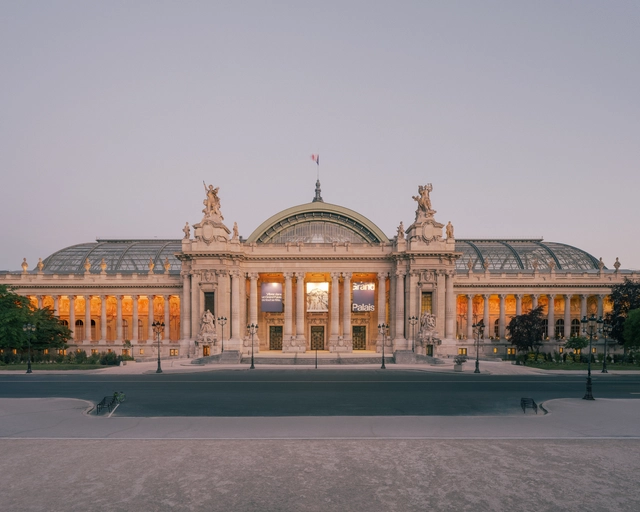
The Grand Palais in Paris has reopened to the public after the most comprehensive renovation in its 120-year history, led by Paris-based Chatillon Architectes. Originally built for the 1900 Universal Exhibition, the Grand Palais has long stood as a symbol of French cultural excellence, technical ingenuity, and architectural ambition. Following the reveal of the restored Nave for the 2024 Paris Olympics, the entire 77,000-square-meter building has now been renewed to enhance spatial clarity, restore original volumes, and transform the visitor experience. The project introduces expanded public access, new exhibition spaces, restaurants, and improved circulation, while remaining rooted in the building's architectural legacy.

Grand Palais in Paris Reopens Following the Restoration by Chatillon Architectes - Image 1 of 4Grand Palais in Paris Reopens Following the Restoration by Chatillon Architectes - Image 2 of 4Grand Palais in Paris Reopens Following the Restoration by Chatillon Architectes - Image 3 of 4Grand Palais in Paris Reopens Following the Restoration by Chatillon Architectes - Image 4 of 4Grand Palais in Paris Reopens Following the Restoration by Chatillon Architectes - More Images+ 13

The European Citizens’ Initiative HouseEurope! Receives the 2025 OBEL Award

HouseEurope!, a registered non-profit organization focused on promoting the social and ecological transformation of Europe's built environment, has received the 2025 OBEL Award. Presented annually by the Henrik Frode Obel Foundation, the award recognizes architectural contributions with the potential to drive meaningful change. Aligned with this year's theme, "Ready Made," the OBEL Award Jury selected HouseEurope! for its efforts in raising awareness and fostering public engagement around the need for a shift in construction and housing practices across Europe.

The European Citizens’ Initiative HouseEurope! Receives the 2025 OBEL Award - Image 1 of 4The European Citizens’ Initiative HouseEurope! Receives the 2025 OBEL Award - Image 2 of 4The European Citizens’ Initiative HouseEurope! Receives the 2025 OBEL Award - Image 3 of 4The European Citizens’ Initiative HouseEurope! Receives the 2025 OBEL Award - Image 4 of 4The European Citizens’ Initiative HouseEurope! Receives the 2025 OBEL Award - More Images+ 4

From Churches to Homes: Conversions and Contemporary Renovations That Fuse Past and Present

Subscriber Access | 

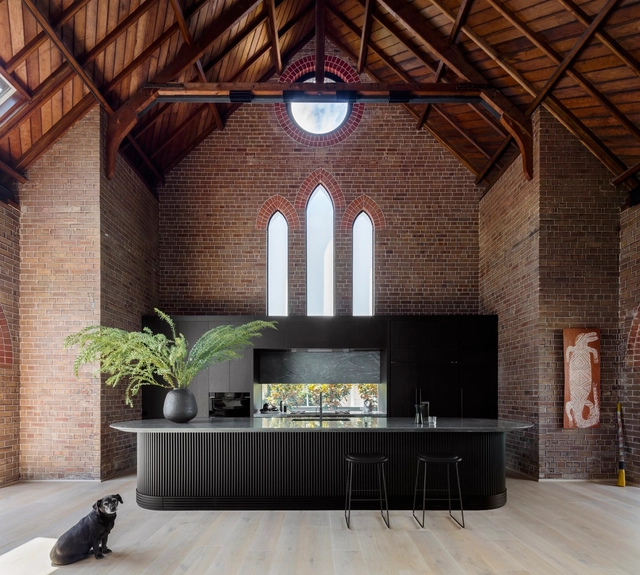
What does a change in use and/or scale in buildings imply? How can a church or chapel be transformed into a home? While the architecture of many contemporary sacred spaces shows a remarkable capacity for adaptation and evolution, the creative boundaries of many professionals extend beyond their conception as structures of spirituality or worship. Globally, the conversion of large churches and small chapels into private residences reveals a wide field for intervention and exploration, one that can preserve, restore, adapt, and/or renew the character of spaces originally conceived for other uses and scales, which for various reasons have been abandoned, become obsolete, or now require transformation.

From Churches to Homes: Conversions and Contemporary Renovations That Fuse Past and Present - Image 1 of 4From Churches to Homes: Conversions and Contemporary Renovations That Fuse Past and Present - Image 2 of 4From Churches to Homes: Conversions and Contemporary Renovations That Fuse Past and Present - Image 3 of 4From Churches to Homes: Conversions and Contemporary Renovations That Fuse Past and Present - Image 4 of 4From Churches to Homes: Conversions and Contemporary Renovations That Fuse Past and Present - More Images+ 25

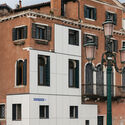
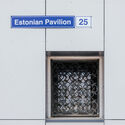
The Estonian Pavilion at the 2025 Venice Biennale Questions Massive Insulation Projects Through a Façade Installation

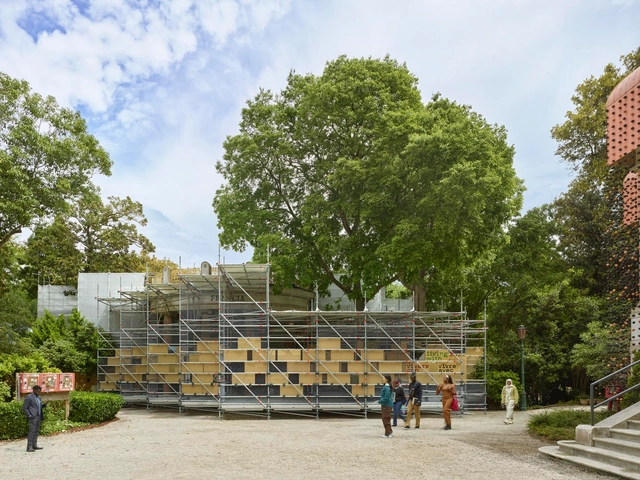
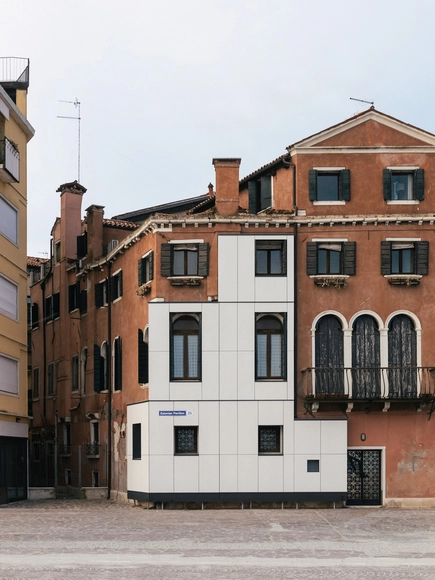
The installation and exhibition representing Estonia at the 19th International Architecture Exhibition of La Biennale di Venezia is curated by architects Keiti Lige, Elina Liiva, and Helena Männa. Titled Let Me Warm You, the national exhibition explores different dimensions of sustainability by questioning whether insulation-driven renovations in Estonia are simply compliance measures to meet European energy targets or whether they can also serve as opportunities to enhance the spatial and social quality of mass housing districts. To make this point, the Estonian installation covers the façade of a Venetian building with insulation panels, replicating how they are commonly installed in Estonia for mass housing renovations.


The Estonian Pavilion at the 2025 Venice Biennale Questions Massive Insulation Projects Through a Façade Installation - Image 1 of 4The Estonian Pavilion at the 2025 Venice Biennale Questions Massive Insulation Projects Through a Façade Installation - Image 2 of 4The Estonian Pavilion at the 2025 Venice Biennale Questions Massive Insulation Projects Through a Façade Installation - Image 3 of 4The Estonian Pavilion at the 2025 Venice Biennale Questions Massive Insulation Projects Through a Façade Installation - Image 4 of 4The Estonian Pavilion at the 2025 Venice Biennale Questions Massive Insulation Projects Through a Façade Installation - More Images+ 50