1. ArchDaily
  2. Relocation

Relocation: The Latest Architecture and News

The Transposed Monument: Murray House and the Paradox of Preservation

Subscriber Access | 

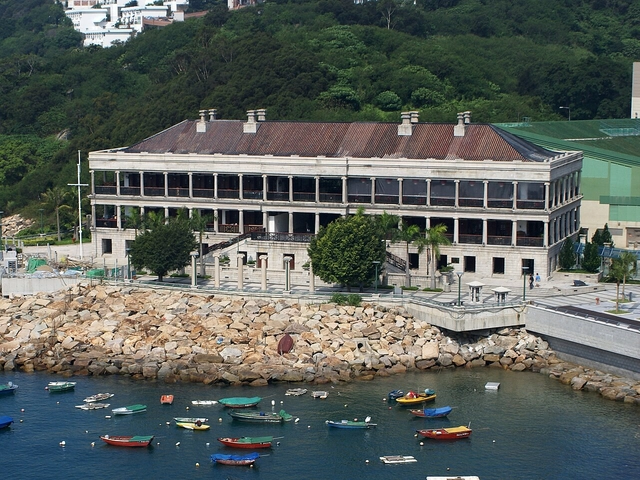
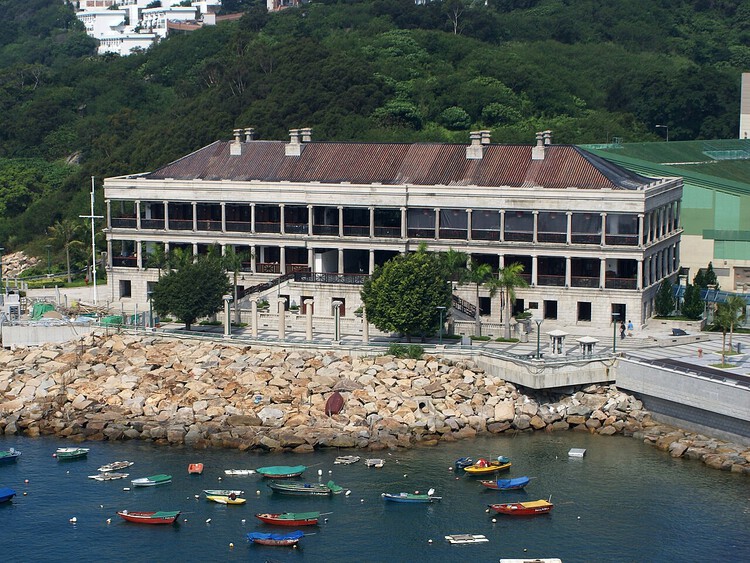
In preserving architecture, there are many possible approaches—ranging from treating a building as a static monument, meticulously restoring it in situ to the point of limiting public access, to more adaptive strategies that reprogram and modify interior spaces while retaining key architectural elements such as materiality and structural form. Yet one method stands apart, both in ambition and in controversy: to deliberately dismantle a building—brick by brick—meticulously label and document each part, and store it until a new site, purpose, or narrative emerges. Then, to reassemble it anew, possibly for an entirely different use. Though the original context is lost, this strategy aims to preserve cultural significance through transformation rather than stasis. This is the story of Murray House in Stanley, Hong Kong.

Originally constructed in 1846 as officers' quarters for the British military in Central, Murray House was one of the earliest examples of neoclassical architecture in Hong Kong—a unique and enduring trace of the city's colonial past. Its robust granite colonnades and symmetrical façade stood as a symbol of classical permanence. During the Japanese occupation of Hong Kong in 1941, the building's function was repurposed as the command center for the Japanese military police. It survived the war and continued to house various government departments throughout the postwar decades.

The Transposed Monument: Murray House and the Paradox of Preservation - Image 1 of 4The Transposed Monument: Murray House and the Paradox of Preservation - Image 2 of 4The Transposed Monument: Murray House and the Paradox of Preservation - Image 3 of 4The Transposed Monument: Murray House and the Paradox of Preservation - Image 4 of 4The Transposed Monument: Murray House and the Paradox of Preservation - More Images+ 13

Sweden Transports Century-Old Church Across Town to Escape Mine Expansion

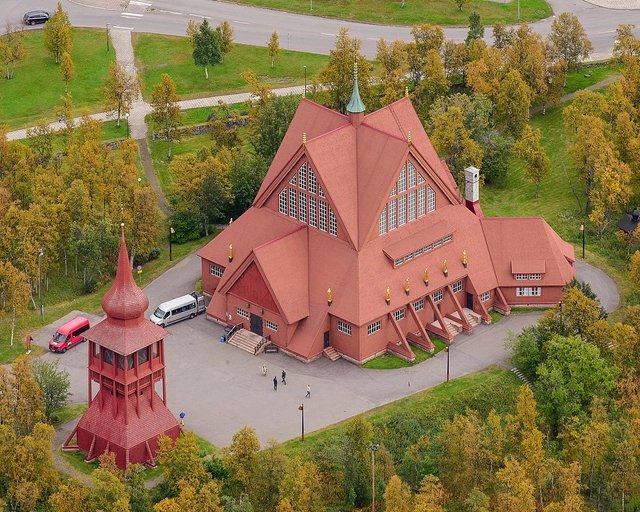
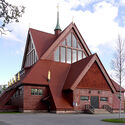
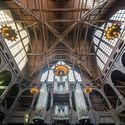
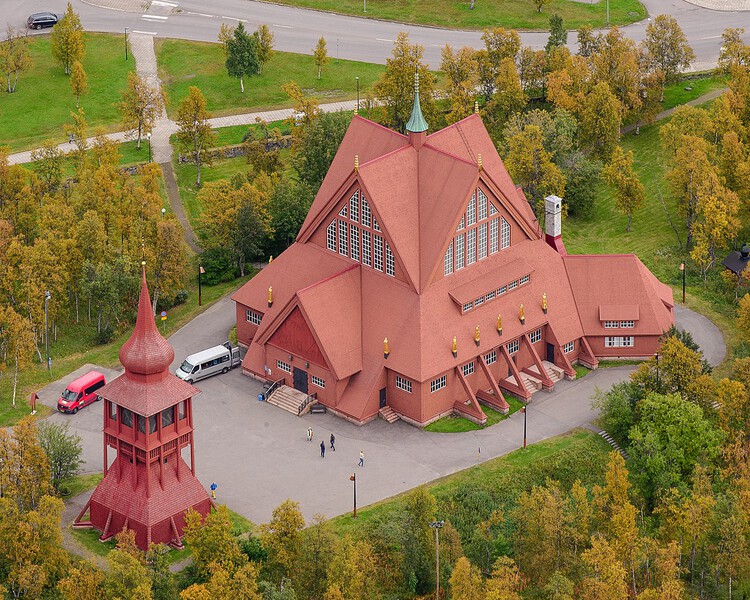
Between August 19 and 20, 2025, thousands of spectators watched as one of Sweden's largest wooden buildings was lifted onto beams and wheeled across town. The Kiruna Church, constructed between 1909 and 1912, was designed to echo the form of a Sámi hut in Sweden's far northern region, within the Arctic Circle. The building was designed by architect Gustaf Wickman, who served as the church's architect at the time, and combines elements of Gothic Revival with an Art Nouveau altar. The building, one of the city's main tourist attractions, was moved to a new location between the cemetery and the new city center to prevent damage caused by the expansion of the local mine.

Sweden Transports Century-Old Church Across Town to Escape Mine Expansion - Image 1 of 4Sweden Transports Century-Old Church Across Town to Escape Mine Expansion - Image 2 of 4Sweden Transports Century-Old Church Across Town to Escape Mine Expansion - Image 3 of 4Sweden Transports Century-Old Church Across Town to Escape Mine Expansion - Image 4 of 4Sweden Transports Century-Old Church Across Town to Escape Mine Expansion - More Images

Indonesia Plans to Build Its New Capital from the Ground Up to Replace the Sinking City of Jakarta

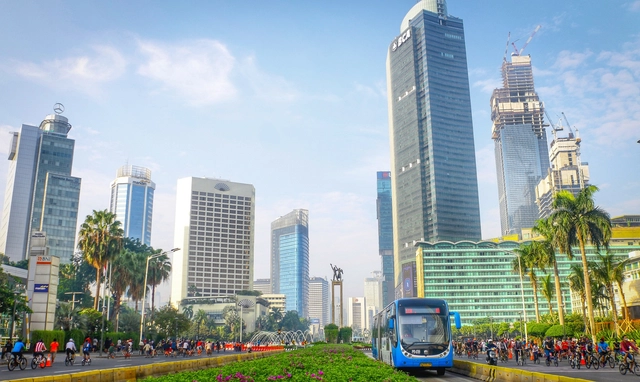
The Indonesian parliament has approved a bill to relocate the capital from the city of Jakarta to a completely new city to be built on the island of Borneo, 1,300 kilometers from the current capital. The decision, first announced in 2019, comes as a reaction to the myriad of challenges faced by Jakarta, including pollution, traffic congestion, and, perhaps the most threatening, rising sea waters. As a consequence of excessive groundwater extraction, rapid urbanization, and rising sea levels, 40% of the city is currently below sea level, making it increasingly difficult for the infrastructure to protect the residents. President Joko Widodo proposes an alternative: relocating the administrative center of the country to a new green metropolis, to be named Nunsantara, meaning ‘archipelago’ in ancient Javanese.

Indonesia Plans to Build Its New Capital from the Ground Up to Replace the Sinking City of Jakarta - Image 1 of 4Indonesia Plans to Build Its New Capital from the Ground Up to Replace the Sinking City of Jakarta - Image 2 of 4Indonesia Plans to Build Its New Capital from the Ground Up to Replace the Sinking City of Jakarta - Image 3 of 4Indonesia Plans to Build Its New Capital from the Ground Up to Replace the Sinking City of Jakarta - Image 4 of 4Indonesia Plans to Build Its New Capital from the Ground Up to Replace the Sinking City of Jakarta - More Images+ 1

Architects to Relocate Entire City Two Miles Over

UPDATE: The BBC reports that construction on the Kiruna re-location is scheduled to begin next month. For more on this extraordinary project, read the article below.

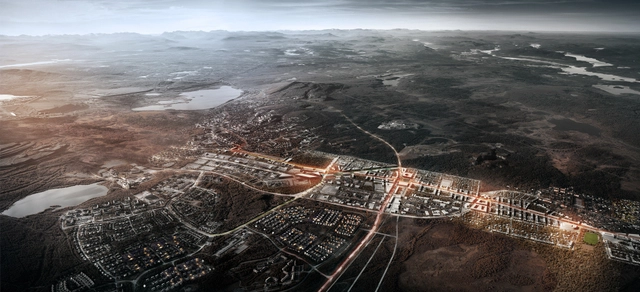
Everyone is familiar with the stresses of moving to a new house, but the residents of Kiruna, a small town of 18,000 in Sweden, face a more daunting task: moving their entire city.

For more than 100 years, residents of Kiruna have developed their city center around the world's largest iron mine, operated by the state-controlled company, Luossavaara-Kiirunavaara AB (LKAB). In 2004, LKAB determined that to continue extracting iron would mean digging deeper, unsettling the ground beneath 3,000 homes as well as the city hall, train station, and century-old church.