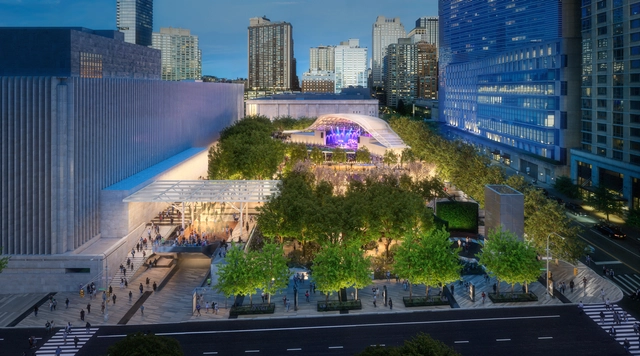
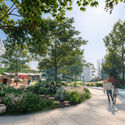
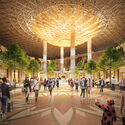
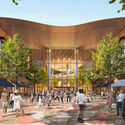
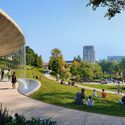
Lincoln Center for the Performing Arts, Inc. has revealed the design for the Amsterdam Avenue side of its campus, developed by Hood Design Studio, Weiss/Manfredi Architecture/Landscape/Urbanism, and Moody Nolan. Recently released renderings illustrate a transformation that includes a new outdoor performance venue, expanded community park spaces, and the removal of the existing wall along Amsterdam Avenue. In response to long-standing calls from both Lincoln Center and local communities, the construction is expected to begin in spring 2026 and be completed by spring 2028.
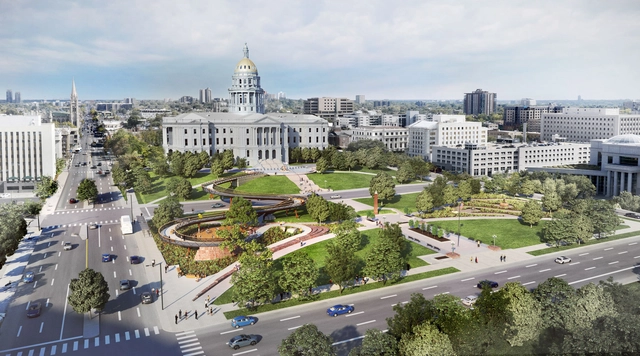
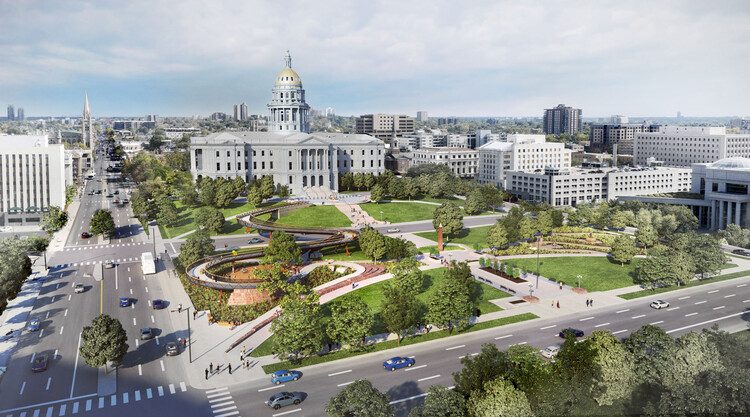
Studio Gang, led by Jeanne Gang, has revealed its design for the Colorado 150 PedestrianWalkway, a new civic infrastructure project commissioned by Governor Polis and the America 150-250 Commission. Spanning 11,000 square feet, the walkway is conceived as both a connective urban thread and a commemorative landscape, marking the 150th anniversary of Colorado's statehood. Strategically sited in downtown Denver, the intervention links key public spaces and monuments, enhancing pedestrianaccessibility while fostering a layered experience of art, culture, and history. Set to be completed by July 2026, various features, such as viewing platforms, monuments, new public artworks by Colorado-based artists, play areas, and interpretive elements, aim to invite users to explore, gather, and reflect along the route.
The intersection between architecture and neuroscience—known as neuroarchitecture—is emerging as an innovative field, highlighting the significant influence of design, whether in urban spaces or buildings, on human perception, including the sense of safety. This area of study gains relevance in a context where urban architecture is not merely a matter of aesthetics or function, but also a crucial element in creating environments that promote well-being and safety.
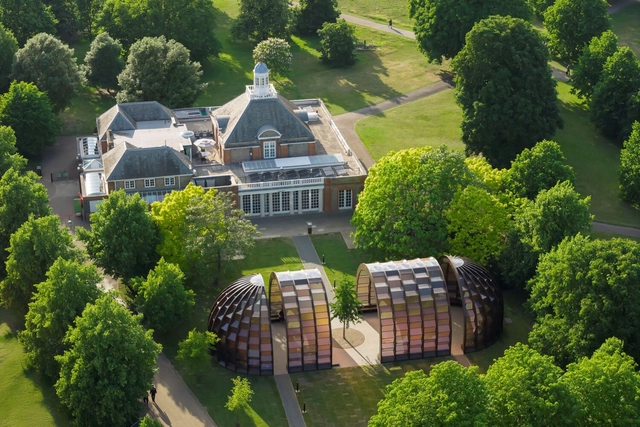
How do pavilions emerge in architecture? What role do they play in urban spaces? Beyond the multiple interpretations that exist around the world, the pavilion, as an architectural principle and typology, tends toward extroversion, often associated with a centrifugal nature and visual openness toward the horizon, which is linked to its origins as a tent offering shelter from the elements. Pavilions are usually identified as isolated and independent structures that can promote lateral openings in the urban space, panoramic or introspective views, technological reflections, and material experiments that are recognizable from the outside or once inside.
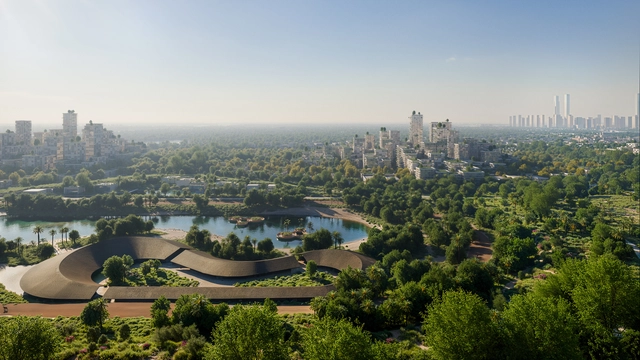
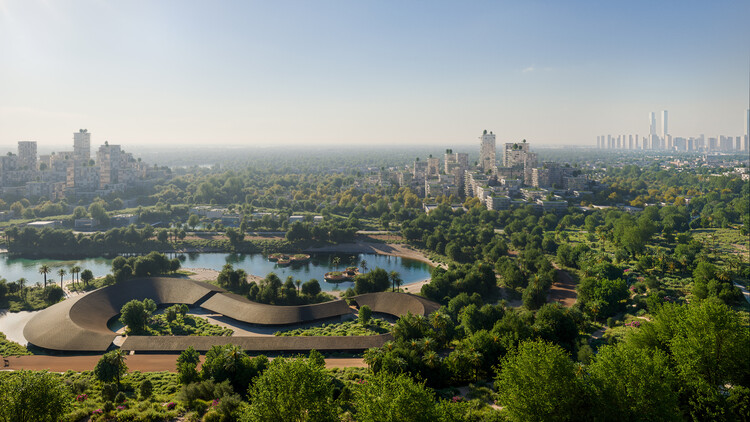
BIG–Bjarke Ingels Group was commissioned by A.R.M. Holding to design the transformation of Dubai's Jebel Ali Racecourse into a new urban district measuring 5 square kilometers. The design aligns with the Dubai 2040 Urban Master Plan, which focuses on enhancing pedestrian mobility as a pillar for promoting sustainable urban development. The master plan is anchored by a central park, reconnecting the racecourse site to the city.
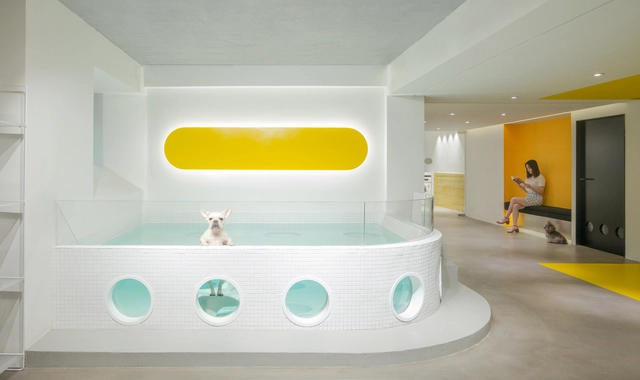
Humans and pets have long shared a deep and inseparable bond—and today, how we live alongside them is becoming increasingly important. Beyond offering companionship, pets are now often regarded as life partners, providing powerful support for mental health and emotional well-being. Yet it is not only the emotional connection that matters: the way we design and curate spaces for cohabitation with them plays a critical role in shaping meaningful spatial relationships between humans and their animal companions.
Whether through custom-designed furniture or more seamlessly integrated solutions like wall cavities and built-in nooks, an increasing amount of attention is being paid to how we can better coexist with pets in our homes. This shift reflects more than just affluence or pet ownership; it signals a broader evolution of companionship—one rooted in mutual support, emotional health, and shared environments.
A good conversation can make time feel like it's passing more quickly. But is this effect solely due to the verbal exchange, or could our perception of time be shaped by the spatial conditions surrounding us? There are environments that, due to their scale, distribution, and atmosphere, are conducive to meeting, listening, or pausing, thereby influencing the human experience. Perhaps it's not the words we share, but the space in which we speak that truly shapes our understanding of time. Some sociological theories about our society and the built environment go beyond considering it as a mere physical container and suggest that architecture, in its very duality, can act as both an inhibitor and a catalyst for our temporal experiences, impacting our wellbeing.
https://www.archdaily.com/1029304/wellbeing-and-slow-spaces-can-architecture-distort-the-way-we-experience-timeEnrique Tovar
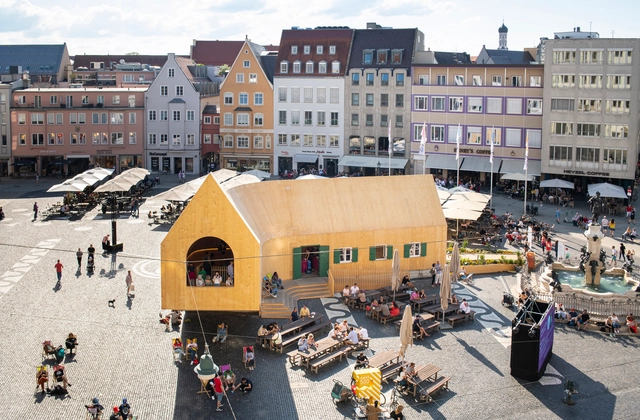
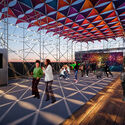
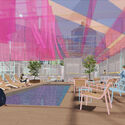
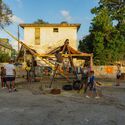
The winners of the reSITE's Young Designers Open Call have been announced. The open call has invited emerging designers to envision a playful yet functional summer installation for Manifesto Market, a popular outdoor venue in Prague known for its blend of food, culture, and community. Out of 275 registered teams worldwide, 57 submitted their proposals in line with the competition guidelines. On April 11, 2025, ten shortlisted designs were presented to an international jury during a hybrid event in Prague, with participants joining both on-site and remotely from countries including Ethiopia, Ecuador, the United States, Mexico, Turkey, France, Belarus, Georgia, and New Zealand.
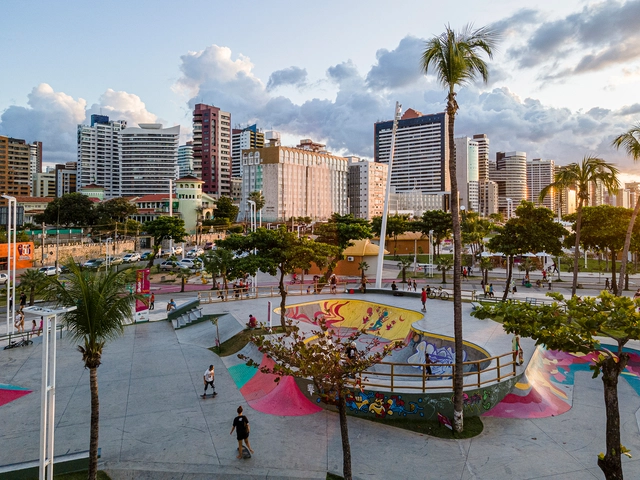
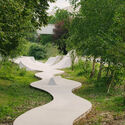
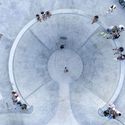
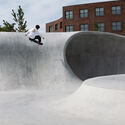
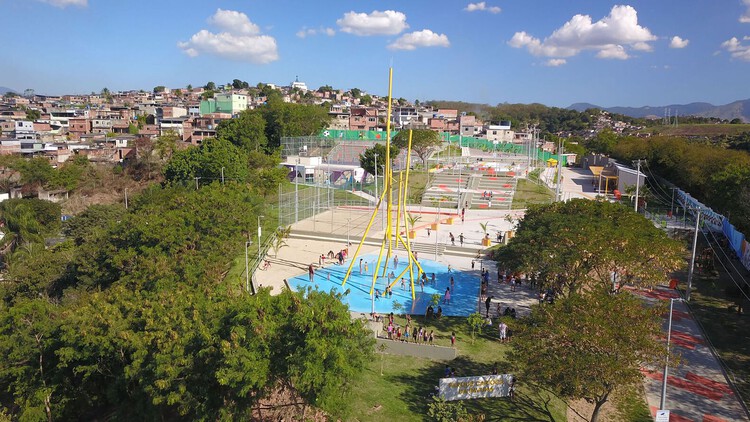
How is it possible to achieve emotional well-being in public spaces? What role do public spaces play in promoting urban well-being? Considering that sports practices can be a vital component in creating healthy public spaces, skateboarding, one of the most globally recognized urban activities, offers an alternative for building opportunities for the physical, recreational, social, cultural, and even professional development of multiple generations.
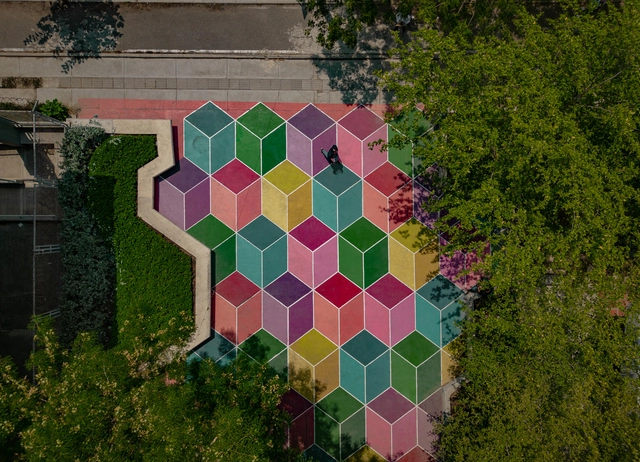
Public spaces are more than just physical voids in the urban fabric—they are stages for social interaction, cultural expression, and collective memory. In times of social fragmentation and environmental stress, these spaces can serve as catalysts for healing, offering safe environments where communities can reconnect. Through thoughtful design and participatory processes, public space interventions can rebuild trust, promote mental well-being, and foster a renewed sense of belonging among community members.
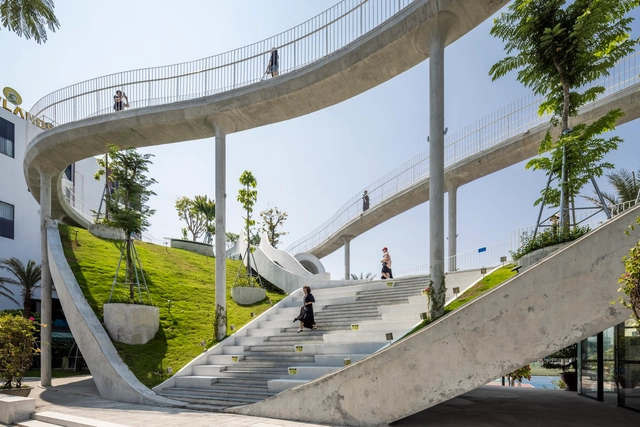
In contemporary urban development, the concept of Privately Owned Public Space (POPS) has gained increasing prominence. These are spaces that, while built, owned, and maintained by private developers, are legally required to remain publicly accessible. Often the result of negotiated planning incentives—such as zoning bonuses or increased floor area—POPS have become especially prevalent in dense urban environments where land is limited and demand for public amenities is high.
The modern world is disconnected. Online interactions dominate the daily lives of people across the world. This shift is not just a result of the rise of the internet, but also a stark reflection of the decline of public spaces, particularly third places. Third places, once essential for promoting community and social cohesion, have evolved drastically over the past few decades. In today's commercialized landscape, third places face plenty of demands from users and designers alike, calling for a need to reconsider their accessibility and purpose.
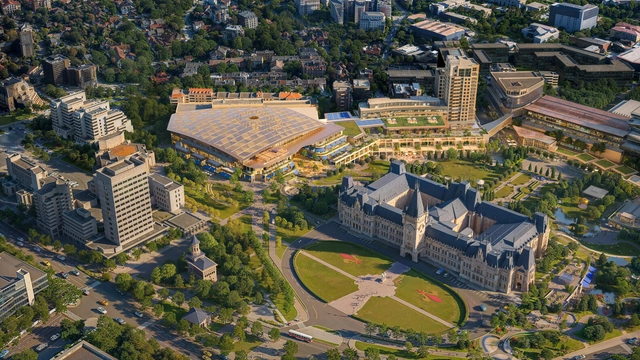
Foster + Partners has just released the design for the redevelopment of Palas Iași, a major mixed-use development in Iași, a city in eastern Romania. The proposal includes a new masterplan centered around the historic Palace of Culture and aims to improve urban connectivity, enhance public green spaces, and upgrade the existing commercial infrastructure. Developed in collaboration with Romanian developer IULIUS, the project aims to bring together retail, cultural, and landscape elements within a unified and accessible framework.
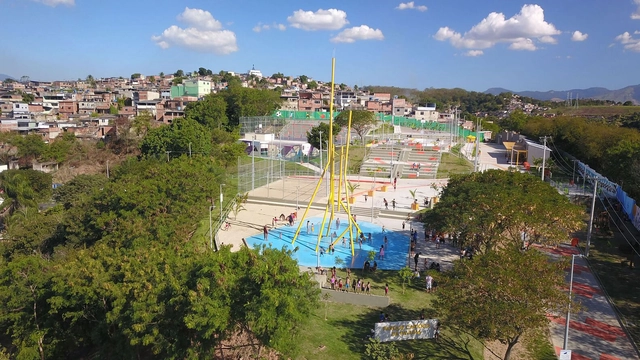
What urban and social transformations do our cities require today? How can urban planning and design contribute to improving the experience of their inhabitants in urban spaces? As Andreea Cutieru explains, urban acupuncture refers to the improvement of social and urban issues through precise interventions capable of revitalizing specific areas of cities and consolidating urban planning strategies. The +VIDA program represents a comprehensive strategy for urban and social transformation in territories, strategically focused on vulnerable populations in the Colombian Caribbean. It encourages the collective construction of cities through the exchange of knowledge, intelligence, and expertise, with the aim of transforming the habitat in an integrated manner.
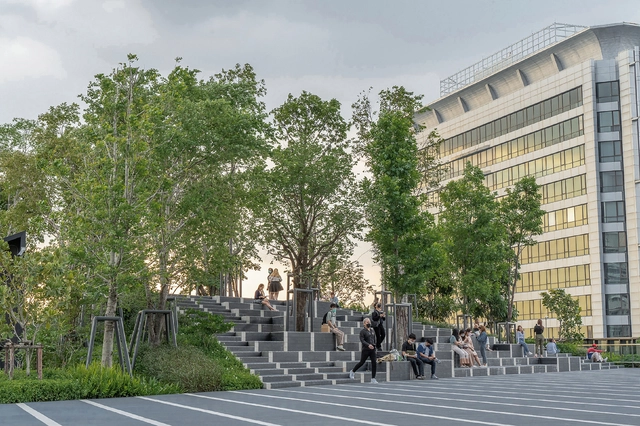
What is our vision of public spaces from the past? Consider, for instance, a park—arguably the most iconic example of this typology. It is an environment designed with winding paths and rest areas, where we often find tables and fixed benches, positioned along the way. Its design prioritizes permanence and contemplation. But when we turn to the present, how do we envision it now? Indeed, the traditional concept of public space has not disappeared entirely. However, our way of interacting with it has changed, driven by the need for flexibility in ever-changing environments. This shift has sparked the exploration of new design approaches. As a result, modular seating systems have become a dynamic field of experimentation, continuously adapting to changing uses and perceptions.
https://www.archdaily.com/1027386/are-modular-seating-systems-redefining-our-perception-of-public-spacesEnrique Tovar
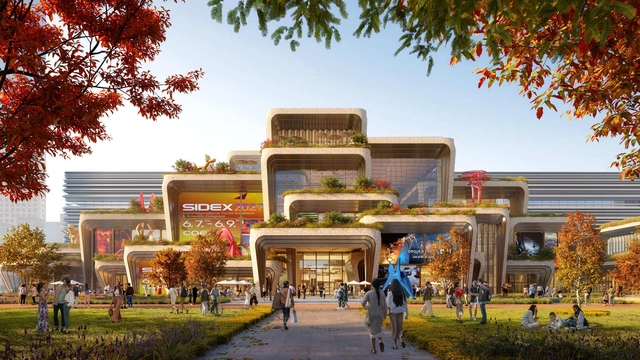
Heatherwick Studio has been selected to lead the redesign of the Coex Convention Centre in Seoul, following a competition aimed at reimagining the building's purpose and facade. In collaboration with the Korea International Trade Association (KITA), the studio's proposal seeks to transform the convention centre into a more open and inviting public space that reflects Seoul's evolving identity.
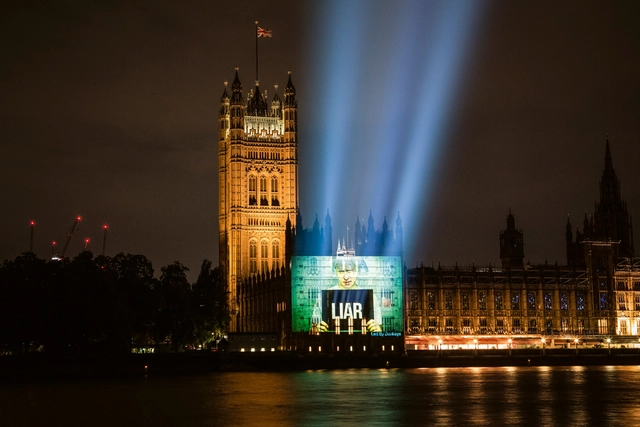
The creative fusion of art and activism in urban spaces has propelled the British collective Led by Donkeys into the spotlight, garnering millions of views for their interventions on social media. Their critical visual occupations - whether billboard messages during the day or large-scale projections at night - raise a compelling question: which medium holds the greater persuasive power? The book "Led by Donkeys: Adventures in Art, Activism and Accountability" offers a deep dive into their conceptual approach, charting their rapid evolution over six years. What began as a London-based response to Brexit has expanded into a global critique of political hypocrisy, addressing issues in Europe, the Middle East, and America. For Peter Weibel, former director of the ZKM Center for Art and Media in Karlsruhe, Germany, the innovative fusion of activism and art—or "Artivism"—represents the first new art form of the 21st century. Years of experience in environmental activism provided the group with crucial insights into the mechanics of political communication, the organization of public interventions, and the challenges of achieving meaningful societal change.