1. ArchDaily
  2. public bath

public bath: The Latest Architecture and News

Icelandic Pavilion Explores Bathing Culture as Civic Infrastructure at the 2027 Venice Architecture Biennale

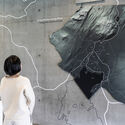
The Icelandic Pavilion at the 20th International Architecture Exhibition – La Biennale di Venezia will present SOAK: Rituals of Collective Belonging, an exhibition examining Iceland's bathing culture through the lens of architecture, public space, and social interaction. Commissioned by Halla Helgadóttir, Iceland Design and Architecture, the project is curated by Marcos Zotes, partner at Basalt Architects, and developed through a multidisciplinary collaboration between Basalt Architects, design studio Gagarin, and artist Rán Flygenring. SOAK marks the second Icelandic participation in the Architecture Biennale selected through an open call process, following Lavaforming by s.ap architects, which represented Iceland at the 2025 edition.


Icelandic Pavilion Explores Bathing Culture as Civic Infrastructure at the 2027 Venice Architecture Biennale - Image 1 of 4Icelandic Pavilion Explores Bathing Culture as Civic Infrastructure at the 2027 Venice Architecture Biennale - Image 2 of 4Icelandic Pavilion Explores Bathing Culture as Civic Infrastructure at the 2027 Venice Architecture Biennale - Image 3 of 4Icelandic Pavilion Explores Bathing Culture as Civic Infrastructure at the 2027 Venice Architecture Biennale - Image 4 of 4Icelandic Pavilion Explores Bathing Culture as Civic Infrastructure at the 2027 Venice Architecture Biennale - More Images+ 3

Public Pools as Public Spaces: The Role of Swimming and Bathing in Cities

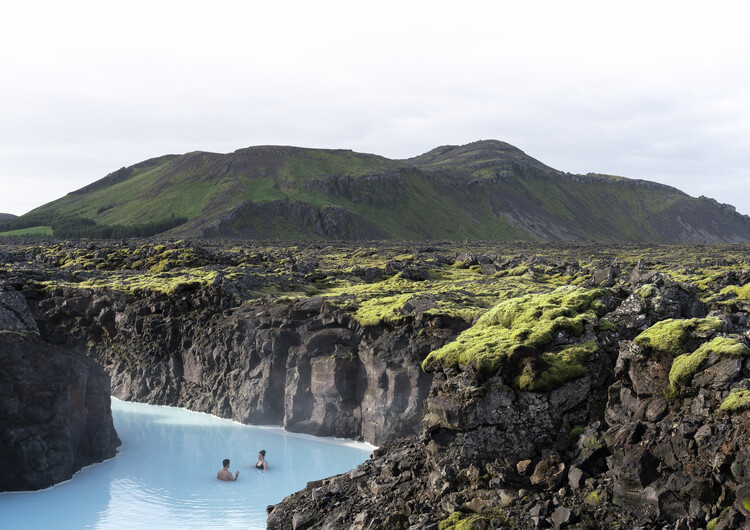
When one thinks of public spaces, the image of a pool rarely comes to mind. Public spaces are the center of civic life, places where most interactions, activities, and behaviors follow strict social and cultural norms to ensure the safety and comfort of all users. In contrast, swimming and bathing represent something more intimate and primordial, a sensorial experience distinct from any other. In addition to the health benefits, the act of floating in space creates a break from everyday life and its constraints.

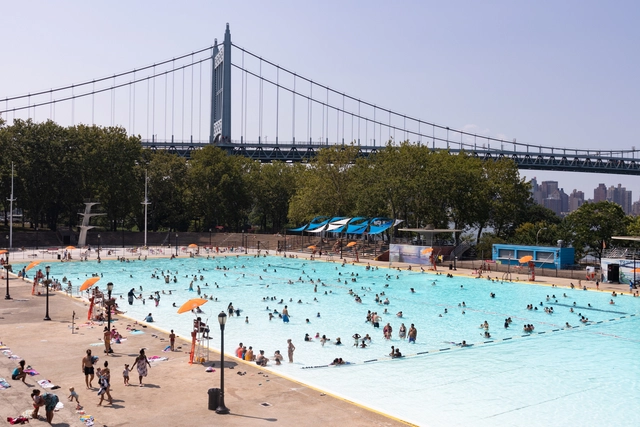
As social spaces, public baths, and pools offer an even more unusual experience. Here, regular conduct rules and norms no longer apply. Social nudity becomes the new norm, and, as people strip off their clothes, they also lose their status markers, transforming the pool into an egalitarian oasis. Across history, these often-discredited spaces offered a heightened social experience, fostering connections and bringing a new element to dense urban environments. As a typology present since antiquity, public baths and pools have also been a disputed space, as a manifestation of difficult topics such as gender and racial segregation, gentrification, and surveillance in contrast to the freedom they promise.

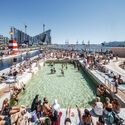
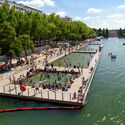
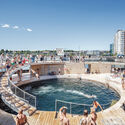
Public Pools as Public Spaces: The Role of Swimming and Bathing in Cities - Image 1 of 4Public Pools as Public Spaces: The Role of Swimming and Bathing in Cities - Image 2 of 4Public Pools as Public Spaces: The Role of Swimming and Bathing in Cities - Image 3 of 4Public Pools as Public Spaces: The Role of Swimming and Bathing in Cities - Image 4 of 4Public Pools as Public Spaces: The Role of Swimming and Bathing in Cities - More Images+ 13

The Evolution of Public Bathhouses: From Necessity to Experience

Subscriber Access | 

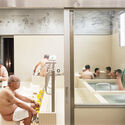
Historically, public bathing was a fundamental necessity for hygiene, giving rise to communal bathhouses in regions where private bathrooms were a rarity. In Japan, for instance, sento bathhouses emerged during the early Edo period, serving as essential facilities when most households lacked their own bathing spaces. Similarly, in other parts of the world where plumbing and water management were considered luxuries, shared public baths became vital components of urban life. Over time, these spaces evolved beyond their functional role, becoming venues for socializing, relaxation, and a temporary escape from daily routines.

However, in the modern era, private bathrooms have become ubiquitous in contemporary homes, effectively addressing the hygiene concerns that once made public bathhouses indispensable. With the rise of alternative social spaces—cafés, fitness centers, bars, and jazz lounges—the traditional communal bath no longer serves the same essential function. While some may still appreciate the social aspect of public bathing, the inconvenience of changing clothes and getting wet in front of strangers can deter many from engaging in the experience.

The Evolution of Public Bathhouses: From Necessity to Experience - Image 1 of 4The Evolution of Public Bathhouses: From Necessity to Experience - Image 2 of 4The Evolution of Public Bathhouses: From Necessity to Experience - Image 3 of 4The Evolution of Public Bathhouses: From Necessity to Experience - Image 4 of 4The Evolution of Public Bathhouses: From Necessity to Experience - More Images+ 29

Public Restrooms: 15 Projects That Provide Functionality and Comfort in Urban Environments

Subscriber Access | 

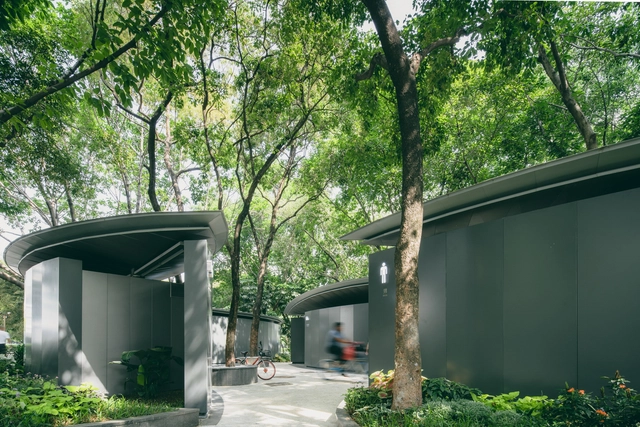
Contemporary city life demands increasing amounts of infrastructure to meet everyday needs, ranging from parks and efficient transportation to the incorporation of public restroom facilities. However, these spaces often come with discomforts, including lack of accessibility, absence of privacy, and poor cleanliness. Recognizing these issues, various architects have taken on the challenge of transforming these spaces into functional and pleasant environments, experimenting with innovative proposals to address these needs.

 Public Restrooms: 15 Projects That Provide Functionality and Comfort in Urban Environments - Image 1 of 4 Public Restrooms: 15 Projects That Provide Functionality and Comfort in Urban Environments - Image 2 of 4 Public Restrooms: 15 Projects That Provide Functionality and Comfort in Urban Environments - Image 3 of 4 Public Restrooms: 15 Projects That Provide Functionality and Comfort in Urban Environments - Image 4 of 4 Public Restrooms: 15 Projects That Provide Functionality and Comfort in Urban Environments - More Images+ 11

Fortyseven Thermal Wellness Spa: A Contemporary Sanctuary Designed by Mario Botta and Captured by Paul Clemence

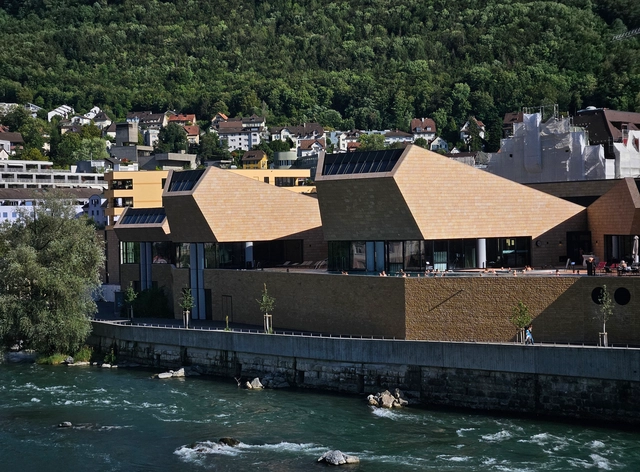
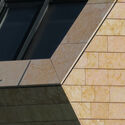
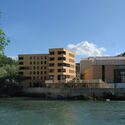
Fortyseven is a novel thermal wellness spa designed by the architect Mario Botta, nestled alongside the Limmat River in Baden, Switzerland. Baden, renowned for its rich cultural and wellness offerings, boasts a spa heritage that extends over thousands of years. The Fortyseven Thermal Wellness Spa has revitalized this historical legacy by presenting wellness culture through a modern lens. Designed by Mario Botta, this project offers an immersive encounter for the body, mind, and soul. The essence of the site and its design is captured by the lens of architectural photographer Paul Clemence, in his latest series.

Fortyseven Thermal Wellness Spa: A Contemporary Sanctuary Designed by Mario Botta and Captured by Paul Clemence - Image 1 of 4Fortyseven Thermal Wellness Spa: A Contemporary Sanctuary Designed by Mario Botta and Captured by Paul Clemence - Image 2 of 4Fortyseven Thermal Wellness Spa: A Contemporary Sanctuary Designed by Mario Botta and Captured by Paul Clemence - Image 3 of 4Fortyseven Thermal Wellness Spa: A Contemporary Sanctuary Designed by Mario Botta and Captured by Paul Clemence - Image 5 of 4Fortyseven Thermal Wellness Spa: A Contemporary Sanctuary Designed by Mario Botta and Captured by Paul Clemence - More Images+ 13

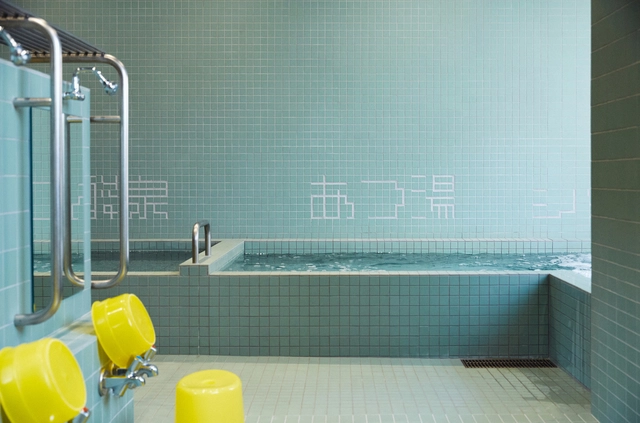
Komaeyu Public Bathhouse / Schemata Architects + Jo Nagasaka

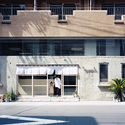
Komaeyu Public Bathhouse / Schemata Architects + Jo Nagasaka - Drawings, Bath House, FacadeKomaeyu Public Bathhouse / Schemata Architects + Jo Nagasaka - Interior Photography, Bath House, Door, SinkKomaeyu Public Bathhouse / Schemata Architects + Jo Nagasaka - Bath HouseKomaeyu Public Bathhouse / Schemata Architects + Jo Nagasaka - Interior Photography, Bath House, FacadeKomaeyu Public Bathhouse / Schemata Architects + Jo Nagasaka - More Images+ 20

Komae, Japan

Koganeyu / Schemata Architects

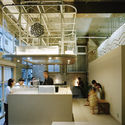
Koganeyu / Schemata Architects - Interior Photography, Wellness Interiors, Kitchen, ChairKoganeyu / Schemata Architects - Interior Photography, Wellness Interiors, Facade, Beam, DoorKoganeyu / Schemata Architects - Interior Photography, Wellness Interiors, Kitchen, Door, ChairKoganeyu / Schemata Architects - Exterior Photography, Wellness Interiors, FacadeKoganeyu / Schemata Architects - More Images+ 26

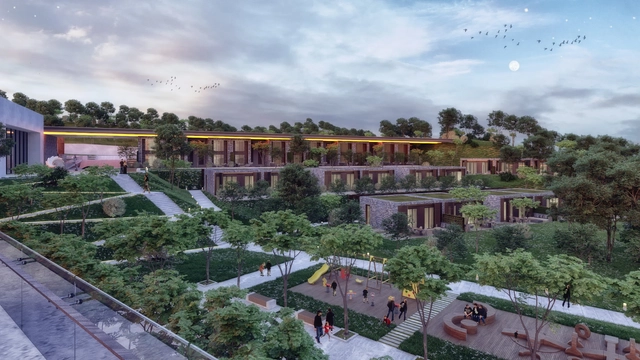
Conceptual Thermal Facilities Imagined by Studio Vertebra

Tokat Sulusaray Thermal Facilities designed by the Istanbul-based office Studio Vertebra commemorates the region’s historical background and enhances the touristic aspect. In harmony with the natural and archeological landscape, the project aims to regenerate the city.

Water and Wellbeing: Projects that Explore the Potential of Public Baths and Pools

Subscriber Access | 

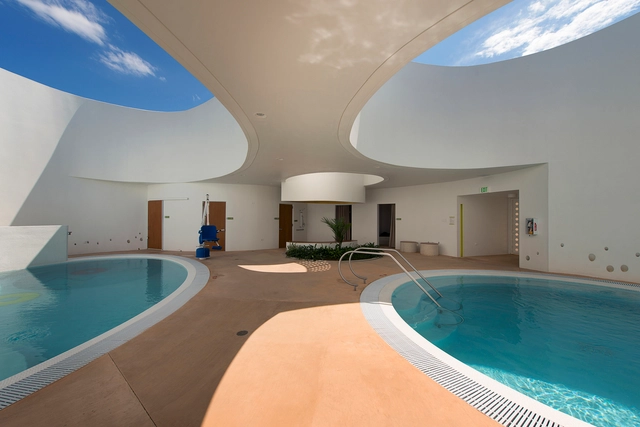
There is something about water that continually captures our imagination. Tranquil, dramatic, or ever-changing, the architecture of public baths and swimming pools can enhance the inherent qualities of water. Bathhouses were traditionally meeting-spaces where social differences bled away into skin and steam. Even in contemporary architectural projects, spaces for swimming and bathing often feel like a separate world, therapeutic and intimate.
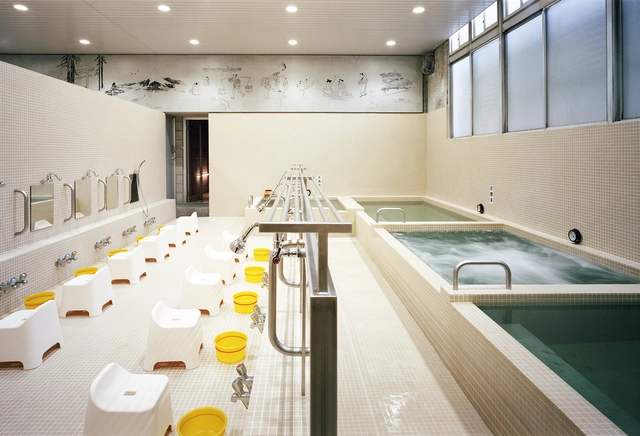
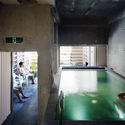
Below are 12 projects that display stunning spaces for communal bathing and swimming.

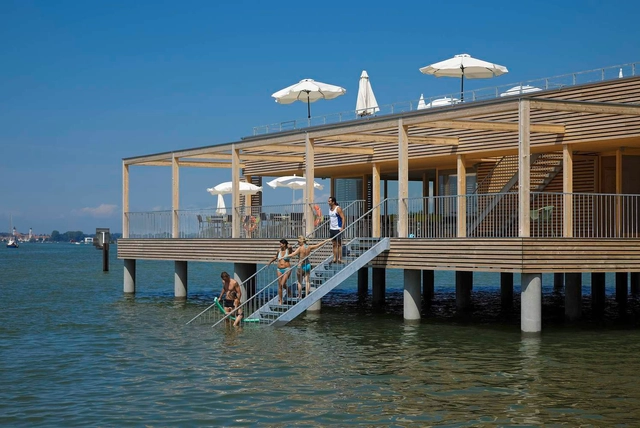
Water and Wellbeing: Projects that Explore the Potential of Public Baths and Pools - Image 4 of 4Water and Wellbeing: Projects that Explore the Potential of Public Baths and Pools - Image 5 of 4Water and Wellbeing: Projects that Explore the Potential of Public Baths and Pools - Image 7 of 4Water and Wellbeing: Projects that Explore the Potential of Public Baths and Pools - Image 11 of 4Water and Wellbeing: Projects that Explore the Potential of Public Baths and Pools - More Images+ 7