1. ArchDaily
  2. Protests

Protests: The Latest Architecture and News

Art, Activism, and the City: Illuminating Social Change

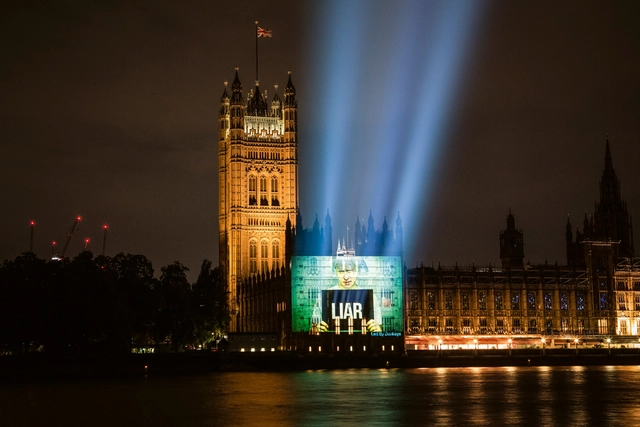
The creative fusion of art and activism in urban spaces has propelled the British collective Led by Donkeys into the spotlight, garnering millions of views for their interventions on social media. Their critical visual occupations - whether billboard messages during the day or large-scale projections at night - raise a compelling question: which medium holds the greater persuasive power? The book "Led by Donkeys: Adventures in Art, Activism and Accountability" offers a deep dive into their conceptual approach, charting their rapid evolution over six years. What began as a London-based response to Brexit has expanded into a global critique of political hypocrisy, addressing issues in Europe, the Middle East, and America. For Peter Weibel, former director of the ZKM Center for Art and Media in Karlsruhe, Germany, the innovative fusion of activism and art—or "Artivism"—represents the first new art form of the 21st century. Years of experience in environmental activism provided the group with crucial insights into the mechanics of political communication, the organization of public interventions, and the challenges of achieving meaningful societal change.

Art, Activism, and the City: Illuminating Social Change - Image 1 of 4Art, Activism, and the City: Illuminating Social Change - Image 2 of 4Art, Activism, and the City: Illuminating Social Change - Image 3 of 4Art, Activism, and the City: Illuminating Social Change - Image 4 of 4Art, Activism, and the City: Illuminating Social Change - More Images+ 1

The Role of Urban Spaces in Shaping Movements: 7 Sites of Resistance and Protest Across the USA

Subscriber Access | 

Protests, civil disobedience, and dissent are not only a defining part of our shared history since the colonial era, they also continue to the present day on campuses, at political conventions, and elsewhere. In this context, some historic marches, sit-ins, and other actions are enshrined in our collective narrative, while others have faded from memory; however, the cultural landscapes that served as stages where these events occurred still exist. These places are the focus of Landslide 2024: Demonstration Grounds and a portal for re-engaging with the stories of little-known or even forgotten events that were pivotal in USA history. The thirteen different sites across the country, represented in the new report and digital exhibition from The Cultural Landscape Foundation (TCLF), touch on events that shaped individuals and sparked movements.

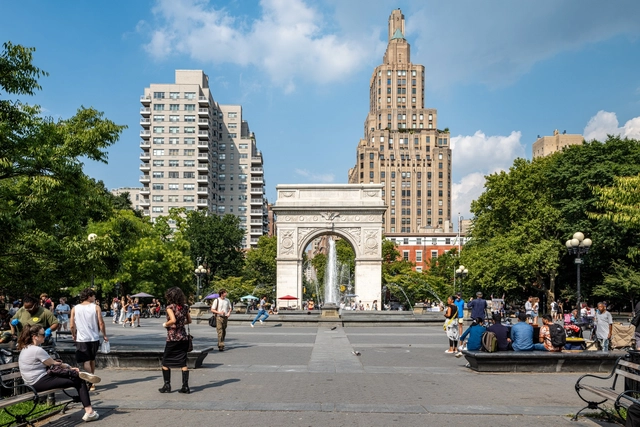
The Role of Urban Spaces in Shaping Movements: 7 Sites of Resistance and Protest Across the USA - Image 1 of 4The Role of Urban Spaces in Shaping Movements: 7 Sites of Resistance and Protest Across the USA - Image 2 of 4The Role of Urban Spaces in Shaping Movements: 7 Sites of Resistance and Protest Across the USA - Image 3 of 4The Role of Urban Spaces in Shaping Movements: 7 Sites of Resistance and Protest Across the USA - Image 4 of 4The Role of Urban Spaces in Shaping Movements: 7 Sites of Resistance and Protest Across the USA - More Images+ 14

Places of Protest in Africa: Public Spaces for Engaging & Fostering Democracy

Subscriber Access | 

Protest has always been a powerful tool for creating change, and public spaces provide a platform for social engagement in societies. As part of the International Day of Democracy, we examine Africa, its series of emerging protests in the past year, and how citizens in various countries question political justice, demand better living standards from their government, and interrogate their nation’s sovereignty. With demonstrations ranging from organized large-scale marches to smaller spontaneous outbursts, residents of these countries have explored public spaces in symbolic and significant ways to amplify their voices. These spaces include public squares with cultural and historical meaning, sites of political buildings, or makeshift protest areas such as roads and open areas. Through this, African cities show how people make these spaces their own and how the power of their conglomeration cannot be ignored in unwrapping the democratic essence of public spaces.

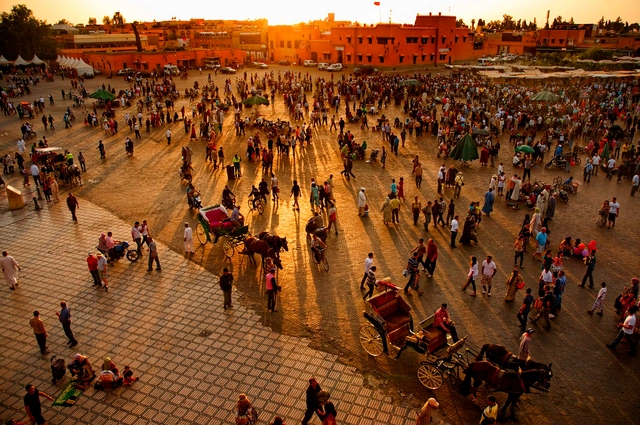
Places of Protest in Africa: Public Spaces for Engaging & Fostering Democracy - Image 1 of 4Places of Protest in Africa: Public Spaces for Engaging & Fostering Democracy - Image 2 of 4Places of Protest in Africa: Public Spaces for Engaging & Fostering Democracy - Image 3 of 4Places of Protest in Africa: Public Spaces for Engaging & Fostering Democracy - Image 4 of 4Places of Protest in Africa: Public Spaces for Engaging & Fostering Democracy - More Images+ 6

Words on the Street: Art, Architecture, and the Public Protest

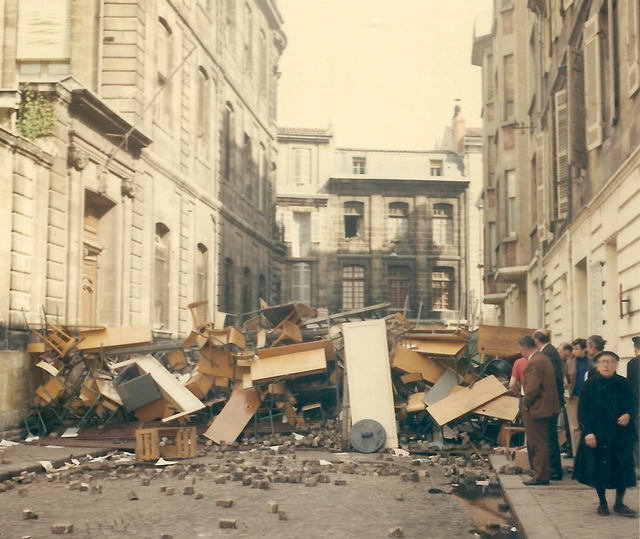
This article was originally published as "What Marchers Today Can Learn from the May 1968 Protests in Paris" on CommonEdge in May 2018. In the 50 years since the historic and worldwide protests of 1968, much has changed. But today's political climate seems equally volatile, with seismic changes threatening social and political establishments across the globe. Lessons from the past are, to borrow the phrase of the moment, more relevant than ever.

American friends recently sent an email: “What’s going on with the French political system? Why all the strikes? What about the endless protest marches? We’d like to visit you in Paris, but we’re a little wary.”