1. ArchDaily
  2. Product

Product: The Latest Architecture and News

Coffee or Tea: Third Places, Kiosks, and the Retail Architecture of Duration

Subscriber Access | 

"Coffee or tea?" is one of those phrases that follows you across contexts: asked on airplanes, after a meal, in hotel lounges, and in meeting rooms. It sounds like a small question—mere preference, a quick fork in the service script. Yet it also carries a quiet cultural inheritance. Tea arrives with the long history of ritual and domestic pacing, tied to older geographies of trade and everyday etiquette. Coffee arrives with a different lineage of circulation, later industrialized into the modern café and its public-facing rituals. In both cases, the drink is never only a drink; it is a practiced relationship to time and space.

In contemporary East Asia, however, "coffee or tea" increasingly reads as something else: imperceptibly or subconsciously, it is becoming more of a choice about where you want to be. Each beverage now carries a spatial expectation. Coffee implies a room you can occupy—often a place to pause, work, meet, or cool down. Tea, despite being culturally pervasive, appears more diffusely across the city—sometimes as a dedicated destination, sometimes as a high-frequency kiosk, and very often as an embedded default within dining typologies. The result is that a question posed as taste has begun to operate as a subtle indicator of spatial preference: whether you are seeking duration or velocity, enclosure or flow, a third place or a quick node on the street.

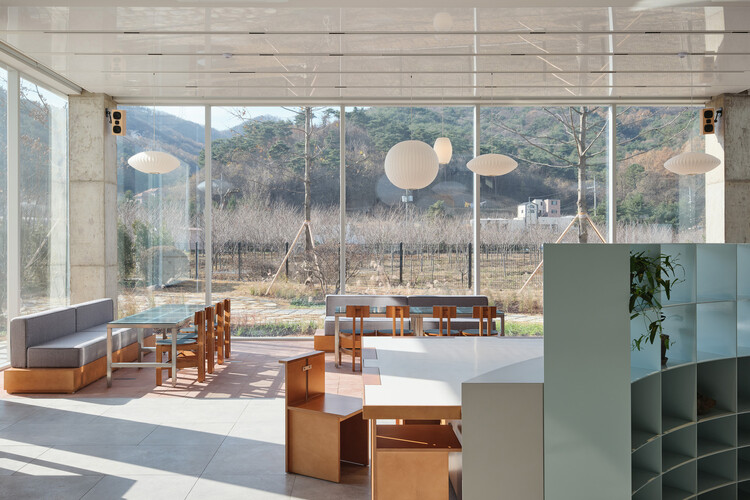
Coffee or Tea: Third Places, Kiosks, and the Retail Architecture of Duration  - Image 1 of 4Coffee or Tea: Third Places, Kiosks, and the Retail Architecture of Duration  - Image 2 of 4Coffee or Tea: Third Places, Kiosks, and the Retail Architecture of Duration  - Image 3 of 4Coffee or Tea: Third Places, Kiosks, and the Retail Architecture of Duration  - Image 4 of 4Coffee or Tea: Third Places, Kiosks, and the Retail Architecture of Duration  - More Images+ 28

Will Cold Plasma Hand Dryers Become the New Gold Standard in Bathroom Hygiene?

 | Sponsored Content

In the pursuit of cleaner, safer public restrooms, hand dryers have long faced a unique challenge: how to effectively kill germs in fast-moving air. Traditional germicidal technologies—like UV lights and ionizers— struggle to deliver meaningful impact because they only have milliseconds to interact with airborne microbes. Cold plasma technology is emerging as a new contender that could redefine hygiene standards.

Meet the 75 Finalists of the ArchDaily 2025 Building of the Year Awards

After two weeks of open voting in the 16th edition of the Building of the Year Awards, our readers have meticulously narrowed down a pool of almost 4,000 projects to a select group of 75 finalists spanning 15 categories. This year's awards honor the pinnacle of design, innovation, and sustainability on a global scale, showcasing an exceptional range of projects within the shortlist. As a crowdsourced award, we take pride in affirming that your selections authentically mirror the current state of architecture, and the caliber of this year's finalists further underscores the excellence and diversity prevalent in the field.

Fittings for High Demands: Showers Designed for Modern Living

 | Sponsored Content

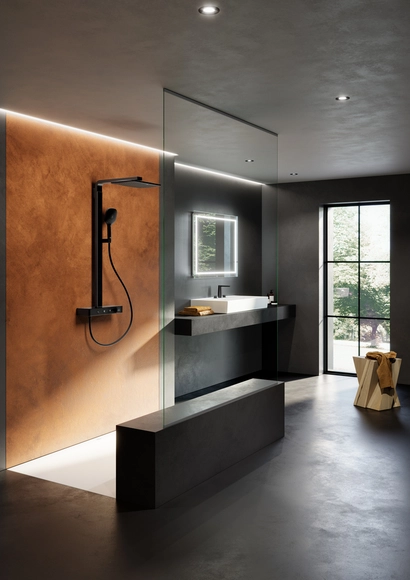
In addition to elegantly designed ceramics, stylish furniture and practical accessories, Villeroy & Boch's bathroom range also includes elegant fittings. As with all the company's products, the extensive range offers durable quality and reliable functionality, ensuring long-lasting usability through high-quality materials and meticulous craftsmanship. Furthermore, the fittings are perfectly coordinated with the company's own bathroom collections in terms of design and functionality, with the Top-Together label, as presented by Villeroy & Boch, showcasing particularly harmonious combinations for architects and bathroom planners. A total of 13 fitting collections are available, offering a wide range of styles, sizes and shapes.

Call for Submissions: Design Educates Awards 2022

The Design Educates Awards (DEAwards) recognize, showcase, and promote globally the best educational ideas and implementations of architecture and design. Design itself may provide an informative and educational layer that guides us through the increasing complexity of our environment. It can highlight specific possibilities and challenges, explain sociocultural factors and influences, or even outline new scenarios for future development. Each year, the esteemed panel of judges selects outstanding ideas and implementations in the categories of architectural design, product design, universal design, and responsive design.

Call for Entries: Design Educates Awards 2021

The Design Educates Awards recognize, showcase, and promote globally the best ideas and implementations of architecture and design that can educate. The design itself may provide an informative and educational layer that guides us through the increasing complexity of our environment. The objects in our surroundings can communicate important values and guide us through desirable, positive practices.

Trees Trees Trees! Design Competition

As you may know, things aren't going too well for mother earth. With challenges like deforestation, fires, pollution, and even methane from cows we are facing an uphill battle against climate change.

Zaha Hadid Architects Reveal Twisting Steel Billboard in West London

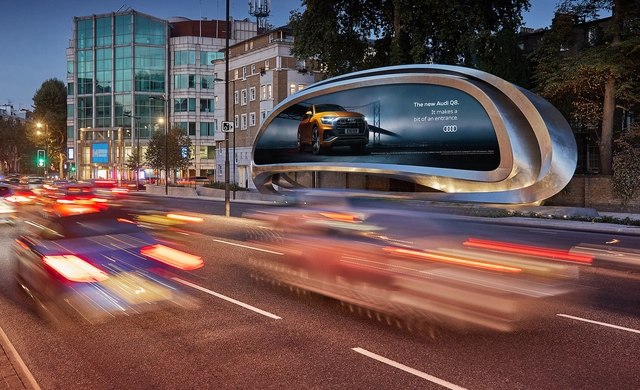
Zaha Hadid Architects have released images of their latest project, a sculptural billboard named for its location in Kensington, London. The project, a collaboration between the late Zaha Hadid and partner Patrik Schumacher, marks the firm’s first direct foray into advertising.