History has often been taught in a linear way. This way of teaching has often left out grand historical narratives, and focused primarily on the occidental world.

History has often been taught in a linear way. This way of teaching has often left out grand historical narratives, and focused primarily on the occidental world.

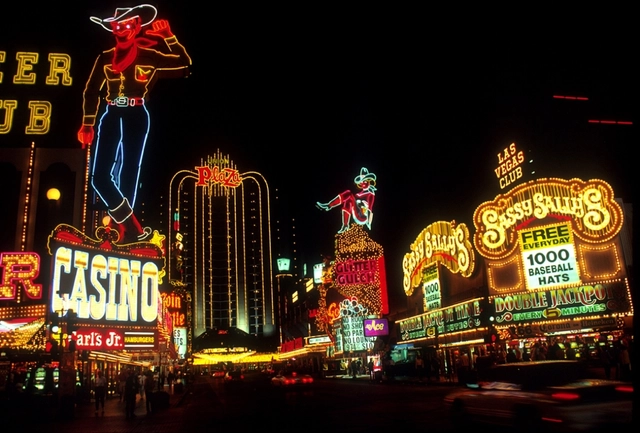
Which building is better, the duck or the ornamented shed? More importantly, what kind of architecture does the average American prefer? In their landmark 1972 publication Learning From Las Vegas, Denise Scott Brown and Robert Venturi probed these questions by turning their back on paternalistic modernism in favor of the glowing, overtly kitsch, and symbolic Mecca of the Las Vegas strip. From a chance encounter during a meeting in the Library of Fine Arts at the University of Pennsylvania and shared trips to the strip to critically shaping a new generation of architects, discover the hidden details of the romance and city that defined postmodernism in this latest episode from 99% Invisible.
po·mo·stroika – Postmodern Theories, Practices and Histories in Central and Eastern Europe is a two-day event series in 17-19 May 2018, offering opportunity for both professional researchers, architecture enthusiasts and architects to present their work, and international audience to find out more about how the postmodern phenomena shaped our cities, society and consciousness.
The main aim of the program is to create a forum and provide a platform for starting new discussions and breaking the mental barriers behind which the amazing heritage of this era and region is still hidden. Besides the 20-30 minutes long presentations, the event will be enhanced by film screening, workshops and other programmes.
The event is organized by the Budapest-based Translations of Modernism (Transmodern) collective in partnership with the Collegium Hungaricum Berlin.

We were hoping for it to happen in the early 2000s. We saw it coming with the opening of the exhibition “Postmodernism: Style and Subversion, 1970 – 1990” at the V&A in London in 2011. But now, after recent discussions on the umpteenth supposed “postmodern revival,” it is finally sure: the word “postmodernism” is back and it’s here to stay. But as clear as it is that the word “postmodernism” is once again fashionable, it is not really clear what we mean when using it. Indeed, this word has been used to imply every possible meaning: architects have used it to describe fashionable and “cute” designs, some critics have used it to categorize everything that is colorful, while some theorists have been using it to affirm that, because of this concept, architecture has surrendered to technology or form, becoming nothing more than a caricature of its own presupposed moral values.
Whether we agree with such commentaries or not, there is one thing that we still need to discuss: what does “postmodern” mean? And, even more urgently: what could it mean today? After all, if we have to deal once again with one of the most misinterpreted and contradictory words ever introduced in our field, we should at least discuss what it means, before using it.

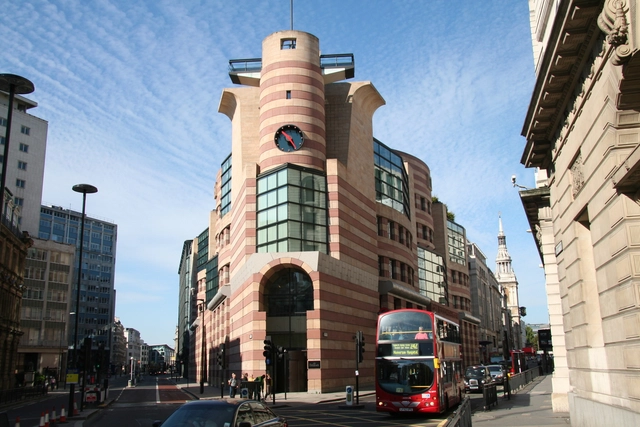
After being saved from a major renovation that would have eliminated its iconic Postmodern facade, James Stirling’s No 1 Poultry building is now receiving a gentler retrofit that will upgrade its spaces to house 110,000-square-feet of contemporary office space.
Fitting right in with the update, coworking giant WeWork has now been announced as the building’s first tenant, and the company has revealed some details of how the building will work for its users.