1. ArchDaily
  2. Pompidou Metz

Pompidou Metz: The Latest Architecture and News

Louvres Around the World: The Export of Museums and Architecture as a Global Brand

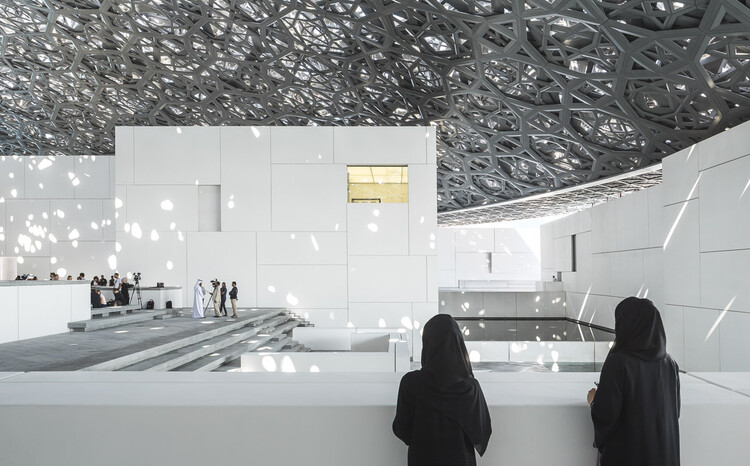
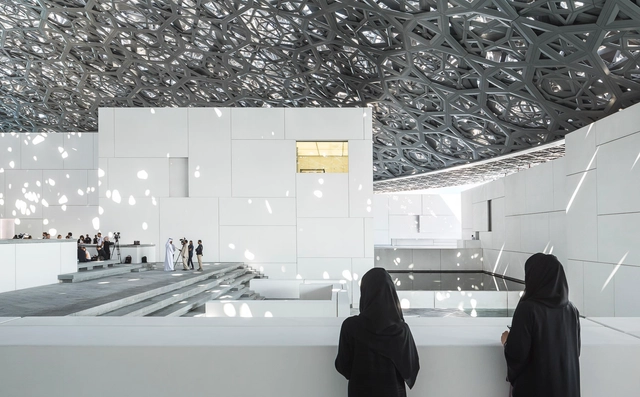
It is undeniable that, at first glance, the idea of a Louvre in Abu Dhabi or a Centre Pompidou in Brazil may seem somewhat disconcerting. The image of these museums, internationally renowned, appears in many ways inseparable from their original cultural contexts. And to some extent, it truly is. The Louvre, deeply rooted in the history of France as a former fortress and later royal residence, embodies a set of invaluable heritage values, further amplified by I. M. Pei’s iconic glass pyramid intervention in 1989. The Pompidou, meanwhile, is remembered as a historic turning point: by redefining the concept of public infrastructure through radically unconventional architecture, it marked the first time culture drew in mass audiences.
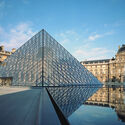
Louvres Around the World: The Export of Museums and Architecture as a Global Brand - Image 1 of 4Louvres Around the World: The Export of Museums and Architecture as a Global Brand - Image 2 of 4Louvres Around the World: The Export of Museums and Architecture as a Global Brand - Image 3 of 4Louvres Around the World: The Export of Museums and Architecture as a Global Brand - Image 4 of 4Louvres Around the World: The Export of Museums and Architecture as a Global Brand - More Images+ 8

The Architecture of Pompidou Metz: An Excerpt from "The Architecture of Art Museums – A Decade of Design: 2000 – 2010"

Subscriber Access | 
The Architecture of Pompidou Metz: An Excerpt from "The Architecture of Art Museums – A Decade of Design: 2000 – 2010" - Image 5 of 4
© Didier Boy De La Tour

In honor of International Museum Day, we're taking a look back at the 21st century's most exciting museums. The following is an excerpt from the recently released book, The Architecture of Art Museums – A Decade of Design: 2000 – 2010 (Routledge) by Ronnie Self, a Houston-based architect. Each chapter of the book provides technical, comprehensive coverage of a particular influential art museum. In total, eighteen of the most important art museums of the early twenty-first century - including works from Tadao Ando, Herzog & de Meuron, SANAA, Steven Holl, and many other high-profile architects - are explored. The following is a condensed version of the chapter detailing Shigeru Ban and Jean de Gastines' 2010 classic, Centre Pompidou-Metz.

The Pompidou Center – Metz was a first experiment in French cultural decentralization. In the late 1990’s, with the prospect of closing Piano and Roger’s building in Paris for renovations, the question arose of how to maintain some of the 60,000 works in the collection of the National Museum of Modern Art available for public viewing. A concept of “hors les murs” or “beyond the walls” was developed to exhibit works in other French cities. The temporary closing of the Pompidou Center – Paris spurred reflections on ways to present the national collection to a wider audience in general. Eventually a second Pompidou Center in another French city was imagined.

The Architecture of Pompidou Metz: An Excerpt from "The Architecture of Art Museums – A Decade of Design: 2000 – 2010" - Image 1 of 4The Architecture of Pompidou Metz: An Excerpt from "The Architecture of Art Museums – A Decade of Design: 2000 – 2010" - Image 2 of 4The Architecture of Pompidou Metz: An Excerpt from "The Architecture of Art Museums – A Decade of Design: 2000 – 2010" - Featured ImageThe Architecture of Pompidou Metz: An Excerpt from "The Architecture of Art Museums – A Decade of Design: 2000 – 2010" - Image 3 of 4The Architecture of Pompidou Metz: An Excerpt from The Architecture of Art Museums – A Decade of Design: 2000 – 2010 - More Images+ 6