1. ArchDaily
  2. Photogrammetry

Photogrammetry: The Latest Architecture and News

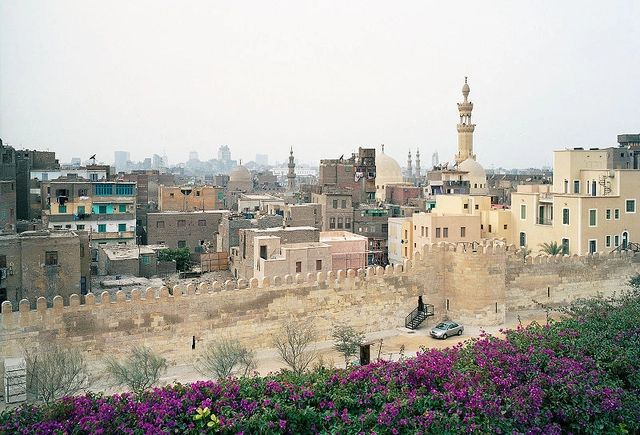
Deir ez-Zor: Raising Hope Through Heritage Documentation

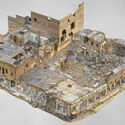
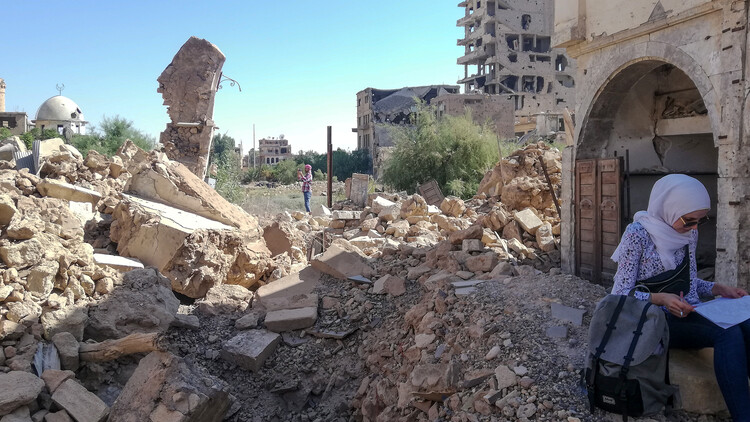
The historic city of Deir ez-Zor in eastern Syria has had more than its fair share of calamity after the outbreak of the war in 2011. After seeing destruction caused by fierce battles between armed groups and the central government, as well as occupation by ISIL, the earthquake in February 2023 brought further damage. Behind the headlines, however, is an ancient city tracing its founding to the dawn of civilization on the banks of the Euphrates River, with living architecture from the Ottoman and French Mandate periods. A winner of the ArchDaily 2025 Next Practices Awards, the Deir ez-Zor Heritage Library aims to revitalize the city and support sensitive reconstruction by documenting and promoting its built heritage.

Deir ez-Zor: Raising Hope Through Heritage Documentation - Image 1 of 4Deir ez-Zor: Raising Hope Through Heritage Documentation - Image 2 of 4Deir ez-Zor: Raising Hope Through Heritage Documentation - Image 3 of 4Deir ez-Zor: Raising Hope Through Heritage Documentation - Image 4 of 4Deir ez-Zor: Raising Hope Through Heritage Documentation - More Images+ 9

Historic Materials in the Digital Age: How Digitally Assisted Stone Carving Adds a New Dimension to Heritage Restoration

Heritage restoration has always been an intricate process that requires delicate balancing between preserving the integrity of historic materials while integrating contemporary techniques that can enhance accuracy, efficiency, and resilience. With the restoration process of Parliament Hill in Ottawa, Canada's capital city, this intersection of tradition and technology is now on full display. The East Block, built in 1865, offers a compelling example of how digital tools can support the efforts of heritage restoration and contribute to a centuries-old craft such as stone carving.

Historic Materials in the Digital Age: How Digitally Assisted Stone Carving Adds a New Dimension to Heritage Restoration  - Image 4 of 4Historic Materials in the Digital Age: How Digitally Assisted Stone Carving Adds a New Dimension to Heritage Restoration  - Image 6 of 4Historic Materials in the Digital Age: How Digitally Assisted Stone Carving Adds a New Dimension to Heritage Restoration  - Image 5 of 4Historic Materials in the Digital Age: How Digitally Assisted Stone Carving Adds a New Dimension to Heritage Restoration  - Image 2 of 4Historic Materials in the Digital Age: How Digitally Assisted Stone Carving Adds a New Dimension to Heritage Restoration  - More Images+ 8

Vernacular Building and AI: Can Data Alone Bridge the Gap?

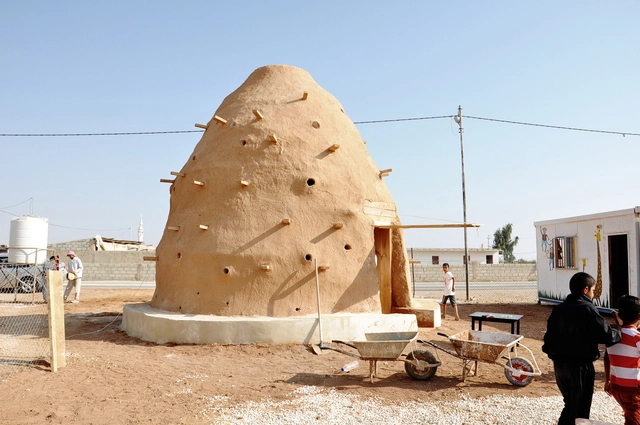
As artificial intelligence (AI) becomes increasingly embedded in society, it's essential to pause and reflect on the foundations that sustain it—and the dimensions to which it extends. At the heart of AI's learning are datasets, whose structure and content shape how these systems interpret and respond to the world. This reliance creates a deep interdependence—one that not only informs AI's capabilities but also defines its potential blind spots. In light of this, we must ask: What forms of understanding might this process exclude, especially those not easily captured in digital form?

Vernacular Building and AI: Can Data Alone Bridge the Gap? - Image 1 of 4Vernacular Building and AI: Can Data Alone Bridge the Gap? - Image 2 of 4Vernacular Building and AI: Can Data Alone Bridge the Gap? - Image 3 of 4Vernacular Building and AI: Can Data Alone Bridge the Gap? - Image 4 of 4Vernacular Building and AI: Can Data Alone Bridge the Gap? - More Images+ 15

Independent Heritage Documentation: How Digital Tools and Photogrammetry Are Reshaping Preservation Efforts

Subscriber Access | 

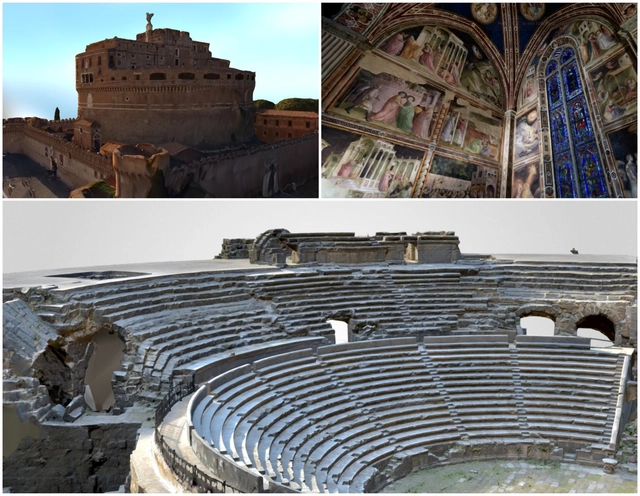
The use of technology has become vital in the documentation and conservation of heritage, especially in difficult or urgent circumstances. After many landmarks of the historic city of Palmyra were destroyed during Syria's war in 2015, conservators built three-dimensional digital models of the destroyed city to aid its future reconstruction. The destruction of the Buddhas of Bamiyan in Afghanistan in 2001 with very little prior documentation prompted action in the documentation of vulnerable monuments, such as the establishment of CyArk. More recently, detailed digital surveys and a heritage BIM model were essential in the restoration of Notre-Dame Cathedral in Paris after it was devastated by fire in 2019.

Independent Heritage Documentation: How Digital Tools and Photogrammetry Are Reshaping Preservation Efforts - Image 1 of 4Independent Heritage Documentation: How Digital Tools and Photogrammetry Are Reshaping Preservation Efforts - Image 2 of 4Independent Heritage Documentation: How Digital Tools and Photogrammetry Are Reshaping Preservation Efforts - Image 3 of 4Independent Heritage Documentation: How Digital Tools and Photogrammetry Are Reshaping Preservation Efforts - Image 4 of 4Independent Heritage Documentation: How Digital Tools and Photogrammetry Are Reshaping Preservation Efforts - More Images+ 10

Heritage in Syria: Independent Groups Documenting the Country’s Historic Architecture

Subscriber Access | 

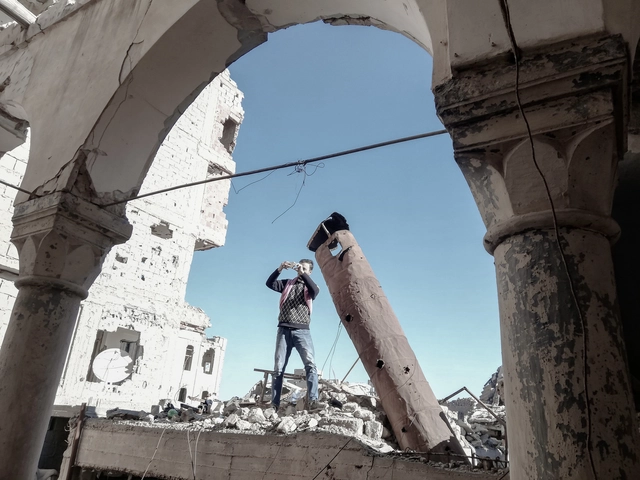
It is common for states to have legislation and institutions that protect their built heritage. It is also common for there to be gaps in the laws themselves or their implementation while certain circumstances may place a country's heritage under specific vulnerabilities. Thus, alongside state institutions, there are locally based architects and researchers establishing independent initiatives to document and conserve aspects of their built heritage. Syria is one example of a place with an extensive history of monuments and buildings of interest as well as active groups of independent conservators.

Heritage in Syria: Independent Groups Documenting the Country’s Historic Architecture - Image 3 of 4Heritage in Syria: Independent Groups Documenting the Country’s Historic Architecture - Image 1 of 4Heritage in Syria: Independent Groups Documenting the Country’s Historic Architecture - Image 11 of 4Heritage in Syria: Independent Groups Documenting the Country’s Historic Architecture - Image 5 of 4Heritage in Syria: Independent Groups Documenting the Country’s Historic Architecture - More Images+ 9

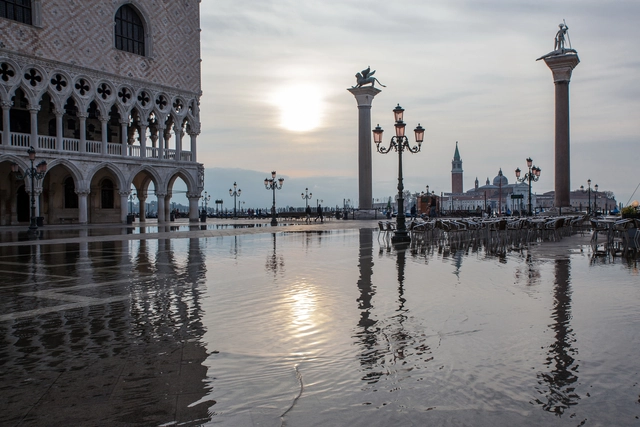
New Technologies Might Save Venice’s Cultural Heritage from the Floods

Factum Foundation, a nonprofit dedicated to the use of digital technology for cultural heritage conservation, in collaboration with the Fondazione Giorgio Cini, Ecole Polytechnique Fédérale de Lausanne (EPFL) and Iconem have recorded the Island of San Giorgio Maggiore, in Venice, Italy, in its entirety. For more than 10 days, the team using photogrammetry and LiDAR technologies scanned the 10-hectare island. The project entitled ARCHiVe, linked with EPFL's Venice Time Machine aims to "efficiently and effectively aid in the preservation of Venice's fragile cultural heritage".

New Technologies Might Save Venice’s Cultural Heritage from the Floods - Image 1 of 4New Technologies Might Save Venice’s Cultural Heritage from the Floods - Image 2 of 4New Technologies Might Save Venice’s Cultural Heritage from the Floods - Image 3 of 4New Technologies Might Save Venice’s Cultural Heritage from the Floods - Image 4 of 4New Technologies Might Save Venice’s Cultural Heritage from the Floods - More Images+ 24