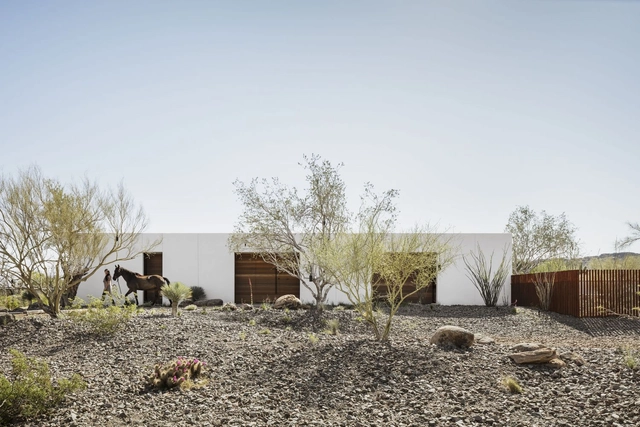
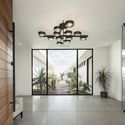

-
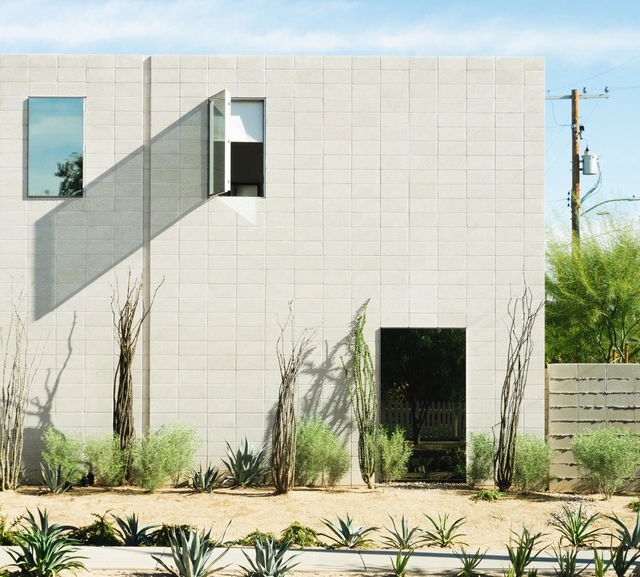
Architects: The Ranch Mine
- Area: 4090 ft²
- Year: 2020
-
Manufacturers: AutoDesk, Cosentino, Western Window Systems, Apple HomeKit, Kohler, +1
-
Professionals: Boxwell Homes, The Greenbusch Group


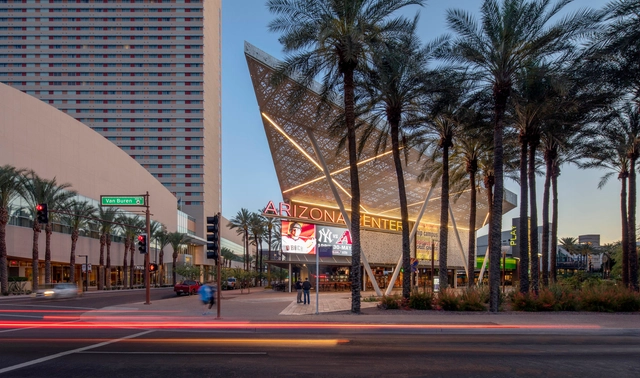
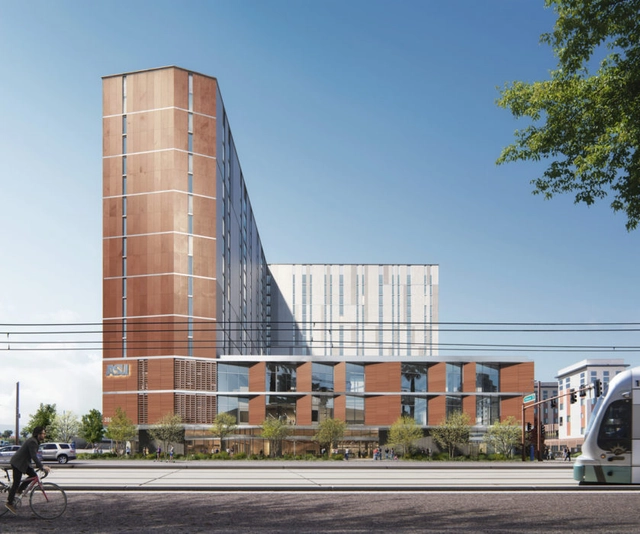
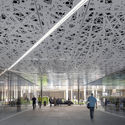
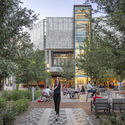
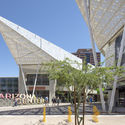
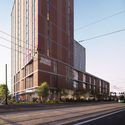
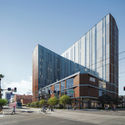
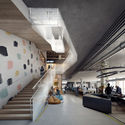
Studio Ma has broken ground on a new mixed-use tower complex for Arizona State University in Phoenix. The downtown residence hall and entrepreneurial center aims to foster innovation and collaboration for students and the campus community. The 16-floor residential tower includes academic and interdisciplinary facilities with living space for up to 530 students. The design was made to connect with the city and regional businesses.

INTRODUCTION
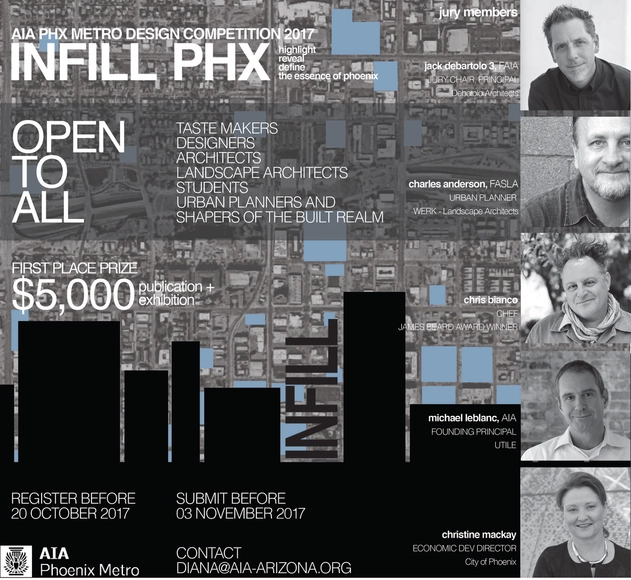
Phoenix, the fifth largest city in the United States by population and area, is very much a function of the 20th century technologies that enabled its rapid post WWII growth and inhabitation of an arid desert environment. While frequently cited for seemingly endless suburban sprawl, the metro area is in a state of transformation and is beginning to densify in line with other emergent urban centers. For decades, vacant land has made up a sizable portion of Phoenix’s land mass — up to 43 percent in the year 2000, according to a study by the Washington, D.C.-based Brookings Institution Center on Urban and Metropolitan Policy. This is especially true of the Phoenix downtown area, a location which has enjoyed positive, if not game-changing, developments over the past decade including light rail, a new university campus, thousands of new housing units, and an increasingly attractive business environment. The area also features a celebrated and long-standing arts and culture core with an emerging live music scene.

The American Institute of Architects (AIA)'s Committee on Architecture for Education (CAE) has announced the winners of its CAE Education Facility Design Awards, which honor educational facilities that “serve as an example of a superb place in which to learn, furthering the client’s mission, goals, and educational program, while demonstrating excellence in architectural design.”
A variety of project designs, such as public elementary and high schools, charter schools, and higher education facilities, were submitted to the Committee, many of which incorporated “informal and flexible spaces for collaboration and social interaction adjacent to teaching spaces,” as well as staircases with amphitheater or forum designs.
Find out which projects received awards, after the break.
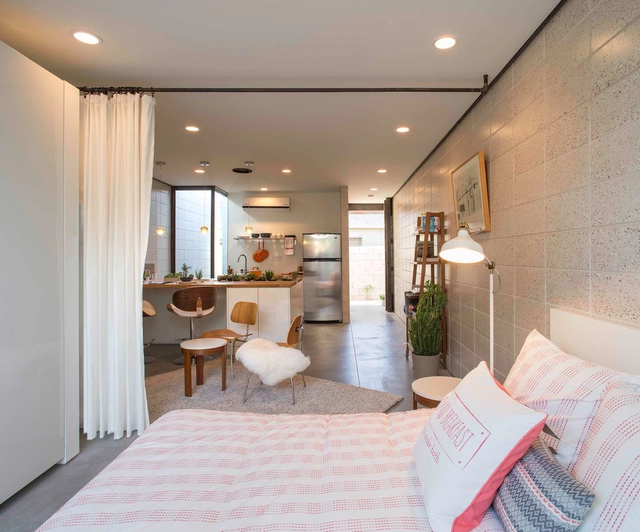

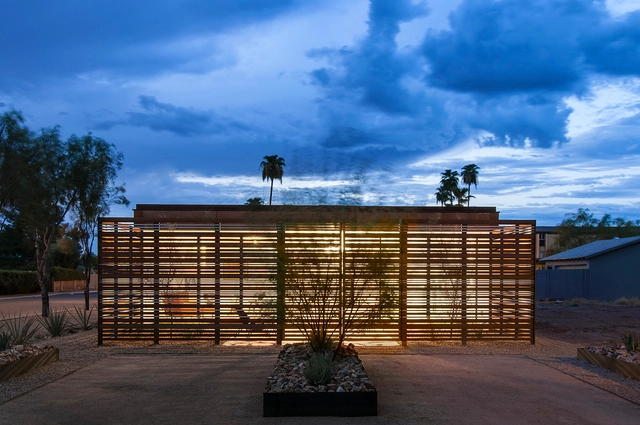
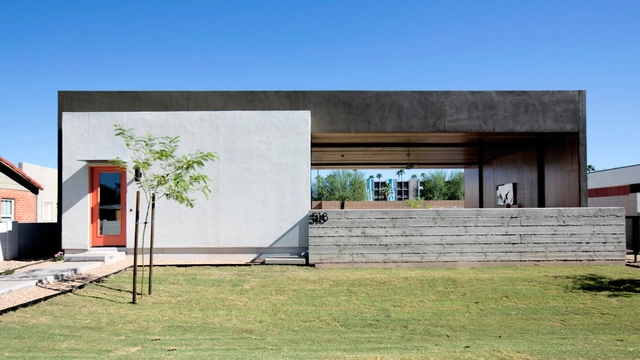

When the profit-driven bulldozing of virgin desert quickly transformed into unfinished ghost towns in 2008, the city of Phoenix, Arizona, reset their sights on a more sustainable and desirable way of living: walkable communities. With the establishment of the city’s first light rail, the once car-centric communities of its urban core have turned into swaths of pedestrian havens. This has not only improved the city’s desirability, but has also been good for business. See how else Phoenix is trying to “pull off an urban miracle” and reverse it’s sprawled image here on Fast Company.
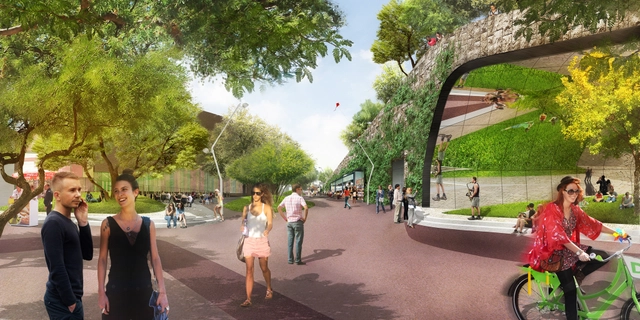
Within a decade, the city of Phoenix, Arizona will transform a 32-acre downtown urban park into a vibrant cultural hub. Spanning over one half mile of U.S. Interstate Highway 10, the recently-approved, competition-winning masterplan was envisioned by New York's !melk and locally based WEDDLE GILMORE black rock studio.
More on the masterplan, after the break...

Although Arizona developer Novawest was determined to build BIG’s 420-foot observation tower in downtown Phoenix before the 2015 Super Bowl, failed negotiations has left them without a site. Once planned for the interior courtyard of the Arizona Science Center, the privately-funded project is now being considered for an undisclosed downtown site with completion rescheduled for 2016. Considering the project has received a considerable amount of support from city officials, it seems inevitable that the BIG pin will eventually be built despite harsh criticism from nearby residents. Modifications for the new site will be minimal. You can review the design here.