1. ArchDaily
  2. Permeable

Permeable: The Latest Architecture and News

Climate and Collective Use: Architectural Permeability in Latin America

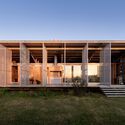
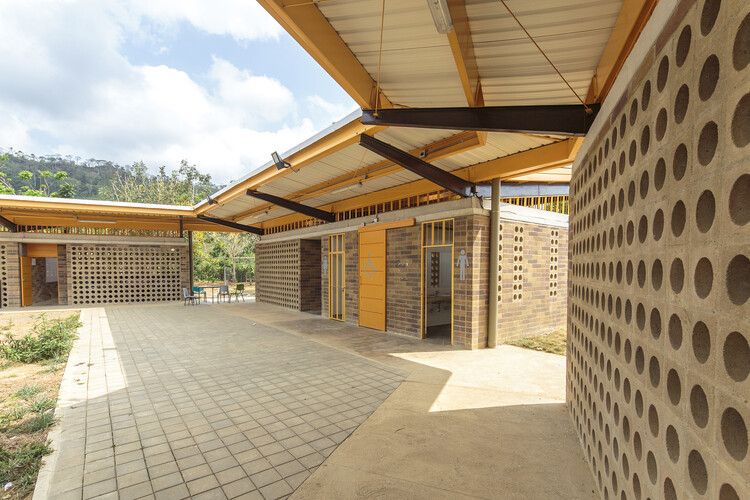
Architecture is often understood as a matter of enclosure. Walls define space, separating interior from exterior and establishing clear limits. Yet across many projects in Latin America, this distinction becomes less precise. Rather than operating as closed objects, buildings often remain open, allowing air, light, and movement to pass through them.

This condition is tied to more than form. Across the region, architecture has long responded to climates marked by heat, humidity, strong solar exposure, and seasonal rainfall, as well as to building cultures shaped by adaptation, collective labor, and direct engagement with the environment. In these contexts, fully sealed interiors are not always the most effective response. Space is often organized through shade, ventilation, and intermediate zones that regulate rather than isolate.


Climate and Collective Use: Architectural Permeability in Latin America - Image 1 of 4Climate and Collective Use: Architectural Permeability in Latin America - Image 2 of 4Climate and Collective Use: Architectural Permeability in Latin America - Image 3 of 4Climate and Collective Use: Architectural Permeability in Latin America - Image 4 of 4Climate and Collective Use: Architectural Permeability in Latin America - More Images+ 8

How Breathable Should Facades Be? Exploring Permeability and Impermeability in Building Envelopes

The main role of architecture is to create structures that protect us from the environment and create spaces that are safe and comfortable for all types of needs and activities. By providing shelter, architecture also shapes the way people interact with their surroundings. Building technologies of the past rarely managed, however, to create a complete separation between us and the outside world.

While impermeability was a desired outcome, the porous building materials available always allowed some water, wind, or outside particles to leak into the interior spaces. In contrast, modern technologies now allow for almost completely impermeable building envelopes, allowing for complete separation between indoors and outdoors, thus relying on engineered systems to regulate temperature, airflow, or humidity. This article explores the differences between these two contrasting approaches, exploring how building facades are equipped to regulate indoor comfort and its environmental impact.

How Breathable Should Facades Be? Exploring Permeability and Impermeability in Building Envelopes - Image 1 of 4How Breathable Should Facades Be? Exploring Permeability and Impermeability in Building Envelopes - Image 2 of 4How Breathable Should Facades Be? Exploring Permeability and Impermeability in Building Envelopes - Image 3 of 4How Breathable Should Facades Be? Exploring Permeability and Impermeability in Building Envelopes - Image 4 of 4How Breathable Should Facades Be? Exploring Permeability and Impermeability in Building Envelopes - More Images+ 5

18 Fantastic Permeable Facades

Subscriber Access | 
18 Fantastic Permeable Facades - Image 18 of 4

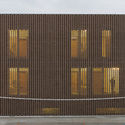
18 Fantastic Permeable Facades - Image 1 of 418 Fantastic Permeable Facades - Image 2 of 418 Fantastic Permeable Facades - Image 3 of 418 Fantastic Permeable Facades - Image 4 of 418 Fantastic Permeable Facades - More Images+ 15

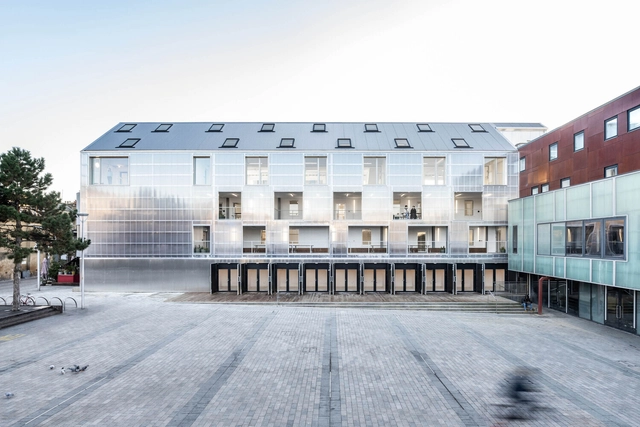
Recently, a new trend in architecture has emerged: Several of the latest projects highlighted by ArchDaily, including some winners in the Building of the Year Awards, are using permeable facades as an attractive option for their exterior finishes.

Better lighting, ventilation, and visibility are some of the advantages brought by this type of façades. Below is a selection of 15 images from prominent photographers such as Andrés Valbuena, Pedro Nuno Pacheco, and Koji Fuji Nacasa & Partners Inc.