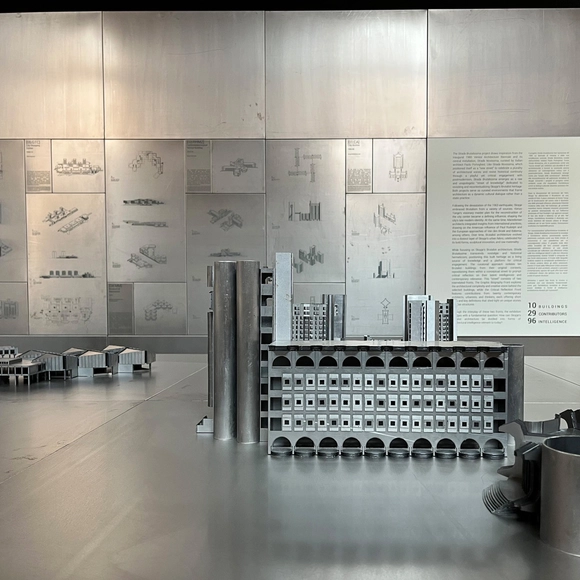
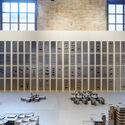
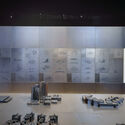
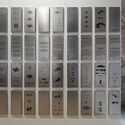
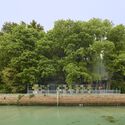
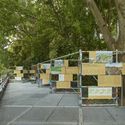
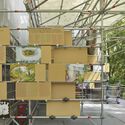
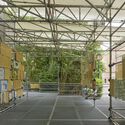
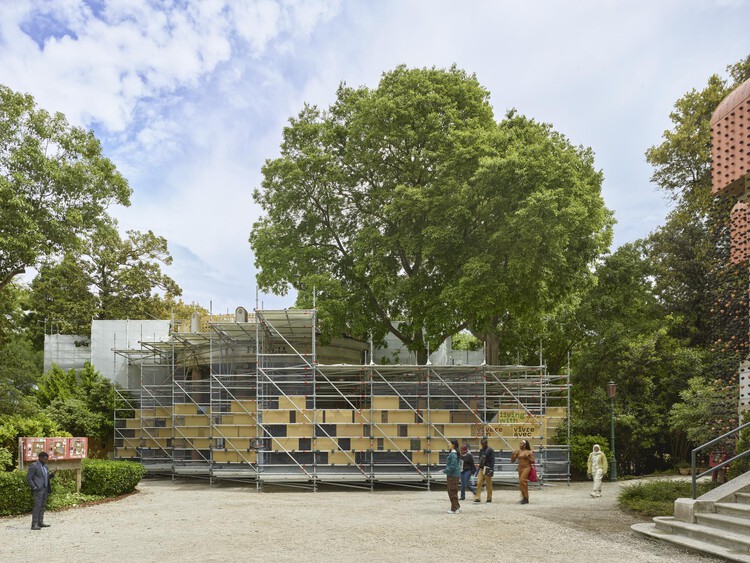
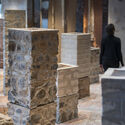
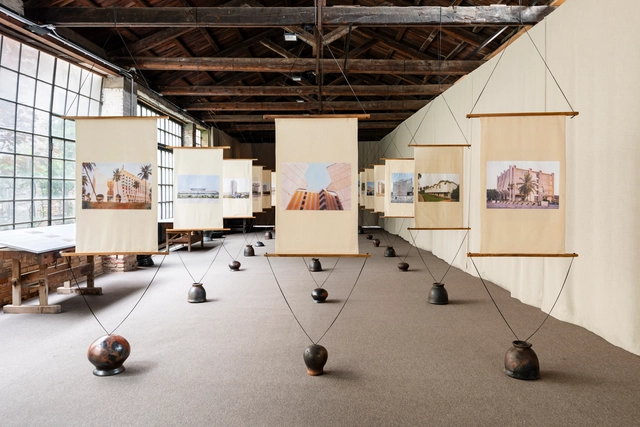
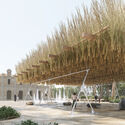
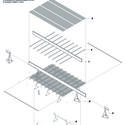
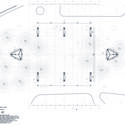
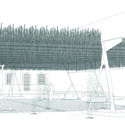
Strada Brutalissima. Pavilion of the Republic of North Macedonia at the 19th Venice Architecture Biennale, 2025. Image Courtesy of Blagoja Bajkovski
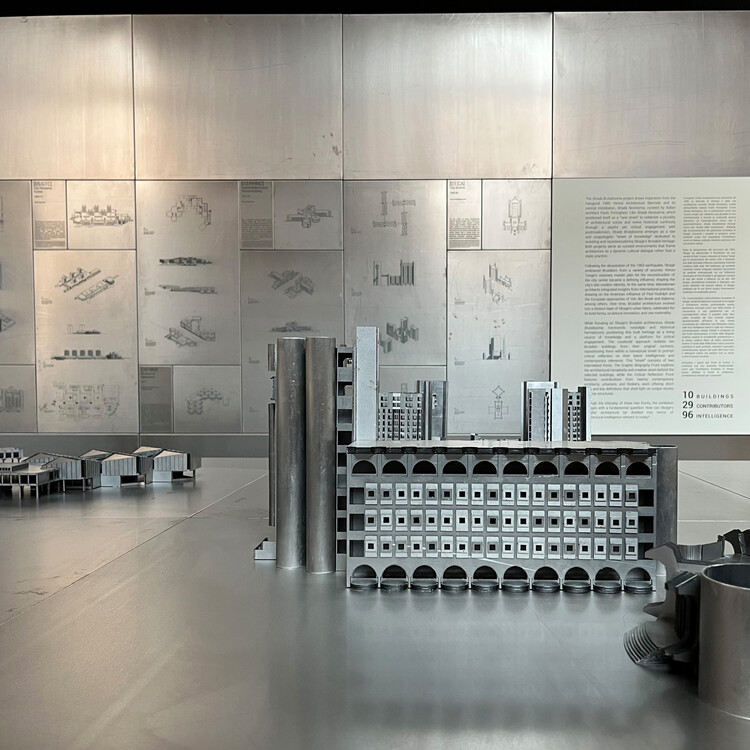
The Republic of North MacedoniaPavilion at the 19th Venice Architecture Biennale is dedicated to the Brutalist architecture of its capital city, Skopje. This architectural movement has given the city a distinctive identity following the earthquake that struck in 1963. According to pavilion curator, architect Blagoja Bajkovski, in the aftermath of the disaster, Skopje embraced Brutalism from a variety of sources. One of the most prominent of these was Kenzo Tange's reconstruction plan, developed after an international competition organized by the United Nations in 1965. The exhibition, titled Strada Brutalissima, recounts this identity, the events that shaped it, and the buildings that continue to represent it through a series of architectural models. Inspired by the 1980 Venice Architecture Biennale's Strada Novissima, the project reinterprets the concept of a curated "street," this time centered on Skopje's Brutalist heritage.
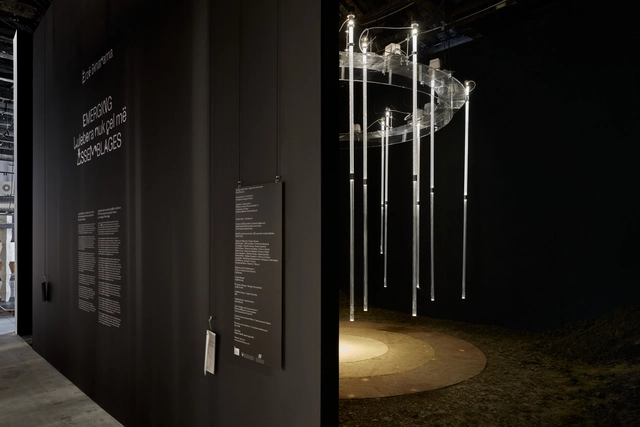
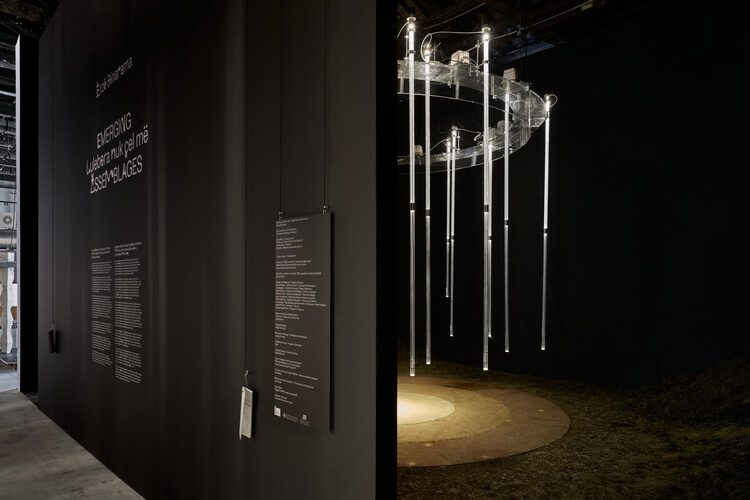
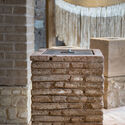
The Republic of Kosovo brings this year to the 19th Venice Architecture Biennale an exhibition titled Lulebora nuk çel më. Emerging Assemblages. The exhibit was commissioned by the National Gallery of Kosovo and curated by the architect, interdisciplinary designer, and researcher Erzë Dinarama. Reflecting on the country's shifting agricultural landscapes in the context of ecological uprooting and embodied knowledge systems under climate pressure, the installation offers a sensorial exploration of Kosovan fieldwork. Combining a range of local soil materials with a hanging olfactory calendar, the Pavilion invites visitors to imagine through touch and smell.
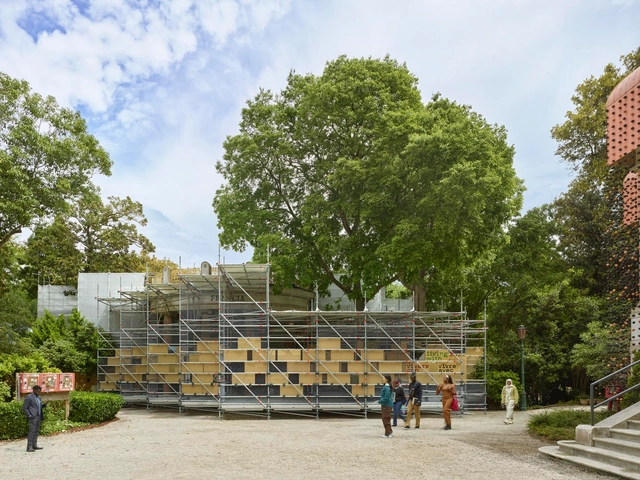
The French pavilion exhibition, entitled "Vivre avec / Living with," was developed by the agency Jakob+Macfarlane, formed by architects Dominique Jakob and Brendan MacFarlane, in collaboration with Martin Duplantier Architects and Eric Daniel Lacombe EDL. France's project for the 2025 Venice Biennale was selected through a two-phase competition, involving an initial pre-selection of five teams from forty-five applicants, followed by a detailed project presentation. The winning proposal focuses on architecture's capacity to address global challenges such as climate change, conflict, and instability, utilizing a combination of natural, human, and artificial intelligence.
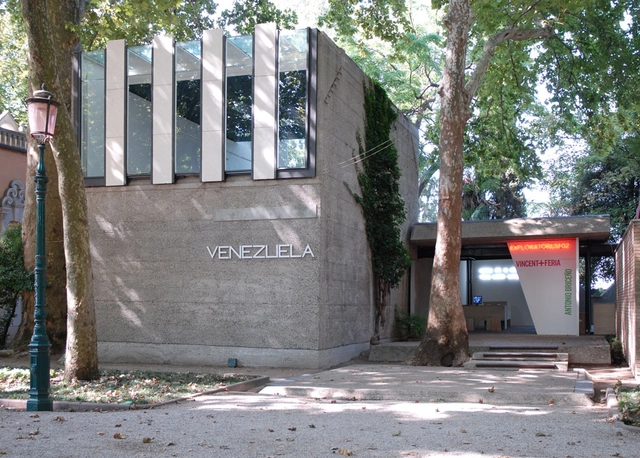
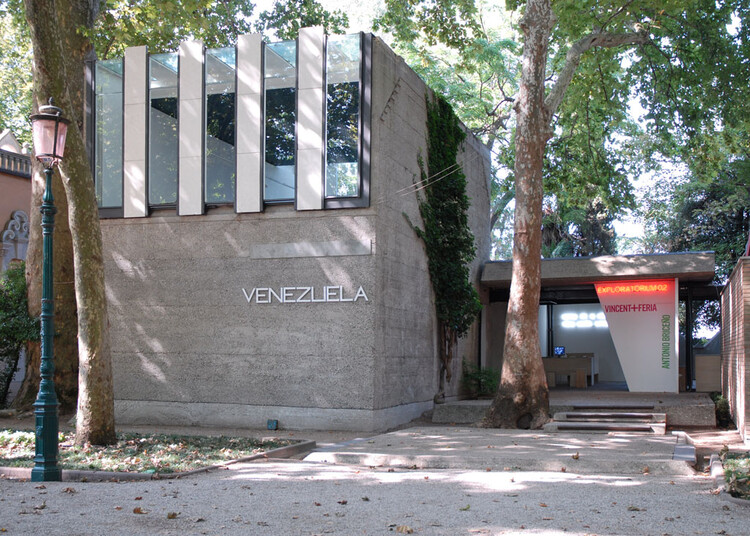
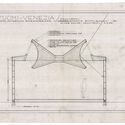
Nestled amongst the plethora of grandiose and carefully crafted national pavilions in the Giardini della Biennale in the Italian city of Venice is one pavilion by the city's perhaps most well-known modern architect. Sited between the pavilions of Russia and Switzerland is the VenezuelaPavilion, by architect Carlo Scarpa. In many ways, the structure typifies the design approach of its architect but has its idiosyncrasies. Built for Europe's most important biennial art exhibition, it is a member of a cohort of Modernist pavilions that came after the earlier, more classicist pavilions. This is its story.
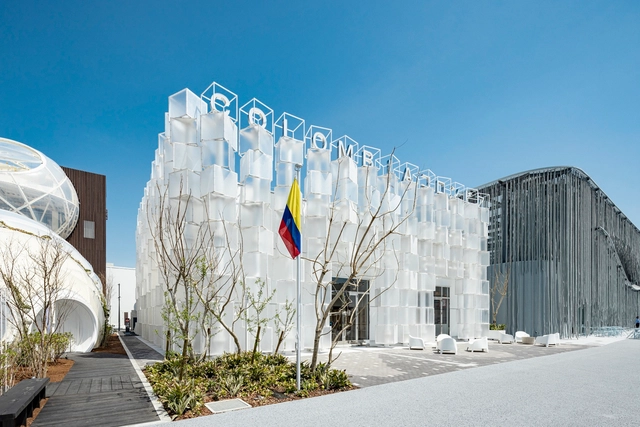
The Colombia Pavilion at the Expo Osaka 2025 adopts the theme "ICE CUBE," inspired by the scene in Gabriel García Márquez's One Hundred Years of Solitude where a young boy encounters ice for the first time. Translating this literary reference into built form, the pavilion presents a facade of translucent cubes set at varying angles, creating a sense of movement and articulation. Designed by MORF Inc., with Karim Chahal as Project Director and Ko Oono as Principal Architect, the exterior is composed of semi-transparent polycarbonate panels integrated with color-controlled lighting, allowing the facade to transform in appearance throughout the day and night.
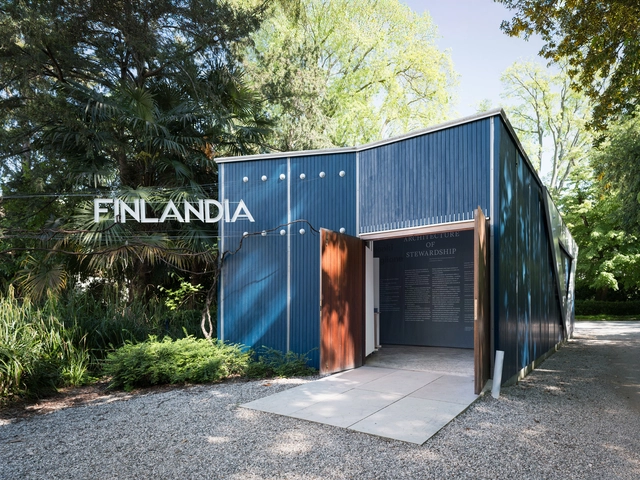
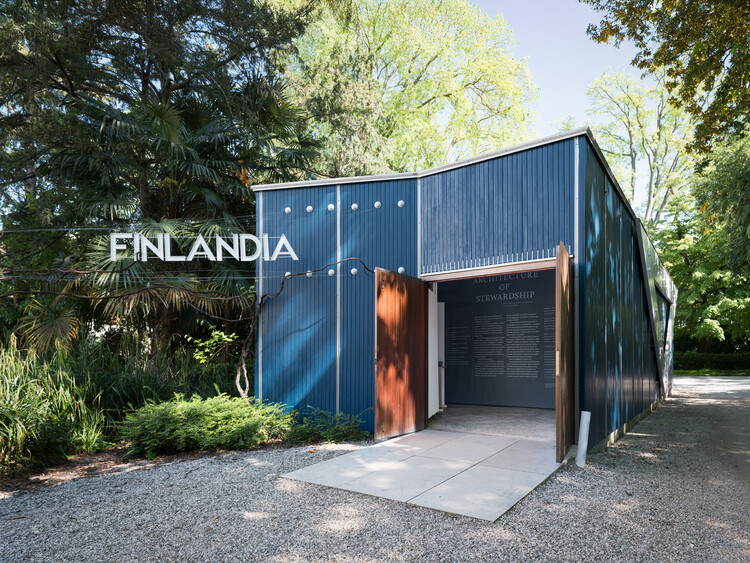
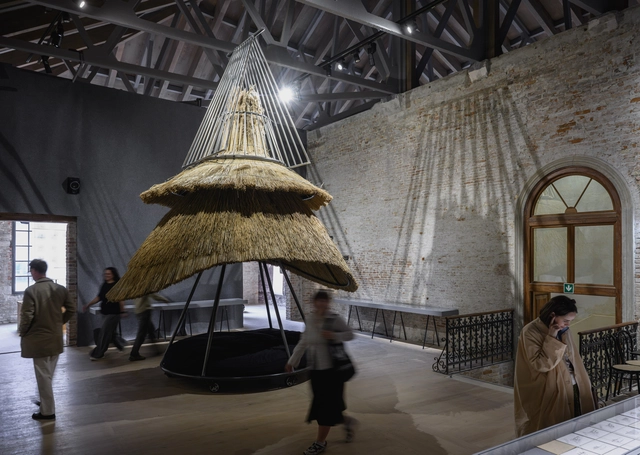
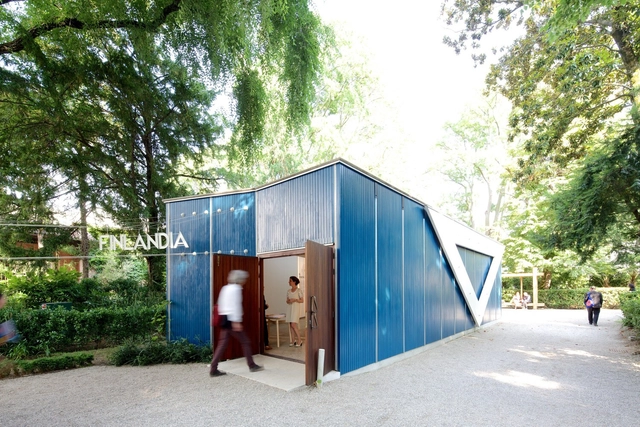
Archinfo, the Information Centre for Finnish Architecture, has announced the theme, curator, and exhibition team for the Pavilion of Finland at the 19th International Architecture Exhibition of La Biennale di Venezia. The exhibition, titled "The Pavilion – Architecture of Stewardship", will focus on the diverse labor involved in constructing and maintaining architecture, from design contributions by architectural workers and engineers to the efforts of construction workers, restoration architects, maintenance staff, and cleaners, all of whom play vital roles in the creation and upkeep of the built environment. Curated by Ella Kaira and Matti Jänkälä from the Helsinki-based architecture practice Vokal, it will use Alvar and Elissa Aalto's Pavilion of Finland to explore architecture as a collaborative endeavor.
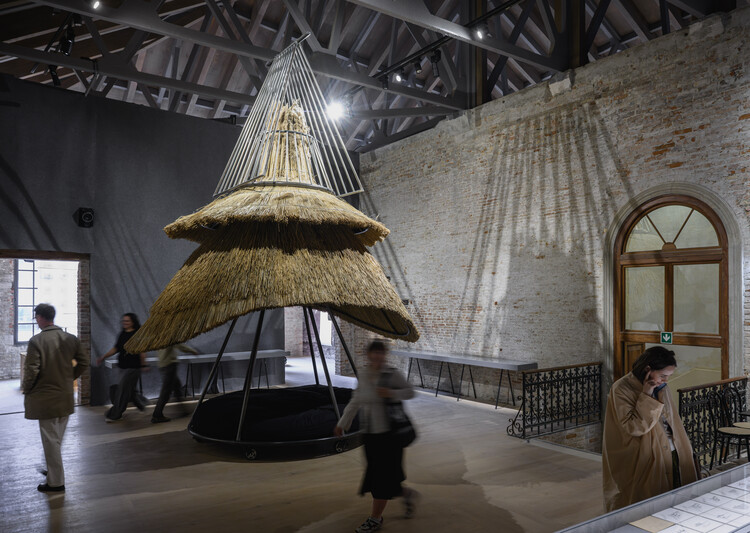
The Ukrainian pavilion at the 19th International Architecture Exhibition – La Biennale di Venezia explores the intersection of traditional building methods and improvised construction during wartime crises. Under the title "DAKH (ДАХ): Vernacular Hardcore", the exhibition refers to the concept of the roof ("dakh" in Ukrainian) as a primary shelter in architecture, examining the roofs of an "architecture without architects" both in the country's constructive tradition and in the contemporary reality of aerial vigilance over its national territory. Curated by Bögdana Kosmina, Michał Murawski, and Kateryna Rusetska, the Ukrainian display consists of a six-element exhibition at the Arsenale's Sale d'Armi and an accompanying nomadic program titled Planetary Hardcore.
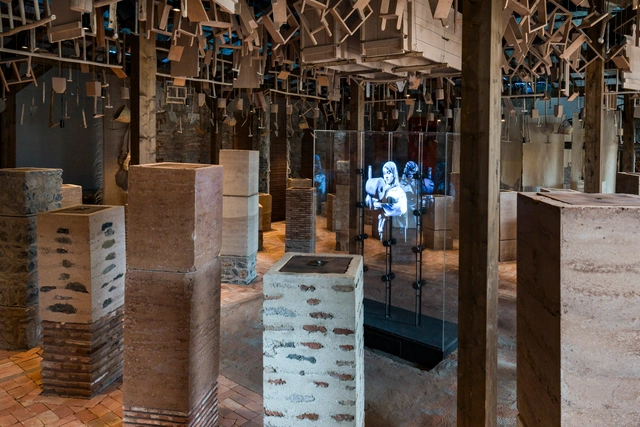
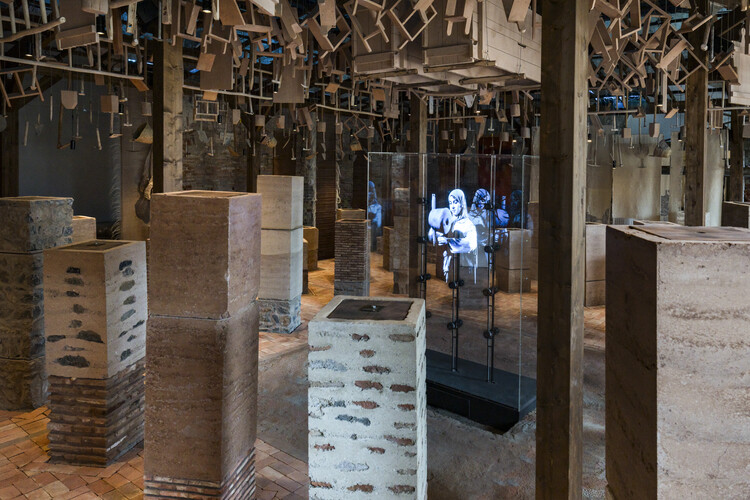
The Kingdom of Morocco's exhibition at the 19th International Architecture Exhibition – La Biennale di Venezia highlights Moroccan earth architecture and traditional construction techniques. The exhibition, titled Materiae Palimpsest, was curated by architects Khalil Morad El Ghilali and El Mehdi Belyasmine. In an exploration that blends ancient techniques with digital technologies, the exhibit features textile works by architect and artist Soumyia Jalal, along with holograms of artisans and tactile installations. The narrative presents earth as a renewable resource and sustainable material, and earth construction as a key to both preserving architectural heritage and addressing contemporary ecological and social challenges. Materiae Palimpsest offers an invitation to rethink architecture's current relationship with building materials, opening the way to locally rooted construction methods.
The fifth edition of the London Design Biennale is taking place at Somerset House from 5 to 29 June 2025. The theme of this year's edition is "Surface Reflections," an invitation to explore "the dynamic interplay between internal experience and external influence." The curatorial proposal, set by British artist and designer Samuel Ross, encourages a focus on the underlying layers of the objects, systems, and spaces that shape our daily lives. The Biennale exhibition is a journey through 35 pavilions by countries, institutional design teams, and curators, presenting soundscapes, immersive experiences, and performances, as well as sculptural and evocative objects. To confront contemporary global challenges, topics include identity, memory, innovation, technology, craftsmanship, ecology, and belonging.
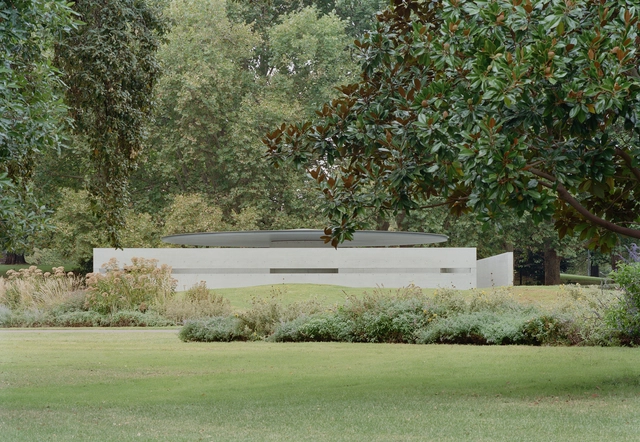
Every year, the Naomi Milgrom Foundation commissions an architect to design a temporary pavilion for the Queen Victoria Gardens, in the center of Melbourne's Southbank Arts Precinct. The pavilions are then transferred to the state of Victoria. The tenth edition of the MPavilion was designed by Pritzker Prize Laureate Tadao Ando as his first and only built work in Australia and the southern hemisphere. The pavilion opened on November 16, 2023, and its presence was extended until March 2025, hosting a wide-ranging program of cultural events over two summer seasons. After facing demolition, given the temporary nature of the initiative, a community-led program, "Preserve the Pavilion", was launched in hopes of preserving the building. The Naomi Milgrom Foundation has recently announced that the pavilion will remain in Queen Victoria Gardens until 2030, following a decision by the City of Melbourne.
The Republic of Togo presents its first pavilion at the 19th International Architecture Exhibition – La Biennale di Venezia 2025 with a project titled Considering Togo's Architectural Heritage. The inaugural pavilion is curated by Studio NEiDA, an architecture and research practice co-founded by architect Jeanne Autran-Edorh and curator Fabiola Büchele. Based in Lomé and Berlin, the studio is dedicated to equitable design processes, applying an Afrocentric lens to contemporary architectural discourse. The exhibition, located at Venice's Squero Castello, explores Togo's architectural narratives from the early 20th century, focusing on themes of conservation and transformation.
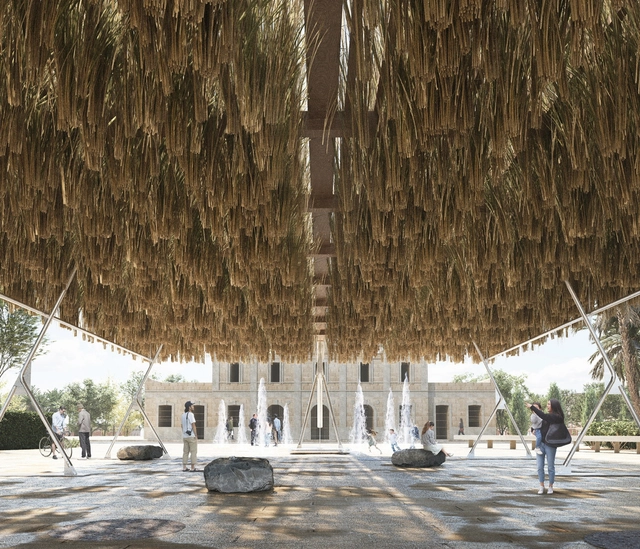
ESPARTAL Pavilion / ELE Arkitektura, GA Estudio, Florencia Galecio, and Juan Gubbins. Image Courtesy of TAC! Festival de Arquitectura Urbana
The TAC! Urban Architecture Festival is held annually in Spain with the aim of bringing contemporary architecture closer to the public through installations in various cities, including Granada, San Sebastián, Valencia, Vigo, and San Fernando. Organized by the Ministry of Housing and Urban Agenda in collaboration with Fundación Arquia, the festival seeks to promote experimentation in architecture by constructing temporary pavilions for cultural events and gatherings. The 2025 edition of the festival will take place in two locations: Casa Mediterráneo in Alicante and Plaza Stagno in Las Palmas de Gran Canaria. The pavilions are selected each year through an open call for young architects up to 45 years old. This year's winners have already been announced: the ESPARTAL project by ELE Arkitektura, GA Estudio, Florencia Galecio, and Juan Gubbins; and DE ROCA MADRE by Alejandro Carrasco Hidalgo, Eduardo Cilleruelo Terán, Alberto Martínez García, and Andrea Molina Cuadro.
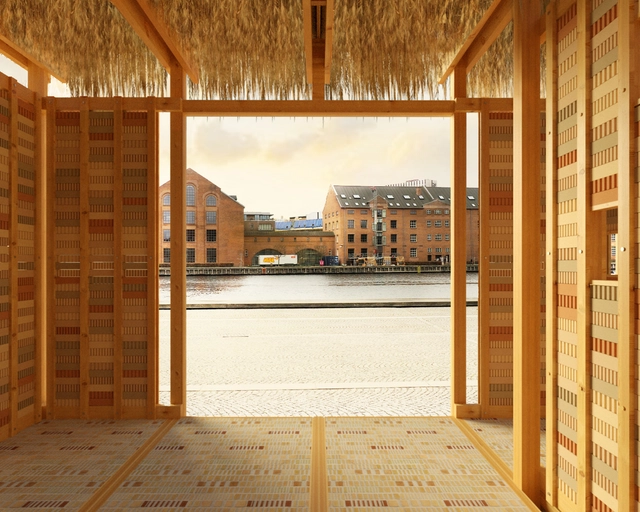
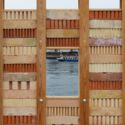
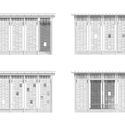
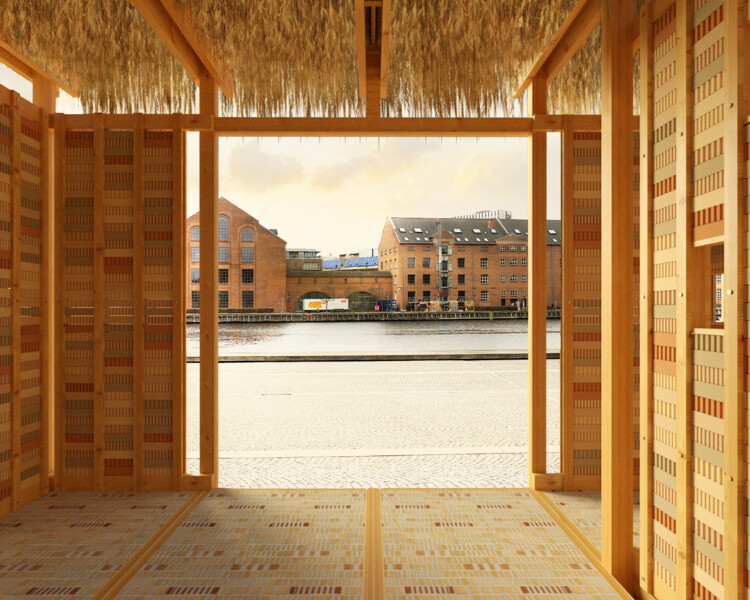
Inside Out, Downside Up Pavilion / Slaatto Morsbøl. Image Courtesy of Copenhagen Architecture Forum Copenhagen Architecture Forum (CAFx)
The first edition of the Copenhagen Architecture Biennial will take place from 18 September to 19 October 2025. Organized by CAFx (Copenhagen Architecture Forum), the event marks a transition from the previous annual Copenhagen Architecture Festival to a more expansive platform for architectural exploration. The theme of the inaugural edition, "Slow Down," invites participants to reflect on how the rapid pace of modern life affects the built environment. According to the organizers, this thematic shift encourages the envisioning of spaces that promote sustainability, longevity, and mindful engagement with our surroundings. In line with this vision, the organization launched an open call earlier this year for pavilion proposals that embody principles of circular design while serving as hubs for public programming during the event. Two winning proposals, modular structures by Slaatto Morsbøl and Tom Svilans x THISS Studio, were selected, each offering an approach to architectural deceleration.
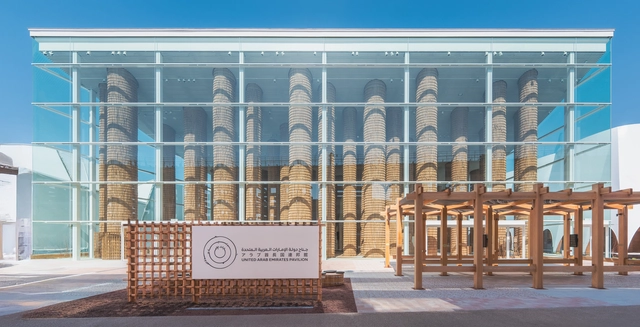
UAE Pavilion at the Expo Osaka 2025. Image Courtesy of UAE Expo Office
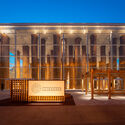
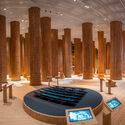
The UAEPavilion at Expo 2025 Osaka, titled "Earth to Ether," presents an immersive, multisensory experience that narrates the story of the United Arab Emirates, from its cultural heritage and core values to its forward-looking innovations. Inspired by the symbolic date palm, the pavilion reimagines areesh, a traditional form of Emirati vernacular architecture, by combining agricultural byproducts from date palms with refined Japanese woodworking techniques. Opened in April 2025, under the theme "Designing Future Society for Our Lives," the pavilion is located in the "Empowering Lives" zone. Designed to work under the broader theme, the UAE Pavilion offers diverse programming and interactive exhibits and serves as a collaborative platform for co-creating solutions that "drive collective progress."
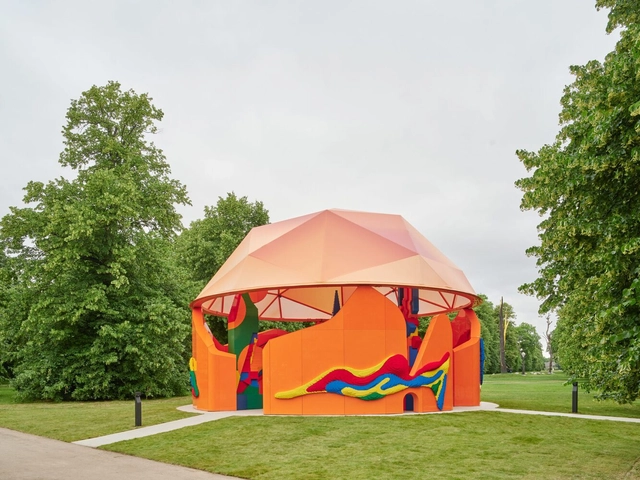
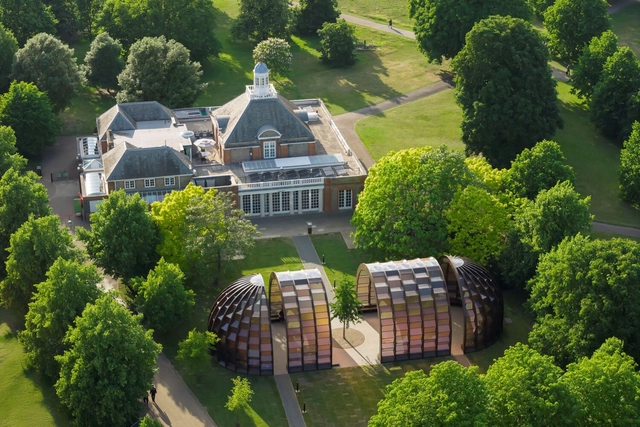
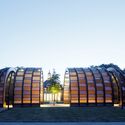
Marking World Play Day, June 11, the Play Pavilion, designed by British architect Peter Cook in collaboration with the LEGO Group, has just opened. The Pavilion is located next to Serpentine South in Kensington Gardens, London. Developed with Pablo Wheldon and Cong Ding, the Pavilion is a collaboration between Serpentine, the LEGO Group, The Royal Parks, and CONSUL. The project builds on Serpentine's broader efforts to connect architecture, design, and public engagement through temporary installations in the park.
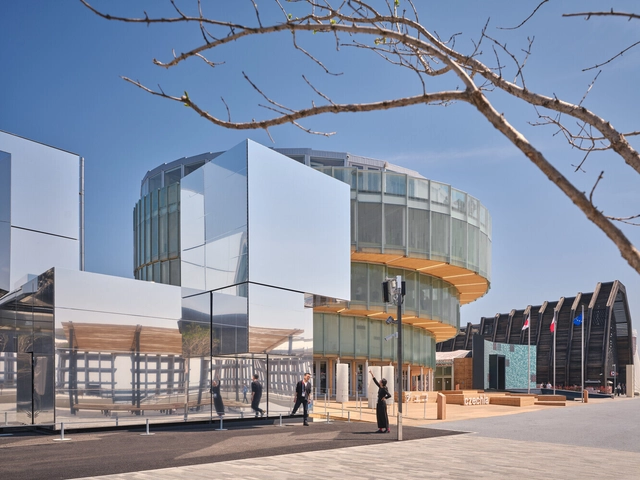
What can a pavilion’s architecture reveal about its country? At major World Expos, national pavilions are designed to answer this question, transforming into spaces laden with symbolism. Though temporary, these structures are rich in meaning, functioning as architectural expressions of political identity. Their forms and materials encapsulate national ambitions. Expo Osaka 2025, the latest chapter in this ongoing narrative, showcases how nations increasingly use built space to construct global images of themselves—sustainable, technological, culturally distinct, and geopolitically relevant.
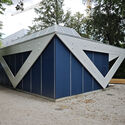
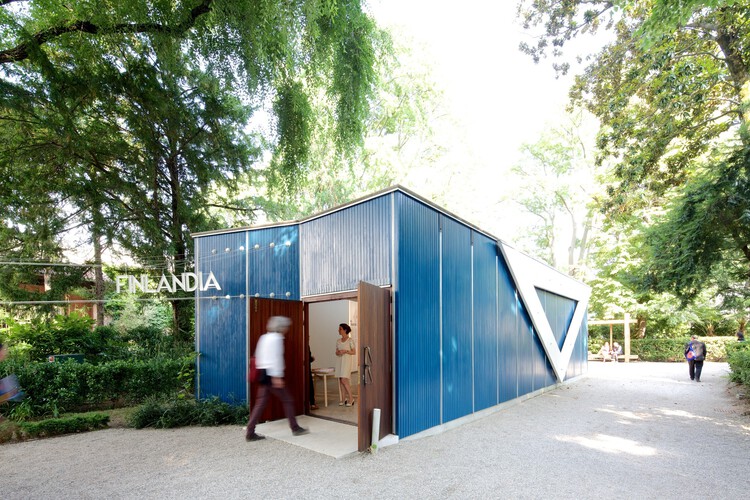
Tucked within the leafy confines of the Giardini della Biennale in Venice stands a structure modest in scale yet immense in quiet conviction: the Finland Pavilion, designed by Alvar and Elissa Aalto for the 1956 Venice Biennale. Unlike the monumental pavilions that surround it, Aalto's structure was conceived not as a permanent structure, but as a temporary exhibition space for a single exhibition season. And yet, nearly seventy years on, it remains—weathered, resilient, and quietly luminous.