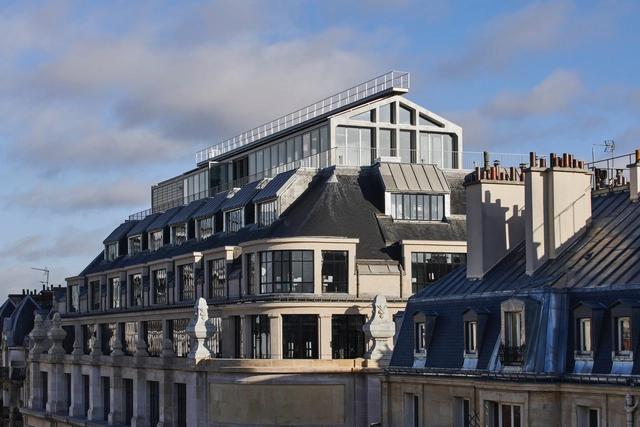



-
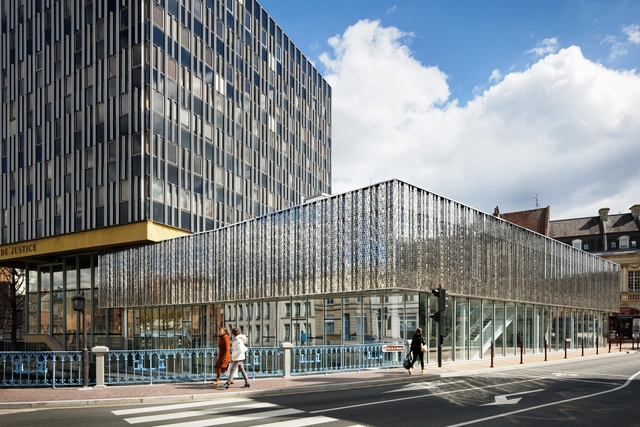
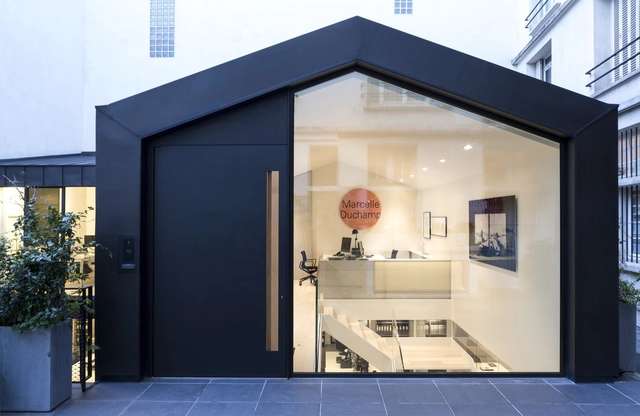
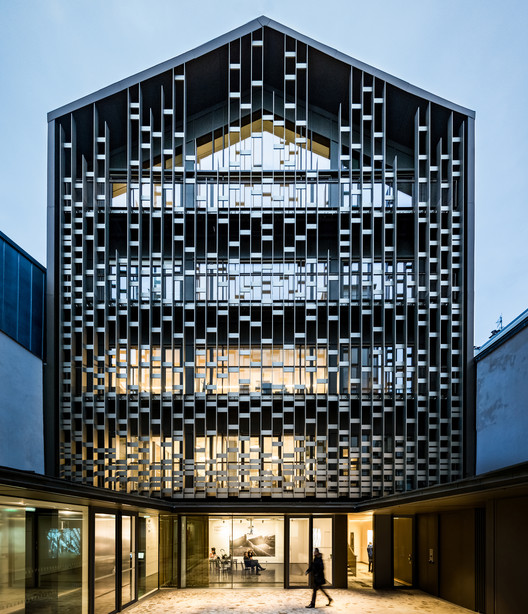
Architects: CALQ, Franklin Azzi Architecture
- Area: 8400 m²
- Year: 2019
-
Manufacturers: Bega, Forbo Flooring Systems, Ebema, Knauf, Marcal, +7
-
Professionals: TERRELL, Cap Horn Solutions, Mazet & Associes, S2T


.jpg?1576268640)
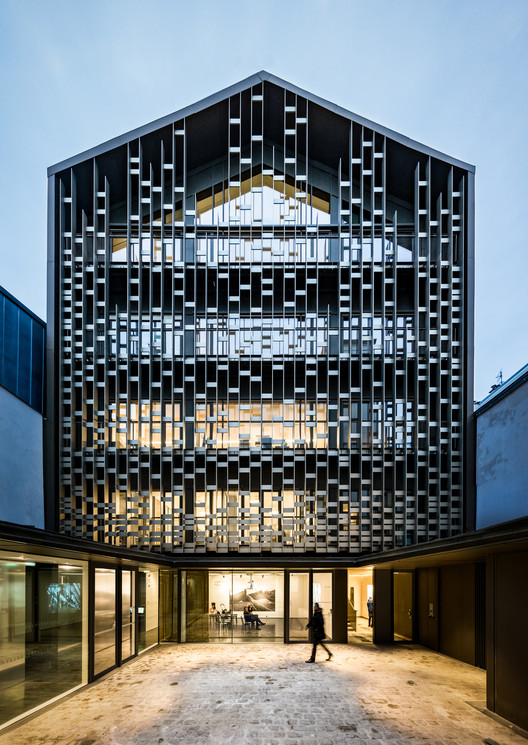
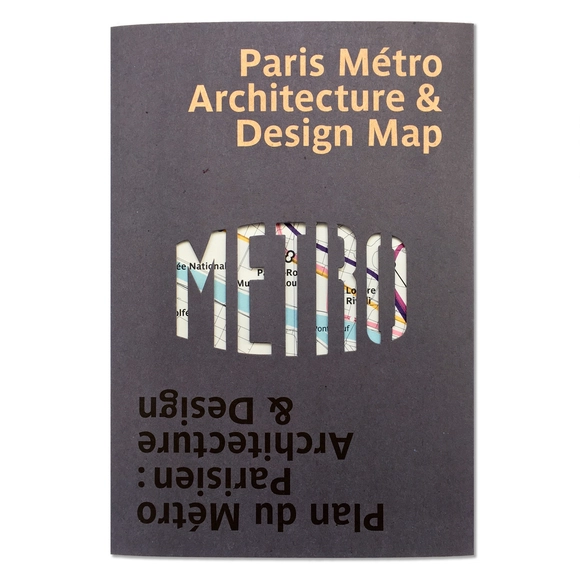
New Bilingual Guide Celebrates Architecture and Design of Paris Metro
Transport design historian and broadcaster Mark Ovenden has curated Paris Metro Architecture & Design Map, the fourth in Blue Crow Media’s new series of cartographic guides dedicated to the architecture and design of the world’s finest public transport systems. With original photography by Nigel Green this two-sided guide is an original and fascinating insight into the architecture and graphic design of the Paris Metro for transport lovers, students of design and anyone interested in the history of London.

JULIEN_LANOO_74_BD.jpg?1571416721&format=webp&width=640&height=580)


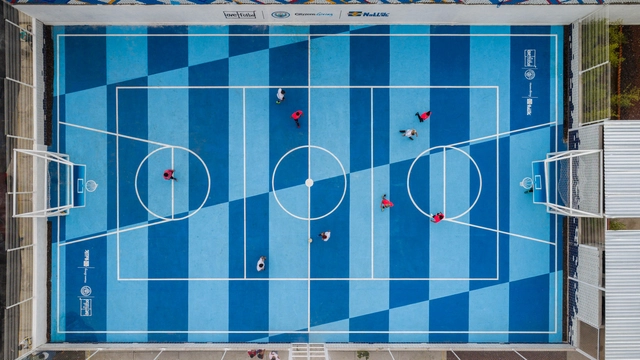
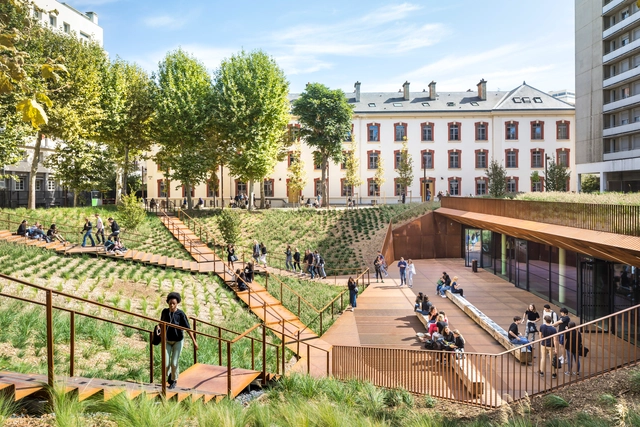
People often gather around sports activities, whether they are the ones exercising or the ones cheering. This internationally recognized social interest brings everyone together seamlessly, regardless of their background, gender, culture, ethnicity and so on.
Urban regeneration can take different aspects, and one of the most prominent and efficient solutions that can reconcile a community with itself and its surroundings is a sports function. In fact, this purpose encourages people to reclaim their fundamental right to public spaces and regenerate demoted, hostile or forgotten areas.
Read on to discover examples from all over the world, where physical activities made an urban impact on the neighborhood and the community.
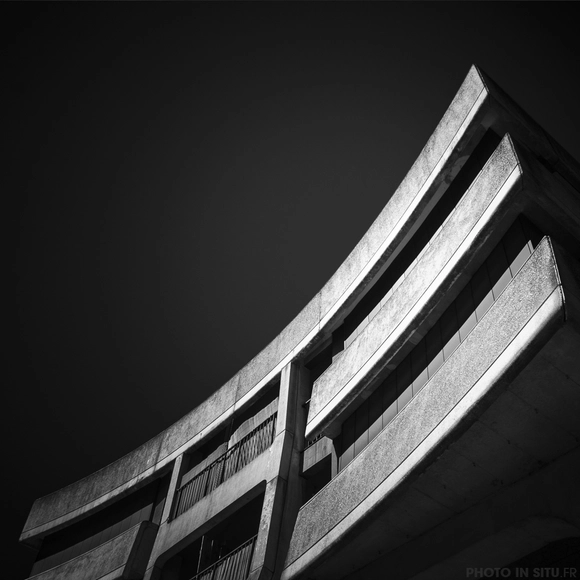
The “New Créteil” was an urbanization program carried out in the seventies. It was intended to provide the city of Créteil, which is located around 6 km southeast of Paris, new apartment buildings and public facilities such as a town hall, prefecture, hospital, and courthouse. In a series called “See the New Créteil,” photographer Robin Leroy documents a city considered transcendent of the traditional clichés of modern architecture.
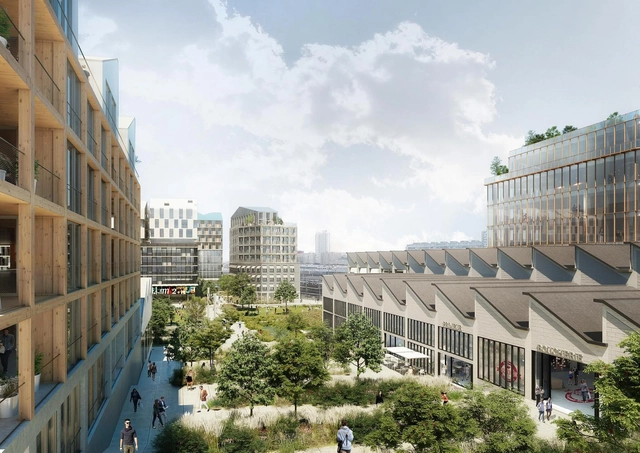
SLA and BIECHER ARCHITECTES, have won the international competition to develop the former location of the Ordener-Poissonniers’ railway into a socially sustainable urban development, in the heart of the 18th arrondissement of Paris, France. The 3,7-hectare site will include 1000 new residents, big public parks, offices, theater, public school, industrial design incubators, a graduate school of design, food courts and urban farming.
_HD_3.jpg?1567471080&format=webp&width=640&height=580)
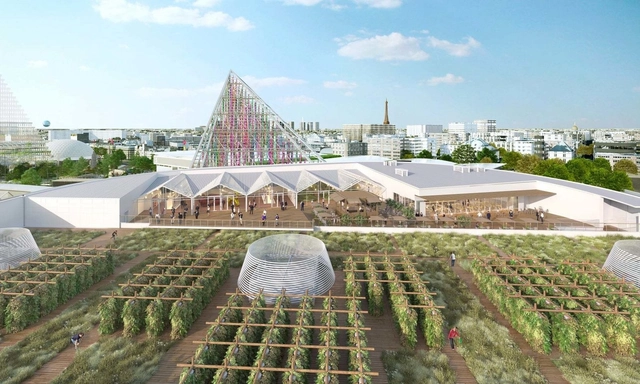
The world's largest urban farm is set to open next year in Paris. The six-story, 150,000-square-foot garden aims to grow more than 2,000 pounds of fruits and vegetables a day. Twenty gardeners will tend to 30 different kinds of plants to produce vegetables for the community. Called Agripolis, the project uses aeroponic farming so the plants absorb water and nutrients via mist.
.jpg?1576269037 "© Pierre L’Excellent")
.jpg?1576268883 "© Pierre L’Excellent")
.jpg?1576268954 "© Pierre L’Excellent")
.jpg?1576268843 "© Pierre L’Excellent")
.jpg?1576355481)
.jpg?1576498950 "© Jean-Philippe Caulliez")
.jpg?1576499399 "© Jean-Philippe Caulliez")








JULIEN_LANOO_53_102019_BD.jpg?1571416597 "© Julien Lanoo")
JULIEN_LANOO_43_BD.jpg?1571416482 "© Julien Lanoo")
JULIEN_LANOO_46_102019_BD.jpg?1571416539 "© Julien Lanoo")
JULIEN_LANOO_54_102019_BD.jpg?1571416641 "© Julien Lanoo")
JULIEN_LANOO_74_BD.jpg?1571416721)












_HD_5.jpg?1567470642 "© WE ARE CONTENT(S)")
_HD_4.jpg?1567470556 "© WE ARE CONTENT(S)")
_HD_1.jpg?1567470207 "© WE ARE CONTENT(S)")
_HD_3.jpg?1567471080)