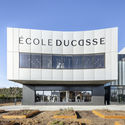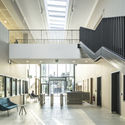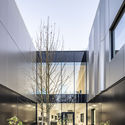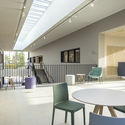


- Area: 10500 m²
- Year: 2020
-
Manufacturers: Unibeton
-
Professionals: SETEC Bâtiment, Bouygues Construction, TRADIFER 77


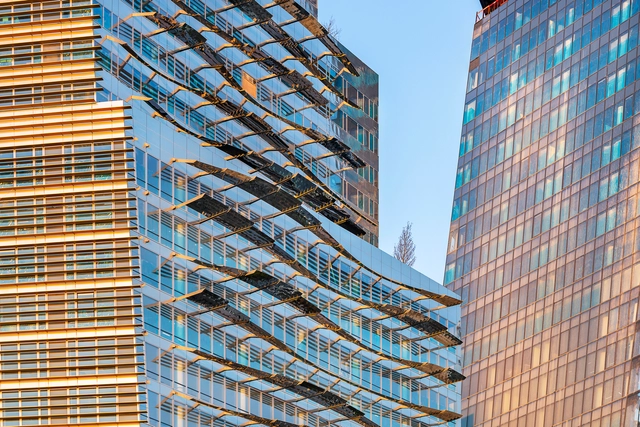
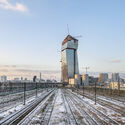
Carefully placed within the urban context and the product of searched perspectives and precise gestures, Ateliers Jean Nouvel's mixed-use project Tours Duo is set to become a landmark for Eastern Paris. Located close to the Paris ring boulevard and in the vicinity of a vast expanse of railway infrastructure, the project's site was the main driving point for the design, giving it its iconic shape. The project featuring two inclined towers nears completion, and photographer Jad Sylla shows the structures changing the Parisian skyline.
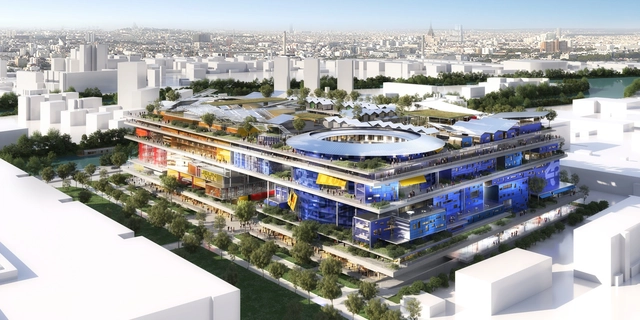
Ateliers Jean Nouvel's new mixed-use development in the Greater Paris area defines a complex vertical neighbourhood that caters to the latest changes in living, working and leisure. Located in the Gennevilliers Neighbourhood, on the banks of the river Seine, Jeuneville aims to create a sustainable and inspiring living environment, a place of synergy designed for a new generation of city dwellers and a new economy.
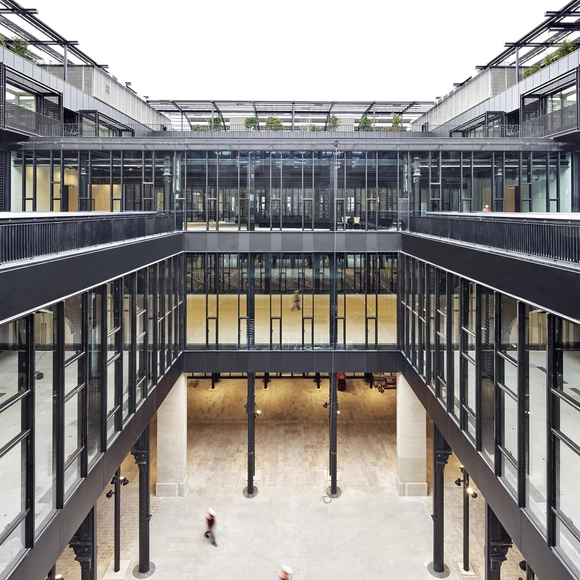
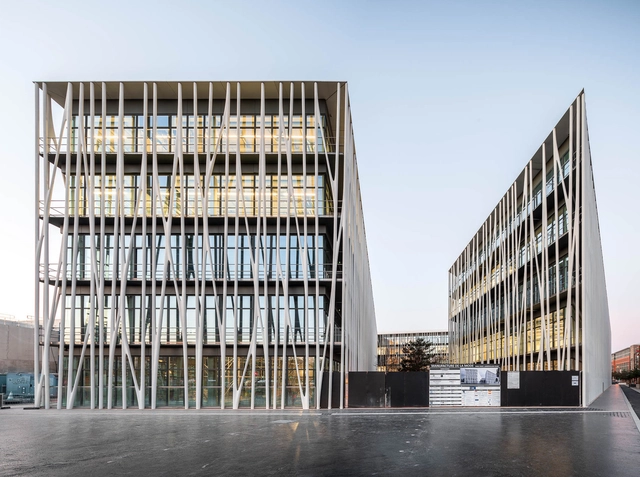
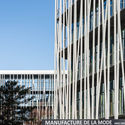
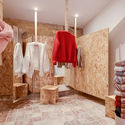
Designed by award-winning architect Rudy Ricciotti, the designer of the MuCEM in Marseille, the Jean-Boutin Stadium in Paris, and the Islamic Arts Exhibition in the Louvre Museum, the Manufacture de la Mode reintroduces Chanel's intricate craftsmanship in an architectural and urban context. Architectural photographer Simon Garcia uncovers the newly-inaugurated fashion community in a series of photographs.
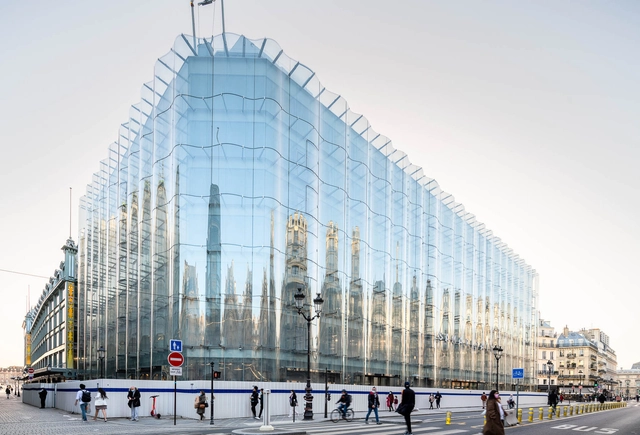
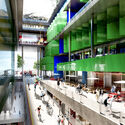
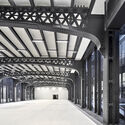
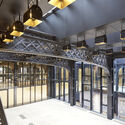
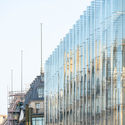
After surpassing many hurdles, SANAA's renovation of La Samaritaine Department Store is set to open its doors to the public. The redesign of the Parisian retail institution reinstates its historical value while bringing a contemporary contribution to its architecture.

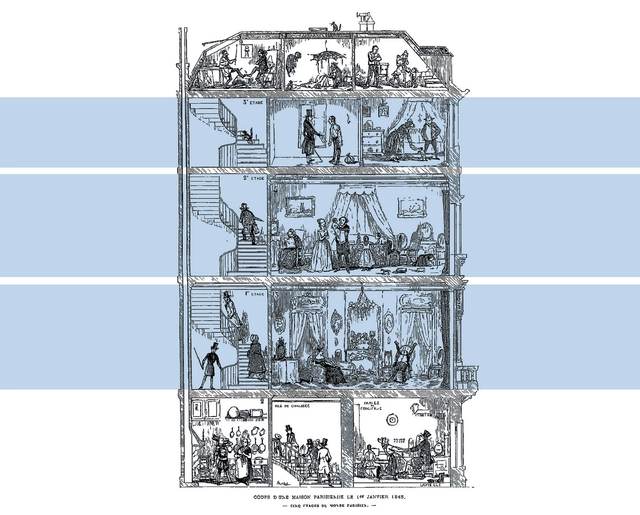
The introduction of new techniques and materials, along with innovations in indoor plumbing systems, resulting from the industrial revolution, paved the way for vertical living. Investigating specifically a period of time where a flux of population was driven to cities, and social class divisions were being questioned, this article looks back at the evolution of the house plan in Europe between 1760 and 1939.
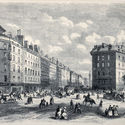
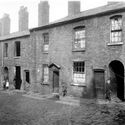
Tackling the transformation of the housing unit during the industrial revolution all the way to the interwar period, this feature highlights four prominent examples that rethought traditional layouts and responded to the challenges of their time. Still influential today, the mentioned models, restored for use, happen to be part of the 21st-century urban fabric. Located in London, Paris, Amsterdam, and Moscow, the plans showcase the ever-changing interior wellbeing standards, directly linked to a broader metamorphosis, equalizing and providing for growing urban populations. Discover the evolution of living units from the Back to Back Houses to the Garden Cities of England; the Haussmannien Block, a Vertical Living for a Modern Bourgeoisie; the Extension of Amsterdam, from Alcove Housing to Social Housing Blocks; and the Transition Type House in Russia.
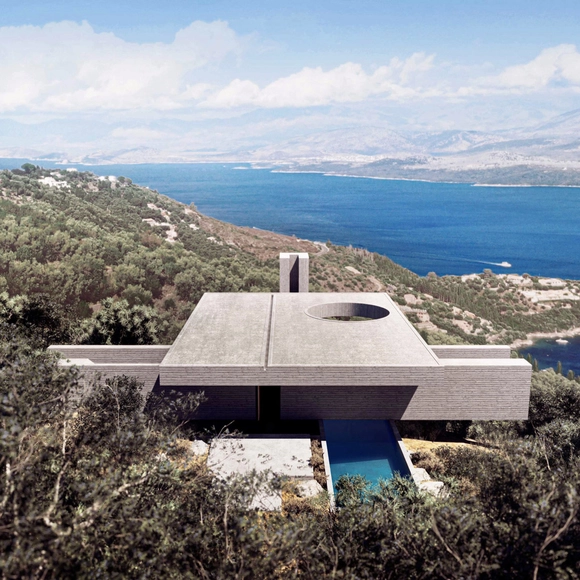
Focusing on the different typologies of houses, this week’s curated selection of Best Unbuilt Architecture highlights conceptual projects submitted by the ArchDaily Community. From urban developments to tiny homes, this article explores the topic of residential architecture and presents approaches from all over the world.
Featuring a cabin amidst the verdant forested region of northern Iran, a development in Georgia that offers an 80% recreational space to 20% housing ratio, and a project in Paris that re-questions our urban reality, and rethinks traditional forms of housing, this roundup tackles a multitude of scales. In addition, it underlines a collection of beach houses in Greece, Italy, Argentina, and Latvia each responding to a different landscape and topography. Other ideas underlined include the renovation of existing developments in Moscow, a residential-led transformation of a former factory in Manchester, and a family of blocks grouped around an elevated communal garden in the Netherlands.
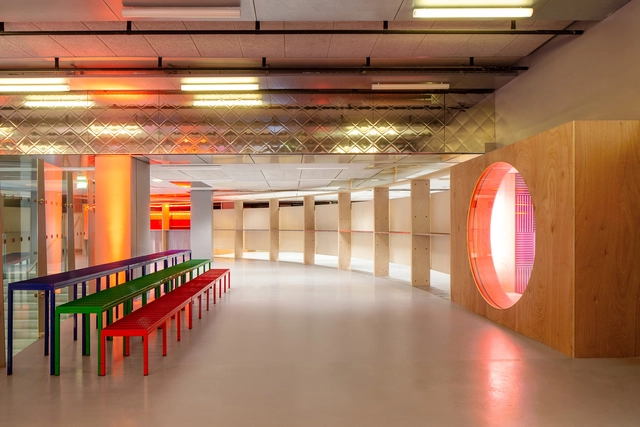


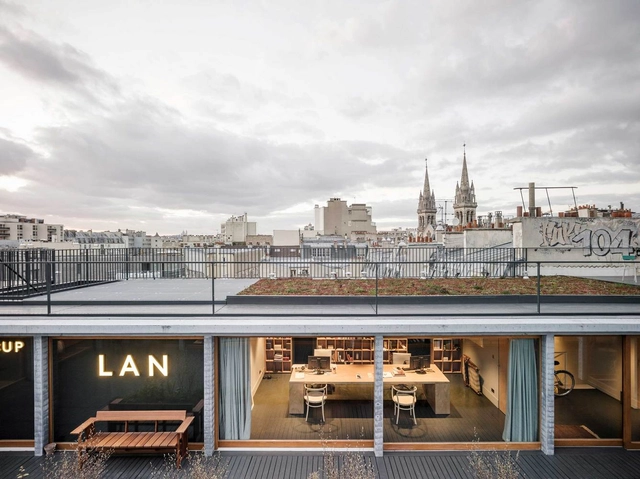
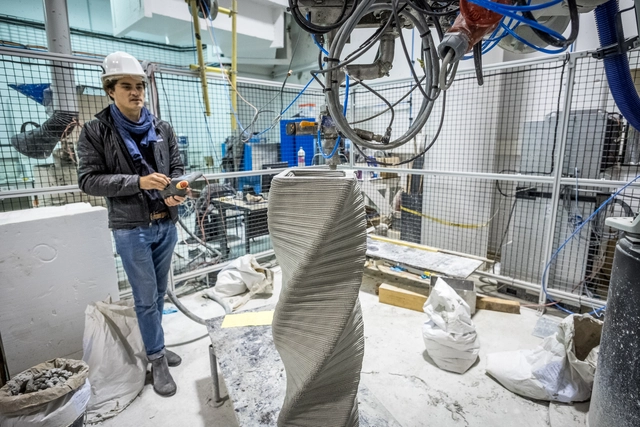
The Advanced Master[1] “Design by Data” in Computation Design & Robotics for Architecture and Construction was launched in 2016 and is one of the latest programs in innovative professional education at l'École des Ponts ParisTech. The program was designed to meet the increasing need of the professional sectors of architecture and engineering for combining architectural awareness and skills in creative engineering. Design by Data trains professionals to master advanced design tools (coding, generative design, machine learning) as well as digital manufacturing and design processes (robotics, 3D printing, and mechatronics) applied to architectural and construction projects.
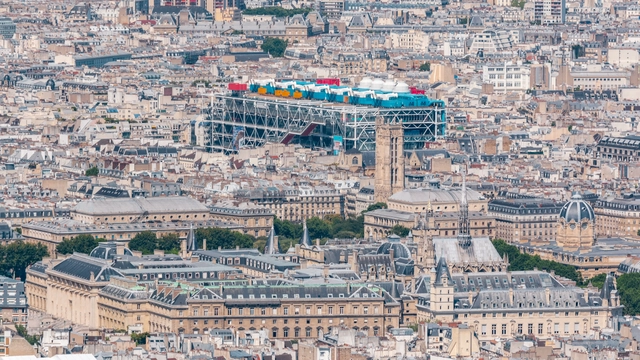
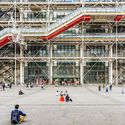
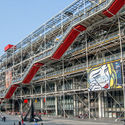
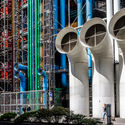
The Centre Georges Pompidou in Paris, France, known also as Beaubourg, is set to undergo major renovation works. Designed in the 1970s by architects Renzo Piano and Richard Rogers, and inaugurated in 1977, one of the capital’s leading cultural attractions is scheduled to be closed completely as of the end of 2023 until 2027. Showing signs of aging, especially when it comes to the heating and cooling system, escalators and elevator malfunctions, and asbestos that must be removed, this is not the inside-out museum's first revamp, in fact, it was closed down once before in 1997, during its 20th anniversary, for a couple of years.















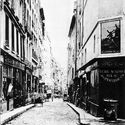
.jpg "Residential houses \"Eigen Haard\", Spaarndammerplantsoen, Amsterdam, Original state, 1915. Image Courtesy of Wikimedia")