1. ArchDaily
  2. Orchard

Orchard: The Latest Architecture and News

Home Gardens: Residential Projects That Embrace Agriculture

Subscriber Access | 

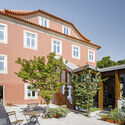
Since before the first industrial revolution, sociologists, historians, and urban planners have been addressing the relationship between the city and the countryside, but this debate has become more pressing nowadays with the spread of megacities, typically with a population of more than 10 million people. With more and more people living in urban areas, it is imperative to think of solutions for food production within cities, thereby making cities more independent from rural areas, which have historically been responsible for the supply of food to the entire planet.

The idea that cities will become self-sufficient in food production in the near future is both unrealistic and naive. Nevertheless, small initiatives such as urban gardens, either at home or public gardens run by the community, might be a good starting point for a much bigger change in the future. Or perhaps they simply represent a desire to return to one's roots and achieve a slightly slower lifestyle.
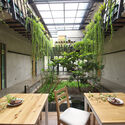
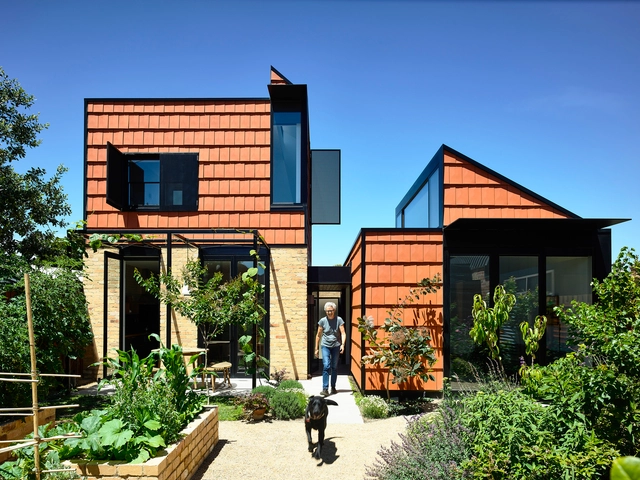
Home Gardens: Residential Projects That Embrace Agriculture - Image 1 of 4Home Gardens: Residential Projects That Embrace Agriculture - Image 2 of 4Home Gardens: Residential Projects That Embrace Agriculture - Image 3 of 4Home Gardens: Residential Projects That Embrace Agriculture - Image 4 of 4Home Gardens: Residential Projects That Embrace Agriculture - More Images+ 12

Structure and Translucent Cladding: How to Design a Greenhouse

Subscriber Access | 

Structure and Translucent Cladding: How to Design a Greenhouse - Image 1 of 4Structure and Translucent Cladding: How to Design a Greenhouse - Image 2 of 4Structure and Translucent Cladding: How to Design a Greenhouse - Image 3 of 4Structure and Translucent Cladding: How to Design a Greenhouse - Image 4 of 4Structure and Translucent Cladding: How to Design a Greenhouse - More Images+ 17

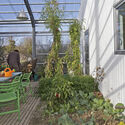
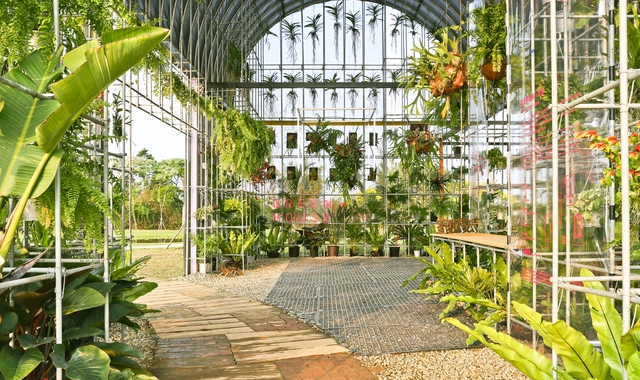
Since at least as early as ancient Roman times, humans have recognized the value of what is now known as controlled environment agriculture, allowing farmers to cultivate plants year-round rather than seasonally. Though they were invented hundreds of years ago, greenhouses continue to be the most popular means of controlled environment agriculture today, with innovations in technology and design having improved both the beauty and efficacy of this typology. Below, we will explore in detail the history and structure of the greenhouse, as well as several examples of innovative and experimental greenhouse design.

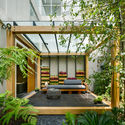
How to Incorporate Gardens in Home Design

How to Incorporate Gardens in Home Design - SustainabilityHow to Incorporate Gardens in Home Design - SustainabilityHow to Incorporate Gardens in Home Design - SustainabilityHow to Incorporate Gardens in Home Design - SustainabilityHow to Incorporate Gardens in Home Design - More Images+ 37

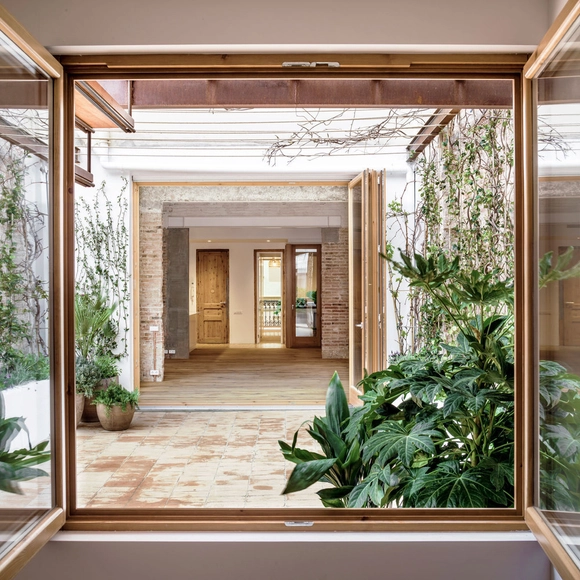
Indoor gardens can contribute important benefits to home living, ranging from aesthetic beauty to improved health and productivity. Research has shown that indoor plants help eliminate indoor air pollutants called Volatile Organic Compounds (VOCs) that emanate from adhesives, furnishings, clothing, and solvents, and are known to cause illnesses. They also increase subjective perceptions of concentration and satisfaction, as well as objective measures of productivity. Indoor gardens may even reduce energy use and costs because of the reduced need for air circulation. These benefits complement the obvious aesthetic advantages of a well-designed garden, making the indoor garden an attractive residential feature on several fronts.

Low-Budget Urban Garden Uses Local Materials to Bring Quito's Community Together

Subscriber Access | 

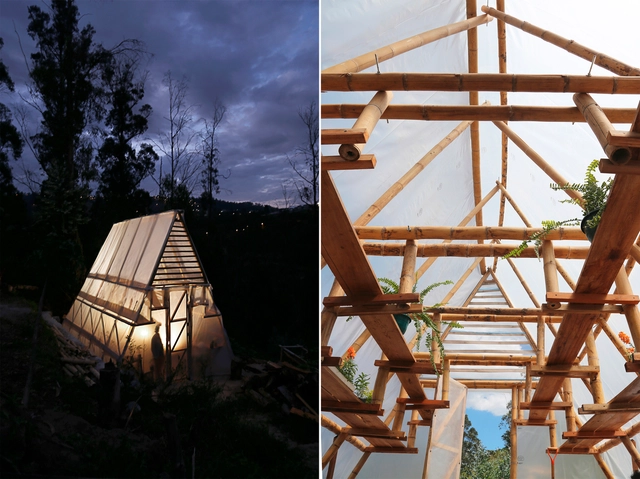
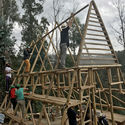
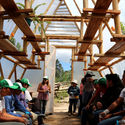
The social design from Natura Futura Arquitectura for a greenhouse in the warm subtropical climate of Nayón, Ecuador, the proposal approaches the use of local material resources in the construction of low-budget productive structures for the development of the collective.

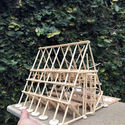
The project, materialized with bamboo, wood and greenhouse plastic, is based on the basic geometrical figure of the triangle, proposing sectors with different levels of illumination for different types of farming.

Low-Budget Urban Garden Uses Local Materials to Bring Quito's Community Together - SustainabilityLow-Budget Urban Garden Uses Local Materials to Bring Quito's Community Together - SustainabilityLow-Budget Urban Garden Uses Local Materials to Bring Quito's Community Together - SustainabilityLow-Budget Urban Garden Uses Local Materials to Bring Quito's Community Together - SustainabilityLow-Budget Urban Garden Uses Local Materials to Bring Quito's Community Together - More Images+ 21