1. ArchDaily
  2. OMA

OMA: The Latest Architecture and News

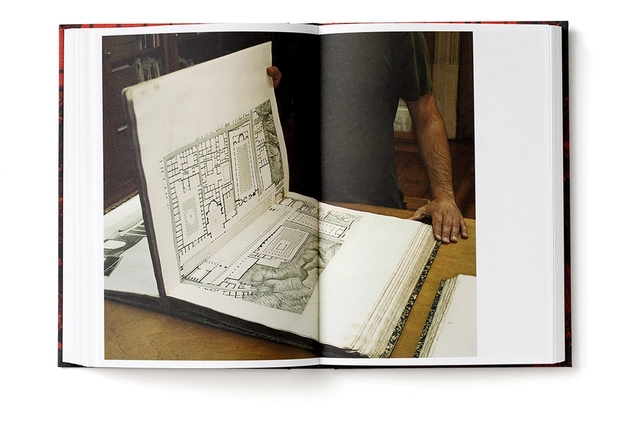
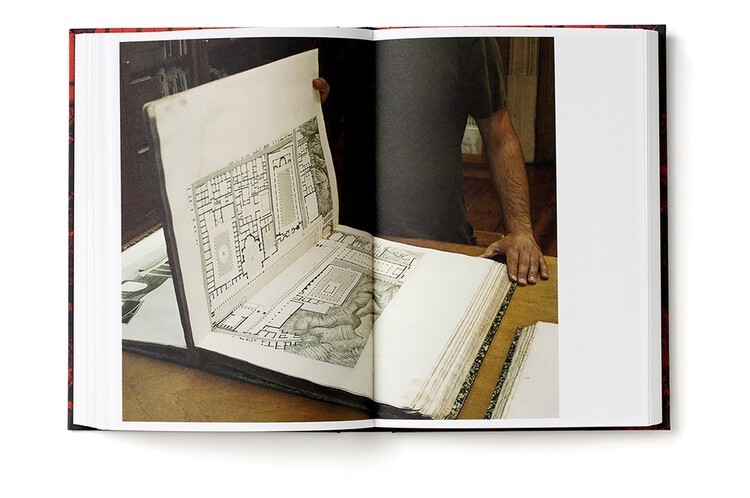
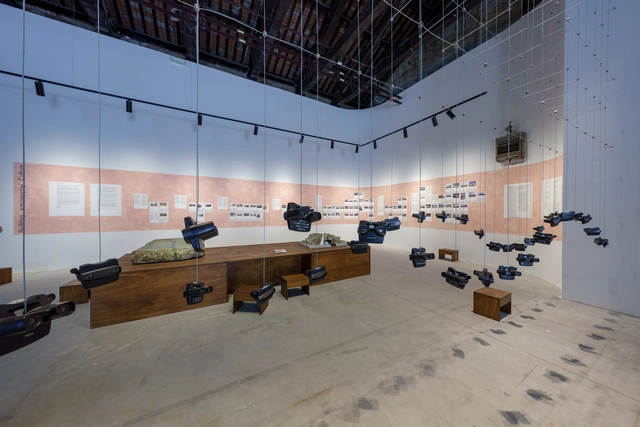
Expanding Practice: Architecture Think Tanks at the Intersection of Research and Design

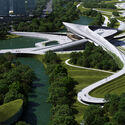
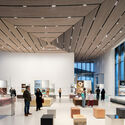
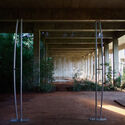
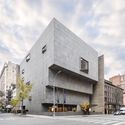
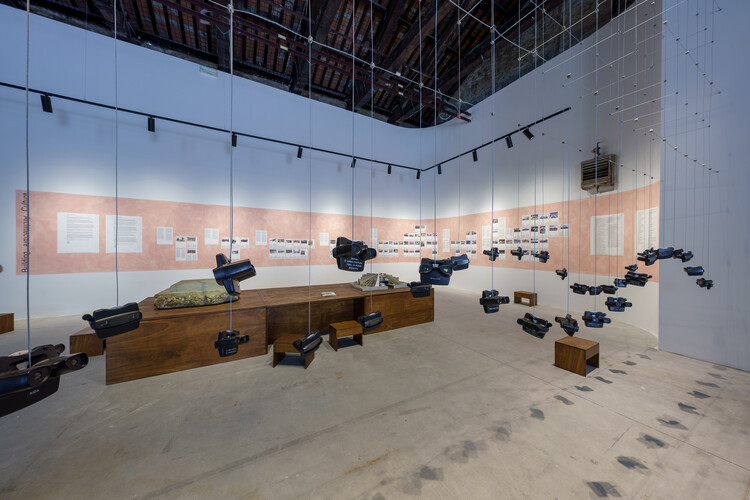
In architecture, most practices revolve around delivering projects to clients. Offices are shaped by deadlines, budgets, and clear briefs. While this structure produces buildings, it rarely leaves space for architects to question broader issues — about how we live, how cities are changing, or what the future demands of design. But alongside this production-focused system, a quieter movement has emerged: studios, collectives, and foundations that prioritize research, experimentation, and reflection. These are the architecture think tanks — spaces designed not to build immediately, but to think first.

The idea of a think tank is not new. Traditionally found in politics, economics, or science, think tanks bring together experts to study complex problems and propose solutions. In architecture, their rise reveals a tension at the heart of the discipline. If architecture is to remain socially and environmentally relevant, can it continue to rely only on client-driven practice? Or must it carve out space for slower, deeper inquiry?

Expanding Practice: Architecture Think Tanks at the Intersection of Research and Design - Image 1 of 4Expanding Practice: Architecture Think Tanks at the Intersection of Research and Design - Image 2 of 4Expanding Practice: Architecture Think Tanks at the Intersection of Research and Design - Image 3 of 4Expanding Practice: Architecture Think Tanks at the Intersection of Research and Design - Image 4 of 4Expanding Practice: Architecture Think Tanks at the Intersection of Research and Design - More Images+ 48

Shaping Desire: How Architects Redefine Commercial Spaces

Subscriber Access | 

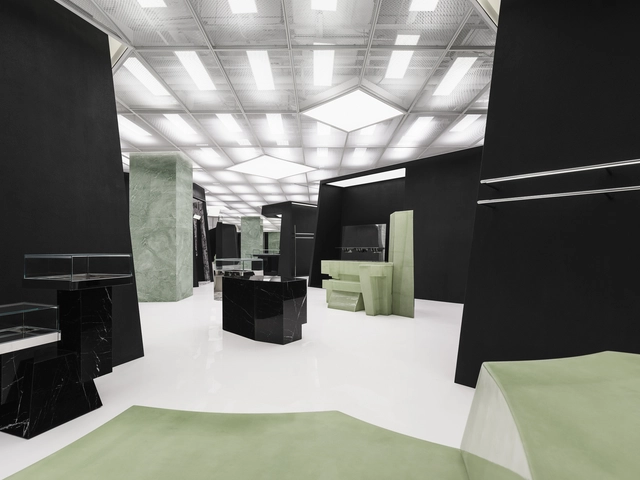
In contemporary architecture, commercial spaces have become more than points of sale; they are stages where identity, image, and experience converge. Stores, showrooms, and branded interiors often operate as laboratories where architects experiment with form, material, and light, translating corporate narratives into spatial experiences. In this context, the architect emerges as a mediator of desire, shaping atmospheres that guide perception, evoke emotion, and subtly influence behavior. This role reveals a complex intersection between design and capitalism: the creation of spaces that sell not only products, but also aspirations, lifestyles, and cultural meaning. By transforming commerce into an architectural performance, these projects invite reflection on how the discipline negotiates its agency in a world where visibility and image have become as essential as function.

Shaping Desire: How Architects Redefine Commercial Spaces - Image 1 of 4Shaping Desire: How Architects Redefine Commercial Spaces - Image 2 of 4Shaping Desire: How Architects Redefine Commercial Spaces - Image 3 of 4Shaping Desire: How Architects Redefine Commercial Spaces - Image 4 of 4Shaping Desire: How Architects Redefine Commercial Spaces - More Images+ 55

Architectural Authorship in the Age of the Collective Practices

Subscriber Access | 

This article is part of our new Opinion section, a format for argument-driven essays on critical questions shaping our field.

Who designs architecture today? In a professional landscape increasingly defined by collaborative workflows, generative software, and distributed teams, the figure of the architect as a singular creative author feels both anachronistic and inadequate. This article argues that architectural authorship is no longer an individual act, but a collective and distributed condition shaped by institutions, technologies, and shared forms of labor. The transition from individual to collective authorship is not simply a consequence of larger offices or digital tools; it signals a deeper structural shift in how architecture is produced, communicated, and validated.

Architectural Authorship in the Age of the Collective Practices - Image 1 of 4Architectural Authorship in the Age of the Collective Practices - Image 2 of 4Architectural Authorship in the Age of the Collective Practices - Image 3 of 4Architectural Authorship in the Age of the Collective Practices - Image 5 of 4Architectural Authorship in the Age of the Collective Practices - More Images+ 23

Miami Architecture City Guide: 22 Projects Shaping Tropical Density on the Atlantic Coast

Subscriber Access | 

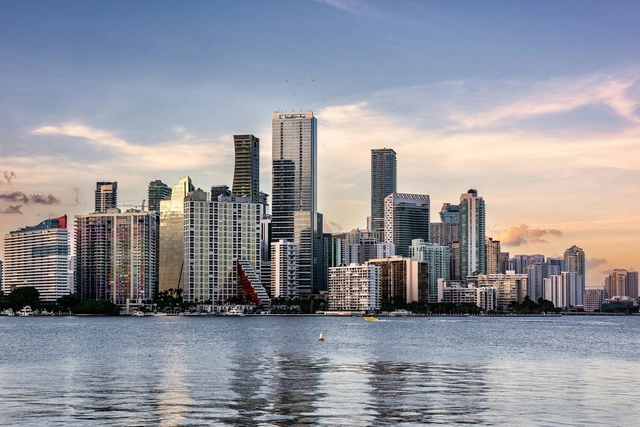
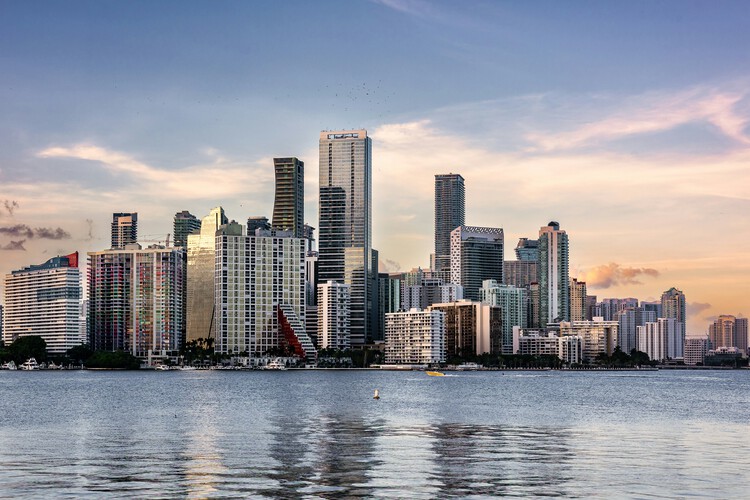
Stretching along the Atlantic coast at the southern tip of Florida, Miami is often introduced through postcard views of beaches, palm trees, and glass towers facing the water. Yet, behind this familiar image lies a city shaped by migration, tourism, and real estate cycles, where architecture has repeatedly been used to project new identities and reinvent the urban landscape. From early resort hotels and the Art Deco façades of South Beach to experimental high-rises and cultural institutions on the bay, the built environment offers a way to read how Miami negotiates climate, economy, and everyday life.

Over the past century, the city has grown through successive layers of development that remain visible in its streets and skylines. The streamlined geometry and pastel colors of the historic Art Deco District coexist with the exuberant forms of Miami Modern (MiMo) motels and postwar infrastructure along Biscayne Boulevard. Downtown and Brickell have transformed from low-rise business districts into dense clusters of residential and office towers, many designed by international firms working alongside local practices. At the same time, neighborhoods such as Little Havana, Allapattah, and Wynwood reveal how diasporic communities, industrial heritage, and creative industries occupy and adapt existing fabrics, often in contrast with the image-driven waterfront.

Miami Architecture City Guide: 22 Projects Shaping Tropical Density on the Atlantic Coast - Image 1 of 4Miami Architecture City Guide: 22 Projects Shaping Tropical Density on the Atlantic Coast - Image 2 of 4Miami Architecture City Guide: 22 Projects Shaping Tropical Density on the Atlantic Coast - Image 3 of 4Miami Architecture City Guide: 22 Projects Shaping Tropical Density on the Atlantic Coast - Image 4 of 4Miami Architecture City Guide: 22 Projects Shaping Tropical Density on the Atlantic Coast - More Images+ 36

World Architecture Festival 2025: Day Two Winners Announced

Subscriber Access | 

The second round of award winners of the 2025 World Architecture Festival (WAF) has been announced, following Day Two of the world's largest international live-judged architectural event, held at the Miami Beach Convention Center in Florida.

In total, the three-day festival will see over 460 live pitches from the 2025 finalists, presented to more than 160 international judges. Today has seen shortlisted projects from around the world compete for 21 award categories within Completed Buildings, Future Projects, and Interiors. Award winners include OMA, Sordo Madaleno, Studio Arthur Casas, and NIKKEN SEKKEI.

New Cultural Venues, Awards and Transformative Architecture From Ghana to New York: This Week’s Review

This week's architecture news highlights a diverse global landscape of design innovation, cultural investment, and adaptive reuse. Across continents, new museums and cultural venues are opening to foster dialogue around art, design, and community engagement. At the same time, major recognitions and project announcements underscore the growing importance of sustainable, socially conscious practices in shaping contemporary architecture. From adaptive transformations in New York, Tainan, and Milan, including preparations for the Milano Cortina 2026 Winter Games, to new cultural landmarks in Ghana and Qatar, this week's overview features projects by leading firms such as Herzog & de Meuron, Snøhetta, and Mecanoo, alongside initiatives from emerging practices like Limbo Accra in West Africa.

New Cultural Venues, Awards and Transformative Architecture From Ghana to New York: This Week’s Review - Image 1 of 4New Cultural Venues, Awards and Transformative Architecture From Ghana to New York: This Week’s Review - Image 2 of 4New Cultural Venues, Awards and Transformative Architecture From Ghana to New York: This Week’s Review - Image 3 of 4New Cultural Venues, Awards and Transformative Architecture From Ghana to New York: This Week’s Review - Image 4 of 4New Cultural Venues, Awards and Transformative Architecture From Ghana to New York: This Week’s Review - More Images+ 17

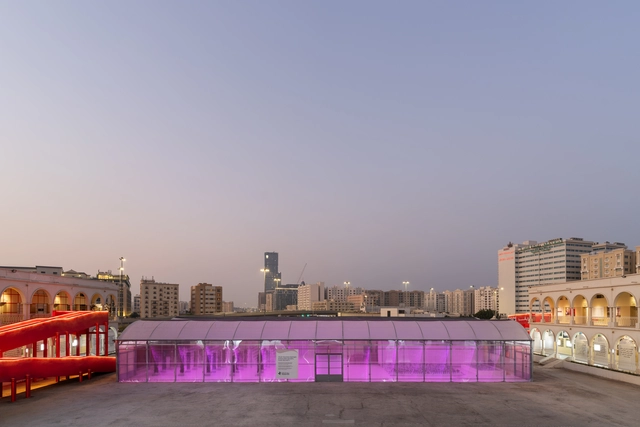
AMO / OMA Explores the Future of Rural Living with “Countryside: A Place to Live, Not to Leave” in Doha

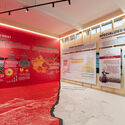
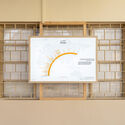
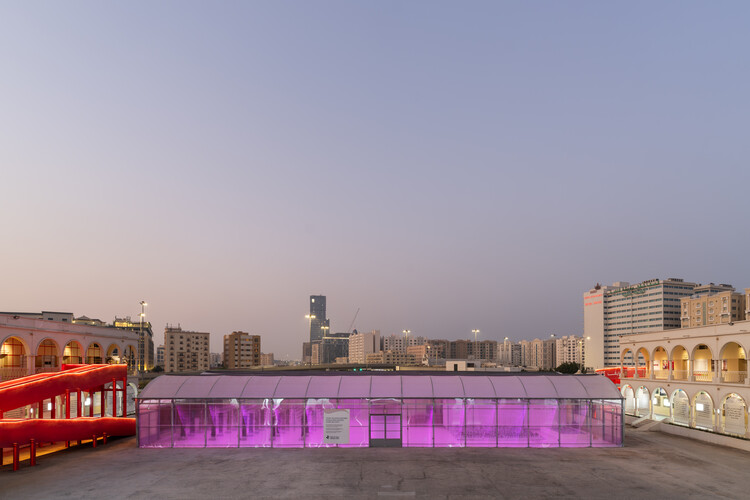
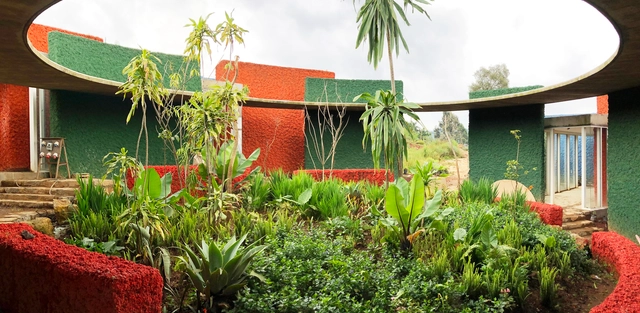
Countryside: A Place to Live, Not to Leave by AMO / OMA presents an exploration of contemporary life beyond the city, examining how rural territories adapt to global transformation. Conceived under the direction of Rem Koolhaas and Samir Bantal, with Yotam Ben Hur as project architect, the exhibition is presented by Qatar Museums in collaboration with the Qatar Fund for Development (QFFD), the Ministry of Environment and Climate Change (MoECC), Hassad Food, and Kahramaa. It is hosted across two venues in Doha, the Qatar Preparatory School and the National Museum of Qatar, and remains accessible to the public until June 30, 2026.

AMO / OMA Explores the Future of Rural Living with “Countryside: A Place to Live, Not to Leave” in Doha - Image 1 of 4AMO / OMA Explores the Future of Rural Living with “Countryside: A Place to Live, Not to Leave” in Doha - Image 2 of 4AMO / OMA Explores the Future of Rural Living with “Countryside: A Place to Live, Not to Leave” in Doha - Image 3 of 4AMO / OMA Explores the Future of Rural Living with “Countryside: A Place to Live, Not to Leave” in Doha - Image 4 of 4AMO / OMA Explores the Future of Rural Living with “Countryside: A Place to Live, Not to Leave” in Doha - More Images+ 13

OMA Unveils Hillside Redevelopment Project in Busan, South Korea

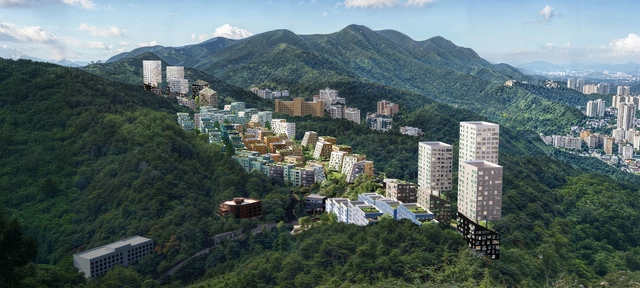
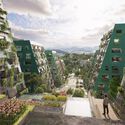
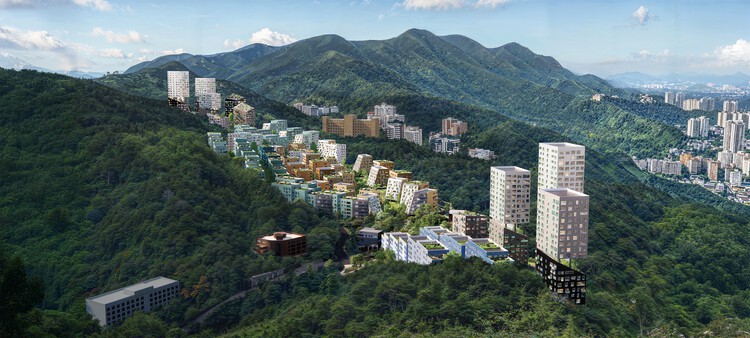
The Busan Slope Housing project by OMA addresses urban redevelopment on the steep hillsides of Busan, South Korea, drawing on the city's topographical complexity and historical settlement patterns. Developed in collaboration with the Busan Architecture Festival and the Department of Housing and Architecture, the project explores strategies to rethink hillside neighborhoods while responding to both contemporary housing needs and the social and spatial legacies of these areas. Rather than replacing these areas with conventional high-rise estates, OMA envisions a flexible, context-responsive framework that integrates contemporary housing typologies with the site's inherited structure.

OMA Unveils Hillside Redevelopment Project in Busan, South Korea - Image 1 of 4OMA Unveils Hillside Redevelopment Project in Busan, South Korea - Image 2 of 4OMA Unveils Hillside Redevelopment Project in Busan, South Korea - Image 3 of 4OMA Unveils Hillside Redevelopment Project in Busan, South Korea - Image 4 of 4OMA Unveils Hillside Redevelopment Project in Busan, South Korea - More Images+ 4

Madelon Vriesendorp, Co-Founder of OMA, Receives the 2025 Soane Medal

Dutch artist Madelon Vriesendorp has been named the recipient of the 2025 Soane Medal, becoming the first UK-based female artist to receive the award since its launch in 2017. A co-founder of Office for Metropolitan Architecture (OMA), Vriesendorp is widely recognized for her surrealist and humorous visual language that has shaped how modern and postmodern architecture is represented and understood. Her work, which blends playfulness with critical thought, has provided architecture with vivid, memorable imagery that continues to influence generations of architects.

Madelon Vriesendorp, Co-Founder of OMA, Receives the 2025 Soane Medal - Image 1 of 4Madelon Vriesendorp, Co-Founder of OMA, Receives the 2025 Soane Medal - Image 2 of 4Madelon Vriesendorp, Co-Founder of OMA, Receives the 2025 Soane Medal - Image 3 of 4Madelon Vriesendorp, Co-Founder of OMA, Receives the 2025 Soane Medal - Image 4 of 4Madelon Vriesendorp, Co-Founder of OMA, Receives the 2025 Soane Medal - More Images+ 4

The Architect as Writer: Expanding the Discipline Beyond Buildings

Architecture has always been more than bricks and mortar. It is equally constructed through words, ideas, and narratives. From ancient treatises to radical manifestos, from technical manuals to poetic essays, the written word has served as a spatial, pedagogical, and political tool within the field. Writing shapes how architecture is conceptualized, communicated, and critiqued — often long before, or even in the absence of, physical construction.

Historically, figures such as Vitruvius, Alberti, and Palladio employed writing to codify principles, project ideals, and legitimize architecture as a discipline. In the modern era, Le Corbusier, Adolf Loos, and Lina Bo Bardi wrote prolifically to expand the scope of architecture beyond form and function, often using publications as tools for persuasion and experimentation. The postwar period gave rise to new editorial strategies, as evident in the manifestos of Archizoom and Superstudio, and the polemical publications of Delirious New York and Oppositions, where writing served as both critique and project.

The Architect as Writer: Expanding the Discipline Beyond Buildings - Image 1 of 4The Architect as Writer: Expanding the Discipline Beyond Buildings - Image 2 of 4The Architect as Writer: Expanding the Discipline Beyond Buildings - Image 3 of 4The Architect as Writer: Expanding the Discipline Beyond Buildings - Image 4 of 4The Architect as Writer: Expanding the Discipline Beyond Buildings - More Images+ 31

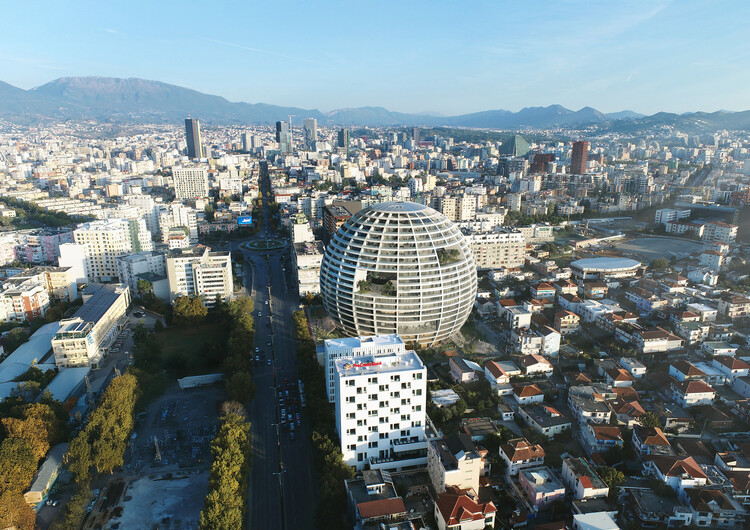
Albania Pavilion Explores the Intersections of Architecture, History, and Identity at the 2025 Venice Biennale

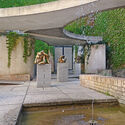
Curated by Anneke Abhelakh, the Albania Pavilion at the 2025 Venice Architecture Biennale, titled "Building Architecture Culture", explores how the country's architecture embodies its political, cultural, and social transformations. Albania's built environment reflects a layered history, from Ottoman and Italian rule to communist isolation and post-socialist transformation, each leaving visible marks on its cities and public spaces. The pavilion examines how architecture both responds to and shapes collective memory, public space, and civic engagement, framing these questions through past, present, and future perspectives.

Albania Pavilion Explores the Intersections of Architecture, History, and Identity at the 2025 Venice Biennale - Image 1 of 4Albania Pavilion Explores the Intersections of Architecture, History, and Identity at the 2025 Venice Biennale - Image 2 of 4Albania Pavilion Explores the Intersections of Architecture, History, and Identity at the 2025 Venice Biennale - Image 3 of 4Albania Pavilion Explores the Intersections of Architecture, History, and Identity at the 2025 Venice Biennale - Image 4 of 4Albania Pavilion Explores the Intersections of Architecture, History, and Identity at the 2025 Venice Biennale - More Images+ 25

OMA/Shohei Shigematsu Designs Louis Vuitton’s “Visionary Journeys” First Museum Presentation in Osaka

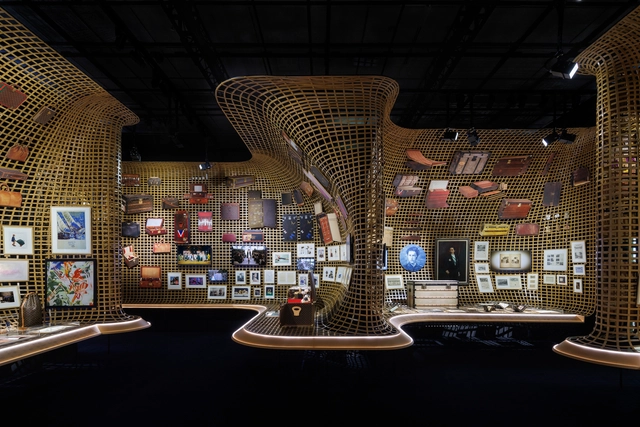
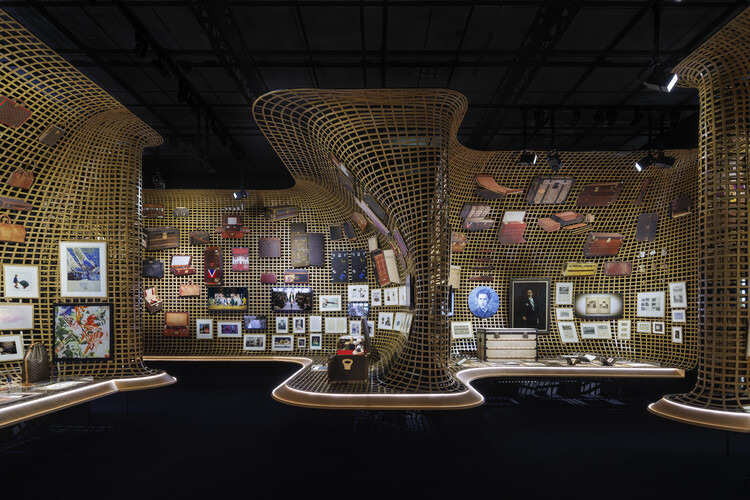
Louis Vuitton: Visionary Journeys has opened to the public at the Nakanoshima Museum of Art in Osaka and will be open to visitors until September 17, 2025. Designed by OMA's New York office under the direction of Partner Shohei Shigematsu, the exhibition marks the first time the Visionary Journeys series has been staged in a cultural institution. Spanning 2,200 square meters across eleven thematic galleries, the project offers a comprehensive spatial narrative of the Maison's 170-year creative legacy, articulated through zones dedicated to history, craftsmanship, iconic design codes, and cultural exchange.

OMA/Shohei Shigematsu Designs Louis Vuitton’s “Visionary Journeys” First Museum Presentation in Osaka - Image 1 of 4OMA/Shohei Shigematsu Designs Louis Vuitton’s “Visionary Journeys” First Museum Presentation in Osaka - Image 2 of 4OMA/Shohei Shigematsu Designs Louis Vuitton’s “Visionary Journeys” First Museum Presentation in Osaka - Image 3 of 4OMA/Shohei Shigematsu Designs Louis Vuitton’s “Visionary Journeys” First Museum Presentation in Osaka - Image 4 of 4OMA/Shohei Shigematsu Designs Louis Vuitton’s “Visionary Journeys” First Museum Presentation in Osaka - More Images+ 31

OMA Completes JOMOO Headquarters in Xiamen, China

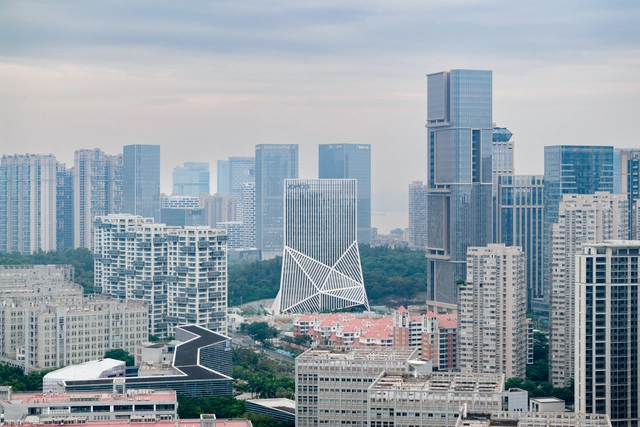
OMA has completed the JOMOO Headquarters in Xiamen, marking the first office campus for China's largest sanitaryware company. Situated at the edge of the city's central business district, the building reflects JOMOO's ongoing transformation into a global brand. The project was led by OMA Partner Chris van Duijn, alongside project architects Lingxiao Zhang and Chen Lu. According to Chris van Duijn, the headquarters is part of a broader trajectory in OMA's work across rapidly developing Chinese cities such as Hangzhou, Xiamen, and Shenzhen, where the office continues to explore new relationships between tower architecture and its urban context.

OMA Completes JOMOO Headquarters in Xiamen, China - Featured ImageOMA Completes JOMOO Headquarters in Xiamen, China - Image 1 of 4OMA Completes JOMOO Headquarters in Xiamen, China - Image 2 of 4OMA Completes JOMOO Headquarters in Xiamen, China - Image 3 of 4OMA Completes JOMOO Headquarters in Xiamen, China - More Images+ 3

Casa da Música: Transforming Domestic Experimentation into Public Monumentality

Subscriber Access | 

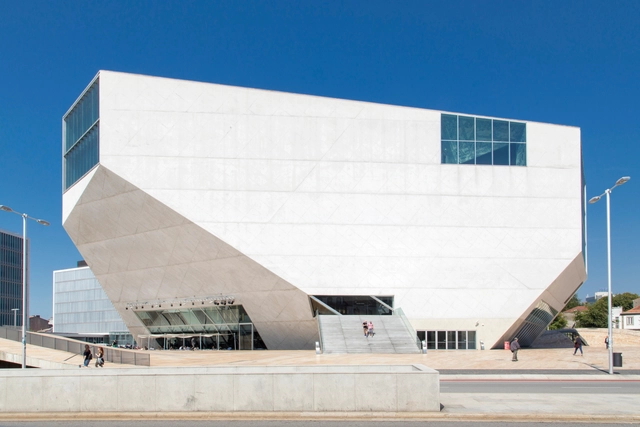
At the turn of the millennium, the world was gripped by the looming threat of the Y2K bug, a potential failure of computerized systems that could disrupt everything from banking to aviation. As midnight approached on December 31, 1999, people withdrew their savings, major corporations issued warnings, and governments scrambled to prevent public hysteria. But as the sun rose on January 1, 2000, the feared bug had no material impact, and the crisis faded as quickly as it had emerged. However, this era left its mark in unexpected places — particularly in architecture. Amid the anxiety surrounding digital technology, one of the most iconic concert halls of our time, Casa da Música in Porto, was born. Designed by OMA (Office for Metropolitan Architecture), its origins can be traced to a much smaller project: the Y2K House. What began as an exploration of private domesticity during the digital scare evolved into a grand public structure — an architectural transition from home to a performance hall.

Casa da Música: Transforming Domestic Experimentation into Public Monumentality - Image 1 of 4Casa da Música: Transforming Domestic Experimentation into Public Monumentality - Image 2 of 4Casa da Música: Transforming Domestic Experimentation into Public Monumentality - Image 3 of 4Casa da Música: Transforming Domestic Experimentation into Public Monumentality - Image 4 of 4Casa da Música: Transforming Domestic Experimentation into Public Monumentality - More Images+ 18

Towards an Architecture of Many Intelligences: How Collective Knowledge Shapes the Built Environment

As architecture navigates a rapidly changing world shaped by ecological urgency, social transformation, and technological acceleration, the notion of intelligence is shifting. No longer confined to individual cognition or artificial computation, intelligence can emerge from cultural memory, collective practices, and adaptive systems. In this broader sense, architecture becomes a field of convergence, where natural, artificial, and social intelligences intersect to offer new ways of designing and building.

Vernacular traditions embed generations of environmental knowledge, often transmitted through materials, construction techniques, and spatial logics finely tuned to local conditions; participatory platforms expand decision-making to wider communities to take part in shaping their environments, redistributing agency in the design process; and computational processes simulate and respond to complex data in real time bringing the capacity to analyse, simulate, and respond to complex variables — whether environmental, social, or behavioural — offering new forms of adaptability.

Towards an Architecture of Many Intelligences: How Collective Knowledge Shapes the Built Environment - Image 1 of 4Towards an Architecture of Many Intelligences: How Collective Knowledge Shapes the Built Environment - Image 2 of 4Towards an Architecture of Many Intelligences: How Collective Knowledge Shapes the Built Environment - Image 3 of 4Towards an Architecture of Many Intelligences: How Collective Knowledge Shapes the Built Environment - Image 4 of 4Towards an Architecture of Many Intelligences: How Collective Knowledge Shapes the Built Environment - More Images+ 25

Venice Architecture City Guide: 15 Historical and Contemporary Attractions to Discover in Italy’s City of Canals

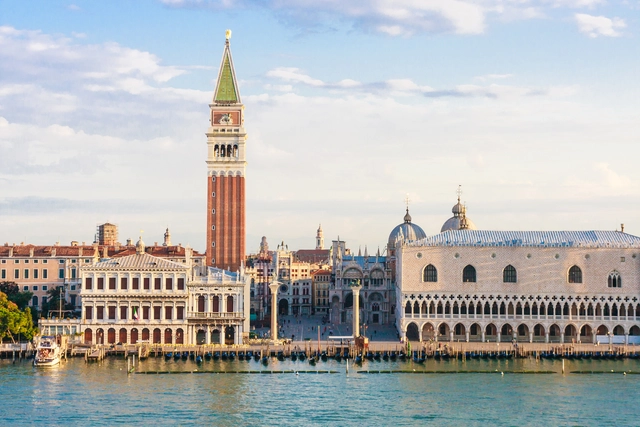
Built on a cluster of 118 small islands in the shallow Venetian Lagoon, the city of Venice, Italy, has captivated the imagination of architects and tourists alike. The area has been inhabited since ancient times, becoming a major financial and maritime power during the Middle Ages and Renaissance, as proven through the rich architecture that characterizes the city to this day. With influences from the Byzantine, Gothic, and Renaissance styles, the city represents a palimpsest of architectural narratives, overlapping and influencing each other. In recent years, Venice has become a major attraction for architects drawn to the La Biennale di Venezia, the most important Architectural Exhibition featuring national pavilions, exhibitions, and events to explore new concepts and architectural innovations.

Beyond the Biennale, Venice itself is an open-air museum for architecture lovers. While the city is best known for its historical buildings, Modernist and contemporary interventions add a new layer of interest, with many contemporary architects working with the historical fabric, like OMA's intervention and rehabilitation of Fondaco dei Tedeschi, or David Chipperfield's renovation of Procuratie Vecchie, one of the buildings that define Piazza San Marco. In addition to what the city has to offer, the site of the Venice Biennale is also marked by interventions by famous architects such as Carlo Scarpa, Sverre Fehn, and Alvar Aalto, made permanent due to their outstanding qualities.

Venice Architecture City Guide: 15 Historical and Contemporary Attractions to Discover in Italy’s City of Canals - Image 1 of 4Venice Architecture City Guide: 15 Historical and Contemporary Attractions to Discover in Italy’s City of Canals - Image 2 of 4Venice Architecture City Guide: 15 Historical and Contemporary Attractions to Discover in Italy’s City of Canals - Image 3 of 4Venice Architecture City Guide: 15 Historical and Contemporary Attractions to Discover in Italy’s City of Canals - Image 4 of 4Venice Architecture City Guide: 15 Historical and Contemporary Attractions to Discover in Italy’s City of Canals - More Images+ 11

"Christian Dior: Designer of Dreams" Opens in Seoul with Exhibition Design by OMA

OMA has unveiled its latest exhibition design for "Christian Dior: Designer of Dreams" in Seoul, South Korea. Held at Dongdaemun Design Plaza (DDP), the exhibition marks the fifth collaboration between OMA and Dior. Previous designs include Dior: From Paris to the World at the Denver Art Museum (2018) and Dallas Museum of Art (2019), as well as Christian Dior: Designer of Dreams at the Museum of Contemporary Art Tokyo (2022). The Seoul exhibition presents over 80 years of Dior's creative history and the cultural heritage of Korea.

"Christian Dior: Designer of Dreams" Opens in Seoul with Exhibition Design by OMA - Featured Image"Christian Dior: Designer of Dreams" Opens in Seoul with Exhibition Design by OMA - Image 1 of 4"Christian Dior: Designer of Dreams" Opens in Seoul with Exhibition Design by OMA - Image 2 of 4"Christian Dior: Designer of Dreams" Opens in Seoul with Exhibition Design by OMA - Image 3 of 4Christian Dior: Designer of Dreams Opens in Seoul with Exhibition Design by OMA - More Images+ 19

OMA / David Gianotten Wins Competition to Transform Tirana’s Selman Stërmasi Stadium

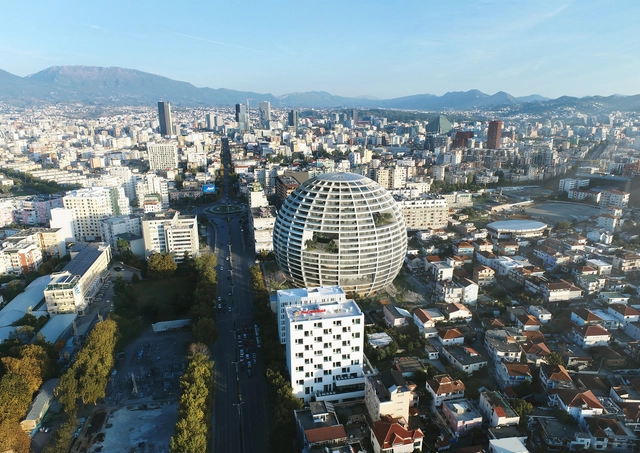
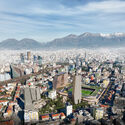
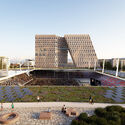
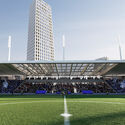
OMA/David Gianotten, has won the competition to revitalize the historic Selman Stërmasi Stadium and its surrounding area in central Tirana, Albania. Originally built in 1956, the stadium is now being redesigned to not only expand the existing football grounds but also to foster stronger links between surrounding neighborhoods in Tirana. With the revitalization, the stadium aims to be a key connector between the Blloku and Komune a Parisit neighborhoods.

OMA / David Gianotten Wins Competition to Transform Tirana’s Selman Stërmasi Stadium - Image 1 of 4OMA / David Gianotten Wins Competition to Transform Tirana’s Selman Stërmasi Stadium - Image 2 of 4OMA / David Gianotten Wins Competition to Transform Tirana’s Selman Stërmasi Stadium - Image 3 of 4OMA / David Gianotten Wins Competition to Transform Tirana’s Selman Stërmasi Stadium - Image 4 of 4OMA / David Gianotten Wins Competition to Transform Tirana’s Selman Stërmasi Stadium - More Images+ 14