1. ArchDaily
  2. Oceanix

Oceanix: The Latest Architecture and News

What Are Architects Escaping From? Ambition and Avoidance in Designing for Remote Sites

Audio available

Ask an architect what the hardest problem in the discipline is right now. The block of unmaintained postwar housing two streets from their office rarely comes up. What comes to their mind is the pressure differentials on Mars, or the tensile loads on a floating platform; because unclaimed ground has no one to negotiate with, no history to answer to, no tenant to remember the last renovation, which makes it considerably easier to design for.

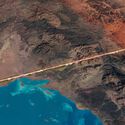
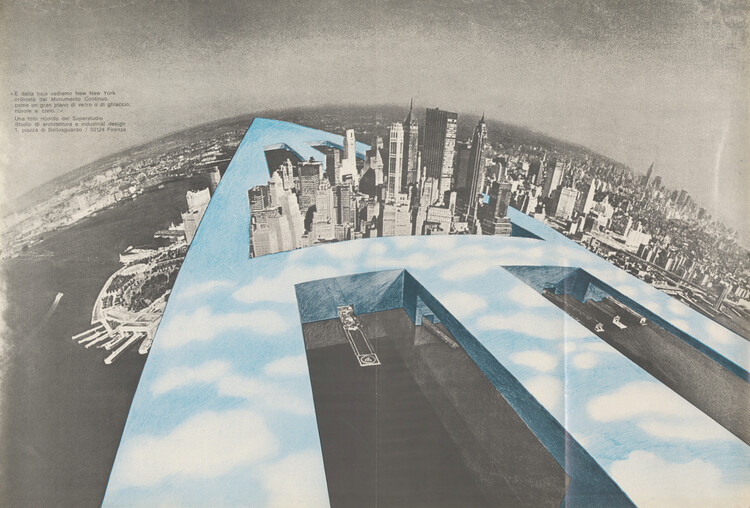
Architects think of themselves as solving a harder problem than the one next door. A project, like The Line, a 170-kilometer city meant to house nine million residents, with a site with no prior claimant, is not architecturally harder than a site with a hundred years of tenancy, contested ownership, and a planning department that remembers the last three developers who used the word "community" and meant something else. It is, considerably, easier. No one to persuade, no history to answer to, no argument to lose. Which raises the question of whether the harder problem is sitting two streets from the office, unsolved, and the easier one is the one getting the renderings and the funding rounds; then 'ambition' is the wrong word for what is happening. Something is being avoided, and we need to start thinking about what.


What Are Architects Escaping From? Ambition and Avoidance in Designing for Remote Sites - Imagen 1 de 4What Are Architects Escaping From? Ambition and Avoidance in Designing for Remote Sites - Imagen 2 de 4What Are Architects Escaping From? Ambition and Avoidance in Designing for Remote Sites - Imagen 3 de 4What Are Architects Escaping From? Ambition and Avoidance in Designing for Remote Sites - Imagen 4 de 4What Are Architects Escaping From? Ambition and Avoidance in Designing for Remote Sites - More Images+ 10

UN-Habitat and Oceanix Reveal Prototype for the World's First Sustainable Floating City

UN-Habitat and Oceanix Reveal Prototype for the World's First Sustainable Floating City - Featured Image
Courtesy of Oceanix and BIG-Bjarke Ingels Group

UN-Habitat and blue tech firm OCEANIX unveiled the design of the world’s first prototype for a sustainable floating city, to be hosted by Busan. The project is intended to provide a scalable framework of development for coastal cities facing land shortages and rising sea levels. With a population of 3.4 million people, Busan is the second-largest city in the Republic of Korea and, at the same time, one of the most important maritime cities, making it a suitable environment for deploying the floating city prototype.

UN-Habitat and Oceanix Reveal Prototype for the World's First Sustainable Floating City - Image 1 of 4UN-Habitat and Oceanix Reveal Prototype for the World's First Sustainable Floating City - Image 2 of 4UN-Habitat and Oceanix Reveal Prototype for the World's First Sustainable Floating City - Image 3 of 4UN-Habitat and Oceanix Reveal Prototype for the World's First Sustainable Floating City - Image 4 of 4UN-Habitat and Oceanix Reveal Prototype for the World's First Sustainable Floating City - More Images+ 15