1. ArchDaily
  2. Noor

Noor: The Latest Architecture and News

Looking into Lost Persian Architecture through Safavid Manuscripts

Looking into Lost Persian Architecture through Safavid Manuscripts - Image 9 of 4
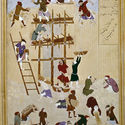
Yusuf and Zulaikha (Yusuf pursued by Potiphar's wife), miniature by Behzād, 1488. Image

From the 14th to the 16th century, Iran had witnessed growth and affluence under the Timurid and Safavid dynasties. During this period, many mosques, palaces and pavilions were commissioned and contributed to sites of veneration and pilgrimage. However not many of these key architectural realms survived and few historical texts exist to relay the intricacies of the architecture of that time.

What remained were some dispersed manuscripts from the Shahnameh and other renowned illustrated stories or poems that represented the moral values and aesthetics of that period. Inadvertently these initial renders became the main representation of a unique and fantastic Islamic architecture.


Looking into Lost Persian Architecture through Safavid Manuscripts - Image 1 of 4Looking into Lost Persian Architecture through Safavid Manuscripts - Image 2 of 4Looking into Lost Persian Architecture through Safavid Manuscripts - Image 3 of 4Looking into Lost Persian Architecture through Safavid Manuscripts - Image 4 of 4Looking into Lost Persian Architecture through Safavid Manuscripts - More Images+ 6

Noor Completes Reconstruction of the Mirror Palace in Iran

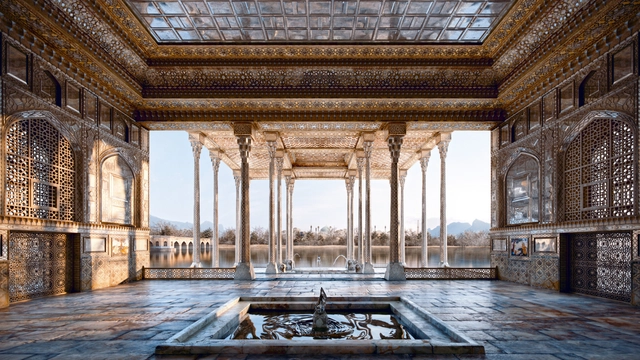
Noor Art & Architecture Studio has completed a digital reconstruction of the Ayine Khaneh Palace of Isfahan, Iran. The project is led by architect Mohammad Yazdi Rad. Based on historic plans and written documents, the project visualizes one of the most important buildings in the city. In 1891, the palace was destroyed by Zello Soltan, governor of Isfahan. The reconstruction was made to create a cultural structure that brings awareness to Safavid era building and Persian architecture.