"The public square and civic infrastructure are the front lines against this kind of attack", proclaimed then-President of the American Institute of Architects, Thomas Vonier. The decades since 9/11 and mass violence have pressured cities, in the United States and globally, to reconsider what "safety" means. Is it about barriers, bollards, surveillance? Or is it about trust, visibility, evidence, resilience? Several projects confront these questions at various scales to demonstrate how architecture and forensic thinking can collectively protect communities and civic life.
The noise of overlapping conversations, the flashing lights of a billboard, hurried footsteps on the sidewalk, and the constant hammering of a nearby construction site: public spaces are sometimes experienced as environments where stimuli accumulate and often overwhelm us. Each person perceives and responds to these sensory inputs differently, and recognizing neurodiversity means understanding that some individuals require more time to adapt, slower-paced journeys, or more gradual interactions with their surroundings. These encounters raise fundamental questions about contemporary public space: how can it accommodate the diversity of ways people perceive and inhabit it? How can we envision it as a space that embraces all ways of experiencing it?
The intersection of neuroscience and architecture/design has brought innovations to the way spaces are conceived.Recently, the relevance of inclusive and regenerative design has come to the fore, addressing the need to create environments that welcome human diversity, including older adults and neurodiverse individuals. This approach not only broadens accessibility but also promotes environmental regeneration and user well-being.
The way we perceive and experience spaces extends beyond aesthetics—they directly influence our emotions, thoughts, and even creativity. Spacious environments with high ceilings often evoke a sense of freedom and inspiration, while smaller, enclosed spaces encourage focus and introspection. This is not merely a subjective impression but a scientifically studied phenomenon. In the 1960s, anthropologist Edward T. Hall introduced the term "Cathedral Effect" to describe how ceiling height impacts cognition and behavior. More recent research has expanded on this idea, demonstrating how architecture shapes decision-making and emotional states in various contexts.
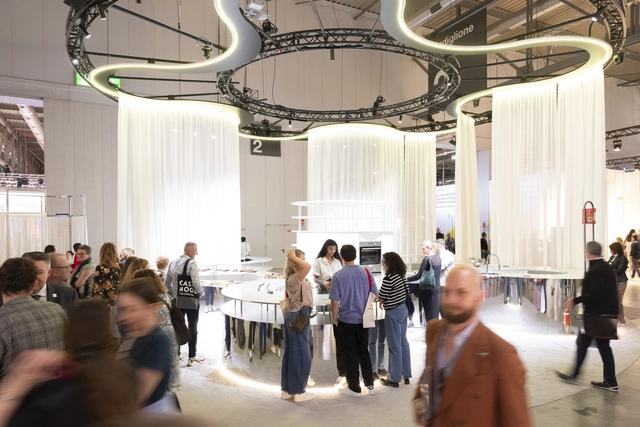
Designing for the human experience has been at the forefront of architect's intentions and motivations behind their work. While traditional processes prove beneficial, the industry is peering over boundaries to find opportunities for collaboration with other design and non-design fields. New approaches have emerged with collaborations between architects and service designers, or even psychologists, to create more human-centric spaces. A new intersection captures the attention of practitioners, especially with a recent installation at Salone de Mobile neuroarchitecture. ArchDaily breaks down the scope and potential for this new field with Federica Sanchez, architect and neuroscience researcher at Italian firm Lombardini22, responsible for revamping the Salone.
Videos
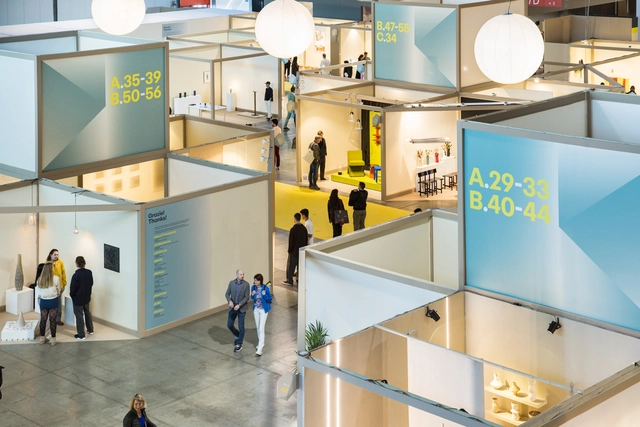
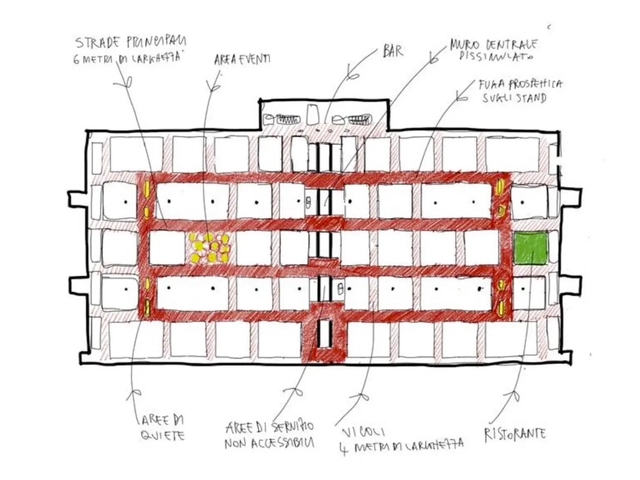
Concept redesign routes Salone del Mobile.Milano - Ph. Cristian Catania, Lombardini22. Image Courtesy of Salone del Mobile.Milano
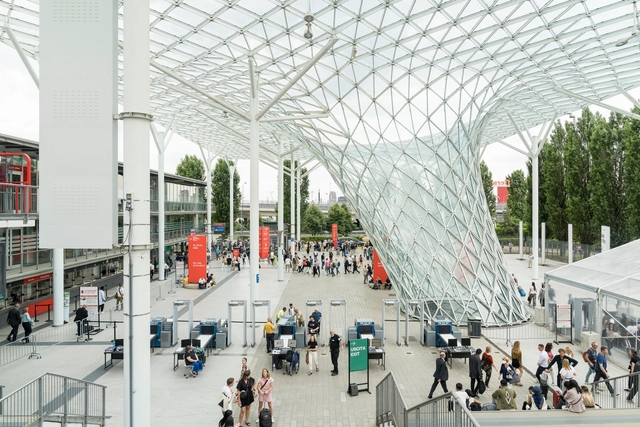
The 62nd edition of the Salone del Mobile at Rho Fiera brought together designers, architects, producers, and prominent figures from the design realm. With more than 1950 exhibitors, the six-day event, running from April 16 to 21, 2024, emphasized conviviality, well-being, and sustainability. Designed with a human-centric approach, incorporating neuroscience principles to enrich visitor interaction, Salone del Mobile is revolutionizing the future of fairs.
On-site during the event, ArchDaily had the opportunity to speak with Cristian Catania, Senior Architect and Project Director for Reinventing Fairs at Lombardini22, responsible for revamping Salone, about the primary changes in the fair’s layout and the implementation of neuroscience approaches in conceptualizing the exhibition spaces.
Salone del Mobile.Milano has announced the opening dates and events program, expanding the trade fair event to encompass more narratives and projects relevant to the design community. The 62nd edition will take place at Rho Fiera Ilano from April 16 to 21, 2024. It is expected to include over 1900 exhibitors from around the world, with contributions from emerging designers and several design schools under the recurring SaloneSatellite, now in its 25th-anniversary edition. The cultural program also includes immersive installations, like David Lynch’s “Thinking Rooms.”
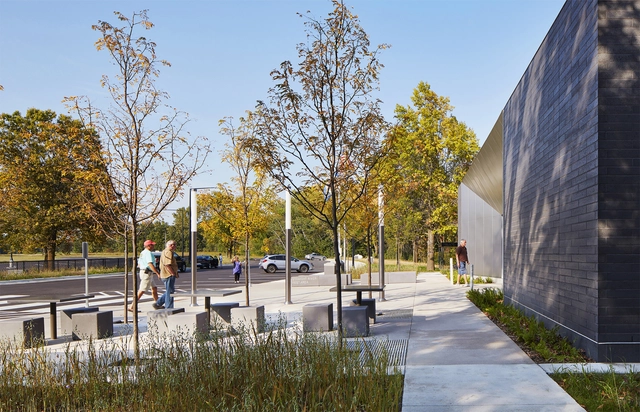
Environmental neuroscience is an emerging field devoted to studying the impact of social and physical environments on brain processes and behaviour. From the various opportunities for social interaction to noise levels and access to green spaces, the characteristics of the urban environment have important implications for neural mechanisms and brain functioning, thus influencing our physical state. The field paints a different image of how cities impact our health and well-being, thus providing a new, scientific layer of understanding that could help architects, urban planners, and decision-makers create more equitable urban environments.
Cognitive decline is a growing public health concern that affects millions of people around the world. Amid an aging population, strategies that help prevent or mitigate cognitive deterioration become increasingly relevant to support healthy aging and maintaining independence for longer. Studies in the field of neuroscience applied to architecture (neuroarchitecture) have shown that the physical environment, both internal and external, public and private, plays a fundamental role in this aspect [1]. In this sense, architects and urban planners can direct their projects to create solutions that significantly contribute to this objective.
https://www.archdaily.com/1007274/architecture-for-preventing-cognitive-decline-contributions-from-neuroscience-to-healthy-agingAndréa de Paiva
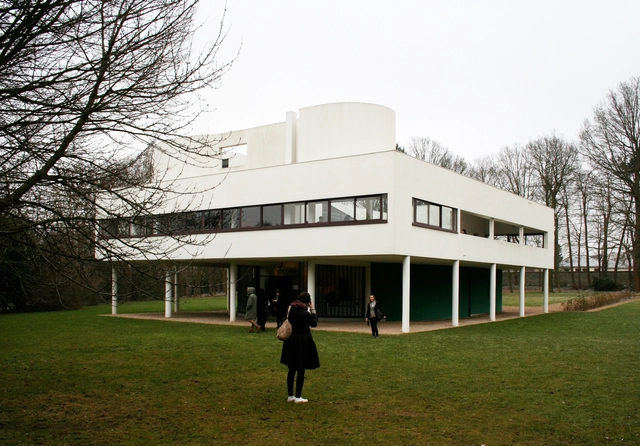
How did modern architecture happen? How did we evolve so quickly from architecture that had ornament and detail, to buildings that were often blank and devoid of detail? Why did the look and feel of buildings shift so dramatically in the early 20th century? History holds that modernism was the idealistic impulse that emerged out of the physical, moral and spiritual wreckage of the First World War. While there were other factors at work as well, this explanation, though undoubtedly true, tells an incomplete picture.
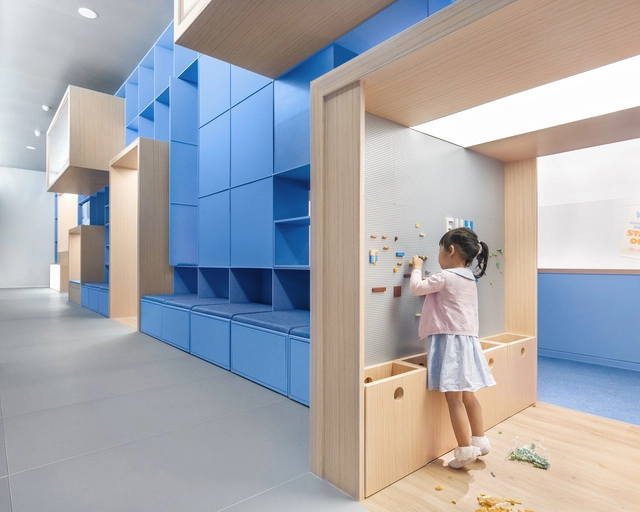
It is unquestionable that environments directly influence the behavior and emotions of their users. Human beings spend approximately 90% of their lives indoors, making it imperative that the spaces we inhabit stimulate positive behavior and emotions, or at least don't influence us negatively. There exists a specific term describing the stimuli that the brain receives from its environment: neuroarchitecture. Several studies have been published on this topic, most focusing on its impact on work environments. This article approaches this concept through a different, yet essential lens: emphasizing its importance in the design of spaces for children in early childhood.
In anticipation of the 2018 Conscious Cities Festival this October, we are delighted to announce an open call for submissions to its official publication - showcasing the diverse and impactful thinking by Conscious Cities practitioners.
While many architects have long clung to the old “form follows function” adage, form follows brain function might be the motto of today’s advertisers and automakers, who increasingly use high-tech tools to understand hidden human behaviors, and then design their products to meet them (without ever asking our permission!)
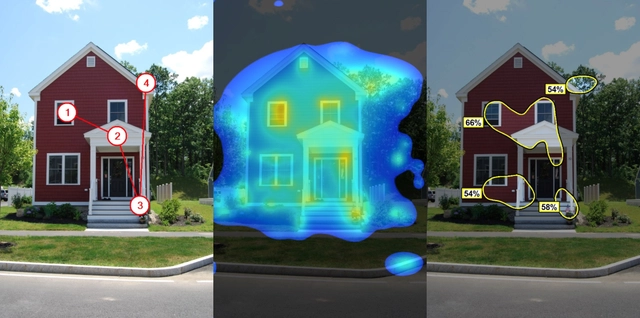
Biometric tools like an EEG (electroencephalogram) which measures brain waves; facial expression analysis software that follows our changing expressions; and eye-tracking, which allows us to record “unconscious” eye movements, are ubiquitous in all kinds of advertising and product development today—beyond the psychology or medical departments where you might expect to see them. These days you’ll also find them installed at the behavioral research and user experience labs in business schools such as American University in DC and Worcester Polytechnic Institute (WPI) in Massachusetts.
What happens when you apply a biometric measure like eye-tracking to architecture? More than we expected...
https://www.archdaily.com/884945/heres-what-you-can-learn-about-architecture-from-tracking-peoples-eye-movementsAnn Sussman & Janice M. Ward
Videos
Songdo in South Korea is perhaps the most complete realization yet of the smart city concept. Image Courtesy of Cisco
In order to be successful in any field, professionals must stay ahead of the curve—though in architecture nowadays, technology progresses so quickly that it’s difficult to be on the front lines. Virtual Reality can transport architects and their clients into unbuilt designs and foreign lands. Smart Cities implement a network of information and communication technologies to conserve resources and simplify everyday life. Responsive Design will give buildings the ability to be an extension of the human body by sensing occupants' needs and responding to them.
With the technology boom, if architects want to stay in the game they will inevitably have to work alongside not only techies but scientists too. Neuroscientist Colin Ellard works “at the intersection of psychology and architectural and urban design.” In his book, Places of the Heart: The Psychogeography of Everyday Life, Ellard examines how our technology-based world impacts our emotions and behavior to try to figure out what kind of world we should strive to create.
Recently we’ve written a fair amount about the state of architectural research. The general consensus appears to be that it lacks rigor and, even more importantly, is not grounded in good science. Steven J Orfield has some strong opinions about architectural research. He’s been conducting it—for architecture and design firms, as well as Fortune 500 companies—at his Minneapolis-based Orfield Laboratories for more than three decades now. Late last week I talked to him about why architects are afraid of science, how he would introduce it into the schools, and his work in the field of universal design.
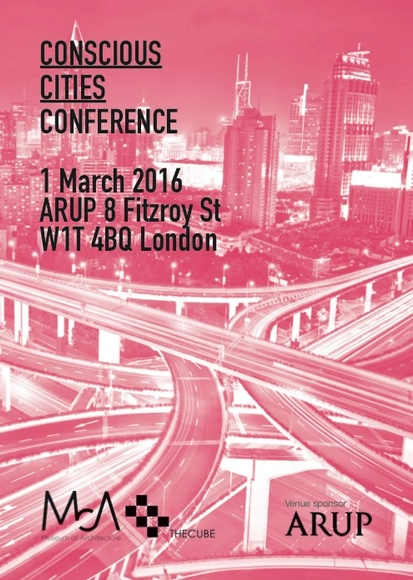
Conscious Cities is a one-day conference organised by MoA and THECUBE that aims to explore the relationship between neuroscience and architecture. By bringing together neuroscientists, architects, engineers, planners and developers, the conference aims to offer necessary tools for understanding how the built environment impacts our cognitive functions, while also showing how professionals can use research in neuroscience to design better spaces and cities for the future.
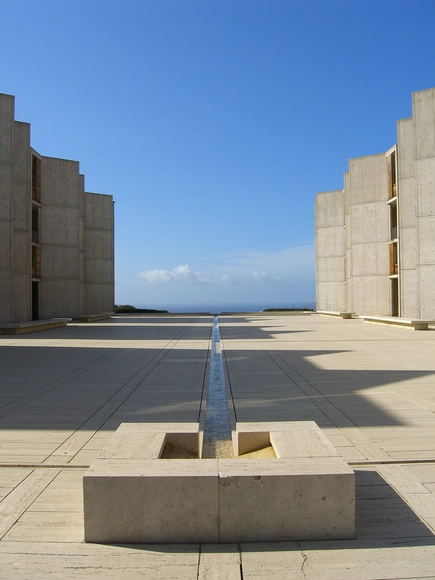
If ever architects needed a little vindication in their work, this might just be it: a team of neuroscientists have found evidence that good architecture can positively affect the human brain. Testing a highly susceptible group of subjects (i.e. architects), the team demonstrated that so-called "contemplative architecture" can have similar effects to meditation - except with much less effort on the part of the person experiencing it. This article in the Atlantic discusses the team's work at length, delving into the science behind the discovery, but also uncovering an interesting oddity in the world of architectural neuroscience: it seems not much is being done because "it’s difficult to suggest that people are dying from it." In the case of the current study, the team "totally loaded the deck" by only selecting architects as their subjects, apparently not aiming to prove anything but simply to secure further funding. Read the full article here for more on the latest in architectural neuroscience.
































.jpg?1511989021&format=webp&width=640&height=580)