1. ArchDaily
  2. NEUF architect(e)s

NEUF architect(e)s: The Latest Architecture and News

Gyumri’s Revival: Rebuilding Armenia’s Cultural Heritage After the 1988 Earthquake

Subscriber Access | 

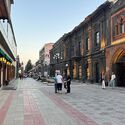
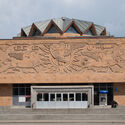
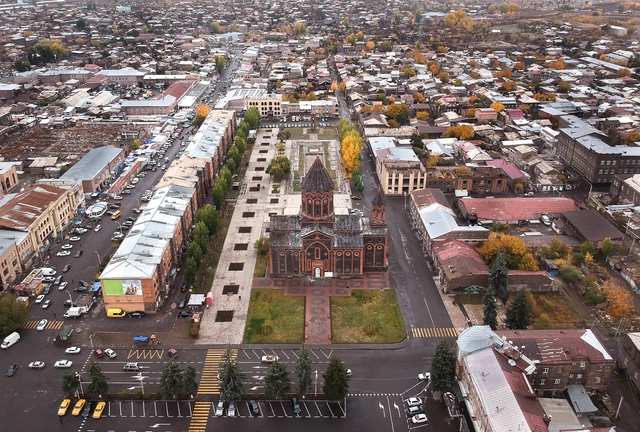
Gyumri, the capital of Armenia's Shirak region and the country's second-largest city, was historically known for its culture and architectural heritage. While it was part of the Soviet Union, the city hosted many factories that turned it into a primary industrial center in the region, reaching a population of approximately 225,000 people. However, during the past decades, Gyumri has seen a considerable population decline as a consequence of a devastating earthquake that destroyed the city in 1988 and killed thousands of people. More than 30 years later, Gyumri's regeneration process is still unfolding. The city's ongoing efforts to restore its built environment and boost economic development offer valuable insights into how urban regeneration can be navigated in the aftermath of disaster.
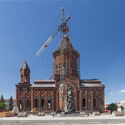
Gyumri’s Revival: Rebuilding Armenia’s Cultural Heritage After the 1988 Earthquake - Image 1 of 4Gyumri’s Revival: Rebuilding Armenia’s Cultural Heritage After the 1988 Earthquake - Image 2 of 4Gyumri’s Revival: Rebuilding Armenia’s Cultural Heritage After the 1988 Earthquake - Image 3 of 4Gyumri’s Revival: Rebuilding Armenia’s Cultural Heritage After the 1988 Earthquake - Image 4 of 4Gyumri’s Revival: Rebuilding Armenia’s Cultural Heritage After the 1988 Earthquake - More Images+ 5

From Hospital to Medical Research Hub: How the Montreal Chest Institute Adapts to Modern Needs

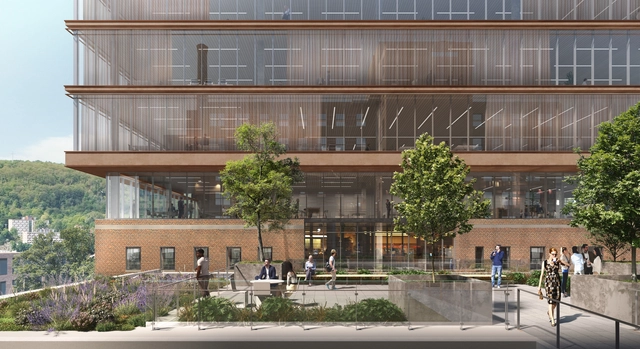
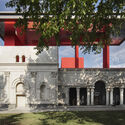
With modern medicine, it may be difficult for many people today to imagine the devastation caused by Tuberculosis (TB) just about 100 years ago. Initially associated with insalubrious, overcrowded conditions, just in Canada it caused the death of approximately 8000 people annually in the late 19th century. During this time, before more advanced treatments were discovered, prescriptions from doctors involved sunlight, fresh air, and rest. As a response, sanatoria were established. These were places where patients could be separated from the community to manage their disease. One testament to that legacy stands in the heart of Montreal: the former Royal Edward Laurentian Institute, later known as the Montreal Chest Institute. Born from crisis, it has since become a symbol of resilience, transformation, and innovation, shifting from a space of isolation to a thriving hub for research and entrepreneurship in the life sciences.

From Hospital to Medical Research Hub: How the Montreal Chest Institute Adapts to Modern Needs - Image 1 of 4From Hospital to Medical Research Hub: How the Montreal Chest Institute Adapts to Modern Needs - Featured ImageFrom Hospital to Medical Research Hub: How the Montreal Chest Institute Adapts to Modern Needs - Image 2 of 4From Hospital to Medical Research Hub: How the Montreal Chest Institute Adapts to Modern Needs - Image 3 of 4From Hospital to Medical Research Hub: How the Montreal Chest Institute Adapts to Modern Needs - More Images+ 5

Designing Bombardier’s Aerospace Campus in Toronto, Canada: Insights from Lilia Koleva of NEUF architect(e)s

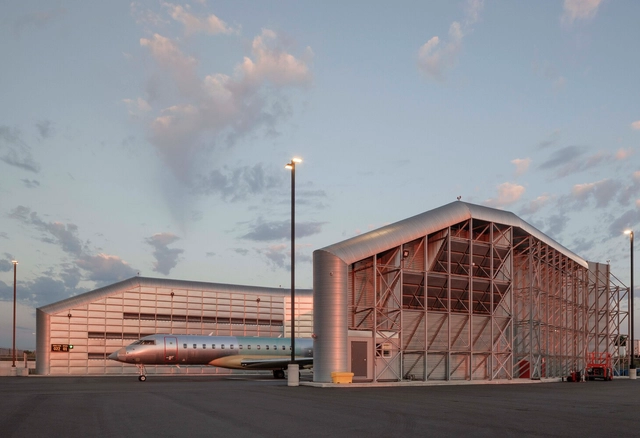
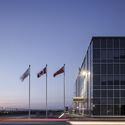
Adjacent to Toronto's Pearson International Airport, the Bombardier Aircraft Assembly Center represents a landmark project in Canadian aerospace design. Located next to Canada's largest airport, it blends 70,000 m2 (750,000 ft2) of technical precision with a focus on people. ArchDaily's editor Moises Carrasco had the opportunity to speak with Lilia Koleva, partner at NEUF architect(e)s and founder of the firm's Toronto office, which led this project. Koleva shared insights into her professional journey and reflected on the challenges of building and growing NEUF's Toronto-based office. She also discusses the Bombardier Campus, describing it as a defining project in her career, and how it showcases NEUF's ability to tackle large-scale, technically demanding projects while maintaining a focus on the people who use the space. This project builds on the office's prior expertise in industrial design and expands its portfolio of human-centered architectural solutions. Koleva also reflects on the importance of fostering collaboration, adaptability, and a clear understanding of client needs; qualities that have defined her approach to architecture and leadership at NEUF.

Designing Bombardier’s Aerospace Campus in Toronto, Canada: Insights from Lilia Koleva of NEUF architect(e)s - Image 1 of 4Designing Bombardier’s Aerospace Campus in Toronto, Canada: Insights from Lilia Koleva of NEUF architect(e)s - Image 2 of 4Designing Bombardier’s Aerospace Campus in Toronto, Canada: Insights from Lilia Koleva of NEUF architect(e)s - Image 3 of 4Designing Bombardier’s Aerospace Campus in Toronto, Canada: Insights from Lilia Koleva of NEUF architect(e)s - Image 4 of 4Designing Bombardier’s Aerospace Campus in Toronto, Canada: Insights from Lilia Koleva of NEUF architect(e)s - More Images+ 13

Montreal Architecture City Guide: 15 Historic and Contemporary Landmarks in Canada’s Cultural Capital

Subscriber Access | 

Montreal, located along the Saint Laurent River in Southern Quebec, is Canada’s second-largest city. Often renowned for its architectural diversity, its built environment reflects both its colonial past and modern evolution. As a former territory of "Nouvelle France," French language and culture remain dominant, which has in turn influenced the city's architectural character. Notably, Old Montreal features well-preserved buildings from the 18th and 19th centuries, most of which are a testament to the city’s industrial growth after the construction of the Lachine Canal. The area's heritage has been protected and restored through efforts by figures like Phyllis Lambert and organizations such as Heritage Montreal, allowing the city’s rich architectural history to coexist with its modern developments.

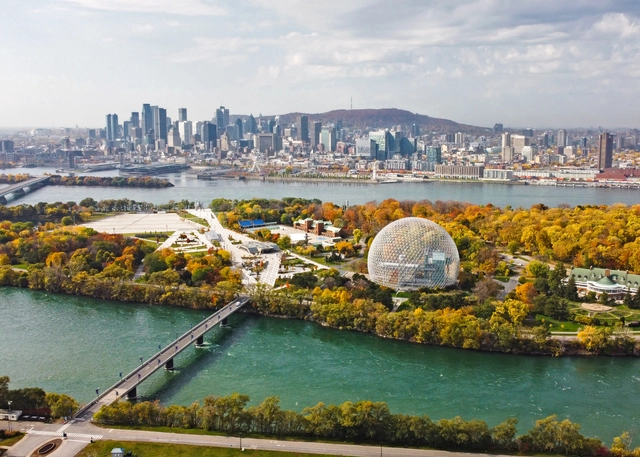
Montreal's multiculturalism is evident in neighborhoods like Little Italy and Little Portugal, with its diversity fueling a vibrant cultural scene. The city hosts a multitude of festivals every year, many held in open-air venues like Place des Festivals. Parc Jean-Drapeau, built for the 1967 World Expo, is another popular spot for large events while offering stunning views of the city skyline. Another relevant site is Mont Royal Hill, a park offering panoramic views of downtown and access to hiking trails, Saint Joseph’s Oratory, Beaver’s Lake, and other areas of architectural interest such as the Plateau.

Montreal Architecture City Guide: 15 Historic and Contemporary Landmarks in Canada’s Cultural Capital - Image 1 of 4Montreal Architecture City Guide: 15 Historic and Contemporary Landmarks in Canada’s Cultural Capital - Image 2 of 4Montreal Architecture City Guide: 15 Historic and Contemporary Landmarks in Canada’s Cultural Capital - Image 3 of 4Montreal Architecture City Guide: 15 Historic and Contemporary Landmarks in Canada’s Cultural Capital - Image 4 of 4Montreal Architecture City Guide: 15 Historic and Contemporary Landmarks in Canada’s Cultural Capital - More Images+ 12

PRODUCE Workshop's "Fabricwood" Named World's Best Interior of 2017

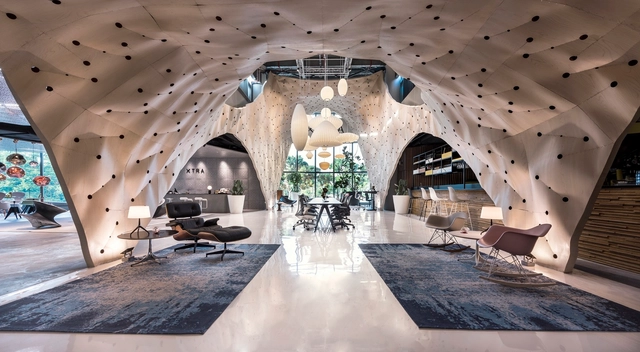
PRODUCE Workshop's flexible plywood "Shop-in-Shop" interior for Herman Miller at the XTRA flagship store in Singapore has been named the world's best interior of 2017 at the INSIDE World Festival of Interiors, which took place alongside the 2017 World Architecture Festival in Berlin. The overall winner was selected from a list of 9 nine category winners announced over the first two days of the event, which themselves were selected from a shortlist of 78 projects.

Dubbed "Fabricwood" by its designers, the winning space comprises a 20-meter arched structure constructed of plywood panels modeled to give the appearance of fabric. The installation was also the winner of the Display category.

Last year's top honors were awarded to Hangzhou AN Interior's Black Cant System.

Read on to see all of the category winners.

Montreal's Three-Million-Square-Foot Hospital to Become Largest Healthcare Project in North America

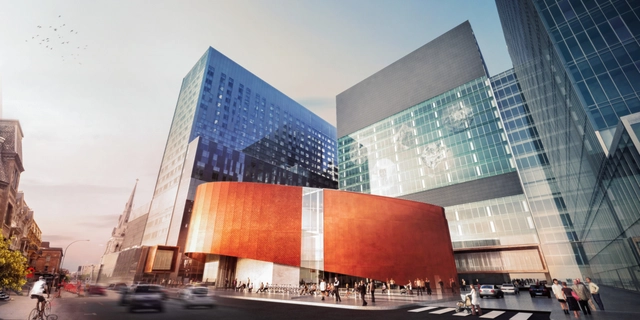
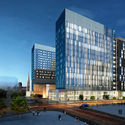
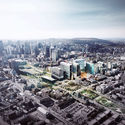
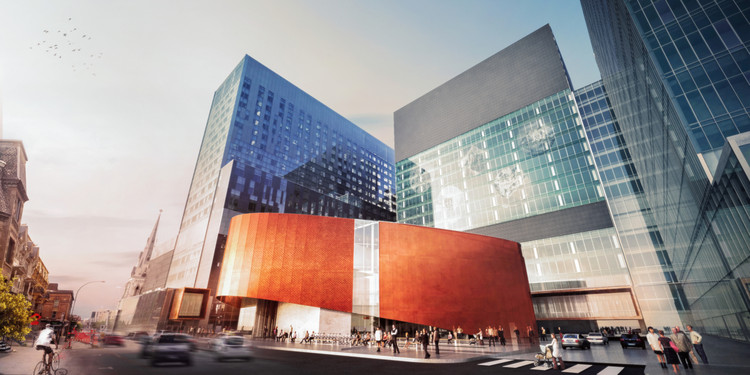
CannonDesign and NEUF architect(e)s have unveiled the design for the Centre Hospitalier de l’Université de Montréal (CHUM), the largest healthcare construction project in North America and one of the largest current healthcare projects in the world, which has been in the works for almost a decade.

Spanning over 3 million square feet, the 22-story complex will merge three aging hospitals into one, creating a space with 772 single-bed patient rooms, 39 operating theaters, and more than 400 clinics and examination rooms.

Montreal's Three-Million-Square-Foot Hospital to Become Largest Healthcare Project in North America - Image 1 of 4Montreal's Three-Million-Square-Foot Hospital to Become Largest Healthcare Project in North America - Image 2 of 4Montreal's Three-Million-Square-Foot Hospital to Become Largest Healthcare Project in North America - Image 3 of 4Montreal's Three-Million-Square-Foot Hospital to Become Largest Healthcare Project in North America - Image 4 of 4Montreal's Three-Million-Square-Foot Hospital to Become Largest Healthcare Project in North America - More Images+ 15