1. ArchDaily
  2. mycelium

mycelium: The Latest Architecture and News

A Bio-Digital Exploration: ecoLogicStudio Opens Deep Forest Exhibition at the Louisiana Museum in Denmark

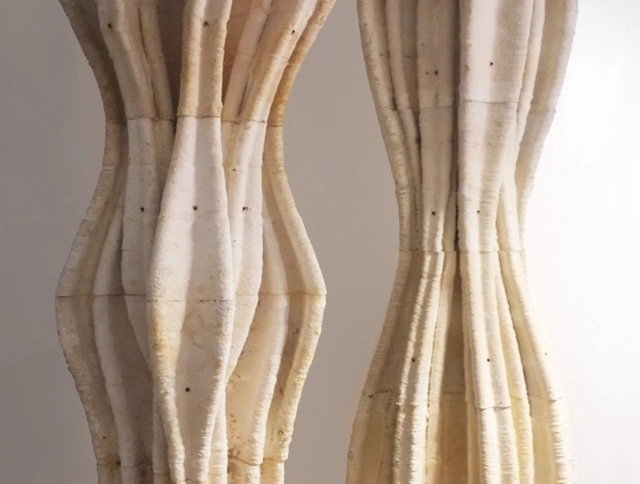
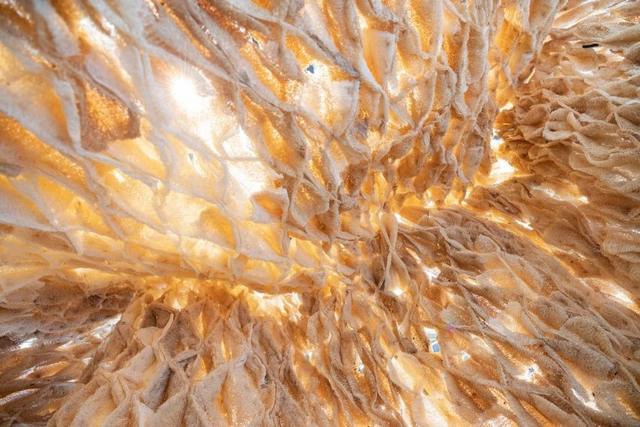
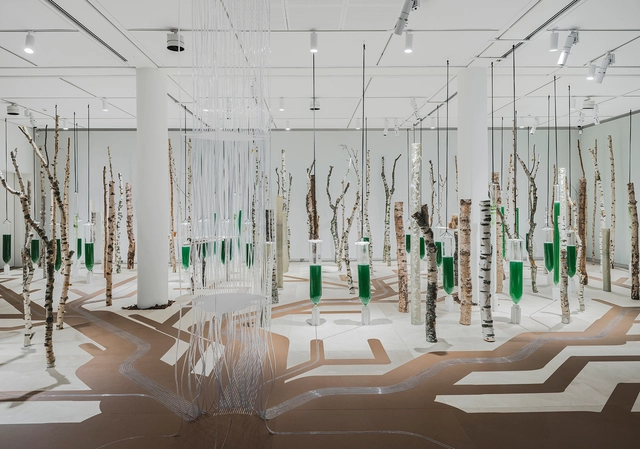
The Louisiana Museum of Modern Art's "Living Structures" exhibition, running from November 8th, 2024, to March 23rd, 2025, features Deep Forest, a new installation by Prof Claudia Pasquero and Dr. Marco Poletto founders of architecture and design innovation firm ecoLogicStudio, together with academic partner Innsbruck University. This immersive work challenges traditional architectural paradigms by embracing the naturalization of architecture and technology, a direct counterpoint to modernist attempts to mechanize nature. The exhibition represents the culmination of twenty years of research in bio-digital design, showcasing the potential of symbiotic relationships between technology and the natural world within built environments.

A Bio-Digital Exploration: ecoLogicStudio Opens Deep Forest Exhibition at the Louisiana Museum in Denmark - Image 1 of 4A Bio-Digital Exploration: ecoLogicStudio Opens Deep Forest Exhibition at the Louisiana Museum in Denmark - Image 2 of 4A Bio-Digital Exploration: ecoLogicStudio Opens Deep Forest Exhibition at the Louisiana Museum in Denmark - Image 3 of 4A Bio-Digital Exploration: ecoLogicStudio Opens Deep Forest Exhibition at the Louisiana Museum in Denmark - Image 4 of 4A Bio-Digital Exploration: ecoLogicStudio Opens Deep Forest Exhibition at the Louisiana Museum in Denmark - More Images+ 27

Interspecies Design: Developing Materials That Allow the Growth and Inhabitation of Non-human Species

Subscriber Access | 

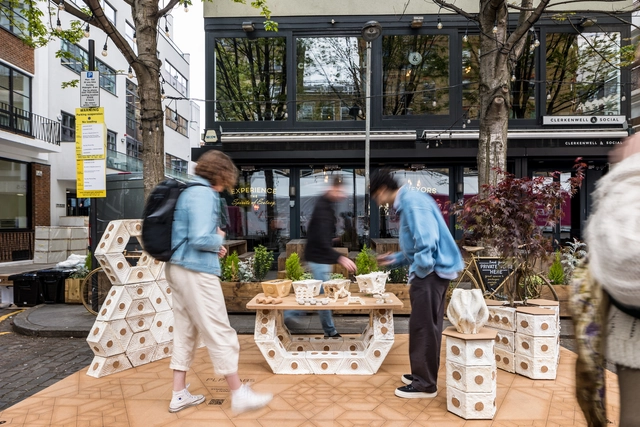
In architectural design, our interactions with non-human organisms have predominantly involved creating barriers to exclude them from the human realm. What if we were to adopt a different approach? Interspecies design is a movement that puts non-human organisms—fungi, insects, and various animals—on an equal footing with humans. This design philosophy provides frameworks that foster non-hierarchical relationships with other species. By doing so, it cultivates empathy for other life forms and shifts our perspective on the world around us. It aims not only for a net-zero approach but also seeks collaboration with non-human organisms to develop environments beneficial to all. Below, explore some emerging material technologies designed to benefit both humans and other life forms.

Interspecies Design: Developing Materials That Allow the Growth and Inhabitation of Non-human Species - Image 1 of 4Interspecies Design: Developing Materials That Allow the Growth and Inhabitation of Non-human Species - Image 2 of 4Interspecies Design: Developing Materials That Allow the Growth and Inhabitation of Non-human Species - Image 3 of 4Interspecies Design: Developing Materials That Allow the Growth and Inhabitation of Non-human Species - Image 4 of 4Interspecies Design: Developing Materials That Allow the Growth and Inhabitation of Non-human Species - More Images+ 9

From Agro-Waste to Decarbonization: The Innovative Materials Featured in 2023

Innovative materials play a crucial role in shaping the future of architecture. They offer not only novel ways to craft buildings but also sustainable and efficient solutions to address pressing environmental challenges. Architects and designers are now more than ever exploring and integrating innovative materials into their projects. By harnessing the unique properties of these materials, they create structures with new visual languages while also being environmentally friendly.

As part of our year-in-review, we reflect on the innovative materials that were featured. These materials delved into the concepts of recycling agro-waste, adapting bio-based products, transforming local materials, and decarbonizing concrete. The objective was not only to offer alternatives to traditional construction practices but also to help reduce carbon emissions and promote a more sustainable built environment. In this dynamic field, these materials demonstrate the potential to revolutionize building design and construction in diverse contexts, paving the way for a more sustainable and resilient future.

From Agro-Waste to Decarbonization: The Innovative Materials Featured in 2023  - Image 1 of 4From Agro-Waste to Decarbonization: The Innovative Materials Featured in 2023  - Image 2 of 4From Agro-Waste to Decarbonization: The Innovative Materials Featured in 2023  - Image 3 of 4From Agro-Waste to Decarbonization: The Innovative Materials Featured in 2023  - Image 4 of 4From Agro-Waste to Decarbonization: The Innovative Materials Featured in 2023  - More Images+ 5

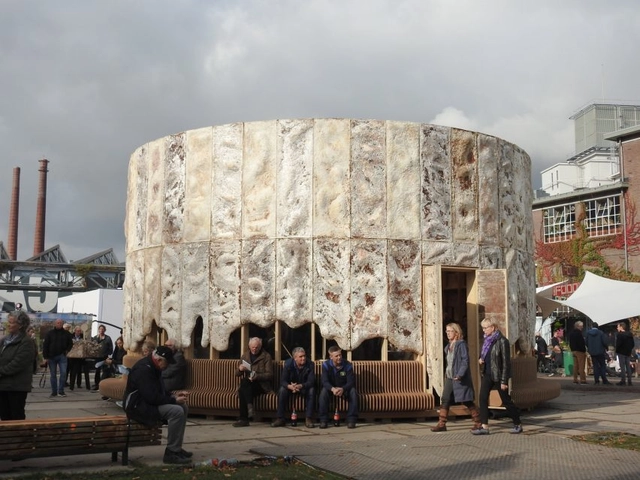
Symbiocene Living: Exploring the Potential of Mycelium Blocks for Sustainable Architecture

The geological period we currently inhabit is known as the Anthropocene, defined by the substantial human impact on Earth's ecosystems and geology. In contrast, the Symbiocene, a term coined by Australian philosopher and environmentalist Glenn Albrecht, presents a vision of the future characterized by a positive and symbiotic relationship between humans and the natural world. In the Symbiocene era, humans actively collaborate with nature, acknowledging their interdependence with Earth's ecosystems and striving to regenerate and restore the natural environment, thus creating a more harmonious and sustainable world.

“Changing Our Footprint”: Henning Larsen Opens an Explorative Exhibition at Aedes Architecture Forum in Berlin

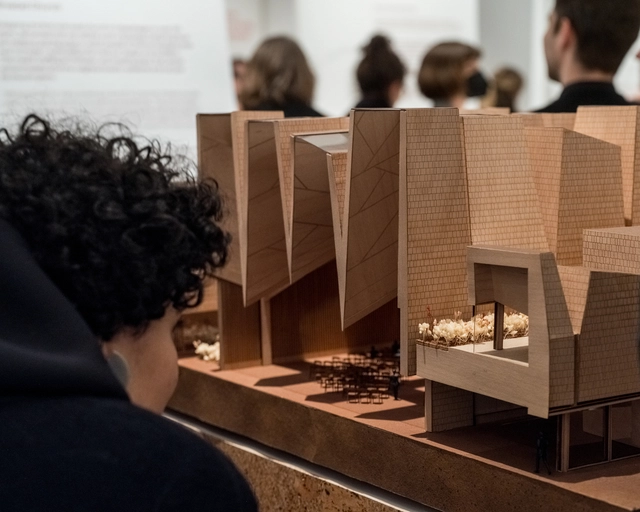
In an effort to address the architecture industry’s environmental impact, Henning Larsen is presenting the “Changing Our Footprint” exhibition at Aedes Architecture Forum in Berlin. The event features the small but scalable steps that the office is taking to move towards a more desirable future through the projects they are designing and the research they are conducting. The exhibition aims to be an engaging event, inviting visitors to participate in the dialogue, to think critically about the proposed solutions and initiatives, and to ask difficult questions in the search for better outcomes. The exhibition is open until March 22, 2023. Henning Larsen will also host a series of panel debates at the Aedes Architecture Forum from February 22 to March 14.

“Changing Our Footprint”: Henning Larsen Opens an Explorative Exhibition at Aedes Architecture Forum in Berlin - Image 1 of 4“Changing Our Footprint”: Henning Larsen Opens an Explorative Exhibition at Aedes Architecture Forum in Berlin - Image 2 of 4“Changing Our Footprint”: Henning Larsen Opens an Explorative Exhibition at Aedes Architecture Forum in Berlin - Image 3 of 4“Changing Our Footprint”: Henning Larsen Opens an Explorative Exhibition at Aedes Architecture Forum in Berlin - Image 4 of 4“Changing Our Footprint”: Henning Larsen Opens an Explorative Exhibition at Aedes Architecture Forum in Berlin - More Images+ 13

10 Start-ups Creating Innovative and Sustainable Building Materials, from Mycelium Bricks to Water Purifying Tiles

The building industry is one of the biggest generators of carbon emissions, with some estimates suggesting that 38% percent of all CO2 emissions are linked to this field. As a response to the current crisis, architects, designers, and researchers are taking measures to reduce their carbon footprint during and after construction. Many initiatives and research teams are looking at building materials to find low-carbon solutions and reduce the impact of building materials during production.

One of the most prominent fields of research is concerned with biofacture, the type of process that involves using biological organisms to manufacture materials. By understanding the abilities of organisms such as algae of fungi, alternatives to widely used materials can become carbon neutral or even carbon negative. Other initiatives are researching novel ways to use untapped, yet readily available resources such as desert sand, soil, or waste from demolitions.

10 Start-ups Creating Innovative and Sustainable Building Materials, from Mycelium Bricks to Water Purifying Tiles - Image 1 of 410 Start-ups Creating Innovative and Sustainable Building Materials, from Mycelium Bricks to Water Purifying Tiles - Image 2 of 410 Start-ups Creating Innovative and Sustainable Building Materials, from Mycelium Bricks to Water Purifying Tiles - Image 3 of 410 Start-ups Creating Innovative and Sustainable Building Materials, from Mycelium Bricks to Water Purifying Tiles - Image 4 of 410 Start-ups Creating Innovative and Sustainable Building Materials, from Mycelium Bricks to Water Purifying Tiles - More Images+ 7

Environmentally Friendly Materials: 8 New Products To Reduce Carbon Emission

The construction industry's future will undoubtedly include "carbon reduction" as a mandatory task. Aside from locally sourced, virgin materials, an increasing number of new materials are becoming available. New materials can be developed in several ways, including low-carbon substitution, recycling, performance enhancement, and 3D printing. New materials will not only be more environmentally friendly and enable new construction methods, but they will also influence the starting point and direction of design concepts, resulting in new buildings with new perceptions and spaces.

Environmentally Friendly Materials: 8 New Products To Reduce Carbon Emission - Image 1 of 4Environmentally Friendly Materials: 8 New Products To Reduce Carbon Emission - Image 2 of 4Environmentally Friendly Materials: 8 New Products To Reduce Carbon Emission - Image 3 of 4Environmentally Friendly Materials: 8 New Products To Reduce Carbon Emission - Image 4 of 4Environmentally Friendly Materials: 8 New Products To Reduce Carbon Emission - More Images+ 15

From Bio Materials to Load-Bearing Structures: Fungi, Algae and Tree Forks

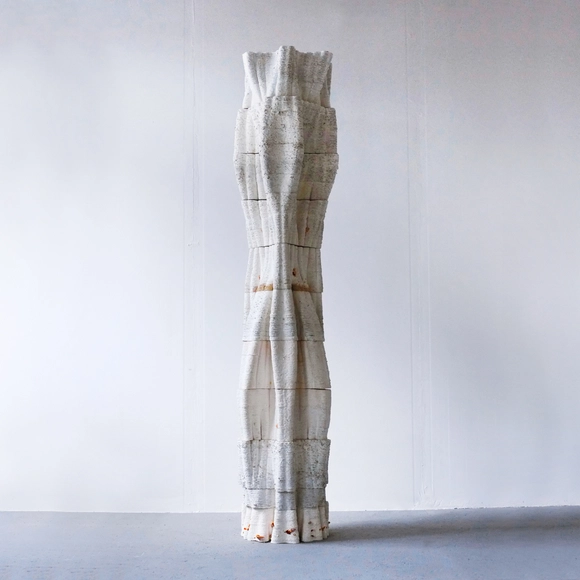
As researcher, designer and MIT professor Caitlin Mueller once said, “The greatest value you can give to a material is to give it a load-bearing role in a structure.” Load-bearing components – foundations, beams, columns, walls, etc. – are designed to resist permanent or variable forces and movements. Similar to the bones of a human body, these support, protect and hold everything together. To fulfill that indispensable function, they must be made from materials with outstanding mechanical properties, which explains the prominence of cement and steel in structures. However, their high performance comes at a high cost: together, they account for 15% of global CO2 emissions. This makes us wonder, is it possible for structural materials to be truly sustainable? We know solutions like greener versions of concrete already exist, but there are many other alternatives to explore. And sometimes, the answer is closer than we expect; in the earth beneath us and the nature that surrounds us.
Future Materials: The Architecture of Biocomposites

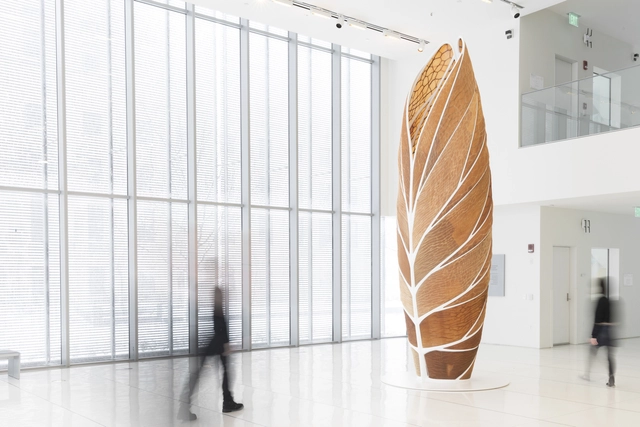
Architecture is born from materials. Between structure, light, movement, and comfort, materials profoundly shape our experiences. But materials also change over time, new ones are created, and a wide range of assemblies and construction techniques are introduced. Increasingly, architects and designers are looking into the possibilities of composite materials made with natural elements.
Future Materials: The Architecture of Biocomposites - Image 1 of 4Future Materials: The Architecture of Biocomposites - Image 2 of 4Future Materials: The Architecture of Biocomposites - Image 3 of 4Future Materials: The Architecture of Biocomposites - Image 4 of 4Future Materials: The Architecture of Biocomposites - More Images+ 5

8 Biodegradable Materials the Construction Industry Needs to Know About

Subscriber Access | 

In architecture we are so caught up in creating something new, we often forget about what happens at the end of a building’s life cycle—the unfortunate, inevitable demolition. We may want our buildings to be timeless and live on forever, but the harsh reality is that they do not, so where is all the waste expected to go?

As with most non-recyclable waste, it ends up in the landfill and, as the land required for landfill becomes an increasingly scarce resource, we must find an alternative solution. Each year in the UK alone, 70–105 million tonnes of waste is created from demolishing buildings, and only 20% of that is biodegradable according to a study by Cardiff University. With clever design and a better awareness of the biodegradable materials available in construction, it’s up to us as architects to make the right decisions for the entirety of a building’s lifetime.

This Mars Colonization Proposal Would 3D Print Biodegradable Fungus Towers that Leave No Trace

Subscriber Access | 

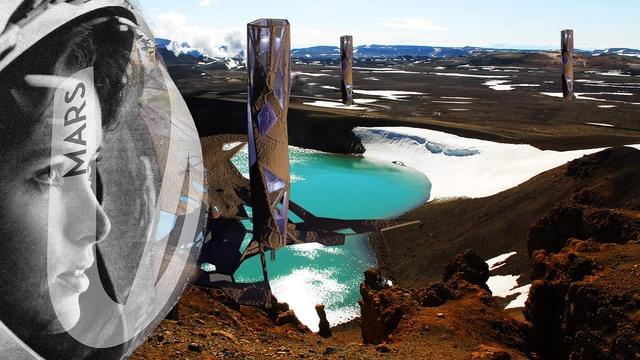
After NASA’s discovery of water beneath the surface of Mars earlier this year, and the subsequent critical and popular success of the movie The Martian, it's safe to say that the planet named after the God of War is all the rage. Those revelations have led to speculative looks at how our neighboring planet could be colonized from numerous designers, such as Norman Foster.

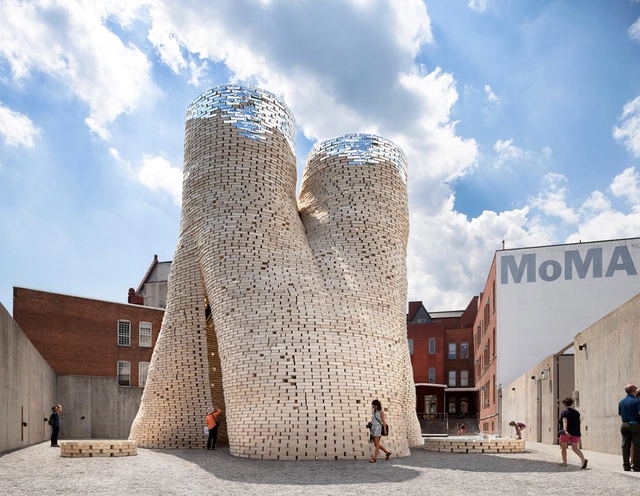
Many of those plans, including those of SpaceX founder Elon Musk, involve dumping Earthen construction materials onto the alien surface, potentially starting an inclination for pollution of our new world before it is even occupied. Spanish architect Alberto Villanueva of IDEA Architecture Office saw this as an opportunity for design to intervene. Using Martian soil and the fungus mycelium, Villanueva proposes a strategy utilizing 3D printing and bioluminescence that has gained the attention of both NASA and the European Space Agency.

This Mars Colonization Proposal Would 3D Print Biodegradable Fungus Towers that Leave No Trace - Image 1 of 4This Mars Colonization Proposal Would 3D Print Biodegradable Fungus Towers that Leave No Trace - Image 2 of 4This Mars Colonization Proposal Would 3D Print Biodegradable Fungus Towers that Leave No Trace - Image 3 of 4This Mars Colonization Proposal Would 3D Print Biodegradable Fungus Towers that Leave No Trace - Image 4 of 4This Mars Colonization Proposal Would 3D Print Biodegradable Fungus Towers that Leave No Trace - More Images+ 6