1. ArchDaily
  2. MVRDV

MVRDV: The Latest Architecture and News

Breaking the Standards: 10 Architects Who Are Daring in their Color Palettes

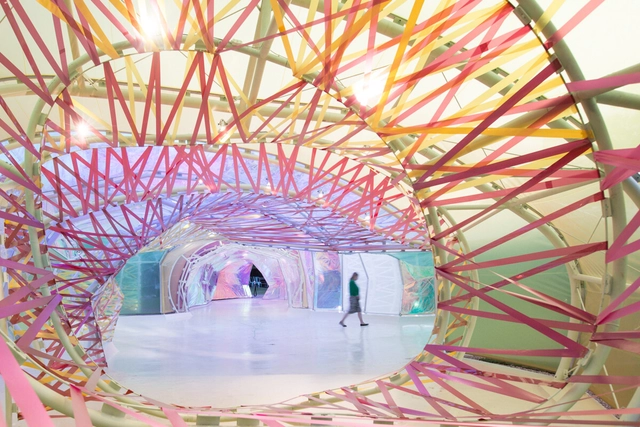
Colors are much more than just aesthetics. They can tamper with the sensations a space conveys, how we perceive the environment, and even comfort issues. With so many factors that they can influence, using them is not an easy task, and that is why many architects choose to stick with the classic white, grayscale, or even exposed materials to avoid any possible visual conflict. However, some architectural practices dare to use bold color palettes and create unique works that stand out precisely because of how colors help compose the project.

Breaking the Standards: 10 Architects Who Are Daring in their Color Palettes - Image 1 of 4Breaking the Standards: 10 Architects Who Are Daring in their Color Palettes - Image 2 of 4Breaking the Standards: 10 Architects Who Are Daring in their Color Palettes - Image 3 of 4Breaking the Standards: 10 Architects Who Are Daring in their Color Palettes - Image 4 of 4Breaking the Standards: 10 Architects Who Are Daring in their Color Palettes - More Images+ 18

The Architectural Language of Scaffoldings in Cityscapes: Exploring the Impact of These Temporary Structures

Subscriber Access | 

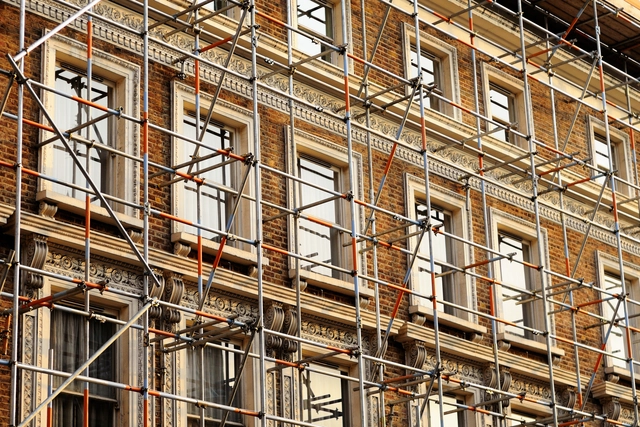
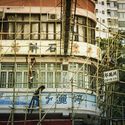
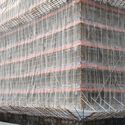
As one takes a visual tour through the city, one might spot structures that break the rhythm of finished architectural products. These are buildings encased in grids of metal or wooden sections, sometimes wrapped in colored nets, that communicate a moment of construction, repair, renovation, or demolition. They are called scaffolding systems, temporary structures built in the city to aid in the erection or maintenance of buildings. However, they have evolved to speak their own architectural language. As city-making is a continuous process, scaffolds serve as beacons, proposing silhouettes of the height, shape, or forms of new buildings. They step into the sidewalks, acting as shade or obstructions to the flow of human and vehicular traffic. In contrast to the permanence of architecture, they exhibit a sense of temporality that helps communicate time, the growth of neighborhoods, and the evolution of a city.

The Architectural Language of Scaffoldings in Cityscapes: Exploring the Impact of These Temporary Structures - Image 1 of 4The Architectural Language of Scaffoldings in Cityscapes: Exploring the Impact of These Temporary Structures - Image 2 of 4The Architectural Language of Scaffoldings in Cityscapes: Exploring the Impact of These Temporary Structures - Image 3 of 4The Architectural Language of Scaffoldings in Cityscapes: Exploring the Impact of These Temporary Structures - Image 4 of 4The Architectural Language of Scaffoldings in Cityscapes: Exploring the Impact of These Temporary Structures - More Images+ 9

MVRDV Breaks Ground on New Mixed-Use Complex in Chengdu, China

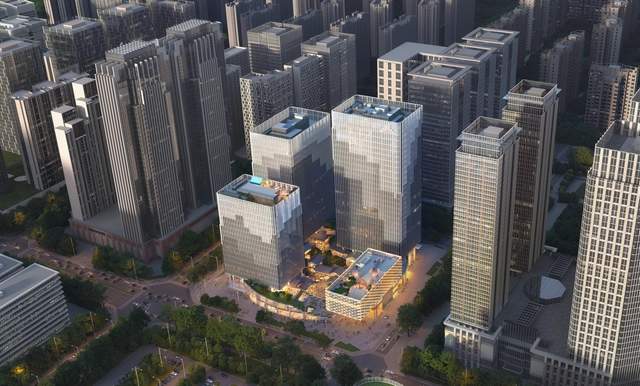
Construction has begun at the last remaining empty sites in Chengdu’s Jiaozi Park Financial and Business District, where MVRDV has designed a complex comprised of three mixed-use office towers and a conference center united by a ring-shaped plinth. The building shape and functional structure are informed by its surrounding context, with a retail village that references the traditional structures that were once located on the site.

MVRDV Breaks Ground on New Mixed-Use Complex in Chengdu, China - Image 1 of 4MVRDV Breaks Ground on New Mixed-Use Complex in Chengdu, China - Image 2 of 4MVRDV Breaks Ground on New Mixed-Use Complex in Chengdu, China - Image 3 of 4MVRDV Breaks Ground on New Mixed-Use Complex in Chengdu, China - Image 4 of 4MVRDV Breaks Ground on New Mixed-Use Complex in Chengdu, China - More Images+ 5

A New Layer of Public Space: The Case for Activating Urban Rooftops

Subscriber Access | 

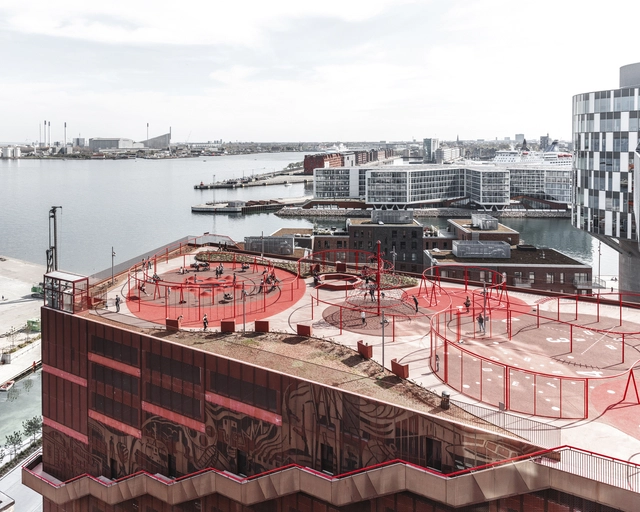
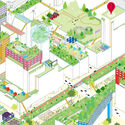
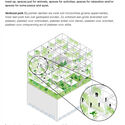
In increasingly denser urban environments, there is a new-found interest in underused spaces as opportunities for further development. Representing up to 25% of cities' land area, rooftops are among the most exciting spatial resources. From sustainable infrastructure and urban farming to social spaces and cultural venues, the article looks into the potential of creating a multi-layered city through the activation of urban rooftops.

A New Layer of Public Space: The Case for Activating Urban Rooftops - Image 1 of 4A New Layer of Public Space: The Case for Activating Urban Rooftops - Image 6 of 4A New Layer of Public Space: The Case for Activating Urban Rooftops - Image 2 of 4A New Layer of Public Space: The Case for Activating Urban Rooftops - Image 3 of 4A New Layer of Public Space: The Case for Activating Urban Rooftops - More Images+ 5

MVRDV Transforms a Former Oil Refinery into an Energy-Neutral Cultural Park in Hangzhou, China

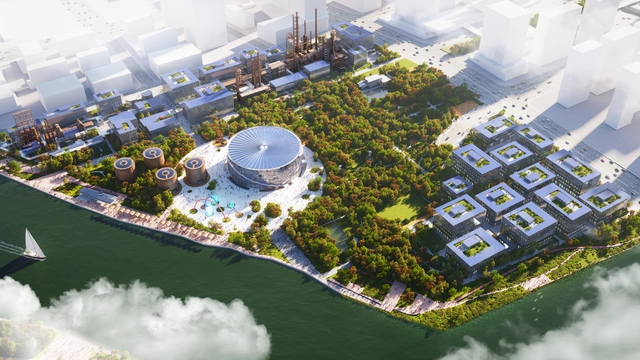
Following an international competition, MVRDV has been selected to lead the design of the Hangzhou Oil Refinery Factory Park, an extensive project aiming to transform the former industrial district into a cultural center set in a green environment. Complete with a new art and science museum, offices, retail, and a wide variety of cultural offerings, the redevelopment demonstrates a way forward from an oil-based infrastructure to more sustainable alternatives, while retaining the memory of the past technologies. The park sits alongside the southern end of China’s Grand Canal, the world’s longest and one of the oldest man-made waterways created to strengthen economic connections between the south and the north of the country.

MVRDV Transforms a Former Oil Refinery into an Energy-Neutral Cultural Park in Hangzhou, China - Image 1 of 4MVRDV Transforms a Former Oil Refinery into an Energy-Neutral Cultural Park in Hangzhou, China - Image 2 of 4MVRDV Transforms a Former Oil Refinery into an Energy-Neutral Cultural Park in Hangzhou, China - Image 3 of 4MVRDV Transforms a Former Oil Refinery into an Energy-Neutral Cultural Park in Hangzhou, China - Image 4 of 4MVRDV Transforms a Former Oil Refinery into an Energy-Neutral Cultural Park in Hangzhou, China - More Images+ 17

MVRDV Designs its First Project in Uruguay, a Residential Building in Montevideo

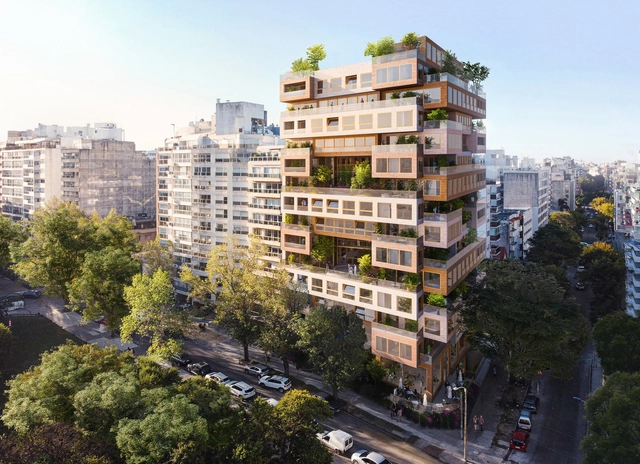
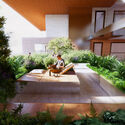
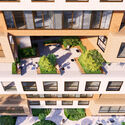
The 15-story residential building designed by MVRDV in Montevideo, Uruguay, has been approved for construction. Named "Ziel," the project consists of individual homes creating an open and permeable environment that allows light and air to flow through the structure, resulting in spacious green spaces for the enjoyment and coexistence of residents. This project is MVRDV's first in Uruguay, designed for developer IXOU in collaboration with Monoblock's executive architecture.

MVRDV Designs its First Project in Uruguay, a Residential Building in Montevideo - Image 1 of 4MVRDV Designs its First Project in Uruguay, a Residential Building in Montevideo - Image 2 of 4MVRDV Designs its First Project in Uruguay, a Residential Building in Montevideo - Image 3 of 4MVRDV Designs its First Project in Uruguay, a Residential Building in Montevideo - Image 4 of 4MVRDV Designs its First Project in Uruguay, a Residential Building in Montevideo - More Images+ 1

The Van Gogh Homeland Biennale Selects MVRDV’s Winy Maas as Its First Curator

MVRDV has joined the Van Gogh Homeland Foundation to develop the first Van Gogh Homeland Biennale to bring awareness to the challenges faced by the Brabant region. At the initiative of Midpoint Brabant, the experience strives to combine knowledge of architecture, landscape design, and sustainability to reignite enthusiasm for the Brabant landscape, Vincent van Gogh;s native Dutch province. According to the organisers, the region is facing a number of threats, including the increasing number of floods and the limited availability of space, but, through an orchestrated effort, the landscape that inspired van Gogh 150 years ago can become more sustainable and greener in the future.

MVRDV Reveals Design for the Extensive Renovation Project of the Koblenz Theater in Germany

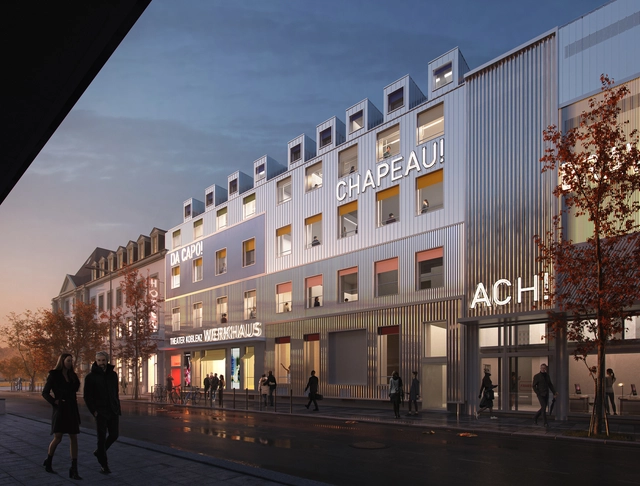
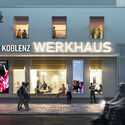
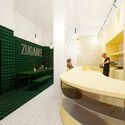
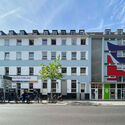
MVRDV has revealed its design for the extensive renovation project of the Theater Koblenz, in Germany. The project includes an interior redesign and a significant backstage element makeover. The proposal, which operates within the confines of the existing structure, balances the many requirements of the brief: history preservation is taken into account alongside essential technical improvements and roof rehabilitation. Additionally, the operations building's façade on Clemensstraße will be renovated to give this backstage entrance a contemporary, expressive appearance that emphasizes its inclusion in the theater complex, clearly separating it from the building's original guest entrance. The repair preserved a significant portion of the structure for future use and used biodegradable materials as much as feasible to reduce carbon emissions.

MVRDV Reveals Design for the Extensive Renovation Project of the Koblenz Theater in Germany - Image 1 of 4MVRDV Reveals Design for the Extensive Renovation Project of the Koblenz Theater in Germany - Image 2 of 4MVRDV Reveals Design for the Extensive Renovation Project of the Koblenz Theater in Germany - Image 3 of 4MVRDV Reveals Design for the Extensive Renovation Project of the Koblenz Theater in Germany - Image 4 of 4MVRDV Reveals Design for the Extensive Renovation Project of the Koblenz Theater in Germany - More Images+ 1

MVRDV Reveals Master Plan for Noviotech Campus Expansion in The Netherlands

MVRDV has revealed the master plan to expand the Noviotech Campus, a giant in Health & High Tech Innovation, in Nijmegen, east of the Netherlands. The concept combines the campus's already scattered buildings, adds new structures where there are gaps, and integrates the site within the city, putting ecology first. The municipality of Nijmegen, Kadans Science Partner, and NXP Semiconductors will collaborate with Noviotech Campus and MVRDV in the following months to develop and refine the master plan.

MVRDV Wins Competition To Design A New Innovation Park Artificial Intelligence Campus in Heilbronn, Germany

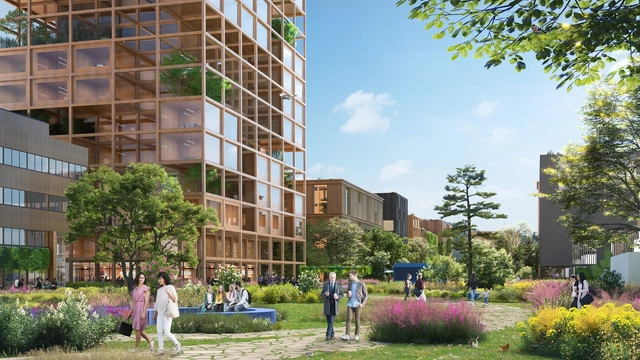
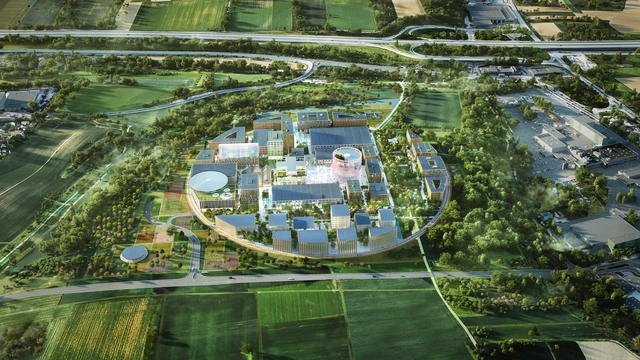
MVRDV has won a competition to design the Innovation Park Artificial Intelligence (IPAI) Campus in Heilbronn, Germany. The campus will be transformed into a world-leading site for developing AI technologies. The design will include a variety of business campus laboratories, a startup innovation center, housing, a communication center, and many amenities, such as a restaurant and a kindergarten. Moreover, the scheme also embeds interactive touchpoints for curious visitors to see the development of these world-changing technologies firsthand and interact with the minds behind their creations.

MVRDV Wins Competition To Design A New Innovation Park Artificial Intelligence Campus in Heilbronn, Germany - Image 1 of 4MVRDV Wins Competition To Design A New Innovation Park Artificial Intelligence Campus in Heilbronn, Germany - Image 2 of 4MVRDV Wins Competition To Design A New Innovation Park Artificial Intelligence Campus in Heilbronn, Germany - Image 3 of 4MVRDV Wins Competition To Design A New Innovation Park Artificial Intelligence Campus in Heilbronn, Germany - Image 4 of 4MVRDV Wins Competition To Design A New Innovation Park Artificial Intelligence Campus in Heilbronn, Germany - More Images+ 2

MVRDV Develops a Catalogue for Repurposing Rooftops

Subscriber Access | 

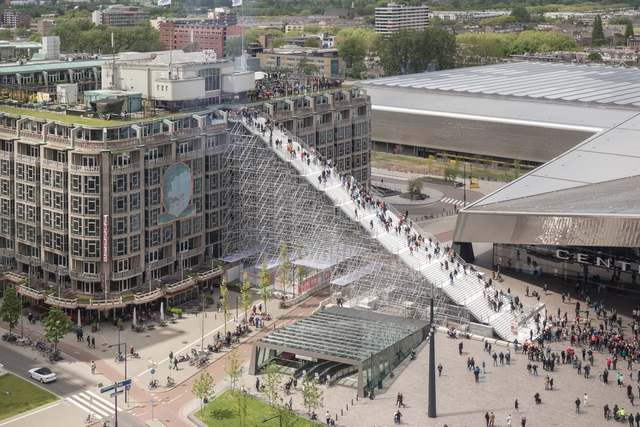
Highlighting an untapped spatial resource, MVRDV's Rooftop Catalogue, in collaboration with Rotterdam Rooftop Days, is now available online for free. Commissioned by the City of Rotterdam, the Rooftop Catalogue presents 130 innovative ideas to make use of Rotterdam's empty flat roofs, showcasing a potential new phase in the city's development and illustrating how reprogramming rooftops can help with issues such as land scarcity and climate change while also addressing the practical side of repurposing these spaces in terms of construction options and suitable sites.

MVRDV Develops a Catalogue for Repurposing Rooftops - Image 1 of 4MVRDV Develops a Catalogue for Repurposing Rooftops - Image 2 of 4MVRDV Develops a Catalogue for Repurposing Rooftops - Image 3 of 4MVRDV Develops a Catalogue for Repurposing Rooftops - Image 4 of 4MVRDV Develops a Catalogue for Repurposing Rooftops - More Images+ 13

Munich Architecture City Guide: From Skyscrapers to Small Pavilions, Brutalism to Art Nouveau

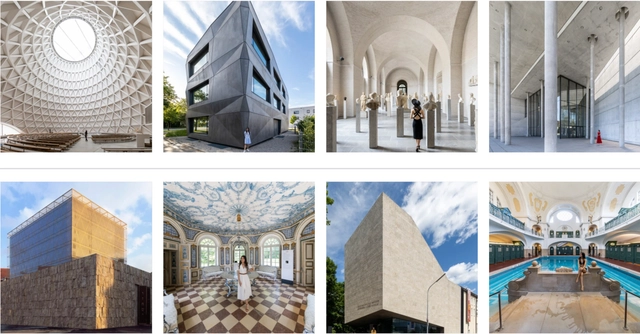
Munich – Bavaria’s capital since 1506 – is a city with layers and layers of history. Its many years as a rising architectural epicenter have left an interesting and unique mix of buildings. From Middle Age churches and cathedrals to contemporary synagogues. From skyscrapers to small pavilions. Brutalism to Art Nouveau. Munich’s architecture is truly extensive and marvelous.

Though not acknowledging Munich’s beer wonders would be wrong, the only mention of this substance would be in the stunning buildings (like the new Paulaner HQ by Hierl Architekten) that contain them. Yes, other aspects of the city are grandiose, but let’s focus on Munich’s top attraction: its architecture.

Munich Architecture City Guide:  From Skyscrapers to Small Pavilions, Brutalism to Art Nouveau - Image 1 of 4Munich Architecture City Guide:  From Skyscrapers to Small Pavilions, Brutalism to Art Nouveau - Image 2 of 4Munich Architecture City Guide:  From Skyscrapers to Small Pavilions, Brutalism to Art Nouveau - Image 3 of 4Munich Architecture City Guide:  From Skyscrapers to Small Pavilions, Brutalism to Art Nouveau - Image 4 of 4Munich Architecture City Guide:  From Skyscrapers to Small Pavilions, Brutalism to Art Nouveau - More Images+ 20

Mumbai Architecture City Guide: 20 Projects in One of India's Most Populous Cities

Subscriber Access | 

Walking through the streets of Mumbai, India, is an experience unmatched anywhere else. The energy of India’s largest and most populous city is palpable through the people, their activities, and most importantly, the built environment. The city’s dynamic culture is evidently expressed through the structures that dot its landscape.

Mumbai is an eclectic mix of buildings large and small, old and new, and traditional and modern. The city of contrasts boasts an architectural legacy that goes back over 2000 years. Located in the state of Maharashtra along the west coast of India, Mumbai hosts a variety of architectural styles such as Victorian, Gothic, Art Deco, Indo-Saracenic, Modern and Post-modern. The city is characterized by its old charm and liveliness, a diverse stage for people to pursue their dreams.

Mumbai Architecture City Guide: 20 Projects in One of India's Most Populous Cities - Image 1 of 4Mumbai Architecture City Guide: 20 Projects in One of India's Most Populous Cities - Image 2 of 4Mumbai Architecture City Guide: 20 Projects in One of India's Most Populous Cities - Image 3 of 4Mumbai Architecture City Guide: 20 Projects in One of India's Most Populous Cities - Image 4 of 4Mumbai Architecture City Guide: 20 Projects in One of India's Most Populous Cities - More Images+ 17

The 15 Winners of the 2023 ArchDaily Building of the Year Awards

After another successful selection process, with over 150,000 votes cast during the last 3 weeks, the collective intelligence of our community has helped us to highlight and recognize the best recent architecture projects. The 75 finalists, which is already a winners list, are a testament to the innovative and diverse ways in which architecture responds to the challenges of our built environment.

The scale of this award is a reflection of how important architecture is today, as the deepening complexity of our world places increasing pressure and demands upon our built environment. To deal with issues such as the climate crisis, energy scarcity, population density, social inequality, housing shortages, fast-moving urbanization, diminished local identity, and a lack of diversity, architecture needs to open itself. We are happy to see how the question posed by this award has gained global attraction. Voices from outside of the architectural profession stated: “This is what we consider good architecture”, due to its impact and symbolism, as seen on Globo or El País. Architectural recognition goes beyond its usual professional borders, and is able to motivate, rejoice and excite an ever growing number of people who understand the importance of our built environment and its impact on quality of life.

The winners are a concrete example of what society recognizes as good architecture, but also of what it demands from it. We take the responsibility to continue building on the spirit of the award, strengthening the expert’s choice and the contribution that our community makes based on their preferences and selections throughout the year, together with the voice of a wider community.

The ArchDaily Building of the Year Awards is brought to you thanks to Dornbracht, renowned for leading designs for architecture, which can be found internationally in bathrooms and kitchens.


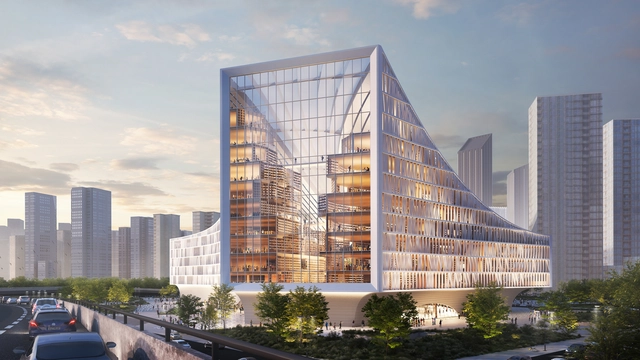
MVRDV Unveils Winning Design for a New Central Library in Wuhan, China

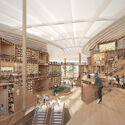
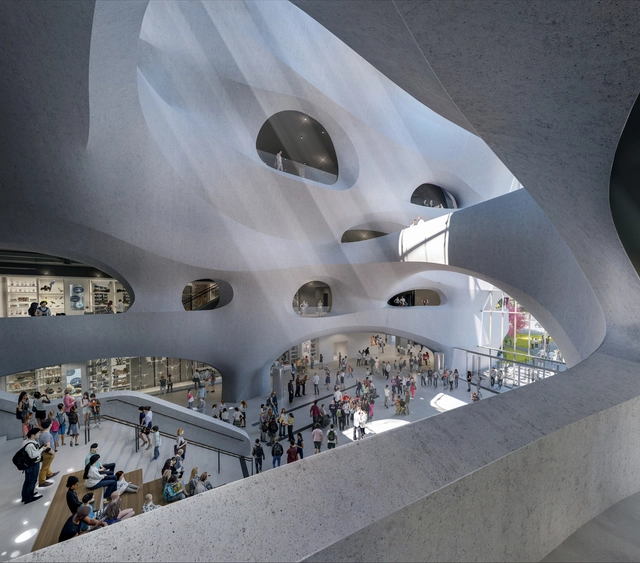
MVRDV, in collaboration with UAD, has been selected as the winner of the competition to design a new library for Wuhan, poised to become one of the largest libraries in China. The large-scale project creates diverse study environments and offers reading and studio spaces while also connecting to its surroundings via three large openings that display the life inside the buildings to invite visitors to enter. Spanning over 140,000 square meters, the distinctive building adapts its volume to reflect its position at the confluence of two main rivers in Wuhan and become a recognizable landmark for the city.

MVRDV Unveils Winning Design for a New Central Library in Wuhan, China - Image 1 of 4MVRDV Unveils Winning Design for a New Central Library in Wuhan, China - Image 2 of 4MVRDV Unveils Winning Design for a New Central Library in Wuhan, China - Image 3 of 4MVRDV Unveils Winning Design for a New Central Library in Wuhan, China - Image 4 of 4MVRDV Unveils Winning Design for a New Central Library in Wuhan, China - More Images+ 6

The 23 Most Anticipated Projects of 2023

Subscriber Access | 

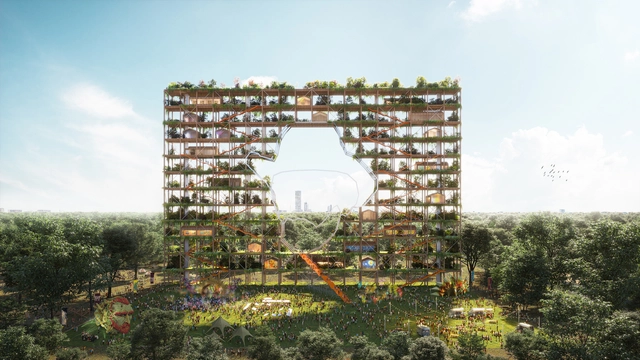
As the new year begins, we look forward to the most exciting projects planned to open in 2023. The world's second-tallest tower is currently under construction in Malaysia; Egypt is almost ready to open its largest archeological museum, while MVRDV is currently renovating a large-scale brutalist landmark in Albania. Featuring internationally renown architectural offices such as Snøhetta, OMA, Studio Gang, Zaha Hadid Architects, BIG, along with the latest winner of the Pritzker Prize, Francis Kéré, the following selection presents projects from all around the world. They also range in scale and program, from international airports to sculptural arts galleries or museum expansions.
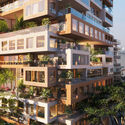
Several projects presented here have also featured in the previous year's compilation. Resource availability and labor issues generated by the pandemic have also continued to influence opening schedules, but with a diminishing impact. Following the predicted trends for 2023, more and more projects involve the adaptive reuse of existing structures. An underlying theme is visible in the increased interest in expanding artistic and cultural venues and integrating historical heritage into the expression of contemporary architecture.
The 23 Most Anticipated Projects of 2023 - Image 1 of 4The 23 Most Anticipated Projects of 2023 - Image 2 of 4The 23 Most Anticipated Projects of 2023 - Image 3 of 4The 23 Most Anticipated Projects of 2023 - Image 4 of 4The 23 Most Anticipated Projects of 2023 - More Images+ 20

MVRDV Wins Competition to Design the Master Plan for a Taiwanese Town’s Water Network

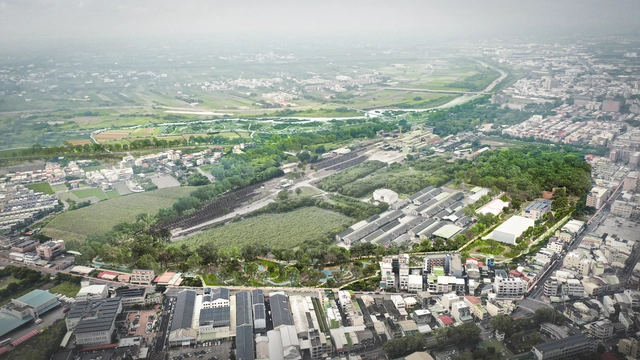
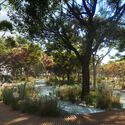
International office MVRDV has been selected by the Taiwan Ministry of Economic Affairs to design the Hoowave Water Factory, a large-scale redevelopment of Huwei’s Beigang and Anqingzhen waterways. The project combines a strategic master plan with the landscape design in an effort to move beyond the mono-functional approach for controlling and distributing water. Besides storing and capturing water, the proposal also opens up access to the river and the natural ecosystem by integrating cycling paths, cultural amenities, and ecological systems. The master plan also includes a comprehensive strategy for flood resilience while improving the quantity and quality of available water. The project is expected to be completed in 2026.

MVRDV Wins Competition to Design the Master Plan for a Taiwanese Town’s Water Network - Image 1 of 4MVRDV Wins Competition to Design the Master Plan for a Taiwanese Town’s Water Network - Image 2 of 4MVRDV Wins Competition to Design the Master Plan for a Taiwanese Town’s Water Network - Image 3 of 4MVRDV Wins Competition to Design the Master Plan for a Taiwanese Town’s Water Network - Image 4 of 4MVRDV Wins Competition to Design the Master Plan for a Taiwanese Town’s Water Network - More Images+ 12

MVRDV and GRAS Complete Phase One of Project Gomila in Mallorca, Spain

MVRDV and GRAS announced the completion of five of the seven buildings of Project Gomila in Palma de Mallorca, Spain. The residential complex was originally comprised of four existing buildings, adding three new ones for a total of 60 new dwellings and new commercial spaces. The project aligns with revamping the historic neighborhood "El Terreno" as a vibrant and sustainable residential site, home of bohemian nightclubs that hosted iconic musicians such as Jimi Hendrix, Ray Charles, and Tom Jones.

MVRDV and GRAS Complete Phase One of Project Gomila in Mallorca, Spain - Image 1 of 4MVRDV and GRAS Complete Phase One of Project Gomila in Mallorca, Spain - Image 2 of 4MVRDV and GRAS Complete Phase One of Project Gomila in Mallorca, Spain - Image 3 of 4MVRDV and GRAS Complete Phase One of Project Gomila in Mallorca, Spain - Image 4 of 4MVRDV and GRAS Complete Phase One of Project Gomila in Mallorca, Spain - More Images+ 4