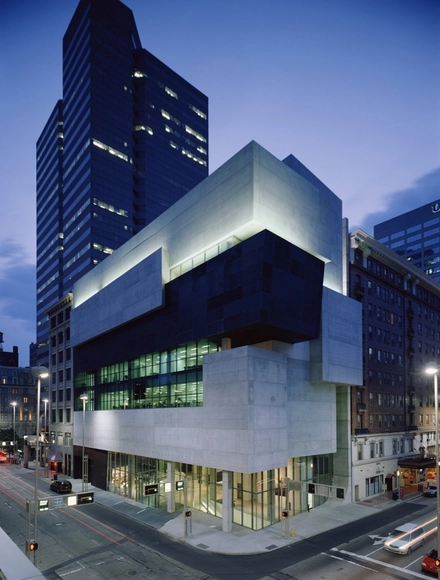
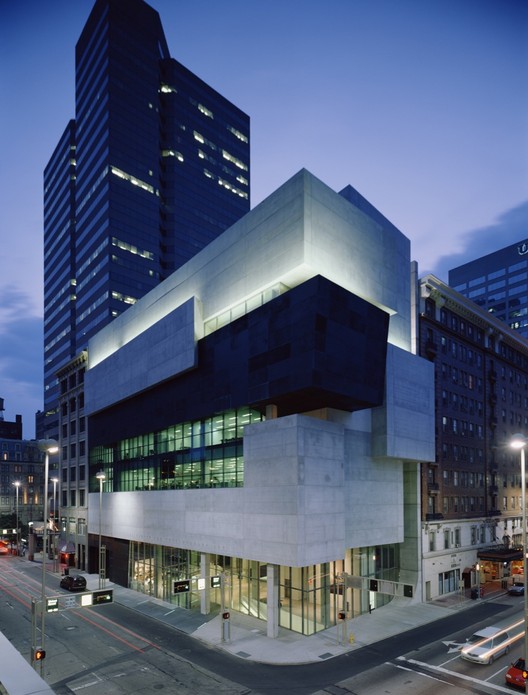
The belief that a building can both blend in and stand out at the same time is embodied by the Lois and Richard Rosenthal Center for Contemporary Art (CAC), located in Cincinnati. Though it's heavy volumetric massing makes it appear as an independent and impenetrable sculptural element, the Rosenthal Center is in fact designed to pull the city in – past its walls and up, toward the sky. This inherent dynamism is well-suited to a gallery which does not hold a permanent collection, and is situated at the heart of a thriving Midwestern city.
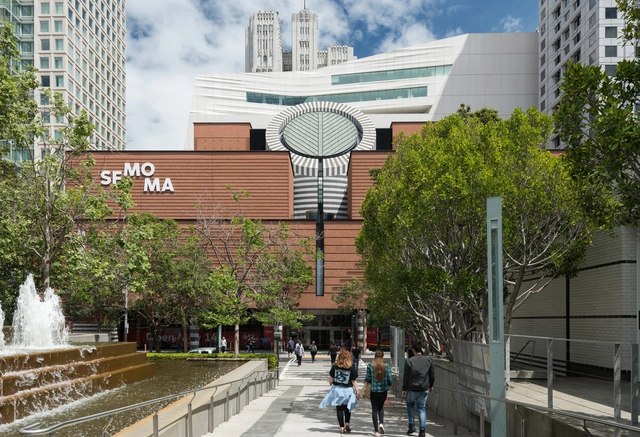
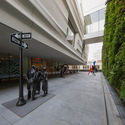
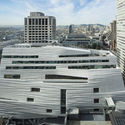
Shoehorned into the narrow space behind Mario Botta’s 1995 building, the Snøhetta-designed new wing of the SFMOMA was forced to go where few museums have gone before: up. Rising 10 stories into the San Francisco skyline, the new building nearly triples the amount of existing gallery space and adds a new entrance into what is now one of the world’s largest buildings dedicated to modern art. As the museum is set to reopen to the public May 14th, the critics' takes are rolling in. Did the restrictive site inspire a unique design solution or limit the creative possibilities of the project? Read on to find out.
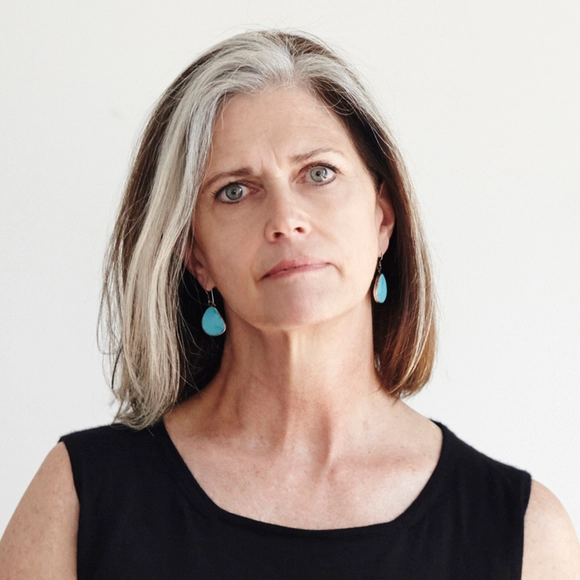
Deborah Berke, FAIA, incoming Dean of the Yale School of Architecture will address the Dallas Architecture Forum on April 13.
Dallas Architecture Forum, a non-profit organization for everyone interested in learning about and improving the architecture, design, landscape and urban fabric of the North Texas region is pleased to continue its 2015-16 Lecture Season with esteemed architect Deborah Berke, FAIA, and founding partner of Deborah Berke Partners, a New York City-based architecture and design firm that has completed projects around the world.
Egypt's minister of antiquities, Mamdouh al-Damaty, has announced plans to move forward with an underwater museum project in the Eastern Harbor area of Alexandria's Abu Qir Bay, according to a report by The Smithsonian Magazine. In the works since 1996, the project not only seeks to bring historic sunken artifacts and structures into public view, but also to preserve the site, which is at risk of damage from pollution, fishing boat anchors, and poaching by divers.
In 2008, French architect Jacques Rougerie learned of the project and reached out to the Egyptian Ministry to create conceptual renderings of what the space could become.
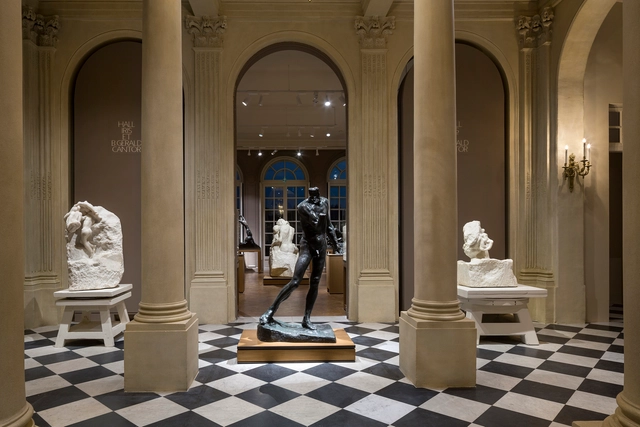
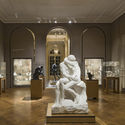
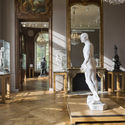
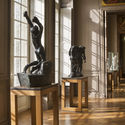
After a meticulous multi-year restoration the Musée Rodin in Paris has reopened to the public. Dedicated exclusively to the work of Auguste Rodin, the state-owned museum has undergone a ground-up facelift designed to breathe new life into the ageing home of the artist's diverse body of work. Housed in an estate originally built in 1732 and open to the public since 1919, the comprehensive renovation has left no stone unturned, including a full structural and cosmetic overhaul. Project architect Richard Duplat was challenged to "recreate the atmosphere it must have had in Rodin’s day" while implementing current accessibility and safety standards, all with the goal to better represent Rodin's influential work.
Architect Billie Tsien will discuss the Barnes Foundation Museum and many other award-winning projects for the Dallas Architecture Forum on November 19 at the Dallas Museum of Art
Dallas Architecture Forum, a non-profit organization for everyone interested in learning about and improving the architecture, design, landscape and urban fabric of the North Texas region is pleased to continue its 2015-16 Lecture Season with outstanding architect Billie Tsien, Co-Founder and Partner of Tod Williams Billie Tsien Architects - a New York City-based studio focused on work for museums, schools, and non-profit organizations. Tsien’s many projects include the new art museum for the Barnes Foundation collection, the American Folk Art Museum in New York, projects for Lincoln Center in New York and Cranbrook in Michigan, and the Dallas residence for the developer of Urban Reserve.
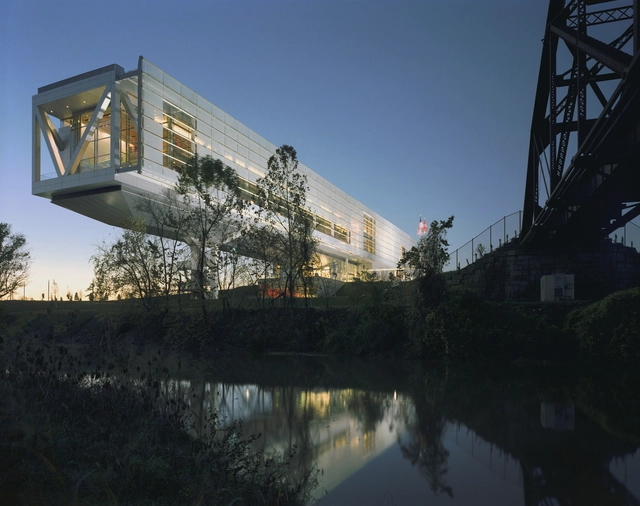
William J. Clinton Presidential Center by Ennead Architects. Photo by Timothy Hursley
Dallas Architecture Forum, a non-profit organization for everyone interested in learning about and improving the architecture, design, landscape and urban fabric of the North Texas region is pleased to continue its 2015-16 Lecture Season with the outstanding architect Kevin McClurkan, Management Partner of Ennead Architects of New York City. McClurkan's many major projects include the Clinton Presidential Library in Little Rock; the Newseum adjacent to the US Capitol in Washington, DC; and The Standard hotel on the High Line Park in New York City. He will speak on Tuesday, November 3 at 7 p.m. in the Horchow Auditorium at the Dallas Museum of Art.
Museum of Modern Art; New York, United States of America. Image Courtesy of The Leading Culture Destinations Awards
The winners of the 2015 Leading Culture Destinations Awards have been announced at a ceremony in London. The Awards recognize the success of “museums, art organizations, and cultural destinations from around the world [that] are investing in iconic architecture, cross-sector collaborations, [and] audacious programming […] to diversify the experiences offered to visitors and establish their global reputations.”
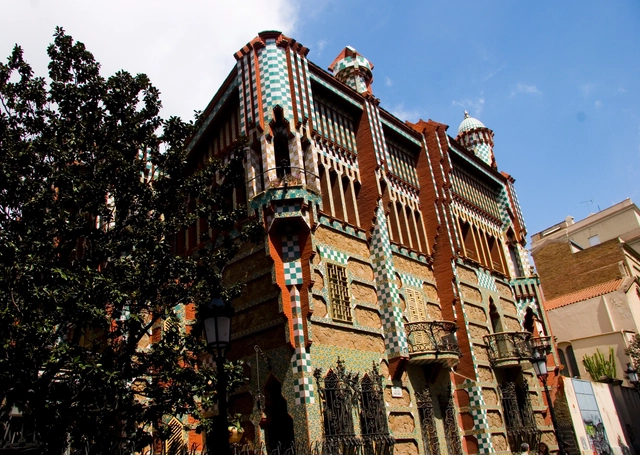
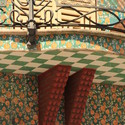
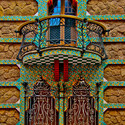
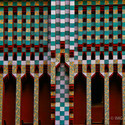
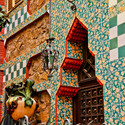
Designed by Antonio Gaudí in Barcelona when he was 30, and designated a World Heritage Site by UNESCO in 2005, Casa Vicens will be converted into a museum and open its doors to the public during the second half of 2016.
Built between 1883 and 1889, Casa Vicens was the first house designed by Gaudí. The building’s current owner, a subsidiary of the financial group Mora Banc Grup, is currently working on its restoration and the museum planning. “The mission of Casa Vicens as a house museum is to present the first Gaudí house, presenting it as an essential work to understand his unique architectural language and the development of Art Nouveau in Barcelona,” explained the executive manager of the project, Mercedes Mora, in a recent interview with Iconic Houses.
In collaboration with the Colombian Society of Architects, the National Centre for Historical Memory (NCHM) has announced a new international competition to design Colombia's National Museum of Memory. Commemorating decades-long internal conflict in Colombia, the competition is part of a series of initiatives to make reparations to victims of the unrest, and will be the first national museum constructed in the midst of ongoing armed conflict. It is hoped that the museum will bring together mainstream historical accounts and "voices of resistance" to create a cultural landmark that is "restorative, monumental and memorial in nature." On June 1, the organizers will conduct a competition Q&A live stream in Spanish, after which point competition registration will be open until June 19. Entries can be submitted until July 29, with a winner announced on August 13. To read more about the competition and to register, click here.
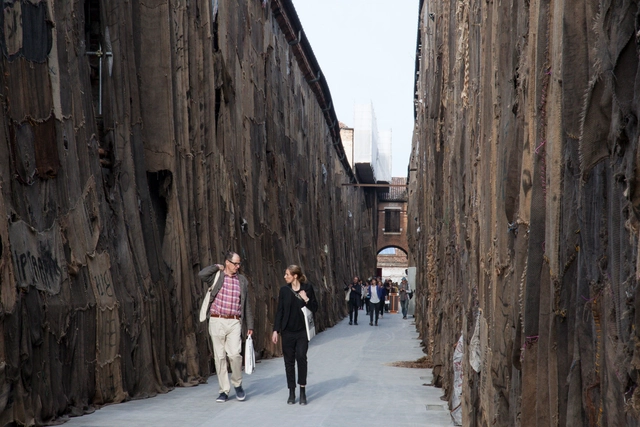
A temporary pavilion designed by London-based firm Adjaye Associates is housing a selection of works for the 56th International Art Exhibition, "All the World's Futures," in Venice. Curated by Okwui Enwezor, the exhibition explores the numerous ways in which art can be experienced in "an unfolding of typologies." Adjaye Associate's temporary museum seeks to parallel Enwezor's curatorial vision, and is nestled within a 316-meter-long, 16th-century ship-building warehouse in the Arsenale district.
In honor of International Museum Day, we're taking a look back at the 21st century's most exciting museums. The following is an excerpt from the recently released book, The Architecture of Art Museums – A Decade of Design: 2000 – 2010 (Routledge) by Ronnie Self, a Houston-based architect. Each chapter of the book provides technical, comprehensive coverage of a particular influential art museum. In total, eighteen of the most important art museums of the early twenty-first century - including works from Tadao Ando, Herzog & de Meuron, SANAA, Steven Holl, and many other high-profile architects - are explored. The following is a condensed version of the chapter detailing Shigeru Ban and Jean de Gastines' 2010 classic, Centre Pompidou-Metz.
The Pompidou Center – Metz was a first experiment in French cultural decentralization. In the late 1990’s, with the prospect of closing Piano and Roger’s building in Paris for renovations, the question arose of how to maintain some of the 60,000 works in the collection of the National Museum of Modern Art available for public viewing. A concept of “hors les murs” or “beyond the walls” was developed to exhibit works in other French cities. The temporary closing of the Pompidou Center – Paris spurred reflections on ways to present the national collection to a wider audience in general. Eventually a second Pompidou Center in another French city was imagined.
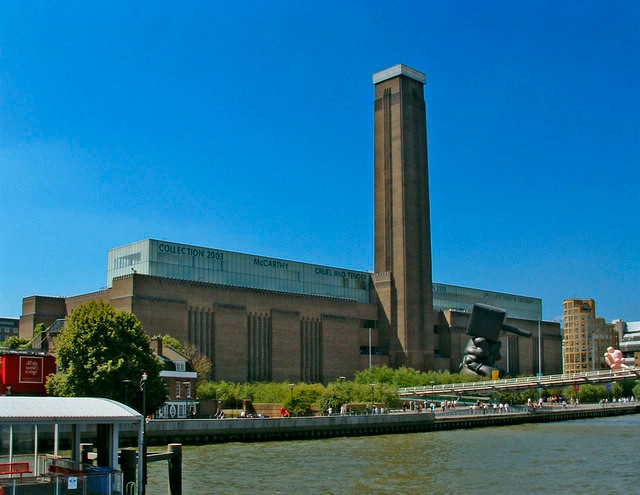
London’s Bankside Power Station stood disused from 1981 until 2000, when it opened to the public as The Tate Modern. Swiss architects Herzog & de Meuron approached the conversion with a relatively light hand, creating a contemporary public space without diminishing the building's historical presence. The impressive cultural icon has since become the most visited museum of modern art in the world, revitalizing its formerly sequestered, industrial neighborhood.
Toledo Museum of Art; Courtesy of Flickr User Kevin Marsh, Licensed via Creative Commons
The 101-year old historic building that houses the Toledo Museum of Art in Ohio has gone off grid, reports Candace Pearson of Architectural Record. Through a series of upgrades that began in the early ‘90s, including covering 60% of the roof with solar panels, the Toledo Museum has gone from purchasing 700,000 kW of electricity a month to returning energy back to the grid - making it an exemplar of adaptability and sustainability in century-old public buildings. Find out how they did it at Architectural Record.
NEW YORK–Although the American Folk Art Museum has avoided dissolution thanks to a cash infusion from trustees and the Ford Foundation, the institution’s ongoing financial troubles raise difficult questions about the relationship between signature architecture and cultural capital.


.jpg?1462559836 "© Paul Warchol")
.jpg?1462560115 "© Helene Binet")



_on_view_in_the_Evelyn_and_Walter_Haas__Jr._Atrium_at_the_new_SFMOMA__photo_%C2%A9_Iwan_Baan__courtesy_SFMOMA.jpg?1462453791 "© Iwan Baan")





.jpg?1444925222&format=webp&width=640&height=580)