1. ArchDaily
  2. multi-use

multi-use: The Latest Architecture and News

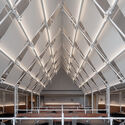
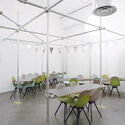
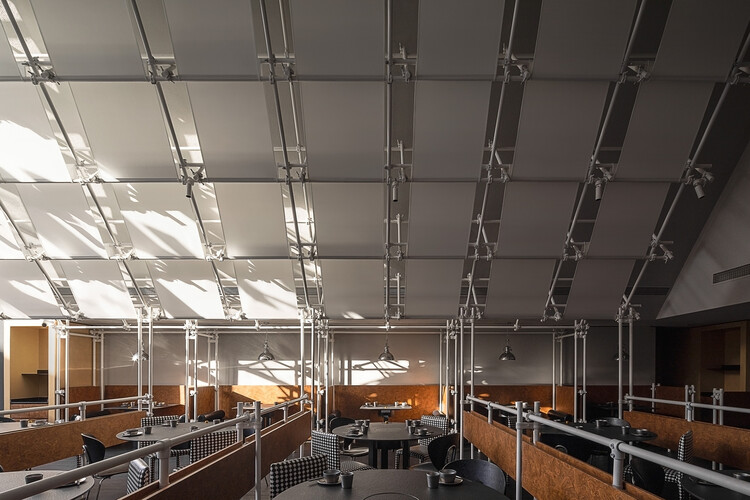
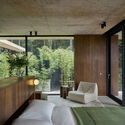
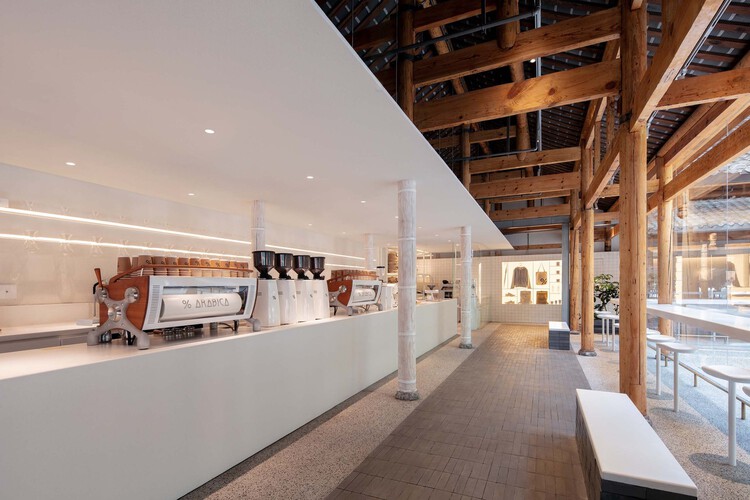
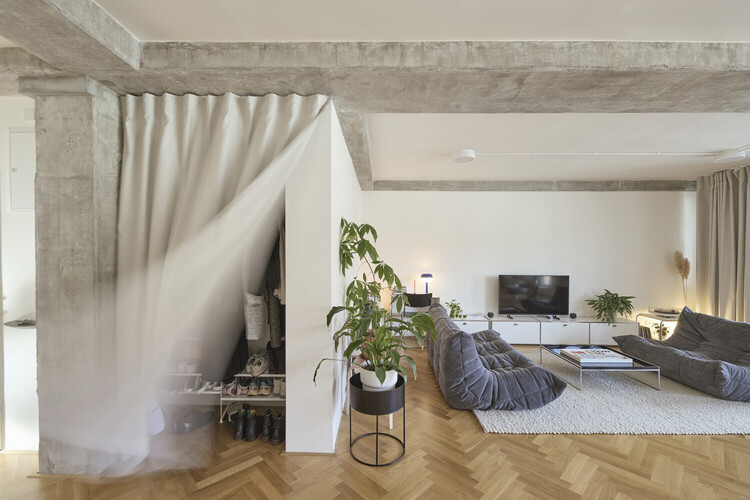
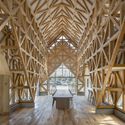
The Productive Clash: Heritage Interiors, Contemporary Projects, and the Value of Imperfection

Heritage, in interiors, is increasingly rarer to be only a matter of preservation alone. More often it arrives as friction: the encounter between what a building already is—its plan logic, its scars, its structural inconsistencies—and what contemporary life demands of it.
Some of the most convincing projects today are not those that "restore" an interior back to a single moment, nor those that erase the past under a seamless new skin. They are the ones that stage a relationship between old and new—allowing contrast to do more than tell a story, and letting the clash become a pragmatic tool for construction, budget, and speed.
The Productive Clash: Heritage Interiors, Contemporary Projects, and the Value of Imperfection - Image 1 of 4The Productive Clash: Heritage Interiors, Contemporary Projects, and the Value of Imperfection - Image 2 of 4The Productive Clash: Heritage Interiors, Contemporary Projects, and the Value of Imperfection - Image 3 of 4The Productive Clash: Heritage Interiors, Contemporary Projects, and the Value of Imperfection - Image 4 of 4The Productive Clash: Heritage Interiors, Contemporary Projects, and the Value of Imperfection - More Images+ 28

Beyond Circulation: Stair Solutions for Small-Footprint Living in Asia

Subscriber Access | 

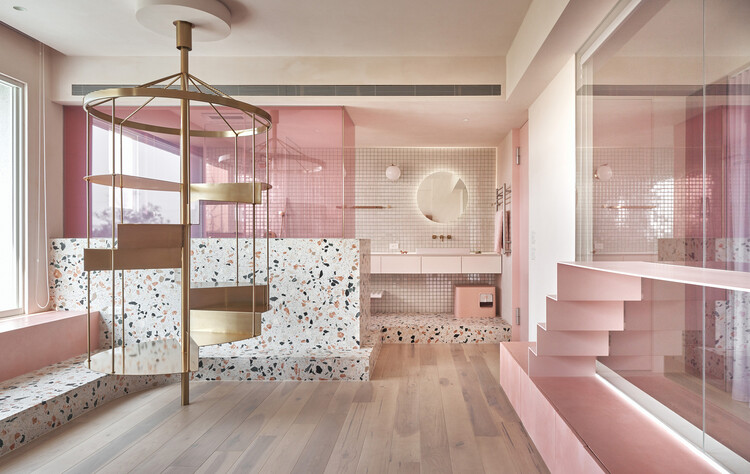
In many high-density cities across Asia, the staircase is often treated as a necessary evil. Whether in apartment buildings, private homes, or retail interiors, it is frequently hidden, tucked away, or pushed to the margins—an element to be minimized so more area can be given to "usable" space. Yet as density intensifies and square footage becomes increasingly scarce, architects and designers are forced to rethink this vertical puzzle.

The question shifts from how to conceal the staircase to how to make it work harder: can it become a productive addition to the interior—an architectural device that does more than connect levels, performing dual (or multiple) duties rather than simply consuming floor area?

Beyond Circulation: Stair Solutions for Small-Footprint Living in Asia - Image 1 of 4Beyond Circulation: Stair Solutions for Small-Footprint Living in Asia - Image 2 of 4Beyond Circulation: Stair Solutions for Small-Footprint Living in Asia - Image 3 of 4Beyond Circulation: Stair Solutions for Small-Footprint Living in Asia - Image 4 of 4Beyond Circulation: Stair Solutions for Small-Footprint Living in Asia - More Images+ 11

Allies and Morrison and SLA’s Plot C at Manchester’s Sister District Receives Planning Approval

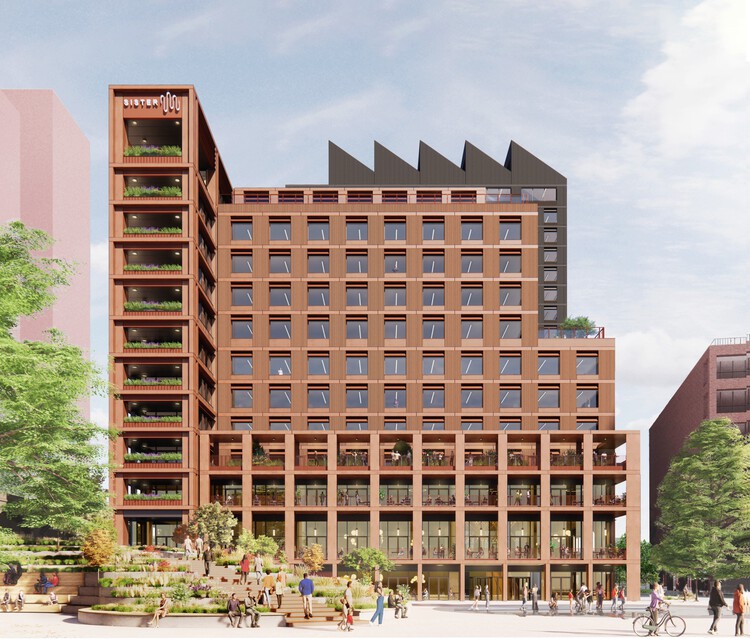
Plot C, Sister, Manchester, a pair of linked commercial buildings located on the north-east corner of the Sister campus, has received planning approval from Manchester City Council. Designed by Allies and Morrison and SLA for client Sister, a joint venture between the University of Manchester and Bruntwood SciTech, the scheme represents the first major new-build phase of the master plan for Manchester's emerging innovation district. With a total gross external area of approximately 81,000 square metres, the development is positioned as one of the city's largest new workplace-led projects, marking a key moment in the phased transformation of the site.

Allies and Morrison and SLA’s Plot C at Manchester’s Sister District Receives Planning Approval - Image 1 of 4Allies and Morrison and SLA’s Plot C at Manchester’s Sister District Receives Planning Approval - Image 2 of 4Allies and Morrison and SLA’s Plot C at Manchester’s Sister District Receives Planning Approval - Image 3 of 4Allies and Morrison and SLA’s Plot C at Manchester’s Sister District Receives Planning Approval - Image 4 of 4Allies and Morrison and SLA’s Plot C at Manchester’s Sister District Receives Planning Approval - More Images+ 3

From Yakushima to Toronto: Architecture Now Highlights New Projects Shaping Hospitality, Public Life, and Infrastructure

As cities and infrastructures evolve to meet shifting cultural, environmental, and social demands, new architectural projects are redefining how public spaces and civic institutions operate. This edition of Architecture Now brings together proposals spanning different contexts and scales: on Yakushima Island, Jean Nouvel embeds a boutique retreat for NOT A HOTEL into a UNESCO-listed forest landscape; in New York City, Rossetti and WSP are preparing a major renovation of Arthur Ashe Stadium to expand capacity and enhance the visitor experience; in Toronto, Diamond Schmitt and gh3* have broken ground on a mass-timber, net-zero paramedic station; and across the English Channel, Hollaway Studio is leading a transformation of LeShuttle's UK and French terminals into more seamless and sustainable gateways. Together, these projects reflect how design is being used to adapt existing systems and landscapes to new forms of public life.

From Yakushima to Toronto: Architecture Now Highlights New Projects Shaping Hospitality, Public Life, and Infrastructure - Image 1 of 4From Yakushima to Toronto: Architecture Now Highlights New Projects Shaping Hospitality, Public Life, and Infrastructure - Image 4 of 4From Yakushima to Toronto: Architecture Now Highlights New Projects Shaping Hospitality, Public Life, and Infrastructure - Image 2 of 4From Yakushima to Toronto: Architecture Now Highlights New Projects Shaping Hospitality, Public Life, and Infrastructure - Image 5 of 4From Yakushima to Toronto: Architecture Now Highlights New Projects Shaping Hospitality, Public Life, and Infrastructure - More Images+ 11

Renzo Piano Building Workshop Wins Competition to Design the New Midtstadt Mixed-Use Complex in Frankfurt

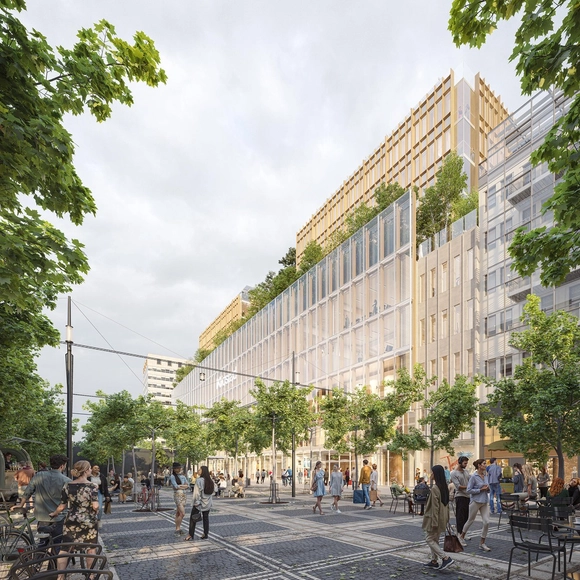
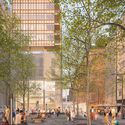
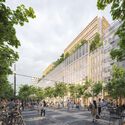
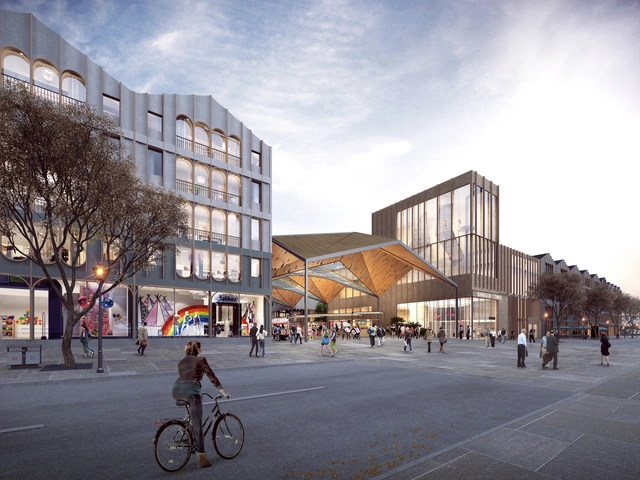
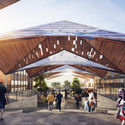
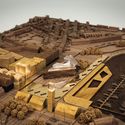
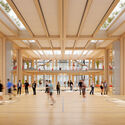
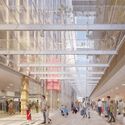
Renzo Piano Building Workshop (RPBW), in collaboration with Holger Meyer Architekten, has won the competition for the new Midstad project in Frankfurt. Led by Joost Moolhuijzen and Erik Volz, the design reimagines the future of European city centers as resourceful and multifunctional. The project involves a 35,000 m² rehabilitation of an existing department store on the Zeil in Frankfurt's city center, integrating a six-story mass timber extension and a mixed-use, community-driven program. The project involves reconstruction during ongoing operation, partial demolition, and the expansion of the existing department store.

Renzo Piano Building Workshop Wins Competition to Design the New Midtstadt Mixed-Use Complex in Frankfurt - Image 1 of 4Renzo Piano Building Workshop Wins Competition to Design the New Midtstadt Mixed-Use Complex in Frankfurt - Image 2 of 4Renzo Piano Building Workshop Wins Competition to Design the New Midtstadt Mixed-Use Complex in Frankfurt - Image 3 of 4Renzo Piano Building Workshop Wins Competition to Design the New Midtstadt Mixed-Use Complex in Frankfurt - Featured ImageRenzo Piano Building Workshop Wins Competition to Design the New Midtstadt Mixed-Use Complex in Frankfurt - More Images

Architecture Beyond Humanity: Designing for Non-Human Species

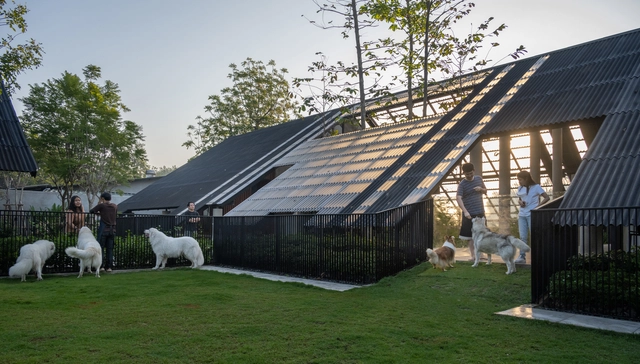
Are humans the only stewards of the built environment? For many architects and planners, spaces are designed with a focus on the needs, comfort, and health of humans. A spatial ordering, in constructed spaces and the urban fabric, designates humans as the default, singular user in this scenario. However, as much as humans have influenced the trajectory of the world, other species play a crucial role in designing, forming, and maintaining the urban landscapes of the twenty-first century.

Architecture Beyond Humanity: Designing for Non-Human Species - Image 1 of 4Architecture Beyond Humanity: Designing for Non-Human Species - Image 2 of 4Architecture Beyond Humanity: Designing for Non-Human Species - Image 3 of 4Architecture Beyond Humanity: Designing for Non-Human Species - Image 4 of 4Architecture Beyond Humanity: Designing for Non-Human Species - More Images+ 30

Building Stronger Communities: The Role of Regional Identity in 7 Multi-Purpose Projects

A region's identity is deeply tied to its community spaces. These spaces—whether parks, public squares, or community centers—reflect their users' culture, history, and values. They don't just preserve regional identity; they actively shape how communities engage with their environment, fostering a dynamic relationship between place and people. Community spaces are more than just physical locations; they are vital social hubs that foster engagement, cultural expression, and a sense of belonging. These spaces symbolize a shared identity and purpose.

Building Stronger Communities: The Role of Regional Identity in 7 Multi-Purpose Projects - Image 1 of 4Building Stronger Communities: The Role of Regional Identity in 7 Multi-Purpose Projects - Image 10 of 4Building Stronger Communities: The Role of Regional Identity in 7 Multi-Purpose Projects - Image 22 of 4Building Stronger Communities: The Role of Regional Identity in 7 Multi-Purpose Projects - Image 3 of 4Building Stronger Communities: The Role of Regional Identity in 7 Multi-Purpose Projects - More Images+ 20

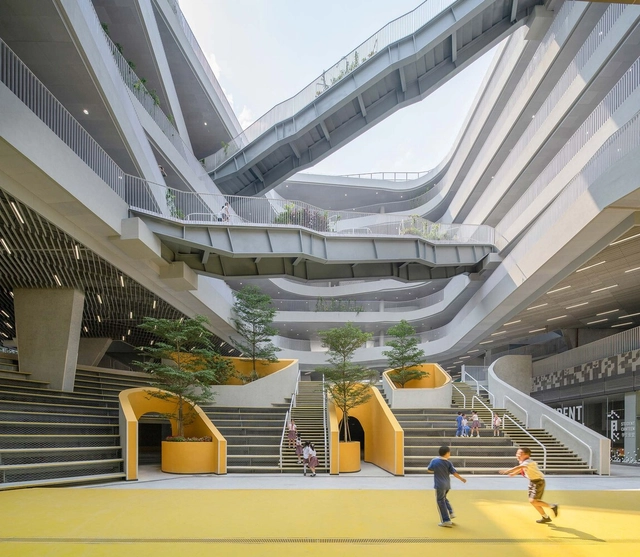
Designing the School of the Future: Multifunctional Spaces for Dynamic Learning

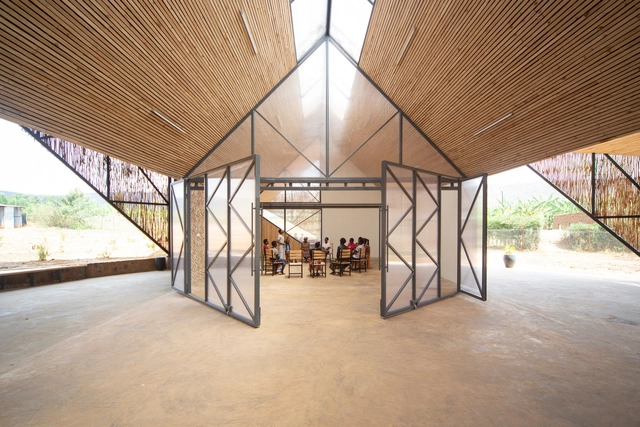
The 21st century has dramatically transformed school architecture, driven by new educational philosophies, technological progress, and social values emphasizing sustainability and inclusion. This change goes beyond mere aesthetics, deeply reshaping how physical spaces contribute to education. Traditional narrow hallways and rows of desks have been replaced by dynamic, flexible spaces that are well-integrated with their surroundings and the community. These modern designs prioritize versatility and multifunctionality.

Designing the School of the Future: Multifunctional Spaces for Dynamic Learning - Image 1 of 4Designing the School of the Future: Multifunctional Spaces for Dynamic Learning - Image 2 of 4Designing the School of the Future: Multifunctional Spaces for Dynamic Learning - Image 3 of 4Designing the School of the Future: Multifunctional Spaces for Dynamic Learning - Image 4 of 4Designing the School of the Future: Multifunctional Spaces for Dynamic Learning - More Images+ 8

Asif Khan and Theaster Gates Release New Vision for Liverpool’s Waterfront Transformation Project

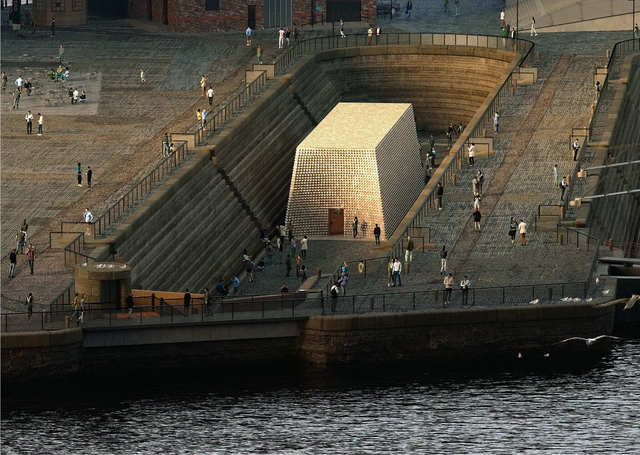
National Museums Liverpool (NML) has revealed a revised version of the redevelopment of the city’s waterfront, led by architect Asif Khan and artist Theaster Gates. The plans include the redesign of the public spaces at Canning Dock, a historical area central to the Liverpool docks. As part of the Waterfront Transformation Project, the interventions aim to create accessible public spaces to better serve the community and to create a link between the surrounding museums. The preliminary proposal is now open for public consultation.

Asif Khan and Theaster Gates Release New Vision for Liverpool’s Waterfront Transformation Project - Image 1 of 4Asif Khan and Theaster Gates Release New Vision for Liverpool’s Waterfront Transformation Project - Image 2 of 4Asif Khan and Theaster Gates Release New Vision for Liverpool’s Waterfront Transformation Project - Image 3 of 4Asif Khan and Theaster Gates Release New Vision for Liverpool’s Waterfront Transformation Project - Image 4 of 4Asif Khan and Theaster Gates Release New Vision for Liverpool’s Waterfront Transformation Project - More Images+ 4

Kengo Kuma Transforms Shanghai Shipyard Into Multi-Use Complex

Subscriber Access | 

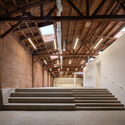
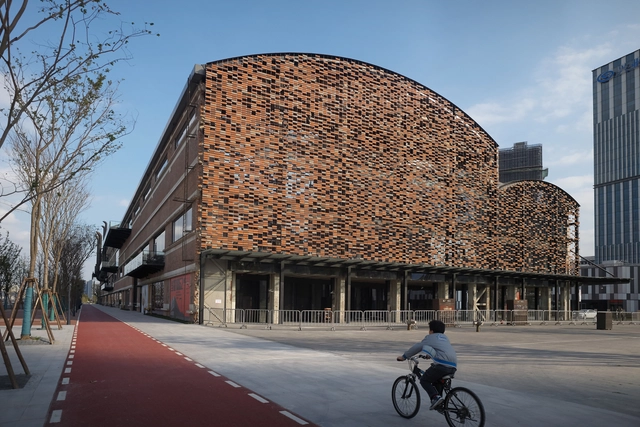
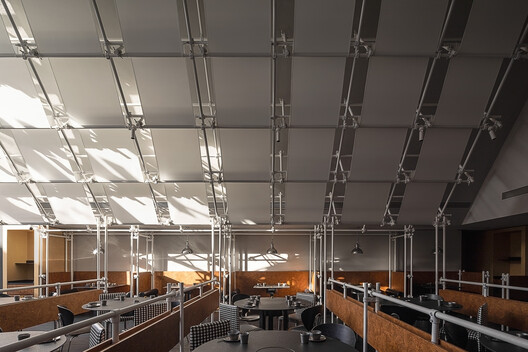
In the Lujiazui financial district in Pudong, Shanghai, Kengo Kuma has reimagined a 1972 shipyard into a new 9,000-square-meter multi-use complex, named Shipyard 1862. Behind original, rugged brick walls, the old shipyard was once defined by a 12 by 30-meter grid, which allowed for massive interior spaces to hold ships. In this industrial-style adaptive reuse project, Kuma was careful to preserve the building’s structural and material integrity. These photographs provided by Julien Lanoo show how the industrial shell has been transformed by the refurbishment project.

Orange Architects Wins Competition to Build Mixed-Use Development on Amsterdam Harbor

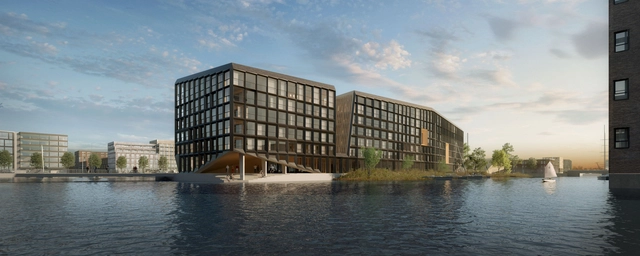
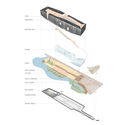
Orange Architects have been selected as winners of a competition to create a new mixed-use residential building situated at the port of IJburg in Amsterdam. The neighborhood of IJburg is comprised of a series of artificial islands developed to address the growing need for housing and lack of available land near Amsterdam's city center. Commissioned by Amvest, the 29,000 square meter development aims to provide a sustainable, inviting heart for the area.

Orange Architects Wins Competition to Build Mixed-Use Development on Amsterdam Harbor - Image 1 of 4Orange Architects Wins Competition to Build Mixed-Use Development on Amsterdam Harbor - ChairOrange Architects Wins Competition to Build Mixed-Use Development on Amsterdam Harbor - Image 3 of 4Orange Architects Wins Competition to Build Mixed-Use Development on Amsterdam Harbor - Image 4 of 4Orange Architects Wins Competition to Build Mixed-Use Development on Amsterdam Harbor - More Images+ 11

FaulknerBrowns Unveils Plan to Re-develop Bangor Waterfront

FaulknerBrowns Architects have released plans for a revitalization of Queens Parade, a waterfront site in Bangor, Northern Ireland that has long been left underutilized. Situated next to the Bangor Marina, the mixed-used development will include residential, entertainment, and retail buildings in an effort to secure the site as a destination for both locals and tourists to connect with the water.

FaulknerBrowns Unveils Plan to Re-develop Bangor Waterfront - Image 1 of 4FaulknerBrowns Unveils Plan to Re-develop Bangor Waterfront - Image 2 of 4FaulknerBrowns Unveils Plan to Re-develop Bangor Waterfront - Image 3 of 4FaulknerBrowns Unveils Plan to Re-develop Bangor Waterfront - Image 4 of 4FaulknerBrowns Unveils Plan to Re-develop Bangor Waterfront - More Images+ 2