1. ArchDaily
  2. Montreal city

Montreal city: The Latest Architecture and News

Saving the City Fabric: Blanche Lemco van Ginkel and the Preservation of Old Montreal

Subscriber Access | 

The architectural history of North American cities in the 20th century is often characterized by the pursuit of urban renewal. In the United States, Boston, Portland, and San Francisco are just some examples of when municipal governments prioritized high-speed vehicular infrastructure over the existing urban fabric. In Canada, Montreal would have followed this trajectory if not for the intervention of several figures throughout its history, most notably Blanche Lemco van Ginkel (1923–2022). A Harvard-trained planner and architect who, along with her husband Sandy Van Ginkel, advocated for the preservation of urban heritage while applying the principles of modernist infrastructure.

Saving the City Fabric: Blanche Lemco van Ginkel and the Preservation of Old Montreal - Image 1 of 4Saving the City Fabric: Blanche Lemco van Ginkel and the Preservation of Old Montreal - Image 5 of 4Saving the City Fabric: Blanche Lemco van Ginkel and the Preservation of Old Montreal - Image 2 of 4Saving the City Fabric: Blanche Lemco van Ginkel and the Preservation of Old Montreal - Image 3 of 4Saving the City Fabric: Blanche Lemco van Ginkel and the Preservation of Old Montreal - More Images+ 1

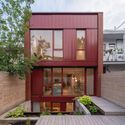
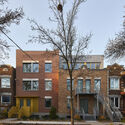
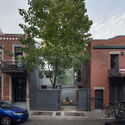
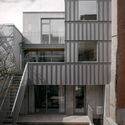
Transforming Row Houses: Heritage and Modernity in Montreal’s Historical Neighborhoods

Subscriber Access | 

Montreal, the second largest city in Canada is home to a wide array of heritage residential architecture, most of it dating to the 19th and early 20th-century. These are particularly abundant in some of its central neighborhoods like the Plateau Mont-Royal. Interestingly, their preservation is not accidental; it is the result of decades of advocacy by influential figures who recognized the value of the city's built environment, such as Phyllis Lambert and Blanche Lemco Van Ginkel. Efforts like theirs were instrumental in landmark preservation battles that helped to ensure current municipal support. Today, the city has implemented a set of comprehensive heritage protection laws designed to safeguard the integrity of the city's historic neighborhoods.

Transforming Row Houses: Heritage and Modernity in Montreal’s Historical Neighborhoods - Image 1 of 4Transforming Row Houses: Heritage and Modernity in Montreal’s Historical Neighborhoods - Image 2 of 4Transforming Row Houses: Heritage and Modernity in Montreal’s Historical Neighborhoods - Image 3 of 4Transforming Row Houses: Heritage and Modernity in Montreal’s Historical Neighborhoods - Image 4 of 4Transforming Row Houses: Heritage and Modernity in Montreal’s Historical Neighborhoods - More Images+ 8

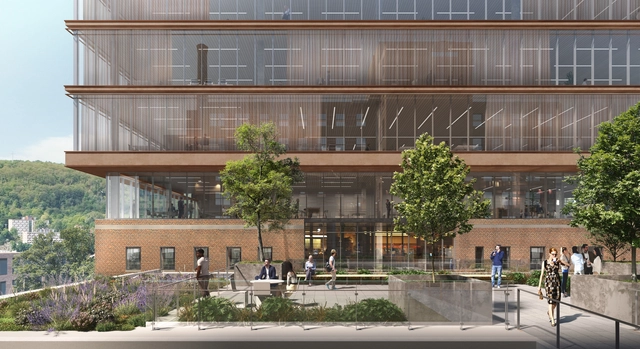
From Hospital to Medical Research Hub: How the Montreal Chest Institute Adapts to Modern Needs

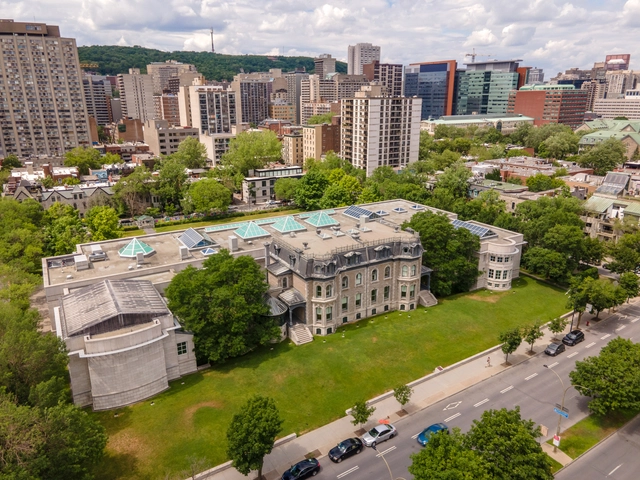
With modern medicine, it may be difficult for many people today to imagine the devastation caused by Tuberculosis (TB) just about 100 years ago. Initially associated with insalubrious, overcrowded conditions, just in Canada it caused the death of approximately 8000 people annually in the late 19th century. During this time, before more advanced treatments were discovered, prescriptions from doctors involved sunlight, fresh air, and rest. As a response, sanatoria were established. These were places where patients could be separated from the community to manage their disease. One testament to that legacy stands in the heart of Montreal: the former Royal Edward Laurentian Institute, later known as the Montreal Chest Institute. Born from crisis, it has since become a symbol of resilience, transformation, and innovation, shifting from a space of isolation to a thriving hub for research and entrepreneurship in the life sciences.

From Hospital to Medical Research Hub: How the Montreal Chest Institute Adapts to Modern Needs - Image 1 of 4From Hospital to Medical Research Hub: How the Montreal Chest Institute Adapts to Modern Needs - Featured ImageFrom Hospital to Medical Research Hub: How the Montreal Chest Institute Adapts to Modern Needs - Image 2 of 4From Hospital to Medical Research Hub: How the Montreal Chest Institute Adapts to Modern Needs - Image 3 of 4From Hospital to Medical Research Hub: How the Montreal Chest Institute Adapts to Modern Needs - More Images+ 5

When the World Came to Montreal: The Urban Legacy of Canada’s Expo 67

Subscriber Access | 

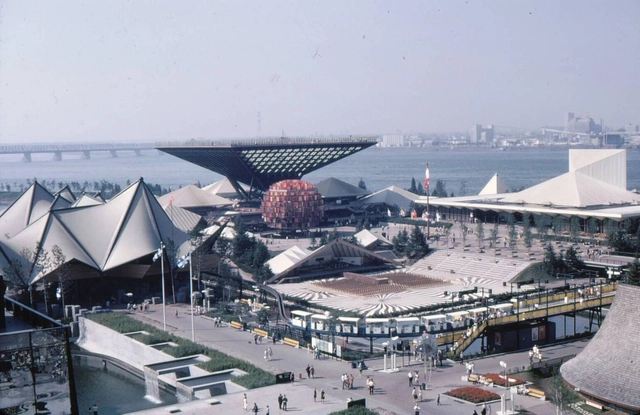
Canada's Expo 67 stands as one of the most successful world expos ever held, setting records and leaving an enduring impact on Montreal's urban landscape. As part of Canada's 100 years celebrations, the event provided an opportunity for the city to showcase its cultural and technological achievements on a global platform. With over 50 million visitors in just six months, it shattered attendance records, including an astonishing 569,500 visitors in a single day. An unprecedented feat for a world fair at the time. Now, 58 years later, and with the Osaka Expo 2025 set to showcase how to design the future society for our lives, it is worth revisiting the legacy of Expo 67 and exploring the urban transformations it brought to Montreal.

When the World Came to Montreal: The Urban Legacy of Canada’s Expo 67 - Image 1 of 4When the World Came to Montreal: The Urban Legacy of Canada’s Expo 67 - Image 2 of 4When the World Came to Montreal: The Urban Legacy of Canada’s Expo 67 - Image 3 of 4When the World Came to Montreal: The Urban Legacy of Canada’s Expo 67 - Image 4 of 4When the World Came to Montreal: The Urban Legacy of Canada’s Expo 67 - More Images+ 4

Saving Montreal’s Architectural Heritage: Phyllis Lambert’s Legacy of Community-Driven Change

Subscriber Access | 

Phyllis Lambert has been a key figure in the preservation of Canada's cultural heritage. As an architect and advocate for heritage conservation, Lambert has left an indelible mark in Montreal and other cities worldwide. Her contributions to Montreal's architectural scene can't really be judged in terms of individual buildings, but rather in terms of the city as a whole. She not only cofounded the Canadian Center for Architecture (CCA), but also helped reshape the way cities like Montreal think about heritage and the importance of community voices in urban planning.

Saving Montreal’s Architectural Heritage: Phyllis Lambert’s Legacy of Community-Driven Change - Image 3 of 4Saving Montreal’s Architectural Heritage: Phyllis Lambert’s Legacy of Community-Driven Change - Image 1 of 4Saving Montreal’s Architectural Heritage: Phyllis Lambert’s Legacy of Community-Driven Change - Image 4 of 4Saving Montreal’s Architectural Heritage: Phyllis Lambert’s Legacy of Community-Driven Change - Featured ImageSaving Montreal’s Architectural Heritage: Phyllis Lambert’s Legacy of Community-Driven Change - More Images+ 5

Blending Heritage: Canada’s Integration of Revival Architecture and Modern Design

Subscriber Access | 

The architecture in Canada has evolved to reflect both its European heritage and modern global trends while adapting to the country's environment. As Canada developed, architectural styles became a means to express its identity as an independent nation. This architectural development, especially in the 19th and early 20th centuries, was influenced by colonial styles from Great Britain and France. While French colonial was more prominent in Quebec, British styles influenced the rest of the country.

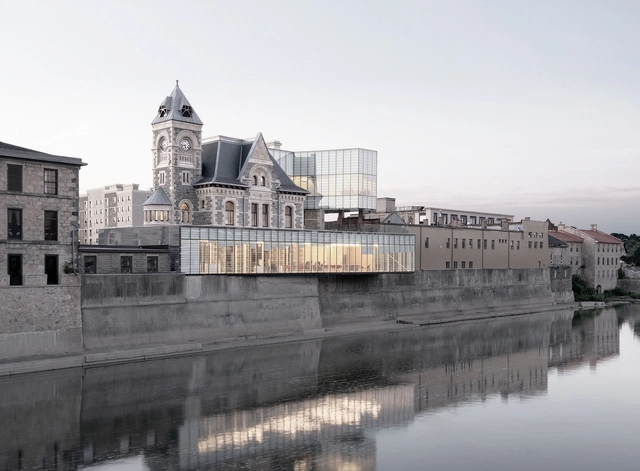
In this context, the adoption of 19th-century Gothic Revival styles and Classical Revival styles of the early 20th century became popular. Today, many of those buildings remain as prominent landmarks across the country and have become integral parts of the urban landscapes. This curated collection explores how Canadians are integrating traditional elements with modern materials like glass and steel. These efforts preserve the historical significance of the buildings while adapting them to meet the functional demands of modern life.

Blending Heritage: Canada’s Integration of Revival Architecture and Modern Design - Image 1 of 4Blending Heritage: Canada’s Integration of Revival Architecture and Modern Design - Image 2 of 4Blending Heritage: Canada’s Integration of Revival Architecture and Modern Design - Image 3 of 4Blending Heritage: Canada’s Integration of Revival Architecture and Modern Design - Image 4 of 4Blending Heritage: Canada’s Integration of Revival Architecture and Modern Design - More Images+ 4

The Craft of Brick Bonding: 4 Projects That Explore Textural Designs Adapted to Canada's Winter Conditions

Subscriber Access | 

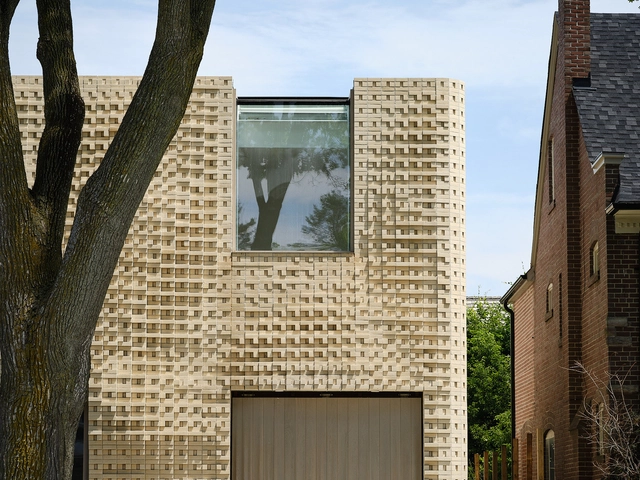
Canada's climate is known for its dramatic contrasts, ranging from frigid winters to hot summers. Large metropolitan areas such as Toronto, Montreal, and Vancouver experience a variety of extreme weather conditions: heavy snowfall, ice storms, and freezing temperatures are common. In some cases, temperatures can plummet to below -30 degrees Celsius, especially in cities like Montreal or Quebec. In turn, this weather creates certain challenges for architects and engineers when designing with certain materials. In this context, brick remains a popular construction material not only because of its relatively low thermal conductivity, making it a good insulator during the winter but also because of its connection to the country's architectural heritage.

While brick was once a primary load-bearing material, its role has shifted in modern architecture to being used predominantly for non-bearing walls and exterior cladding. This allows architects to experiment with brick as a texture and design feature, rather than focusing on its structural capabilities. Even though the climate does influence material choices, brick's historical significance and its ability to create intricate textures and patterns in facades make it a compelling choice for contemporary projects across Canada. Modern architects are constantly finding new ways to reinterpret this classic material, exploring various bond layouts and surface textures that add aesthetic richness while ensuring the buildings remain resilient to extreme weather conditions.

The Craft of Brick Bonding: 4 Projects That Explore Textural Designs Adapted to Canada's Winter Conditions - Image 1 of 4The Craft of Brick Bonding: 4 Projects That Explore Textural Designs Adapted to Canada's Winter Conditions - Image 2 of 4The Craft of Brick Bonding: 4 Projects That Explore Textural Designs Adapted to Canada's Winter Conditions - Image 3 of 4The Craft of Brick Bonding: 4 Projects That Explore Textural Designs Adapted to Canada's Winter Conditions - Image 4 of 4The Craft of Brick Bonding: 4 Projects That Explore Textural Designs Adapted to Canada's Winter Conditions - More Images+ 5

Montreal Architecture City Guide: 15 Historic and Contemporary Landmarks in Canada’s Cultural Capital

Subscriber Access | 

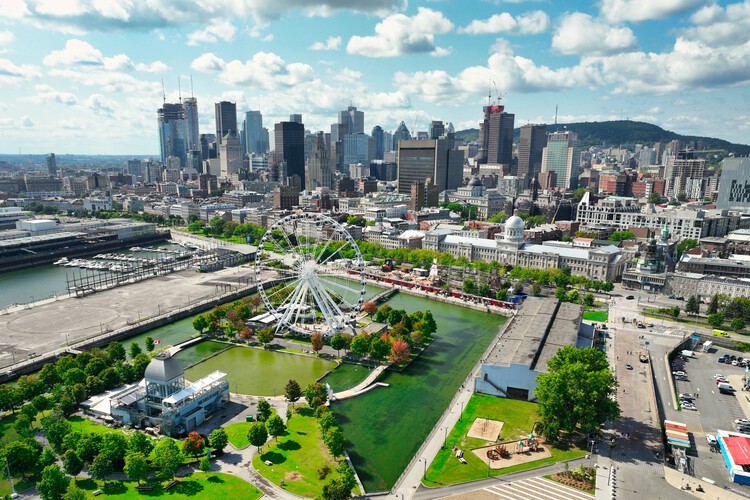
Montreal, located along the Saint Laurent River in Southern Quebec, is Canada’s second-largest city. Often renowned for its architectural diversity, its built environment reflects both its colonial past and modern evolution. As a former territory of "Nouvelle France," French language and culture remain dominant, which has in turn influenced the city's architectural character. Notably, Old Montreal features well-preserved buildings from the 18th and 19th centuries, most of which are a testament to the city’s industrial growth after the construction of the Lachine Canal. The area's heritage has been protected and restored through efforts by figures like Phyllis Lambert and organizations such as Heritage Montreal, allowing the city’s rich architectural history to coexist with its modern developments.

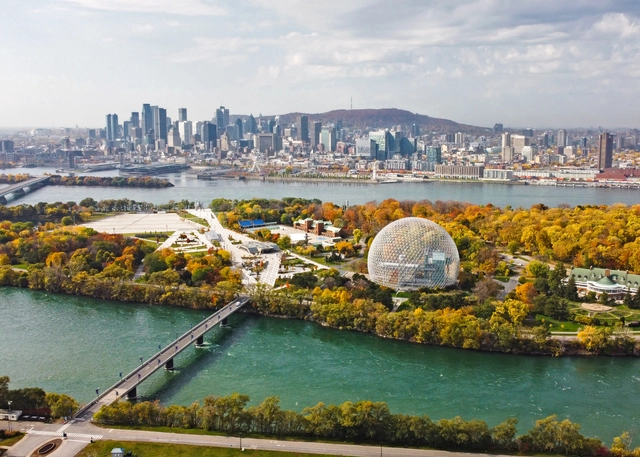
Montreal's multiculturalism is evident in neighborhoods like Little Italy and Little Portugal, with its diversity fueling a vibrant cultural scene. The city hosts a multitude of festivals every year, many held in open-air venues like Place des Festivals. Parc Jean-Drapeau, built for the 1967 World Expo, is another popular spot for large events while offering stunning views of the city skyline. Another relevant site is Mont Royal Hill, a park offering panoramic views of downtown and access to hiking trails, Saint Joseph’s Oratory, Beaver’s Lake, and other areas of architectural interest such as the Plateau.

Montreal Architecture City Guide: 15 Historic and Contemporary Landmarks in Canada’s Cultural Capital - Image 1 of 4Montreal Architecture City Guide: 15 Historic and Contemporary Landmarks in Canada’s Cultural Capital - Image 2 of 4Montreal Architecture City Guide: 15 Historic and Contemporary Landmarks in Canada’s Cultural Capital - Image 3 of 4Montreal Architecture City Guide: 15 Historic and Contemporary Landmarks in Canada’s Cultural Capital - Image 4 of 4Montreal Architecture City Guide: 15 Historic and Contemporary Landmarks in Canada’s Cultural Capital - More Images+ 12

Architecture Classics: Habitat 67 / Safdie Architects

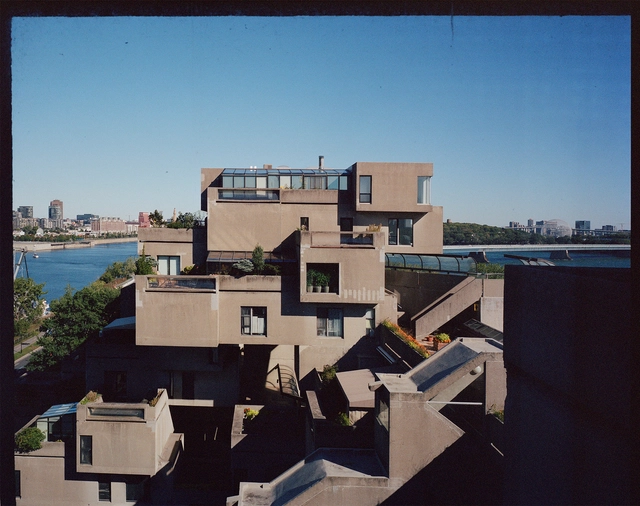
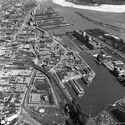
Habitat 67, designed by the Israeli-Canadian architect Moshe Safdie as the Canadian Pavilion for the World Exposition of 1967, was originally intended as an experimental solution for high-quality housing in dense urban environments. Safdie explored the possibilities of prefabricated modular units to reduce housing costs and allow for a new housing typology that could integrate the qualities of a suburban home into an urban high-rise.

Reflecting on the project’s significance in “A look back at habitat ’67” Safdie stated that “Habitat ‘67 is really two ideas in one. One is about prefabrication, and the other is about rethinking apartment-building design in the new paradigm.” [1]

Architecture Classics: Habitat 67 / Safdie Architects - Exterior Photography, Apartments, FacadeArchitecture Classics: Habitat 67 / Safdie Architects - Exterior Photography, Apartments, FacadeArchitecture Classics: Habitat 67 / Safdie Architects - Interior Photography, Apartments, Stairs, Facade, HandrailArchitecture Classics: Habitat 67 / Safdie Architects - Exterior Photography, Apartments, FacadeArchitecture Classics: Habitat 67 / Safdie Architects - More Images+ 28

A Multidisciplinary Landscape Architecture Competition Generates a Biodiversity Corridor for Montréal

The City of Montreal had launched a national, multidisciplinary landscape architecture contest, in order to generate an innovative scheme to reinstate natural habitats in the city. A team of four firms, civiliti, LAND Italia, Table Architecture, and Biodiversité Conseil, have won the competition, by creating a corridor that will enable the transition from a mostly asphalted, fragmented territory to a diversified urban landscape, connected to all living beings.

A Multidisciplinary Landscape Architecture Competition Generates a Biodiversity Corridor for Montréal - Image 1 of 4A Multidisciplinary Landscape Architecture Competition Generates a Biodiversity Corridor for Montréal - Image 2 of 4A Multidisciplinary Landscape Architecture Competition Generates a Biodiversity Corridor for Montréal - Image 3 of 4A Multidisciplinary Landscape Architecture Competition Generates a Biodiversity Corridor for Montréal - Image 4 of 4A Multidisciplinary Landscape Architecture Competition Generates a Biodiversity Corridor for Montréal - More Images+ 15

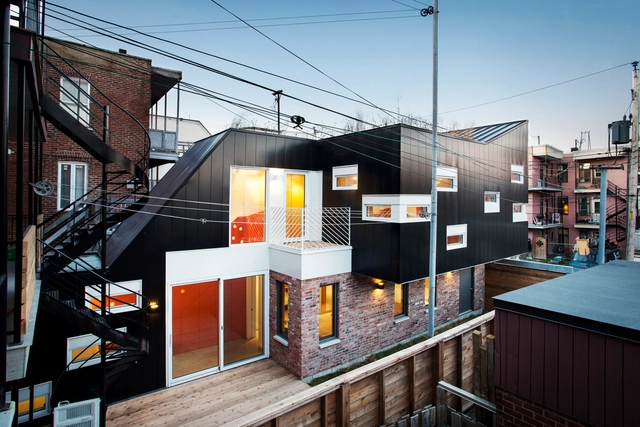
Chambord Residence / NatureHumaine

Chambord Residence / NatureHumaine - Houses, Facade, Table, Bench, Chair
© Adrien Williams
Montreal city, Canada
  • Architects: NatureHumaine
  • Area Area of this architecture project Area:  1800 ft²
  • Year Completion year of this architecture project Year:  2013
  • Manufacturers Brands with products used in this architecture project
    Manufacturers:  Alumilex

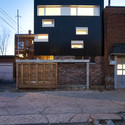
Chambord Residence / NatureHumaine - Houses, Stairs, Facade, HandrailChambord Residence / NatureHumaine - Houses, Facade, DoorChambord Residence / NatureHumaine - Houses, Beam, Facade, TableChambord Residence / NatureHumaine - Houses, Kitchen, Beam, Facade, Countertop, Table, SinkChambord Residence / NatureHumaine - More Images+ 16

St-Zotique Residence / NatureHumaine

St-Zotique Residence / NatureHumaine - Houses, Facade
© Adrien Williams
Montreal city, Canada

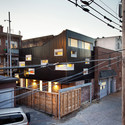
St-Zotique Residence / NatureHumaine - Houses, Facade, DoorSt-Zotique Residence / NatureHumaine - Houses, Door, Facade, Beam, Table, ChairSt-Zotique Residence / NatureHumaine - Houses, Garden, Fence, Facade, Handrail, BalconySt-Zotique Residence / NatureHumaine - Houses, FacadeSt-Zotique Residence / NatureHumaine - More Images+ 7

La Couleuvre / NatureHumaine

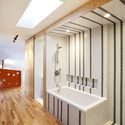
La Couleuvre / NatureHumaine - Extension, FacadeLa Couleuvre / NatureHumaine - Extension, FacadeLa Couleuvre / NatureHumaine - Extension, Bathroom, Beam, Lighting, Bathtub, CountertopLa Couleuvre / NatureHumaine - Extension, Door, Facade, LightingLa Couleuvre / NatureHumaine - More Images+ 9

Montreal city, Canada

Résidence Nguyen / Atelier Moderno

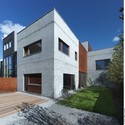
Résidence Nguyen / Atelier Moderno - Houses, Stairs, Handrail, Facade
© Stéphane Groleau
Montreal city, Canada

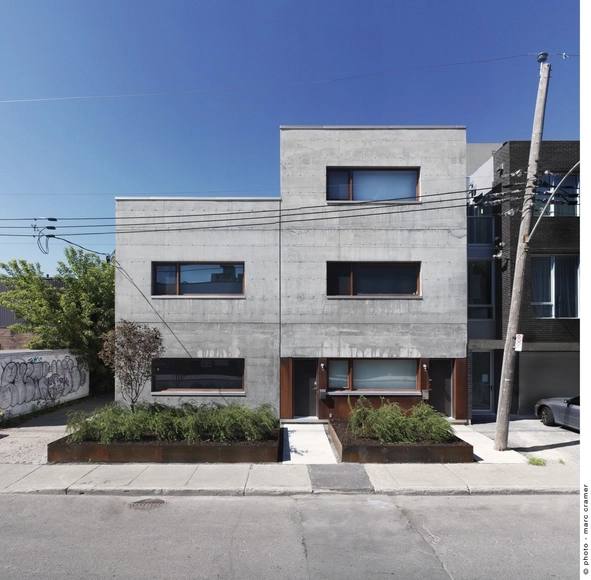
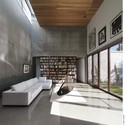
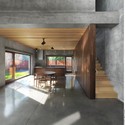
Résidence Nguyen / Atelier Moderno - Houses, Facade, HandrailRésidence Nguyen / Atelier Moderno - Houses, Facade, ChairRésidence Nguyen / Atelier Moderno - Houses, Kitchen, Facade, Handrail, Stairs, Table, CountertopRésidence Nguyen / Atelier Moderno - Houses, Kitchen, Facade, Sink, CountertopRésidence Nguyen / Atelier Moderno - More Images+ 15

Inhabitable Sculpture / Jean-Maxime Labrecque

Inhabitable Sculpture / Jean-Maxime Labrecque - Apartment Interiors, Handrail, Lighting
© Frederic Bouchard

Inhabitable Sculpture / Jean-Maxime Labrecque - Apartment InteriorsInhabitable Sculpture / Jean-Maxime Labrecque - Apartment Interiors, FacadeInhabitable Sculpture / Jean-Maxime Labrecque - Apartment Interiors, Kitchen, Sink, Countertop, TableInhabitable Sculpture / Jean-Maxime Labrecque - Apartment Interiors, BedInhabitable Sculpture / Jean-Maxime Labrecque - More Images+ 9

BLUE Communication Office / Jean Guy Chabauty + Anne Sophie Goneau

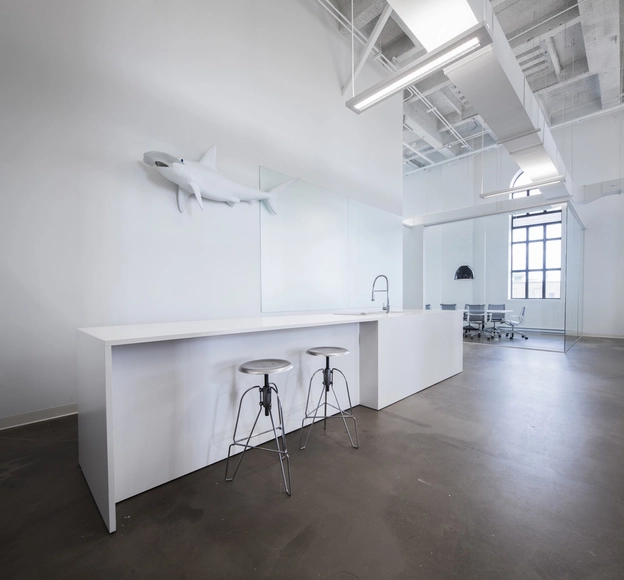
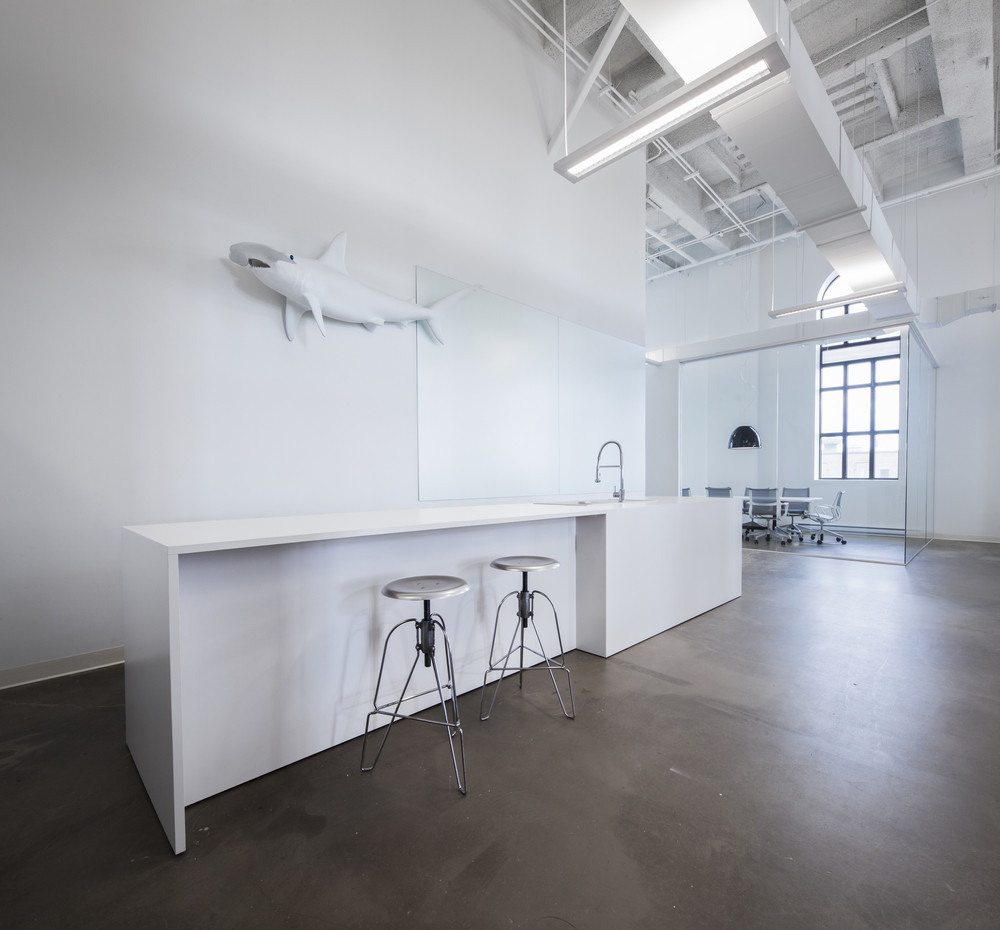
BLUE Communication Office / Jean Guy Chabauty + Anne Sophie Goneau - Offices Interiors, Table, ChairBLUE Communication Office / Jean Guy Chabauty + Anne Sophie Goneau - Offices InteriorsBLUE Communication Office / Jean Guy Chabauty + Anne Sophie Goneau - Offices Interiors, ChairBLUE Communication Office / Jean Guy Chabauty + Anne Sophie Goneau - Offices Interiors, Bathroom, SinkBLUE Communication Office / Jean Guy Chabauty + Anne Sophie Goneau - More Images+ 10

Montreal city, Canada

The Beaumont House / Henri Cleinge

The Beaumont House / Henri Cleinge - Houses, FacadeThe Beaumont House / Henri Cleinge - Houses, Door, Beam, Facade, Table, ChairThe Beaumont House / Henri Cleinge - Houses, Bedroom, Beam, Facade, Lighting, Table, BedThe Beaumont House / Henri Cleinge - Houses, Beam, Table, ChairThe Beaumont House / Henri Cleinge - More Images+ 16

Irène / KANVA

Irène / KANVA - Housing, Facade
© Jimmy Hamelin
Montreal city, Canada
  • Architects: KANVA
  • Area Area of this architecture project Area:  85200 ft²
  • Year Completion year of this architecture project Year:  2012

Irène / KANVA - Housing, Facade, HandrailIrène / KANVA - HousingIrène / KANVA - Housing, Handrail, Column, BeamIrène / KANVA - Housing, FacadeIrène / KANVA - More Images+ 11