1. ArchDaily
  2. Mohammad Hassan Forouzanfar

Mohammad Hassan Forouzanfar: The Latest Architecture and News

Historic Persian Minarets Reimagined in New Retrofuturism Series

Subscriber Access | 

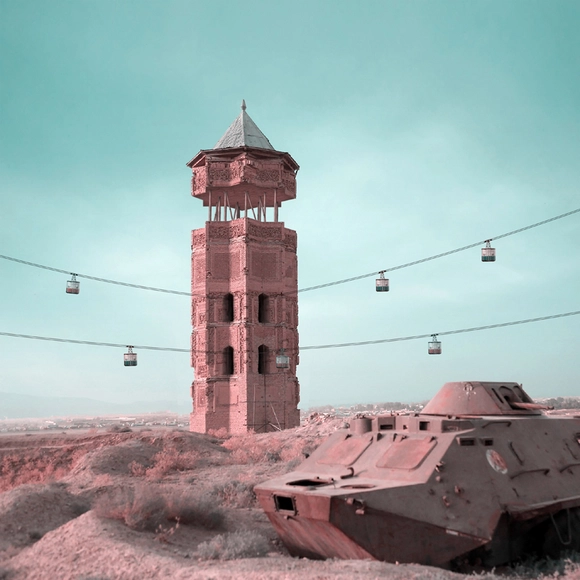
In the past, minarets were considered an important architectural element serving several purposes. They were built adjacent to mosques for the call to prayer, as well as at the entrances of cities as a main focal point to guide travelers. Today, however, the need for minarets has decreased as they have become tokens of historic times. 

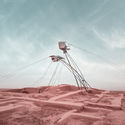
In the latest collection of his photo-series "Retrofuturism", Iranian architect and visual artist Mohammad Hassan Forouzanfar introduced a new function to historic Persian minarets through imaginary illustrations that compliment the aged brick structures with contemporary industrial archeology.
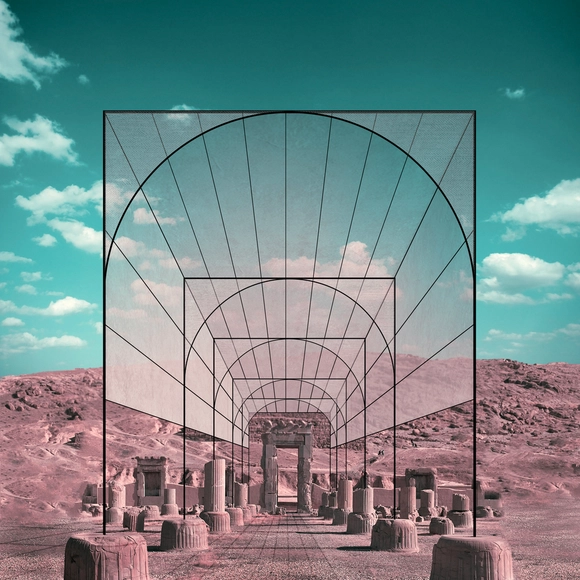
Iran's Cultural Site Persepolis Reimagined through Minimalist Frames

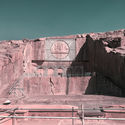
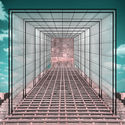
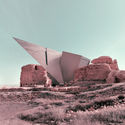
Architect and visual artist Mohammad Hassan Forouzanfar has been conceptually combining contemporary landmarks with traditional Iranian houses, palaces and monuments in a photo-series titled "Retrofuturism". In his latest exploration, Peace, the Persian architect looks to Iran's Persepolis cultural site, the former capital of the Achaemenid Empire.

Iran's Cultural Site Persepolis Reimagined through Minimalist Frames - Image 1 of 4Iran's Cultural Site Persepolis Reimagined through Minimalist Frames - Image 2 of 4Iran's Cultural Site Persepolis Reimagined through Minimalist Frames - Image 3 of 4Iran's Cultural Site Persepolis Reimagined through Minimalist Frames - Image 4 of 4Iran's Cultural Site Persepolis Reimagined through Minimalist Frames - More Images+ 8

Retrofuturism's New Series Places Contemporary Landmarks in Old Persian Paintings

Subscriber Access | 

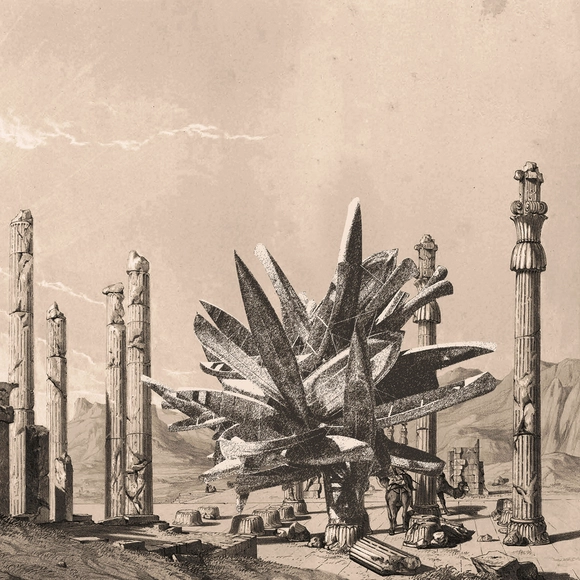
Architect and visual artist Mohammad Hassan Forouzanfar has been conceptually combining contemporary landmarks with traditional Iranian houses and palaces, in a photo-series titled "Retrofuturism". In his latest collection, the Persian architect chose to displace iconic structures and place them in 19th century paintings of the country by artist Eugène Flandin.

Retrofuturism's New Series Places Contemporary Landmarks in Old Persian Paintings - Image 1 of 4Retrofuturism's New Series Places Contemporary Landmarks in Old Persian Paintings - Image 2 of 4Retrofuturism's New Series Places Contemporary Landmarks in Old Persian Paintings - Image 3 of 4Retrofuturism's New Series Places Contemporary Landmarks in Old Persian Paintings - Image 4 of 4Retrofuturism's New Series Places Contemporary Landmarks in Old Persian Paintings - More Images+ 5

Persian Palaces Meet Contemporary Landmarks in Forouzanfar's Retrofuturism Series

Subscriber Access | 

There is often a debate on whether architects and engineers should restore old buildings and preserve what is still standing as a token of the past, or completely demolish them and introduce contemporary designs and features. In Iran, the remains of historic monuments, some of which are World Heritage Sites, have yet to know their fate, as restoration strategies remain uncertain.

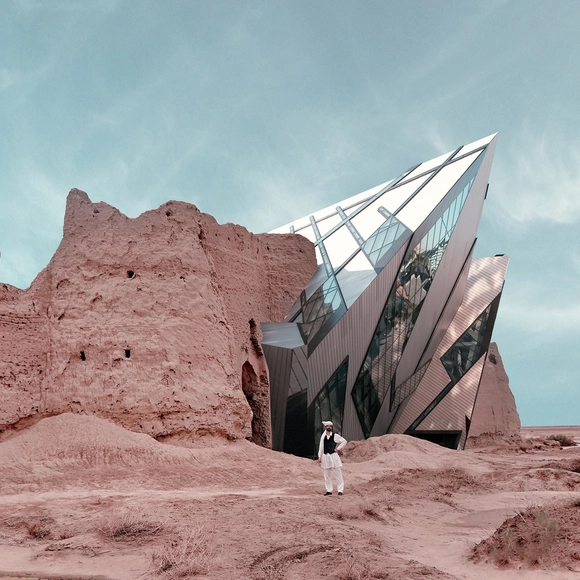
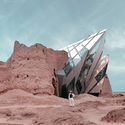
As part of his Retrofuturism series, Iranian architect Mohammad Hassan Forouzanfar selected a few pre-Islamic castles across Persian towns, and merged them with contemporary landmarks, bringing about a new definition of architectural restoration.

Persian Palaces Meet Contemporary Landmarks in Forouzanfar's Retrofuturism Series  - Image 2 of 4Persian Palaces Meet Contemporary Landmarks in Forouzanfar's Retrofuturism Series  - Image 3 of 4Persian Palaces Meet Contemporary Landmarks in Forouzanfar's Retrofuturism Series  - Featured ImagePersian Palaces Meet Contemporary Landmarks in Forouzanfar's Retrofuturism Series  - Image 4 of 4Persian Palaces Meet Contemporary Landmarks in Forouzanfar's Retrofuturism Series  - More Images+ 5

Traditional Iranian Monuments Reimagined as High-Rise Buildings

Subscriber Access | 

Traditional Iranian Monuments Reimagined as High-Rise Buildings - Image 1 of 4Traditional Iranian Monuments Reimagined as High-Rise Buildings - Image 2 of 4Traditional Iranian Monuments Reimagined as High-Rise Buildings - Image 3 of 4Traditional Iranian Monuments Reimagined as High-Rise Buildings - Image 4 of 4Traditional Iranian Monuments Reimagined as High-Rise Buildings - More Images+ 5

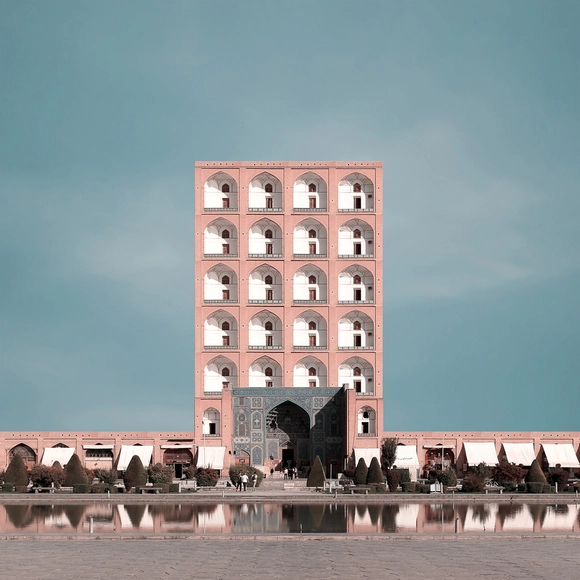
Traditional Iranian architectural monuments are often built low to the ground due to the lack of beam and column technology. Palaces, mosques, and public buildings are thus built with only one or two floors, and Iranian architecture rarely features towers or high-rise buildings as a result.