As we are entering 2021 after a year of anxiety and uncertainties, what are your expectation for our future? The UN75 survey reports that most people around the world hold greater optimism for the future: “Globally, many more respondents believe people will be better off in 2045 than today (49%) compared to those who believe people will be worse off (32%).”
Despite all the news of re-openings, lifted restrictions, al fresco options dining, and a return to something more closely resembling “normal,” COVID-19 is still very much with us. And despite the defeatist/downplayed/nothing to see here stance embraced by the current presidential administration, the United States is still in the midst of an unprecedented public health crisis. In some states, both new reported cases and hospitalizations have now reached record highs.
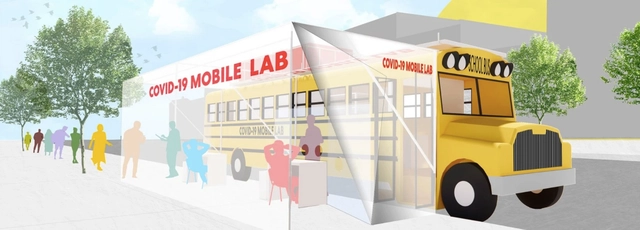
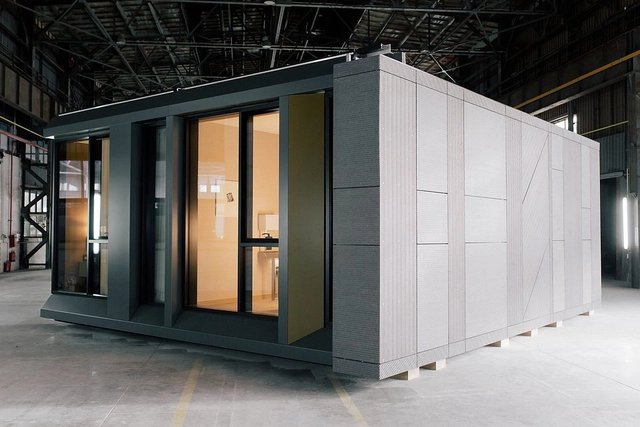
This being said, the need for accessible, easy to fabricate, and quick-to-deploy testing facility solutions are still in great need, particularly in dense urban areas, at large institutions and workplaces, and in underserved communities where coronavirus testing might come as a luxury, not a basic necessity. In terms of testing availability, all bases need to and must be covered.
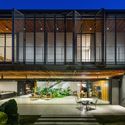
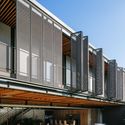
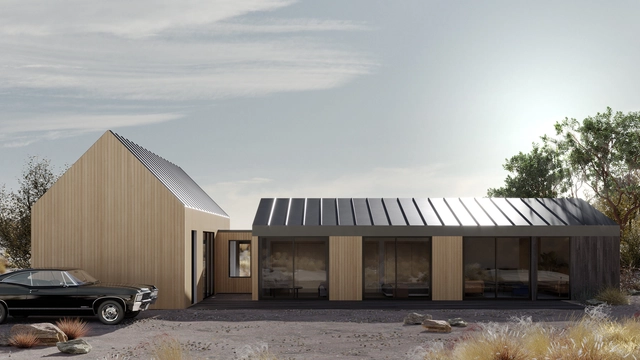
Prefabricated residential design and construction company Plant Prefab has unveiled three new LivingHome designs. The new designs, which range from a farmhouse-style structure to a modernist townhouse designed for The Los Angeles CIty Small Lot Ordinance (SLO) zoning, are all created by Plant Prefab’s in-house design team, the Plant Design Studio.
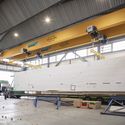
DMDmodular is manufacturing modules for the world's tallest modular hotel, in the Big Apple. The modular elements of the 26-story AC Marriott New York NoMad, designed by Danny Forster & Architecture, are produced in Skawina, Poland and shipped to the United States.
Advancing into the 21st century as architects enables us to explore and deliver an increasing number of sustainable approaches to architecture and the building industry. Whilst previously, concrete and steel have been predominately used throughout the construction industry, architects are now beginning to realise the importance of new technologies, such as timber, and use them for efficient construction, sustainability and cost effective purposes.
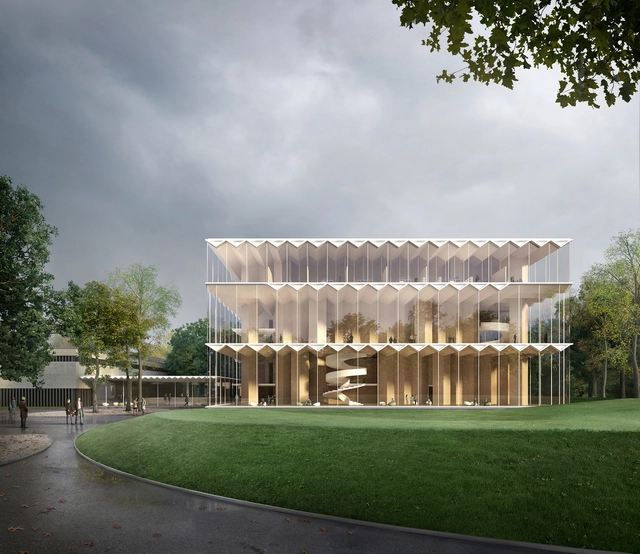
In a recent international competition, architects Gilles Retsin and Stephan Markus Albrecht, were selected among 20 finalists for the extension of the Meistersingerhalle, located in Nuremberg, Germany. The architects collaborated with Bollinger-Grohmann engineers, Transsolar climate engineers and acoustic specialists such as Theatre Projects, to design what is to be the world’s first concert hall building constructed using cross laminated timber (CLT).
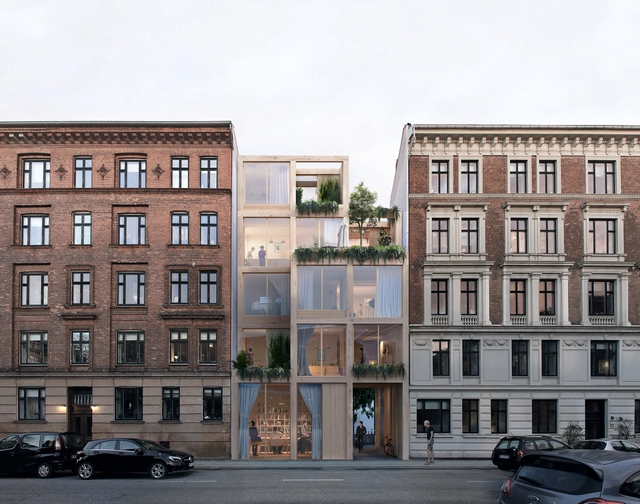
With the concept of downsizing in mind, Danish architectural company Njordrum is elaborating innovative concepts for housing. Basing their modular design on Scandinavian aesthetics, the office hopes to bring together architecture, nature, light, and people.
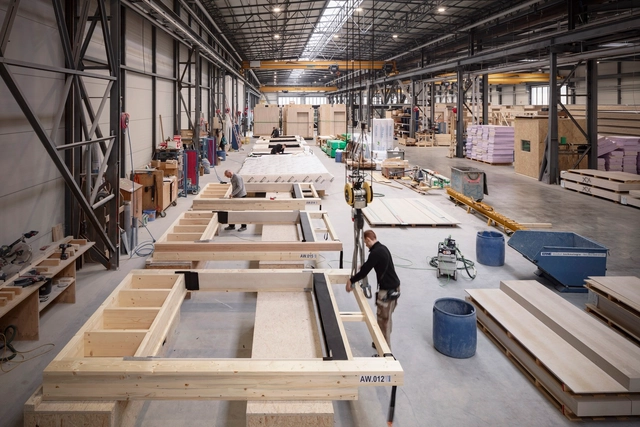
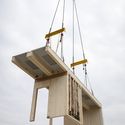
A modular wooden school by architects von Gerkan, Marg and Partners (gmp) has topped out in Frankfurt, Germany. Designed for the Miquelallee school center, the project is made using prefabricated wood modules as a temporary structure for two schools. With a steadily growing population, the need for new school buildings has risen sharply in Frankfurt am Main. The design concept was made so that the modular building can be dismantled and rebuilt at another location as needed.
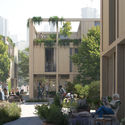
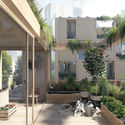
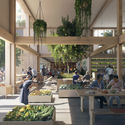
Infill Village Europe. Image Made by EFFEKT Architects for SPACE10
Some assembly required for this vision of future urban living. Known for simple, well-designed, flat-pack furniture, IKEA is proposing expanding their DIY-model to a much larger scale: entire city centers. Democratic Design Days is an annual event where IKEA introduces its upcoming brands and collaborations, this year featuring The Urban Village Project, a collaboration between SPACE10 and EFFEKT Architects. After two years of research, SPACE10 (IKEA’s global research and design lab) is releasing their vision to the public for a new way to design, build, and share our homes, neighborhoods, and cities.
“Modular” isn’t a construction product; it’s a construction process. This is according to Tom Hardiman, executive director of the Modular Building Institute (MBI), whose members include more than 350 companies involved in the manufacturing and distribution of modular buildings, including multifamily homes.
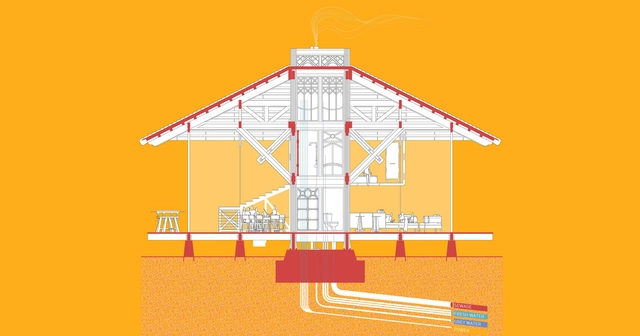
Solutions from the past can often provide practical answers for the problems of the future; as the London-based design and research firm, Space Popular demonstrate with their "Timber Hearth" concept. It is a building system that uses prefabrication to help DIY home-builders construct their own dwellings without needing to rely on professional or specialized labor. Presented as part of the ongoing 2018 Venice Biennale exhibition “Plots Prints Projections,” the concept takes inspiration from the ancient "hearth" tradition to explain how a system designed around a factory-built core can create new opportunities for the future of home construction.