1. ArchDaily
  2. Mega-Cities

Mega-Cities: The Latest Architecture and News

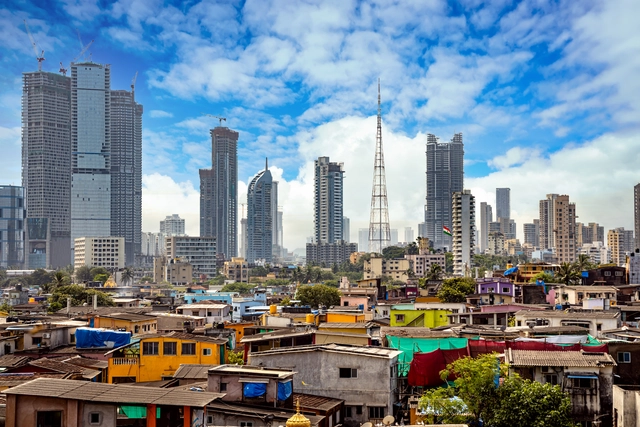
Mega-cities, Mega-projects, and Mega-slums: Exploring Urbanization in India

Subscriber Access | 

As a result of the nation’s ardent aspirations for growth and development, the social, economic, and physical landscape of India has transformed. A significant portion of the region’s population is of working age and comprises a massive market size, making India a land of opportunity especially in the eyes of foreign investors.

Reflecting this context, multiple mega-cities and mega-projects characterize the built environment and push the nation toward superpower status. On the flip side of the coin, these visionary projects along with the trend of rapid urbanization also bring in a range of side effects - the spread of informal settlements and in turn, the challenges to equitable development.

Mega-cities, Mega-projects, and Mega-slums: Exploring Urbanization in India - Image 1 of 4Mega-cities, Mega-projects, and Mega-slums: Exploring Urbanization in India - Image 2 of 4Mega-cities, Mega-projects, and Mega-slums: Exploring Urbanization in India - Image 3 of 4Mega-cities, Mega-projects, and Mega-slums: Exploring Urbanization in India - Image 4 of 4Mega-cities, Mega-projects, and Mega-slums: Exploring Urbanization in India - More Images+ 2

The 2024 Largest Cities in the World by Population

More than half of the world's population resides in urban areas, with over 4 billion people depending on cities as their main environment. According to the United Nationslatest report on populations in cities, this number is expected to continue to increase over the next 50 years, prompting cities worldwide to strive to find better ways to accommodate their growing population while transitioning to more sustainable urban practices. To highlight this responsibility, the United Nations has declared July 11th the World Population Day.

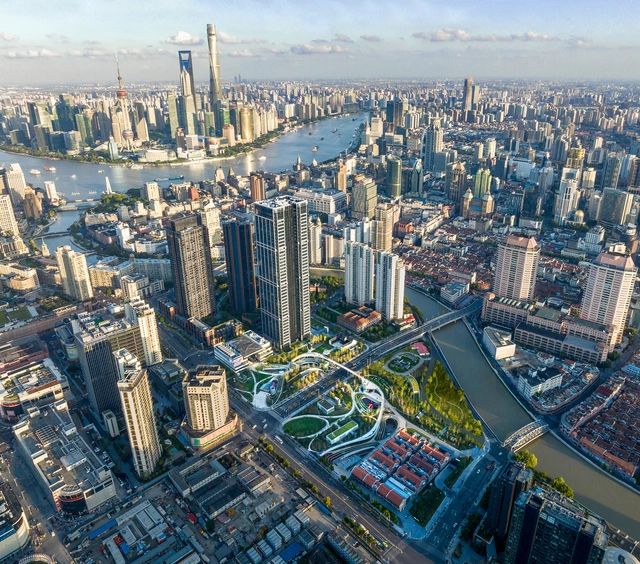
Under this year’s theme, “To Leave No One Behind, Count Everyone,” the UN aims to also draw attention to the importance of data collection for reflecting societal diversity. The growth of world cities is part of this equation as an important measure for understanding global population trends. The following list presents the top 20 cities worldwide in 2024, ranked by the population size of their metropolitan areas. Comparing the results to the previous editions, the only cities to reduce their size are the two cities from Japan, Tokyo and Osaka. The highest growth rates can be observed in African mega-cities, Kinshasa and Lagos, while China continues to be the most present country in the list, with 5 metropolises present in the top 20: Shanghai, Beijing, Chongqing, Tianjin, and Guangzhou.

The 2024 Largest Cities in the World by Population - Image 1 of 4The 2024 Largest Cities in the World by Population - Image 2 of 4The 2024 Largest Cities in the World by Population - Image 3 of 4The 2024 Largest Cities in the World by Population - Image 4 of 4The 2024 Largest Cities in the World by Population - More Images+ 17

African Urbanism: Preserving Cultural Heritage in the Age of Megacities

This article was originally published on Common Edge.

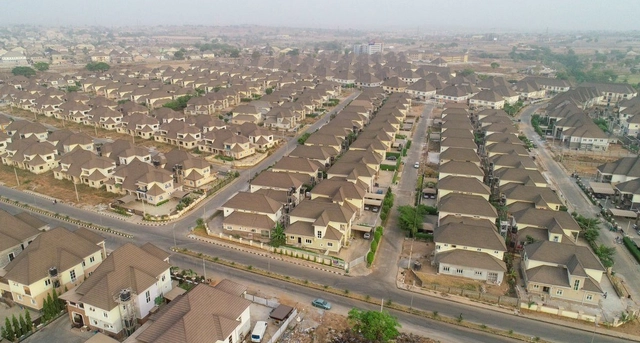
In spite of the lull in the global construction industry over the last couple of years, megacity projects in Africa have continued unabated, as new developments are springing up in major cities all over the continent. Though we’re inspired by the growth of modern African cities and the opportunities offered to city residents, we shouldn’t ignore their shortcomings, the glaring disconnect between the utopian visions of local city officials and the economic and cultural realities of the local populations who live here. Many questions whether these new cities could be built in other ways, or if Africans will ever have an alternative to the current model of placemaking, hodgepodge urbanism foisted on it, largely by colonialists.

Moscow Urban Forum Announces Diverse List of Speakers

The annual Moscow Urban Forum is right around the corner. To be held from October 16-17, the theme of this year’s forum is “Moscow as a Dynamic Megacity: Flexible Management Practices.” The forum will feature two days of conferences, exhibitions and lectures with a focus on issues surrounding the development of Moscow. While in past years the conference focused on issues related to megacities in general, this year for the first time the forum will just focus on the capital city.

“The international political situation influenced the key aspects of the country’s life, bringing internal goals and tasks to the foreground. That is why we have decided to concentrate only on the Moscow agenda this year, and to dedicate the Forum to the presentation and discussion of projects related to the capital, a search for new Moscow development centres, outlining the problems and challenges faced by the megacity during the crisis, a search for the most optimal and effective solutions for further successful development of the city,” said Marat Khusnullin, the Moscow Deputy Mayor for Urban Development and Construction and the head of the Moscow Urban Forum executive committee.

IV Moscow Urban Forum: “Drivers of City Development”

The IV annual Moscow Urban Forum is quickly approaching. To be held from December 11-14, the forum is an international conference on city planning, urban development and related subjects. With the overarching theme of “Drivers of City Development,” this year’s forum will feature talks by Uma Adusumilli, Pablo Allard, Dan Hill, Sergei Kapkov, Maksim Liksutov, Antanas Mockus and Hui Wang, among many others.

The Forum will look at infrastructure, economy, social development and culture as the main drivers of city development, with day one starting by discussing the global development of megacities as well as the agenda for Russian city development. Day two will focus specifically on Moscow’s city agenda, while days three and four will feature the Forum speakers as well as special events for urban communities.

MoMA Enlists Six Architect Teams to Develop Proposals for Expanding Megacities

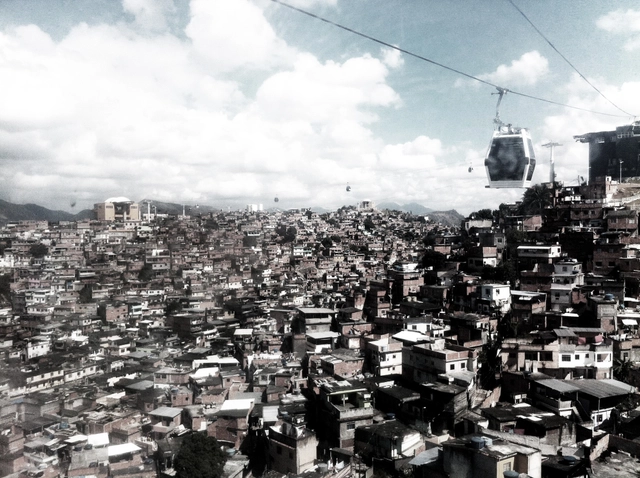
The Museum of Modern Art (MoMA) has collaborated with Vienna’s Museum of Applied Arts (MAK) to launch a 14-month initiative that will examine new architectural possibilities that address the rapid and uneven growth of six global metropolises: New York, Rio de Janeiro, Mumbai, Lagos, Hong Kong, and Istanbul. 

Organized by Pedro Gadanho, Curator, Department of Architecture and Design, Uneven Growth: Tactical Urbanisms for Expanding Megacities enlists six interdisciplinary teams of international architecture and urbanism scholars, experts, and practitioners to participate in a series of workshops, with each team focusing on a specific city.