1. ArchDaily
  2. low-income housing

low-income housing: The Latest Architecture and News

Unpolished Narratives: Exposed Materials in Latin American Affordable Housing

Subscriber Access | 

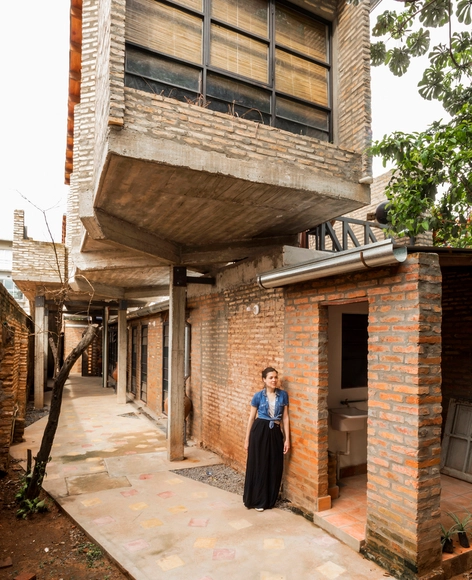
What makes a building architecture? The eternal debate over what distinguishes architecture from mere utilitarian construction has often included affordable and social housing as an influential topic, sparking different points of view. This question is particularly significant in the Latin American context, where unique conditions go beyond cost concerns, whether imposed or unavoidable. Limited access to financing, the prevalence of self-construction, and the spread of informal settlements are interconnected factors shaping the built environment. These dynamics foster an aesthetic that, for some, challenges notions of good architecture, manifesting in urban landscapes where exposed materials become a defining feature.
How Dense Is Too Dense? The Future of Social Housing in Metropolises

Subscriber Access | 

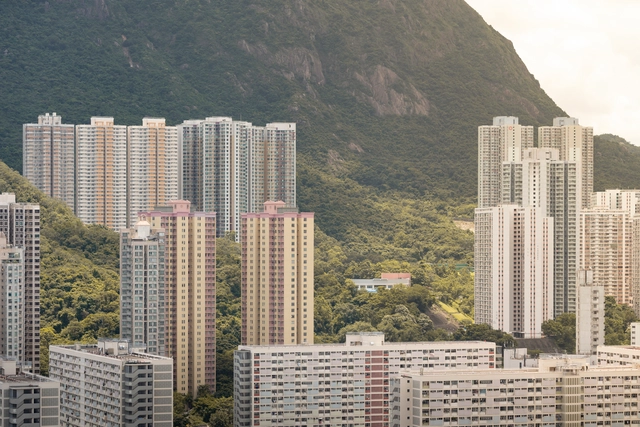
Density in cities is often touted as a positive and desirable way to live. Various studies have repeatedly suggested that higher density can lead to better lifestyles, a more sustainable environment, and improved health. In The Death and Life of Great American Cities, journalist Jane Jacobs identifies several possible advantages of density: increased walkability, close-knit communities, and a concentration of resources while maintaining diversity that better serves the population.

Naturally, a higher population density prevents the formation of ghost towns and vacant shops, which can become hotbeds for crime. However, these positive views on dense living environments often rest on optimistic assumptions about urbanism, such as minimal friction among individuals, easily maintained hygiene and a natural formation of diversity.

How Dense Is Too Dense?  The Future of Social Housing in Metropolises - Image 1 of 4How Dense Is Too Dense?  The Future of Social Housing in Metropolises - Image 2 of 4How Dense Is Too Dense?  The Future of Social Housing in Metropolises - Image 3 of 4How Dense Is Too Dense?  The Future of Social Housing in Metropolises - Image 4 of 4How Dense Is Too Dense?  The Future of Social Housing in Metropolises - More Images+ 2

Awesome and Affordable: Making the Case for Great Housing

This article was originally published on Common Edge.

When Brenda Mendoza told an NPR reporter about her commute to work, she became the face of the housing crisis in Los Angeles today. Mendoza, a uniform attendant at a Marriott hotel, was living with her family in an apartment in Koreatown, where she had grown up, 10 minutes from her job. The landlord raised the rent, so she moved to a less costly place in Downey. When that rent also rose out of reach, she moved to Apple Valley, and now gets up at 3:30 a.m. to drive 100 miles to her job, dropping off her husband and son at their jobs on the way. She did not move to Apple Valley to invest in a house she could love. She simply found an equally unstable, but slightly more affordable, rental hours from her workplace.

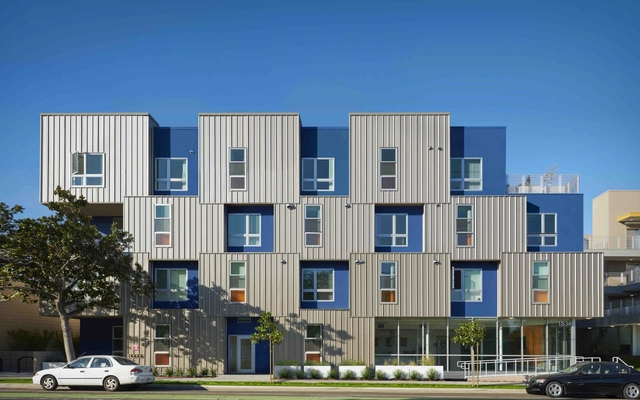
Awesome and Affordable: Making the Case for Great Housing - Image 1 of 4Awesome and Affordable: Making the Case for Great Housing - Image 2 of 4Awesome and Affordable: Making the Case for Great Housing - Image 3 of 4Awesome and Affordable: Making the Case for Great Housing - Image 4 of 4Awesome and Affordable: Making the Case for Great Housing - More Images+ 1

In The Name of Housing : Projective Histories. Exhibtion Opening & Lecture by Sameep Padora

The exhibition 'In The Name of Housing' is a research project by SPARE the research arm of the studio of Sameep Padora. It documents and analyses historic types of low income housing in Mumbai and presents their projective capacities. The exhibition opens at TU Delft Faculty of Architecture in the Netherlands and is accompanied by a lecture where the firm's principal Sameep Padora, presents the studio's recent built projects and research work.

George Lucas' Development Woes: When NIMBY Goes BANANAs

Subscriber Access | 
George Lucas' Development Woes: When NIMBY Goes BANANAs - Featured Image

For 25 years, George Lucas has had a problem. He’s been the Darth Vader of an evil developing empire.

Or so say his wealthy California neighbors. Since 1978, when he set up his corporate headquarters, Skywalker Ranch, on his property in Lucas Valley, Lucas has been attempting to get plans approved for a 300,000 square foot movie studio (which, while massive, would preserve 95% of the acreage and include plans to restore the topography). He’s been blocked by his anti-business, NIMBY neighbors every step of the way.

But far more interesting than Lucas’ defeat, is his plan for revenge.

Read More on how George Lucas is striking back on his NIMBY neighbors, after the break…