Update: The competition deadline has been extended to September 11, 2015.
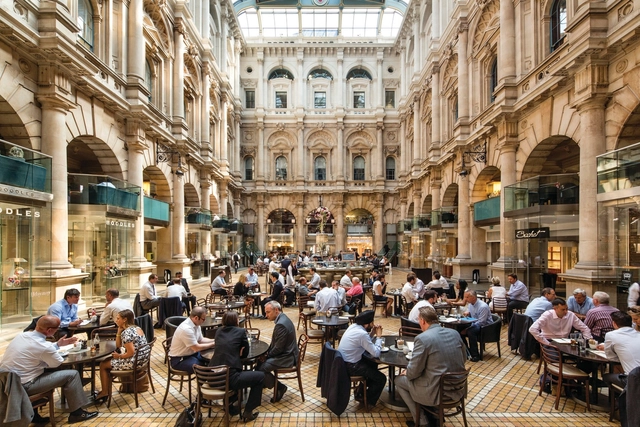
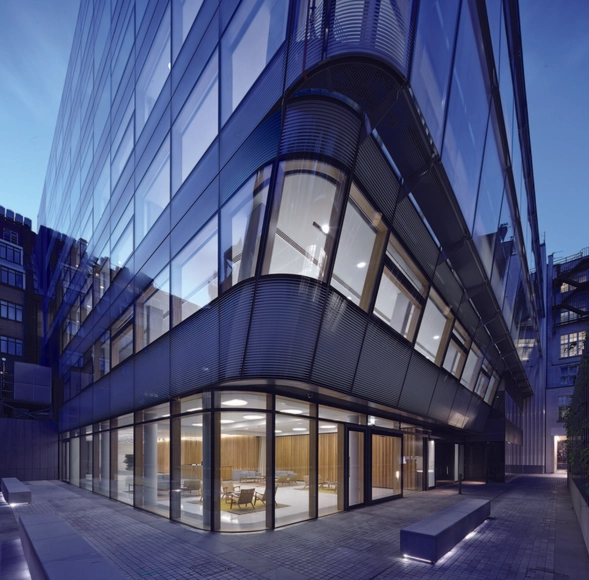
London-based architects Aukett Swanke, in partnership with the Royal Exchange and Oxford Properties, has announced its new competition for recent graduates to design six new market barrows located at The Royal Exchange in London:
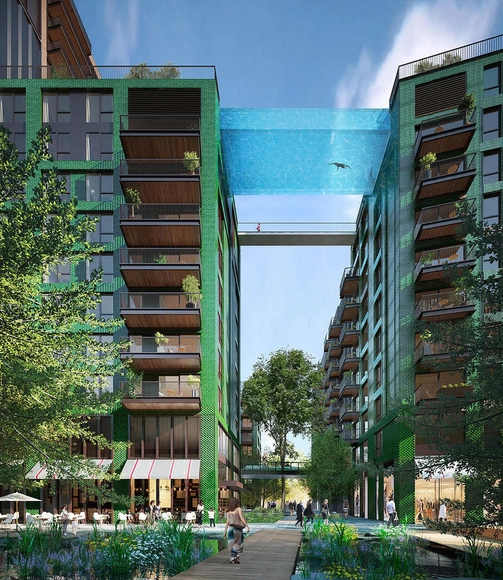
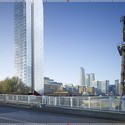
A twenty five metre long, ten storey high suspended swimming pool—dubbed the 'Sky Pool'—has been planned for the second phase of a new high-end residential development in the London district of Nine Elms, next to the new Embassy of the United States. The pool is part of two buildings, designed by London-based practice HAL and part of a complex of 2000 homes developed Ireland's Ballymore Group. The water will be held in suspension by just twenty centimetres of "structure free" transparent glass, and will connect two housing blocks together. Alongside a rooftop bar, orangery and spa, a second connection between the two is also planned in the form of a footbridge.
Riding a virtual reality rollercoaster through a skyscraper city. c Agnese Sanvito
Head-spinning funfair rides are part of the attraction of Drawn To The Future, an exhibition of new approaches to architectural visualisations at The Building Centre in London.
“We explore how digital media is changing the way we create built forms,” says the show curator, Lewis Blackwell, executive director of strategy at The Building Centre.
The most popular exhibit looks likely to be the virtual rollercoaster developed at the Centre for Advanced Spatial Analysis at the Bartlett School of Architecture. Viewed on an Oculus Rift headset, it simulates a rollercoaster journey around the skyscrapers of a fantasy city.
Residents of a unique south London housing scheme are hosting a free event to celebrate the work of the architect who designed their street. Walter Segal, who died 30 years ago, will be remembered at a special Celebrating Segal day on Saturday 19th September 2015, 11am-3pm.
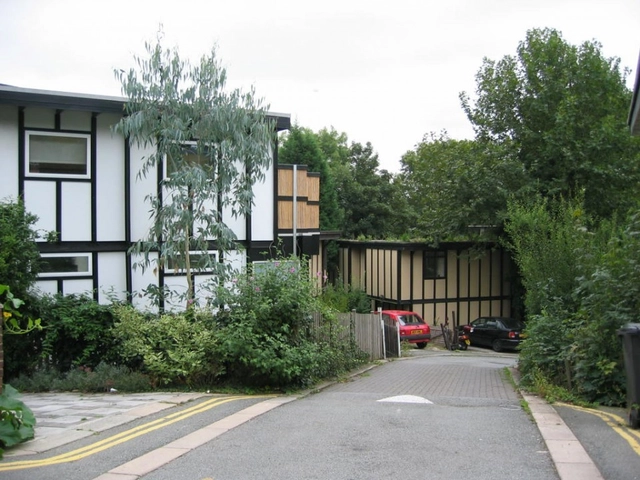
The day of talks, films, art and tours will take place in Walters Way, South London, which was designed by Segal, built by residents, and is one of two streets named after him (the other being Segal close). The event, which is part of Open House London, will highlight Segal’s achievements and his relevance to today’s housing situation. The Berlin-born modernist invented the Segal self-build method that enabled ordinary people to build their own homes. His most famous houses were built in partnership with the London Borough of Lewisham.
The day will include John Segal - Segal son John McKean – Segal’s biographer Jon Broome – architect who worked with Segal Dave Dayes - self-builder BBC Documentary film; “The House That Mum and Dad Built (1982) Segal-inspired art Tour of Walters Way - see inside a self-build home
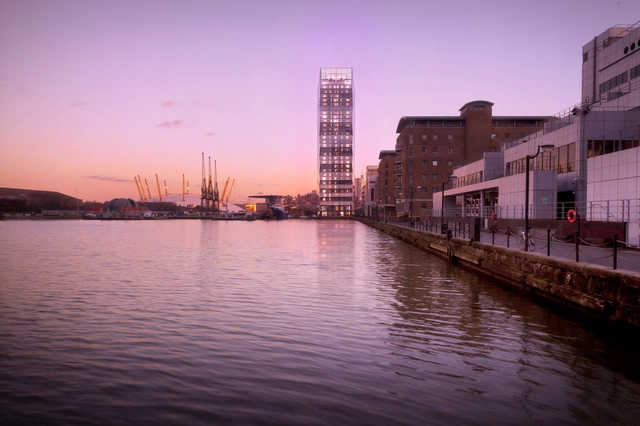
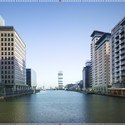
SimpsonHaugh and Partners has announced the construction of its new premier residential tower, called Dollar Bay, at the East India Dock overlooking Canary Wharf in London.
Named for the site’s World War Two heritage—“when dockworkers would tow American naval ships to their moorings for the cost of one dollar”—the building will provide unparalleled views of the River Thames from where it sits across from the O2 Arena.
In recent years, DIY approaches to building houses have become increasingly popular, as increasing cost and decreasing availability have caused some prospective house-buyers to embrace simple methods of fabrication and the sweat of their own brow, as discussed in this recent article. However, this trend has much earlier precedents: in 1979, self-build pioneer Walter Segal had already embraced these progressive concepts in a development known as "Walter's Way," an enclave of self-built social housing in southeast London. According to Dave Dayes, a Walter's Way resident and an original builder on the project, Segal believed that "anybody can build a house. All you need to do is cut a straight line and drill a straight hole." The houses were built entirely of standard wood units assembled onsite in Lewisham.
In this video, London based non-profit The Architecture Foundation steps into the utopia of Walter's Way, a micro-neighborhood founded on principals of communal living for people of all backgrounds. The film has been released in connection with Doughnut: The Outer London Festivaltaking place September 5th, which will bring together writers, historians, architects and economists for "an adventurous celebration of all things Outer London and a critical reflection on the rapid transformation that the city's periphery is currently experiencing." The Architecture Foundation aims to introduce central Londoners (and the world) to the radically functional housing concepts in practice at Walter's way.
In the latest episode of 99% Invisible, Hard to Love a Brute, Roman Mars and Avery Trufelman take a look at the potted history of the "hulking concrete brutes" of post-war Europe, centring on the UK, and the US east coast. Exploring Ernö Goldfinger's Balfron and Trellick towers, while making a pitstop in Boston, MA, this twenty minute podcast examines why people "love to hate" Brutalism and why, "as harsh as it looks, concrete is an utterly optimistic building material."
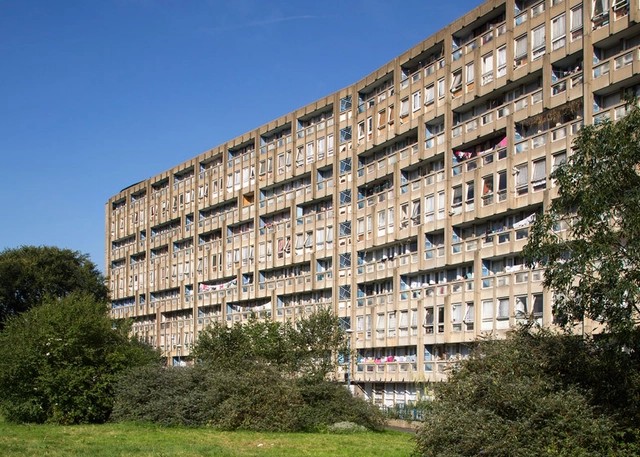
In spite of this, it has now been announced that the UK Heritage Minister, Tracey Crouch, "is minded to approve the Certificate of Immunity for Robin Hood Gardens" meaning that the decision not to list the residential complex in Tower Hamlets will be upheld, giving a"legal guarantee that the building or buildings named in the certificate will not be considered for listing for five years." This will be the second certificate of this type to have been issued for this complex. According to Historic England, "a period of 28 days [beginning on the 4th August 2015] is now allowed for review before the certificate is issued."
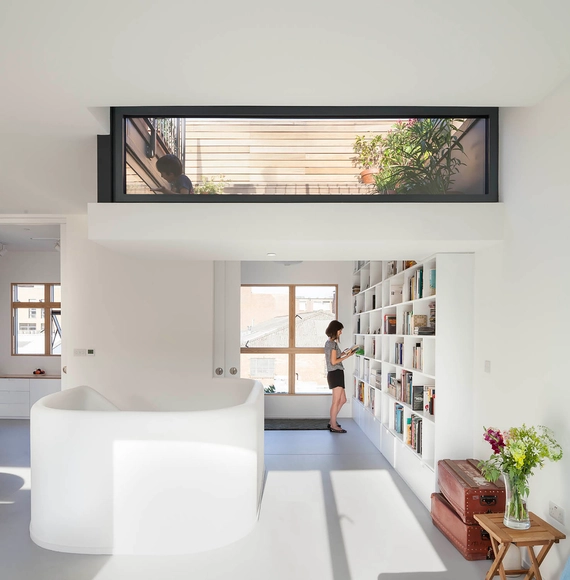
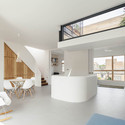
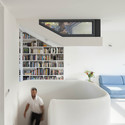
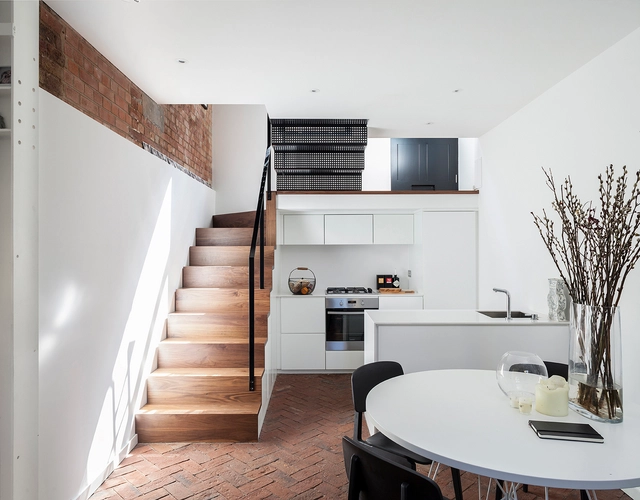
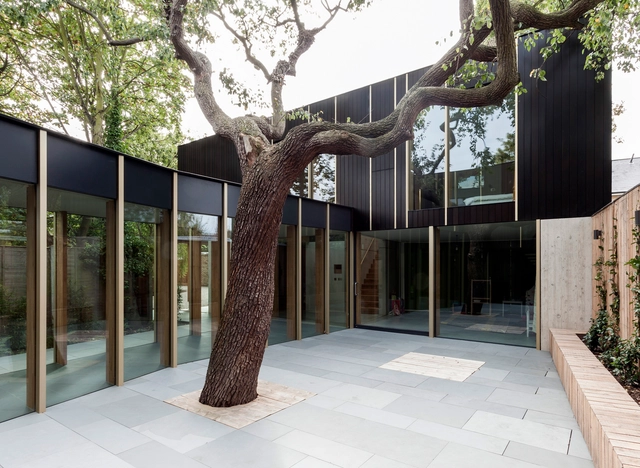
An exclusive architect-led, behind the scenes talk and tour of this RIBA London Award winning family home by Edgley Design. Discover the stories behind the building, what inspired the architect and what it means to have won this prize.
For this week's edition of The Urbanist, Monocle's weekly "guide to making better cities," the team discuss urbanism projects that were planned and never realised, what 'paper architecture' really is, and the importance of the architectural competition.
In The Urbanist, Andrew Tuck explores how a terrace of old town houses in central London (152-158 The Strand, near Somerset House) have been recently saved from demolition by the efforts of campaigning journalists and a sympathetic public. In Brazil, the yet to be seen high-speed train link between Rio di Janeiro and São Paulo meets scrutiny while in Toronto, five unsuccessful architectural bids are examined. Finally, ArchDaily Editor James Taylor-Foster visits their London studio to talk about the architectural competition, from Brunelleschi to Guggenheim and Den Bosch.
https://www.archdaily.com/771480/monocle-24-explore-architectural-competitions-and-failed-bidsAD Editorial Team
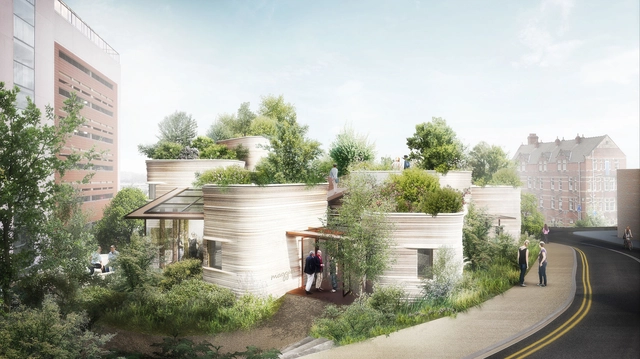
Heatherwick Studio has received planning permission to build a new Maggie's center on the St James' University Hospital grounds in Leeds. Aiming to harness the therapeutic effect of plants for the benefit of the center's cancer patients, the building was designed as a series of stepped "planters" that intertwine to form a unique and restorative layout of inside, outside, private and public space.
"The site is a small patch of green surrounded by the huge volumes of the existing hospital buildings. Instead of taking away the open space we wanted to make a whole building out of a garden," said Thomas Heatherwick in a press release.
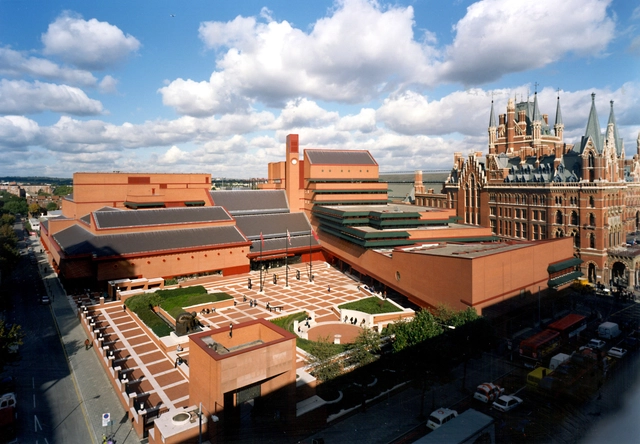
The British Library in London's St. Pancras is often hailed as the only major public building to be built in Great Britain in the twentieth century. "No other project, since the building of St. Paul’s Cathedral over 400 years ago, took so long to construct or was surrounded by so much controversy." Begun in 1962, completed in 1997, and opened to the public in 1998, the Brutalist building is a world-class a repository of artistic, scholarly and literary treasures. It has now, along with seven other post-war libraries, been given Grade I Listed status for "its soaring and stimulating spaces" which, according to Historic England, have become "much-loved and well-used by scholars and members of the public alike."