



-
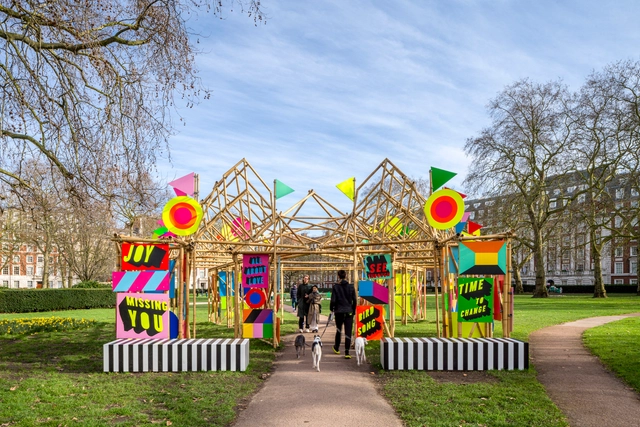
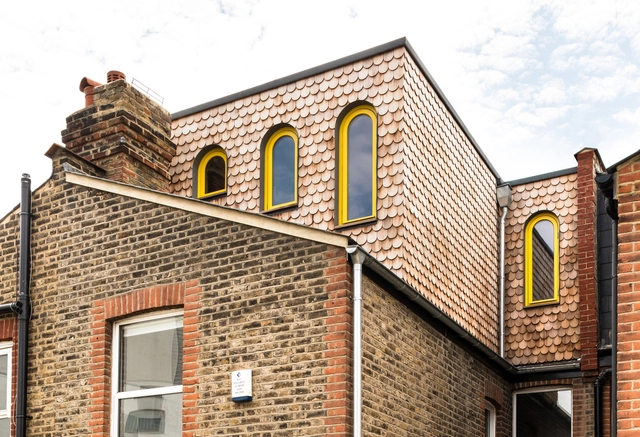
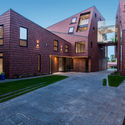
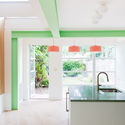
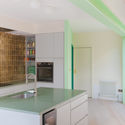
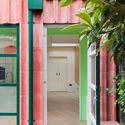
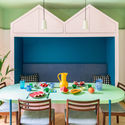
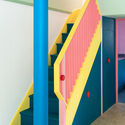
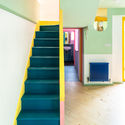
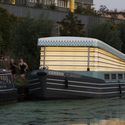
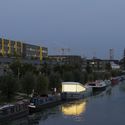
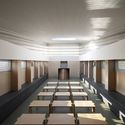
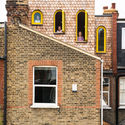
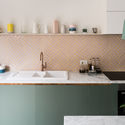
Architects: Morag Myerscough
- Year: 2021




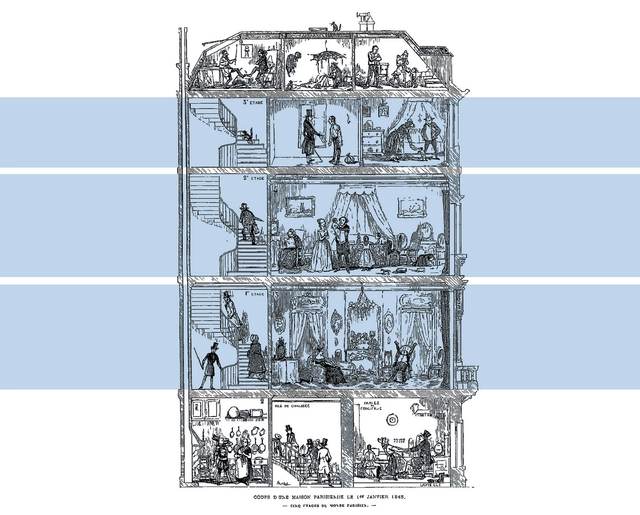
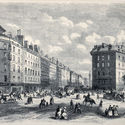
The introduction of new techniques and materials, along with innovations in indoor plumbing systems, resulting from the industrial revolution, paved the way for vertical living. Investigating specifically a period of time where a flux of population was driven to cities, and social class divisions were being questioned, this article looks back at the evolution of the house plan in Europe between 1760 and 1939.
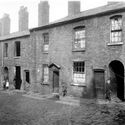
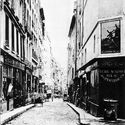
Tackling the transformation of the housing unit during the industrial revolution all the way to the interwar period, this feature highlights four prominent examples that rethought traditional layouts and responded to the challenges of their time. Still influential today, the mentioned models, restored for use, happen to be part of the 21st-century urban fabric. Located in London, Paris, Amsterdam, and Moscow, the plans showcase the ever-changing interior wellbeing standards, directly linked to a broader metamorphosis, equalizing and providing for growing urban populations. Discover the evolution of living units from the Back to Back Houses to the Garden Cities of England; the Haussmannien Block, a Vertical Living for a Modern Bourgeoisie; the Extension of Amsterdam, from Alcove Housing to Social Housing Blocks; and the Transition Type House in Russia.


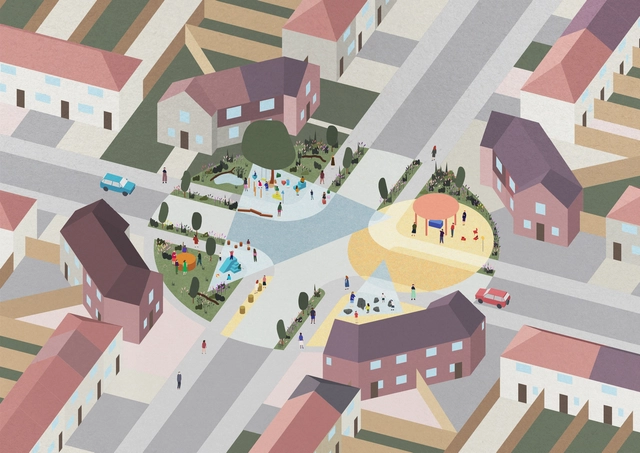
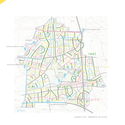
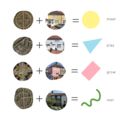
The Royal Institute of British Architects (RIBA) has announced the selection of nimtim architects with artist Katie Schwab for the Becontree Estate’s public realm commission. Looking to redesign 12 neglected and underused corner plots across the estate, the project reimagines these areas as new civic squares in East London.
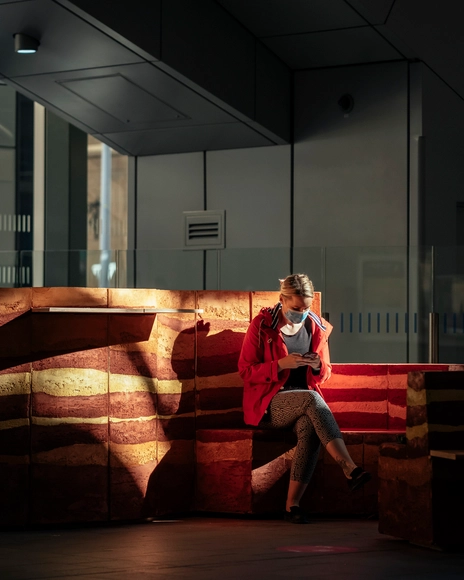
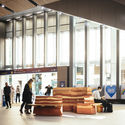
Local Collective has designed a seating made of clay for the London Festival of Architecture and Network Rail. Unveiled at London Bridge Station, the urban furniture is a result of a “competition organized by the LFA and Network Rail to create public installations that celebrate London’s shared spaces and connect people with playful encounters”.
.jpg?1613508739&format=webp&width=640&height=580)
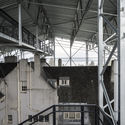
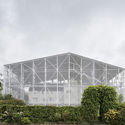
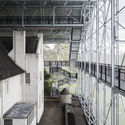
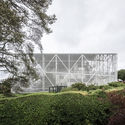
MVRDV has unveiled their design for Marble Arch Hill, an installation that aims to give Londoners a new perspective on Hyde Park. Sited next to the city's Marble Arch, the project takes the form of a hollowed-out mountain to give visitors rare views over the park. Based on scaffolding structure, the design aims to create renewed interest in the area as London works to emerge from the pandemic.
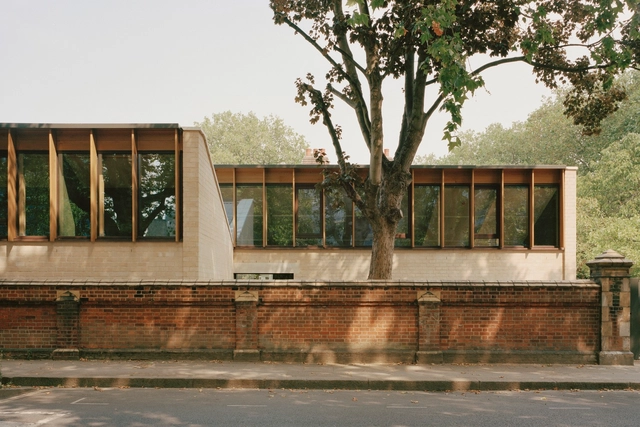
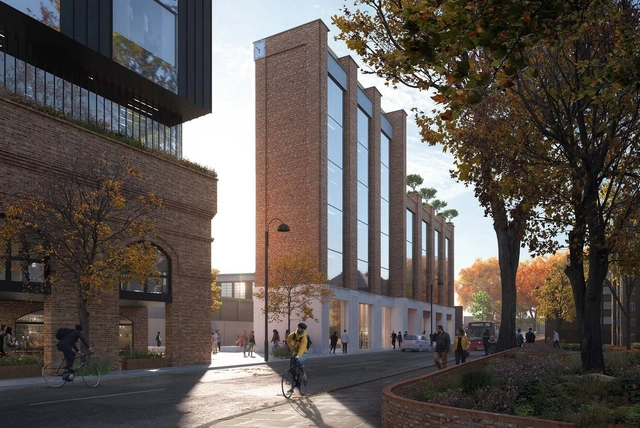
Ealing Council has approved HOK's masterplan for redeveloping a half-mile-long, narrow stretch of land along Bollo Lane in West London. The team's proposal includes 852 new homes with 50 per cent affordable housing ranging from 4 to 24 floors in height. Delivered by Transport for London (TfL), the scheme culminates in a mixed-use tower near Chiswick Business Park and the Piccadilly line tracks.








.jpg "Residential houses \"Eigen Haard\", Spaarndammerplantsoen, Amsterdam, Original state, 1915. Image Courtesy of Wikimedia")















_photo_credit_-_Kalpesh_Lathigra.jpg?1614596399 "Becontree Estate. Image © Kalpesh Lathigra")





.jpg?1613508870 "Courtesy of MVRDV")
.jpg?1613508962 "Courtesy of MVRDV")
.jpg?1613508700 "Courtesy of MVRDV")
.jpg?1613508595 "Courtesy of MVRDV")
.jpg?1613508739)