


-
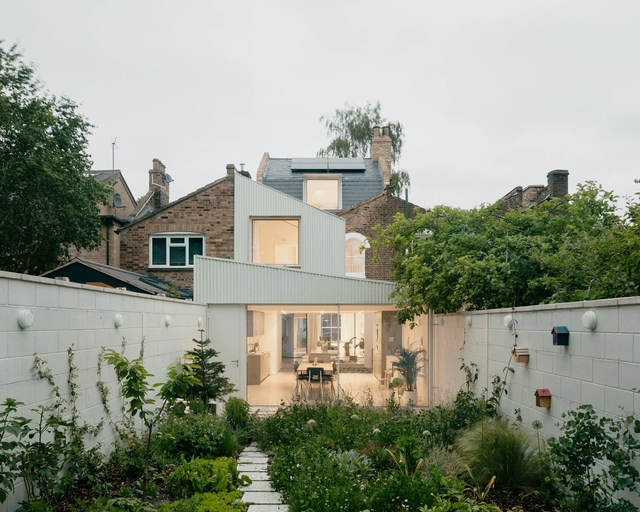
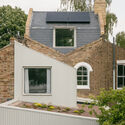
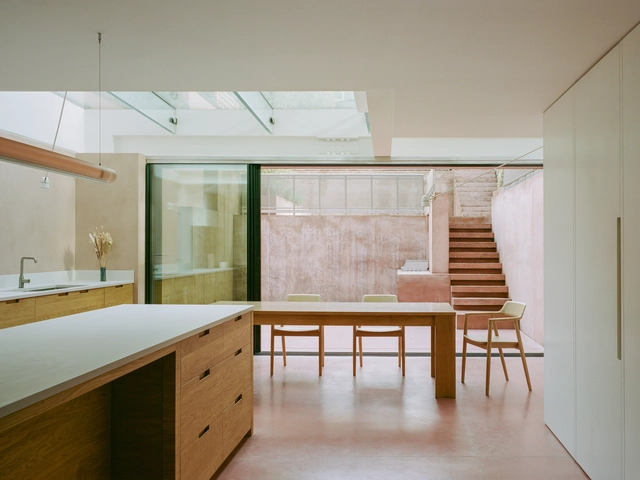
Architects: Trewhela Williams
- Area: 43 m²
- Year: 2022
-
Manufacturers: Chauncey, IQ Glass, Torc Pots
-
Professionals: Peter Dann Consulting Engineers, Woodland London



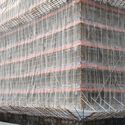
As one takes a visual tour through the city, one might spot structures that break the rhythm of finished architectural products. These are buildings encased in grids of metal or wooden sections, sometimes wrapped in colored nets, that communicate a moment of construction, repair, renovation, or demolition. They are called scaffolding systems, temporary structures built in the city to aid in the erection or maintenance of buildings. However, they have evolved to speak their own architectural language. As city-making is a continuous process, scaffolds serve as beacons, proposing silhouettes of the height, shape, or forms of new buildings. They step into the sidewalks, acting as shade or obstructions to the flow of human and vehicular traffic. In contrast to the permanence of architecture, they exhibit a sense of temporality that helps communicate time, the growth of neighborhoods, and the evolution of a city.
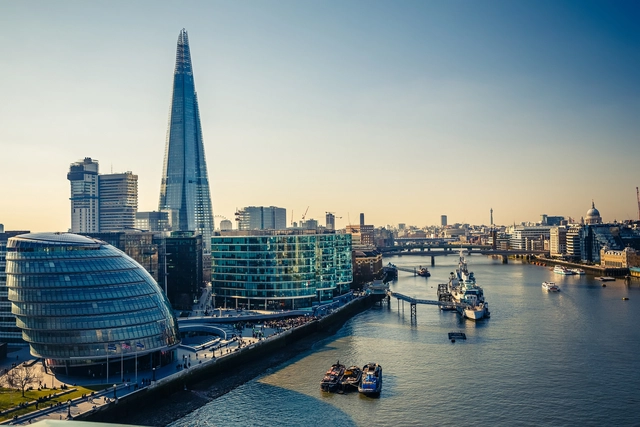
London’s architectural history is a rich tapestry that weaves together styles of various periods and influences. In the post-war era, the city experienced a surge in modern architecture, becoming a canvas for experimentation. New stylistic movements saw their expression crystalized through buildings such as Richard Rogers’ Lloyd’s Building, one of the most representative examples of High-Tech architecture, or the Barbican Estate, a large-scale housing estate that became the iconic structure for Brutalist architecture.
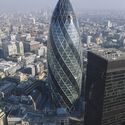
London’s contemporary architectural landscape continues to evolve, in part through the works of internationally-recognized architects such as Norman Foster, Zaha Hadid, and Thomas Heatherwick. This varied blend of styles, and ways of expression reflects the city’s ability to embrace architectural movements of global significance. As a center for innovation, London continues to attract established and emerging architects who shape its skyline and contribute to its international architectural discourse, with each new building offering a glimpse into the ever-changing nature of London’s urban fabric.

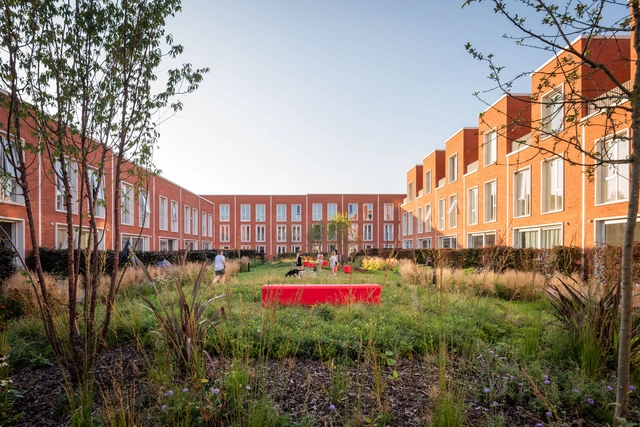
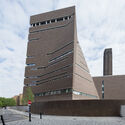
The Royal Institute of British Architects (RIBA) has announced the 30 winners of the 2023 RIBA National Awards for Architecture, providing an insight into the country’s architecture, design, and social trends. Among the key themes observed this year, the need to rebuild communities and to find sustainable ways of practicing stand out as the main concerns of the participant architects. The response to these themes is varied, ranging from buildings that aim to offer opportunities for collaboration for students to creating stimulating social spaces for the elderly or providing creative programs at a neighborhood scale. All the projects selected have been in use for at least one year and have provided data regarding their environmental performance. Examples of sustainable design include both new buildings, following the Passivhaus certification, and renovation of existing structures.
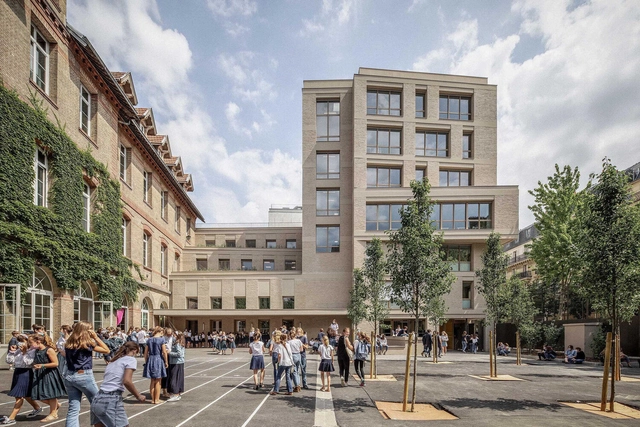
I always consider myself fortunate to have grown up outside the city, where my ‘cross-country’ lessons, for example –national right of hardship for 11-16-year-olds– were through the actual countryside rather than the high street. For many children, however, modern school life is not so close to nature.
Already over-populated cities are continuing to expand, meaning more schools are suffering from the limitations presented by inner-city architecture including noise, air, and light pollution; a lack of space, especially green space; restrictive budgets and building regulations resistant to change.
With innovative and considered design solutions, however, these four inner-city schools show the rest of the class how to work through their architectural answers and provide quality, green spaces for all.

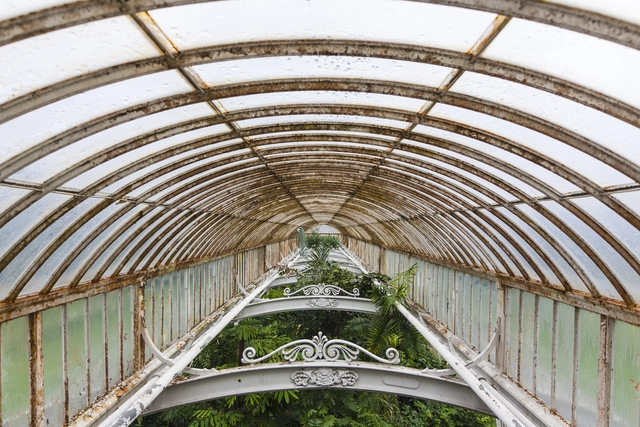
The greenhouse is a commonplace architectural typology, a frequent fixture in a host of cities, built to shield plants from the elements — from excess heat or cold or to prolong the growing season of crops. Evidence of the presence of greenhouses in some form stretches as far back as the 1450s during the Korean Joseon dynasty, but it is in the 1700s that the greenhouse was born as a specific architectural form. Glassmaking improved, and thus the largely transparent, wide-span structures we know today were born. Nestled under the intricate iron metalwork of greenhouses are also wider stories — of control and undeserved wealth, and resistance.
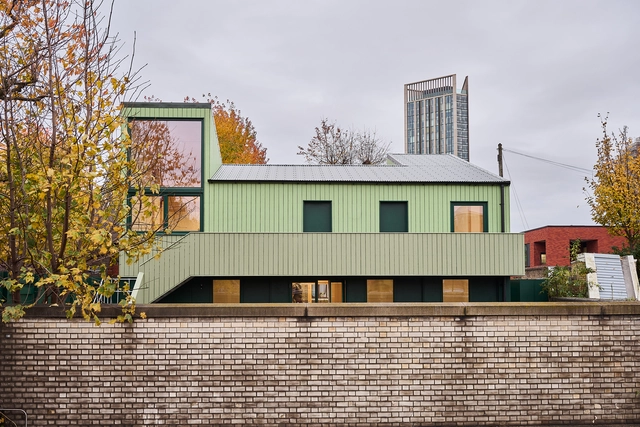
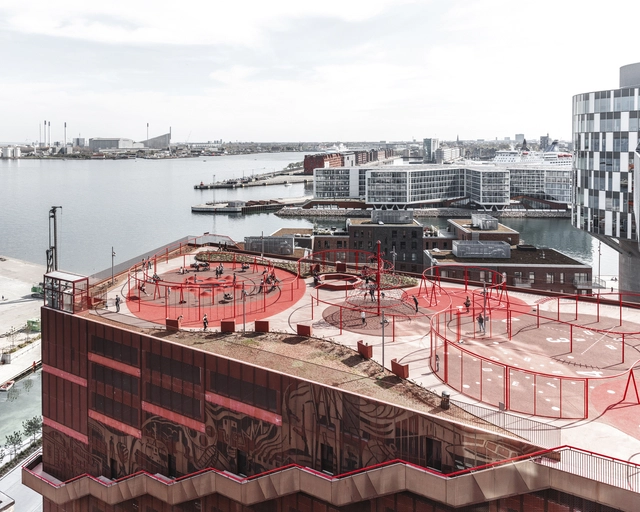
In increasingly denser urban environments, there is a new-found interest in underused spaces as opportunities for further development. Representing up to 25% of cities' land area, rooftops are among the most exciting spatial resources. From sustainable infrastructure and urban farming to social spaces and cultural venues, the article looks into the potential of creating a multi-layered city through the activation of urban rooftops.
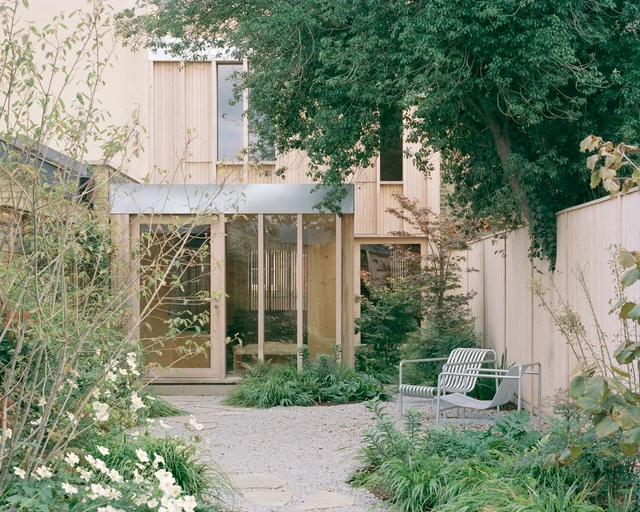
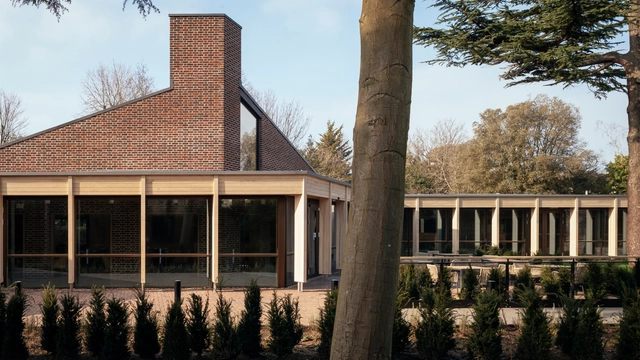
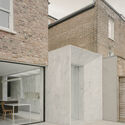
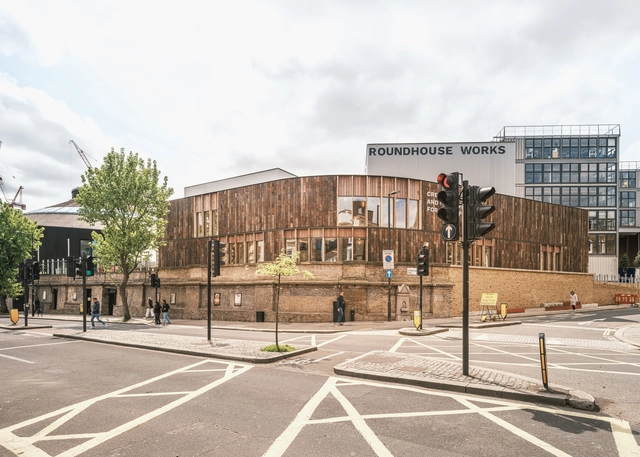
Every year since 1996, the Royal Institute of British Architects (RIBA) has hosted the RIBA London Awards to celebrate outstanding works of architecture from across the United Kingdom. This year, the list of winners includes 52 buildings ranging from a senior day-care center in Blackheath to a cultural hub in Greenwich and a subtle intervention in Hackney’s de Beauvoir conservation area. All RIBA London Awards winners will be considered for the RIBA National Award, scheduled to be announced on June 22nd.

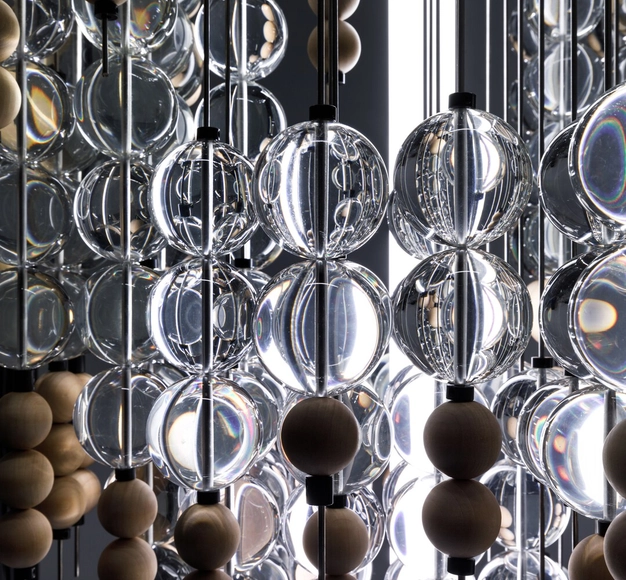
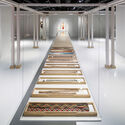
Minimaforms Presents The Order of Time at the Architectural Association School of Architecture Gallery. It is an immersive installation aimed to connect the preoccupations of physics, art, and architecture by revealing the ordering of spaces and constructed relationships through direct experience.
Three Sculptural installations are the highlight of the exhibition. Spherical organizations deployed through mathematical logic and designed to extend space within reflective light boxes, gifting its viewer a new immersive moment at every turn. ArchDaily had the chance to engage in a conversation with Theodore Spyropoulos; Artist & Architect at Minimaforms and Director of the Architectural Association’s Design Research Lab, on issues that tackled the interdisciplinary nature of architecture, the creative process of the installation, and how it influences the creation of spaces, buildings & cities.