The human scale spans both physical dimensions and sensory perception. Designers create spaces and objects like steps, doorways and chairs that are closely aligned to human measurement and how we see the world. But as we look beyond the human scale, new ideas and typologies emerge that help us rethink how we conceptualize architecture and build for the future.
Architecture is inherently defined by its cultural and environmental context. From the climate crisis and questions of exurbanism to architecture’s role in rural and remote communities, broader conditions shape how we design. Embracing these dynamics, architect Lola Sheppard of Lateral Office has created a body of work that directly responds to the demands of the 21st century. Through critical and deft interventions, she is exploring new typologies made possible by an architecture that brazenly confronts today.
As the forces shaping our built environment have shifted, engaging technology, networks, and complex systems, architects need to envision more than the physical space but produce narratives on how to best operate within this new societal landscape. In this context, speculative architecture seems to have never been more critical; therefore this article takes a closer look at the mediums that currently question the existing conditions of the built environment and explore new architectural possibilities.
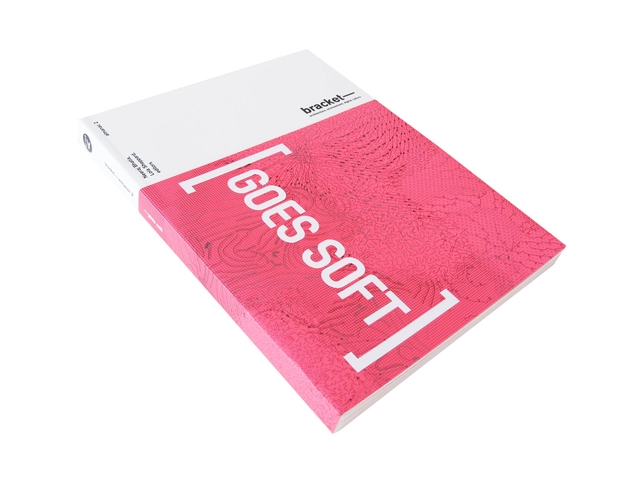
From the Publisher. Bracket 2 examines physical and virtual soft systems, as they pertain to infrastructure, ecologies, landscapes, environments, and networks. In an era of declared crises—economic, ecological and climatic, amongst others—the notion of soft systems has gained increasing traction as a counterpoint to permanent, static and hard systems. Acknowledging fluid and indeterminate situations with complex feedback loops that allow for reaction and adaption, the possibility of soft systems has re-entered the domain of design. Bracket 2 critically positions and defines soft systems through 27 projects and 12 articles. From soft politics, soft power and soft spaces to fluid territories, software and soft programming, Bracket 2 unpacks the use and role of responsive, indeterminate, flexible, and immaterial systems in design.
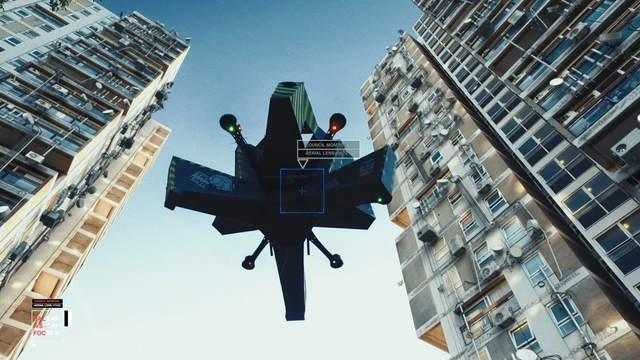


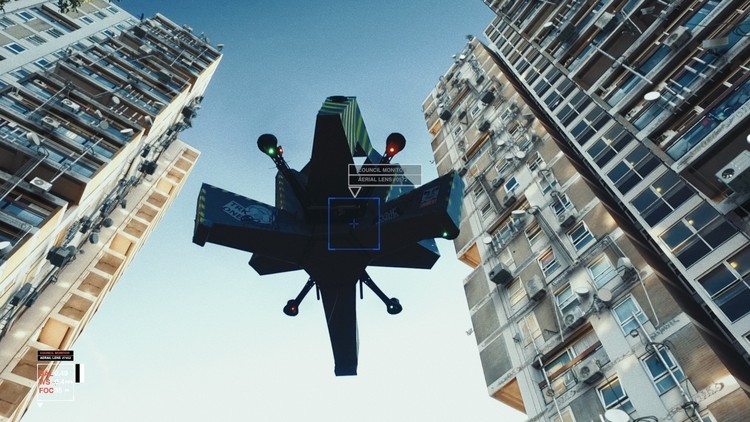
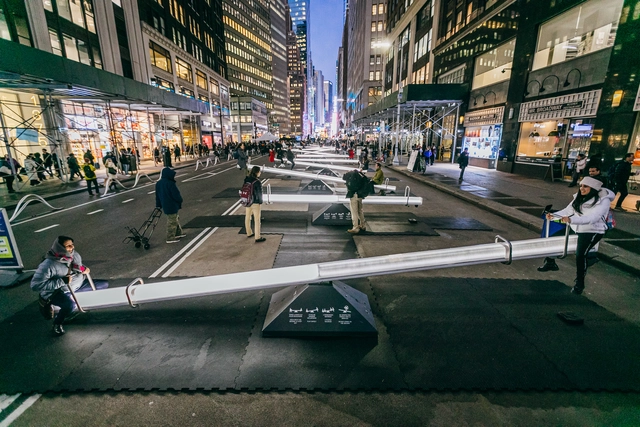
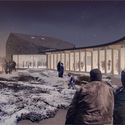
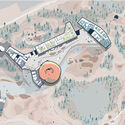
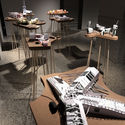


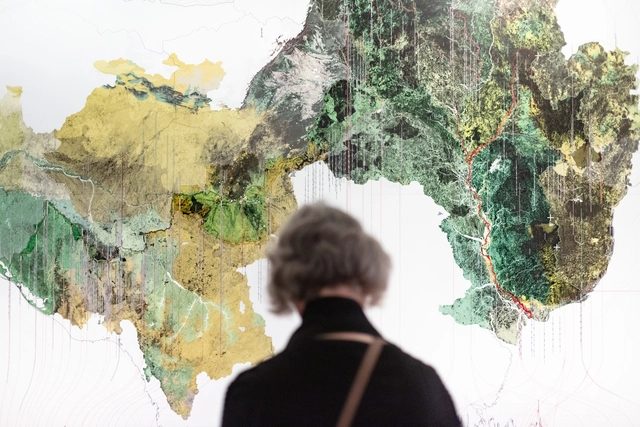
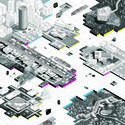

.jpg?1605822515 "Surface Ex-Tension by Jonathan Craig, Luis Arjona, Marco Nieto & Philip Elmore. Image Courtesy of Arch Out Loud. Image Courtesy of Arch Out Loud")