1. ArchDaily
  2. Lina Ghotmeh

Lina Ghotmeh: The Latest Architecture and News

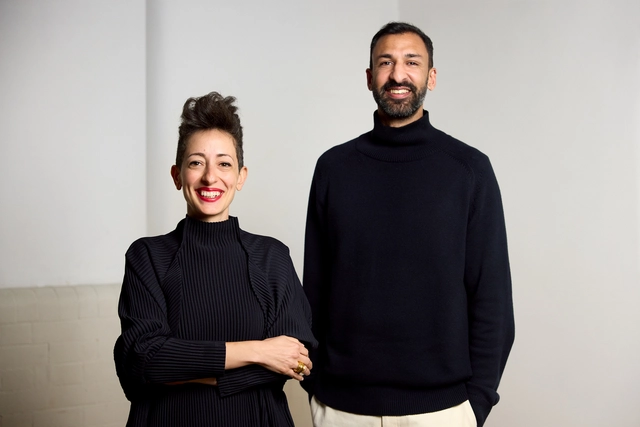
Lina Ghotmeh and Asif Khan Selected to Design Two Major Museums in AlUla, Saudi Arabia

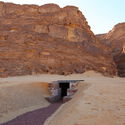
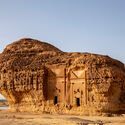
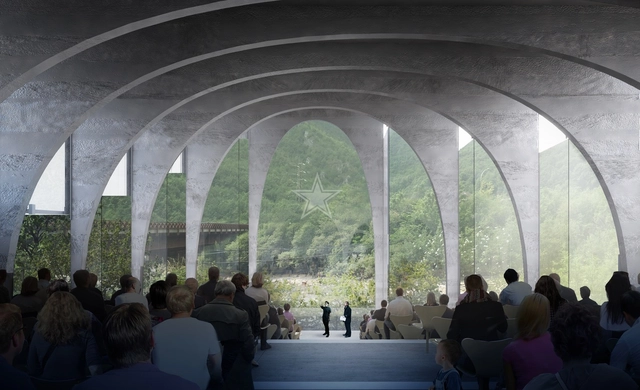
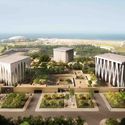
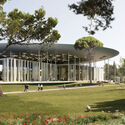
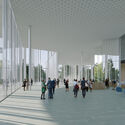
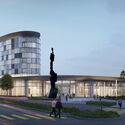
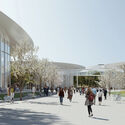
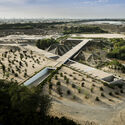
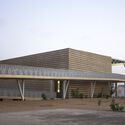
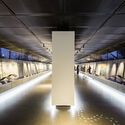
The Royal Commission for AlUla has appointed Lina Ghotmeh and Asif Khan as the lead architects for two upcoming museums to be added to the cultural oasis of AlUla, a destination in North-West Saudi Arabia displaying 7,000 years of continuous human history. Ghotmeh is set to design the contemporary art museum to house works by artists from the Red Sea, the Arabian Sea, and the Eastern Mediterranean in dialogue with their contemporaries from across the world. Asif Khan will design the Museum of the Incense Road, the first museum dedicated to the millennia-old network of major land and trading routes. The architects have been selected following an international competition.


Lina Ghotmeh and Asif Khan Selected to Design Two Major Museums in AlUla, Saudi Arabia - Image 1 of 4Lina Ghotmeh and Asif Khan Selected to Design Two Major Museums in AlUla, Saudi Arabia - Image 2 of 4Lina Ghotmeh and Asif Khan Selected to Design Two Major Museums in AlUla, Saudi Arabia - Image 3 of 4Lina Ghotmeh and Asif Khan Selected to Design Two Major Museums in AlUla, Saudi Arabia - Image 4 of 4Lina Ghotmeh and Asif Khan Selected to Design Two Major Museums in AlUla, Saudi Arabia - More Images

Community and Identity: Central Topics in Ephemeral Architecture in 2022

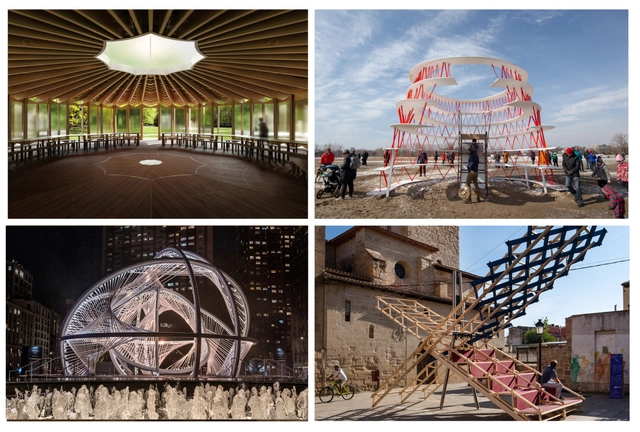
Staged stories on community and identity, ephemeral architecture showed that in 2022 it doesn't have to be permanent to be powerful. A direct and popped-up public installation can shift from preparation to action, reclaiming and defining what makes a community unique. Highlighting installations to acknowledge linguistic diversity in NYC, a giant table to celebrate culinary in Barcelona, and a large-scale net in Dubai to represent the local culture, among others, these initiatives seek to understand ways in which local and regional expressions can help cities to be more equal and diverse.

Globalization has connected the world boundaryless. While it has also made information more accessible, it has led to homogeneity and identity crisis at melding unique societies and cultural expressions. Cultural differences are undeniable as globalization grows. Hence, as architecture produces common living standards, it can also highlight singularities. Festivals, installations, and pavilions, 2022 was the year to express local memories to be recognized and celebrated, setting Community and identity as central topics in ephemeral architecture throughout the year.

Community and Identity: Central Topics in Ephemeral Architecture in 2022 - Image 1 of 4Community and Identity: Central Topics in Ephemeral Architecture in 2022 - Image 2 of 4Community and Identity: Central Topics in Ephemeral Architecture in 2022 - Image 3 of 4Community and Identity: Central Topics in Ephemeral Architecture in 2022 - Image 4 of 4Community and Identity: Central Topics in Ephemeral Architecture in 2022 - More Images+ 27

What Makes an Outstanding City? 10 Cities in Focus in 2022

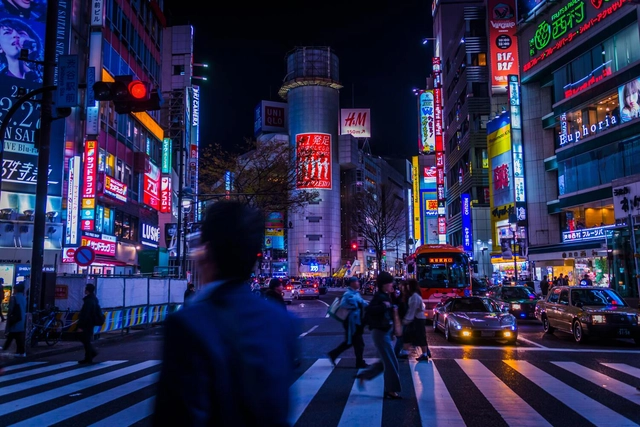
Cities evolve over countless years, each moment of change building up to larger societal and architectural shifts. Metropolises across the world are constantly subject to social, political, economic, or environmental forces that alter their fundamental identity - a character that is meant to be dynamic. As cities develop in size and impact, advancements in the understanding of cities and urbanism grow more complex. 

Cities are formed from a sequence of narratives, characteristics, relations, and socio-spatial values that reflect the identity of the place. The livelihood of the city also depends on its people and a mutual relationship with them. Along with their communities and their circumstances, cities morph to reflect their residents' needs and values.

What Makes an Outstanding City? 10 Cities in Focus in 2022  - Image 1 of 4What Makes an Outstanding City? 10 Cities in Focus in 2022  - Image 2 of 4What Makes an Outstanding City? 10 Cities in Focus in 2022  - Image 3 of 4What Makes an Outstanding City? 10 Cities in Focus in 2022  - Image 4 of 4What Makes an Outstanding City? 10 Cities in Focus in 2022  - More Images+ 6

Lina Ghotmeh Selected as Designer of the 2023 Serpentine Pavilion, with a Proposal Aiming for the Smallest Possible Carbon Footprint

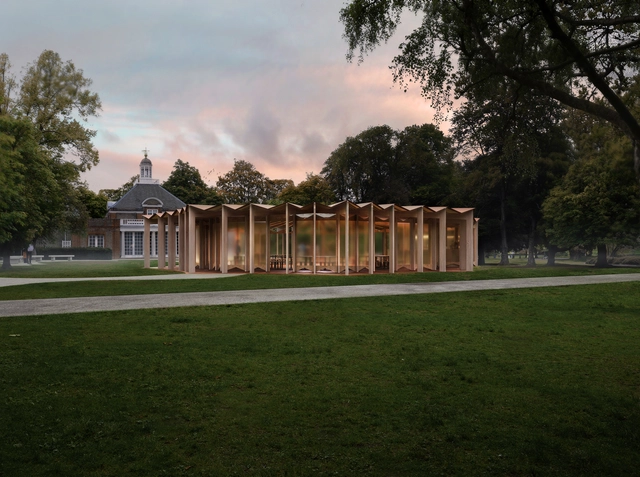
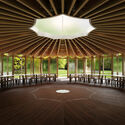
Beirut-born, Paris-based architect Lina Ghotmeh has been announced as the designer of the 22nd annual Serpentine Gallery Pavilion. Titled “À Table,” the French expression for sitting together to eat, her proposal introduces a slender wooden structure with nine pleated petals supported by radial ribs. Inside the pavilion, a ring of tables and benches invites visitors to enter, sit down and relax, eat or work together. According to the architect, the modest space and low-slung canopy is meant to make people feel close to the earth. The Serpentine Pavilion will be open from June to October 2023.

Lina Ghotmeh Selected as Designer of the 2023 Serpentine Pavilion, with a Proposal Aiming for the Smallest Possible Carbon Footprint - Image 1 of 4Lina Ghotmeh Selected as Designer of the 2023 Serpentine Pavilion, with a Proposal Aiming for the Smallest Possible Carbon Footprint - Image 2 of 4Lina Ghotmeh Selected as Designer of the 2023 Serpentine Pavilion, with a Proposal Aiming for the Smallest Possible Carbon Footprint - Image 3 of 4Lina Ghotmeh Selected as Designer of the 2023 Serpentine Pavilion, with a Proposal Aiming for the Smallest Possible Carbon Footprint - Image 4 of 4Lina Ghotmeh Selected as Designer of the 2023 Serpentine Pavilion, with a Proposal Aiming for the Smallest Possible Carbon Footprint - More Images

Lina Ghotmeh on Stone Garden: ''It Has to Resist any Earthquake, and That’s Why it also Resisted the Explosion in the Port''

‘’We’re in a seismic area. Beirut has been buried seven times, so it has to resist any earthquake, and that’s why it also resisted the explosion in the port,’’ expresses Lina Ghotmeh in conversation with Louisiana Channel, in regards to the Stone Garden. A building constructed with resilience in mind, in a city that has been buried within rubble and rebuilt multiple times.

Lina Ghotmeh was interviewed by Marc-Christoph Wagner at her studio in Paris in November 2021. Renowned for her Humanist approach to Architecture, the Stone Garden offers a very personal relationship as the first building to be constructed in Ghotmeh’s hometown of Beirut. Positioned on the edge of the city center, it is very much a form of vernacular architecture echoing the lives of the people who reside here.

Lina Ghotmeh on Stone Garden: ''It Has to Resist any Earthquake, and That’s Why it also Resisted the Explosion in the Port'' - Image 1 of 4Lina Ghotmeh on Stone Garden: ''It Has to Resist any Earthquake, and That’s Why it also Resisted the Explosion in the Port'' - Image 2 of 4Lina Ghotmeh on Stone Garden: ''It Has to Resist any Earthquake, and That’s Why it also Resisted the Explosion in the Port'' - Image 3 of 4Lina Ghotmeh on Stone Garden: ''It Has to Resist any Earthquake, and That’s Why it also Resisted the Explosion in the Port'' - Image 4 of 4Lina Ghotmeh on Stone Garden: ''It Has to Resist any Earthquake, and That’s Why it also Resisted the Explosion in the Port'' - More Images+ 1

The 22 Most Anticipated Projects of 2022

Subscriber Access | 

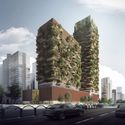
As the new year kicks off, we're taking a look ahead to the projects we're most looking forward to in 2022. With a mix of cultural and commercial programs, the designs are located across five continents, with many under construction for multiple years. Designed across a wide range of scales, they represent a mix of interconnected landscapes, museums, and new skyscrapers. 

The 22 Most Anticipated Projects of 2022 - Image 1 of 4The 22 Most Anticipated Projects of 2022 - Image 2 of 4The 22 Most Anticipated Projects of 2022 - Image 3 of 4The 22 Most Anticipated Projects of 2022 - Image 4 of 4The 22 Most Anticipated Projects of 2022 - More Images+ 22

MAXXI Museum Celebrates Female Architects Through "Good News. Women in Architecture" Exhibition

MAXXI Museum Celebrates Female Architects Through "Good News. Women in Architecture" Exhibition - Featured Image
© Musacchio, Ianniello & Pasqualini courtesy of Fondazione MAXXI

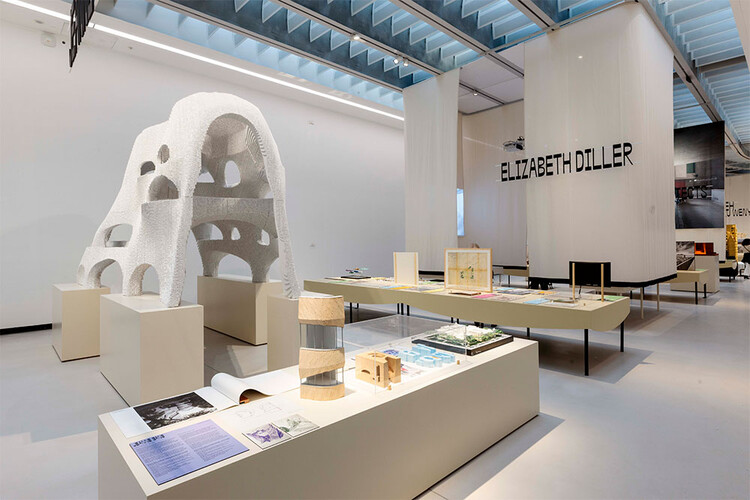
MAXXI Museum celebrates women in architecture in a new exhibition that documents the transformative role of female architects in the profession's evolution over the last century. Curated by Pippo Ciorra, Elena Motisi, Elena Tinacci, and with exhibition design by Matilde Cassani, Good News. Women in Architecture weaves together in four thematic sections the history of women in architecture, with the work of contemporary practitioners and the voices of young collectives, telling the stories of over eighty female architects.

MAXXI Museum Celebrates Female Architects Through "Good News. Women in Architecture" Exhibition - Image 1 of 4MAXXI Museum Celebrates Female Architects Through "Good News. Women in Architecture" Exhibition - Image 2 of 4MAXXI Museum Celebrates Female Architects Through "Good News. Women in Architecture" Exhibition - Image 3 of 4MAXXI Museum Celebrates Female Architects Through "Good News. Women in Architecture" Exhibition - Image 4 of 4MAXXI Museum Celebrates Female Architects Through Good News. Women in Architecture Exhibition - More Images+ 1

Winning Proposal for Thessaloniki's Fairground Redesign Introduces a Series of Pavilions within a Green Landscape

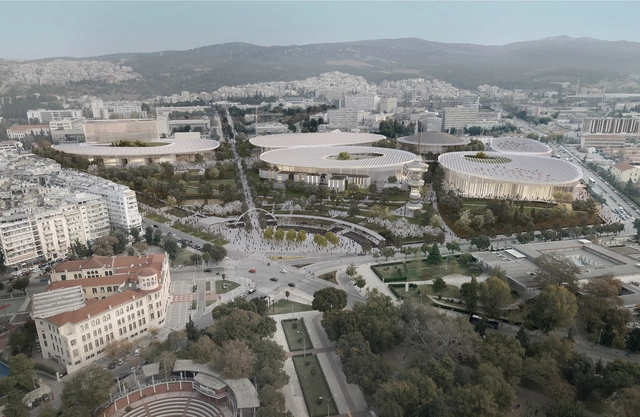
The winning proposal for redesigning Thessaloniki’s ConfEx fairground features a series of pavilions with large overhanging roofs that float within a park, creating the infrastructure for international events while providing locals with a robust public space. Designed by Sauerbruch Hutton, together with Gustafson Porter + Bowman as landscape architects and Elena Stavropoulou, the project builds on the existing network of landmarks creating a new hybrid landscape that caters to the Northern Greek city’s goal of becoming the region’s primary business and tourist attraction.

Winning Proposal for Thessaloniki's Fairground Redesign Introduces a Series of Pavilions within a Green Landscape - Image 1 of 4Winning Proposal for Thessaloniki's Fairground Redesign Introduces a Series of Pavilions within a Green Landscape - Image 2 of 4Winning Proposal for Thessaloniki's Fairground Redesign Introduces a Series of Pavilions within a Green Landscape - Image 3 of 4Winning Proposal for Thessaloniki's Fairground Redesign Introduces a Series of Pavilions within a Green Landscape - Image 4 of 4Winning Proposal for Thessaloniki's Fairground Redesign Introduces a Series of Pavilions within a Green Landscape - More Images+ 3

Aga Khan Award for Architecture Reveals 2022 Master Jury

 Aga Khan Award for Architecture Reveals 2022 Master Jury - Featured Image
The Palestinian Museum by heneghan peng architects. Image © Iwan Baan

The Aga Khan Award for Architecture announced the Master Jury that will select the 2020-2022 cycle winners. The jury, among which are Anne Lacaton, Francis Kéré, Nader Tehrani, or Amale Andraos, will look for projects that respond to the cultural aspirations of their social context and show innovative use of local resources and building technologies. Founded in 1988 by Aga Khan IV, the award covering three-year cycles aims to highlight projects of relevance and positive impact for Islamic communities.

 Aga Khan Award for Architecture Reveals 2022 Master Jury - Image 1 of 4 Aga Khan Award for Architecture Reveals 2022 Master Jury - Image 2 of 4 Aga Khan Award for Architecture Reveals 2022 Master Jury - Image 3 of 4 Aga Khan Award for Architecture Reveals 2022 Master Jury - Image 4 of 4 Aga Khan Award for Architecture Reveals 2022 Master Jury - More Images+ 1

What is Architecture? Concepts from Coop Himmelb(l)au, Lina Ghotmeh, Liam Young and Topotek 1

Subscriber Access | 

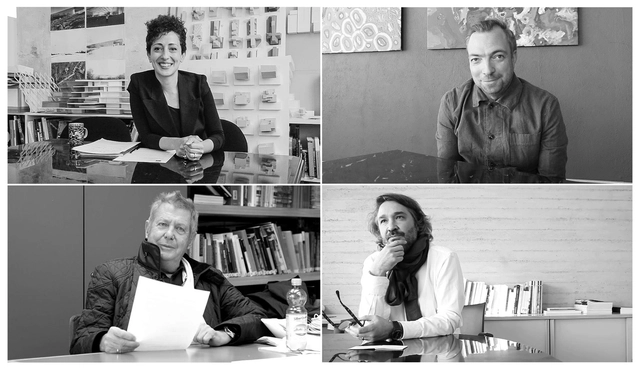
Simple in form but complex in substance, “What is Architecture?” remains an existential question for a lot of architecture students and young professionals. In an attempt to define this ever-changing interrogation and expose the different visions out there, the interview series: WIA – What is architecture? asks four, straightforward, questions to world-leading architectural designers and thinkers. Seeking to uncover their opinion on what architecture is and what it can do, these short videos reveal responses to “What is architecture? What can architecture do? What is your architectural position? and What is your design method?”.

ArchDaily has collaborated with WIA to release every week, 4 of these conversations, and to invite you to take on the challenge and answer these questions. The fourth and last article of the series presents the ideas and visions of Lina Ghotmeh, Wolf D. Prix from Coop Himmelb(l)au, Liam Young, and Martin Rein-Cano from Topotek 1.

The Contemporary Approach to Rebuilding Cities Post-Disaster: The Case of Beirut

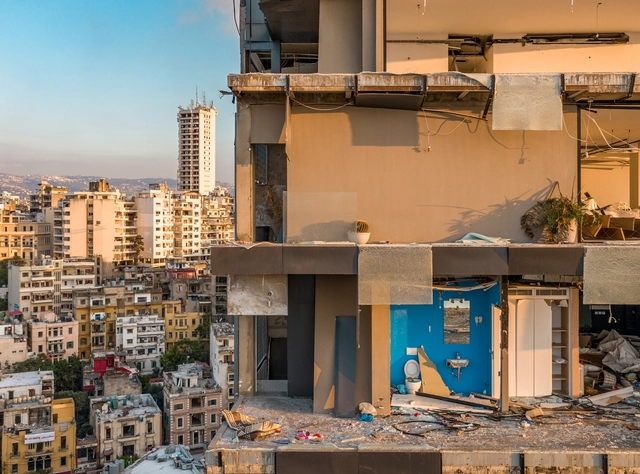
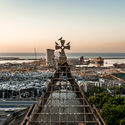
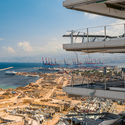
Almost 6 months ago, on August 4th, 2020, the city of Beirut was shaken by one of the biggest non-nuclear blasts in history. Leaving the northern side of the capital in ruins, the explosion damaged around 40,000 buildings. New contemporary structures completed recently by local international architects are now facing reconstruction dilemmas, raising existential questions such as: How should reconstruction efforts of “new” damaged buildings look like? Should architects rebuild them as they were before the blast, erasing what has happened or should they leave scars and portray new realities?

In order to explore ideas and highlight different perspectives, ArchDaily had the chance to sit with three architects whose buildings were impacted by the blast. Bernard Khoury, Paul Kaloustian, and Lina Ghotmeh talked about their projects and their vision of the reconstruction of Beirut with ArchDaily's Managing Editor, Christele Harrouk, alongside Architectural Photographer Laurian Ghinitoiu, who documented in a featured photo series the extent of the destruction.

The Contemporary Approach to Rebuilding Cities Post-Disaster: The Case of Beirut - Image 1 of 4The Contemporary Approach to Rebuilding Cities Post-Disaster: The Case of Beirut - Image 2 of 4The Contemporary Approach to Rebuilding Cities Post-Disaster: The Case of Beirut - Image 3 of 4The Contemporary Approach to Rebuilding Cities Post-Disaster: The Case of Beirut - Image 4 of 4The Contemporary Approach to Rebuilding Cities Post-Disaster: The Case of Beirut - More Images+ 15

Beirut: Between a Threatened Architectural Heritage and a Traumatized Collective Memory

It only took a couple of seconds to destroy 40% of the city of Beirut on August 4th, 2020. A couple of trivial seconds were enough to determine the fate of the urban and social fabric of the Lebanese capital and its architectural heritage. Years and years of accumulated cultural assets fell instantly in distress, causing more harm than the infamous 15-year civil war. These seconds have erased the past, present, and destroyed future aspirations.

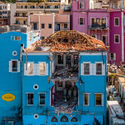
Hit right in its rich cultural center, the blast of the port shook the northeastern side of the Lebanese capital, leaving the neighborhoods of Mdawar, Rmeil, Gemmayze, Achrafieh, Mar Mkhayel, Karantina, and Geitawi, severely hurt. According to the UN Development Programme (UNDP), 200,000 housing units were affected by the explosions, with an estimated 40,000 buildings damaged, of which 3,000 were severely damaged.

Beirut: Between a Threatened Architectural Heritage and a Traumatized Collective Memory - Image 1 of 4Beirut: Between a Threatened Architectural Heritage and a Traumatized Collective Memory - Image 2 of 4Beirut: Between a Threatened Architectural Heritage and a Traumatized Collective Memory - Image 3 of 4Beirut: Between a Threatened Architectural Heritage and a Traumatized Collective Memory - Image 4 of 4Beirut: Between a Threatened Architectural Heritage and a Traumatized Collective Memory - More Images+ 20