1. ArchDaily
  2. Light Design

Light Design: The Latest Architecture and News

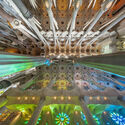
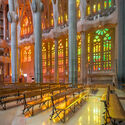
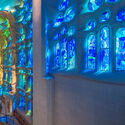
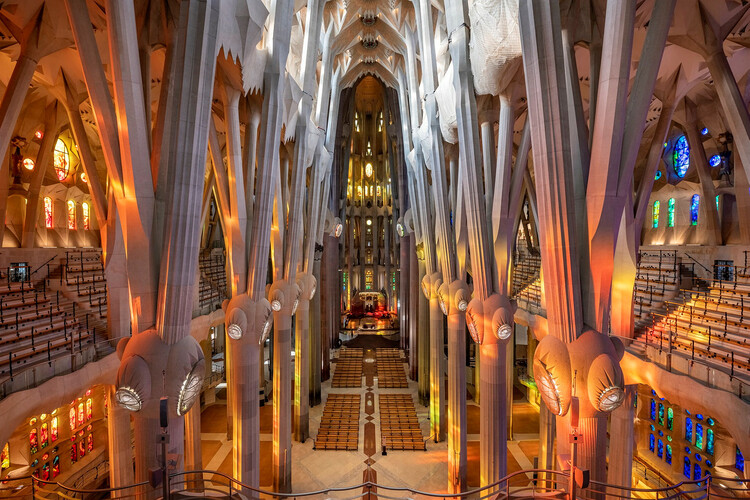
Contemplative Drama: How Gaudí Shaped Light and Color at Sagrada Família

Subscriber Access | 

It is afternoon in the summer, and the nave of the Sagrada Família is saturated with warm colors. Shafts of amber and crimson sweep across the stone floor, shift as a cloud passes over Barcelona, then deepen again. Around you, visitors slow without quite realizing it. Some raise their phones — not to capture the architecture, but to step into the light itself, positioning themselves in a pool of orange or gold as if the colours were something you could wear.

They are, without knowing it, doing exactly what Gaudí intended: surrendering, however briefly, to the sensation of being bathed in something larger than themselves.

Contemplative Drama: How Gaudí Shaped Light and Color at Sagrada Família - Image 1 of 4Contemplative Drama: How Gaudí Shaped Light and Color at Sagrada Família - Image 2 of 4Contemplative Drama: How Gaudí Shaped Light and Color at Sagrada Família - Image 3 of 4Contemplative Drama: How Gaudí Shaped Light and Color at Sagrada Família - Image 4 of 4Contemplative Drama: How Gaudí Shaped Light and Color at Sagrada Família - More Images+ 14

The Line of Fragile Radiance: Neon Light as Atelier, Architecture, and Archive

Subscriber Access | 

The fragility—and temporal beauty—of neon has captivated audiences since the early 1900s. First shown commercially by French engineer Georges Claude at the 1910 Paris Motor Show, neon spread rapidly, achieving broad popularity in the United States from the 1920s through the 1950s. Mid-century America saw it everywhere: from the casinos of the Las Vegas Strip to roadside motor inns along Route 66 and the spectacle of Times Square. By the latter half of the century, however, many signs were scrapped or left to decay, and numerous municipalities restricted neon as visually garish or power-hungry—despite the technology's comparatively modest energy use. In the U.S., renewed interest in neon arguably didn't meaningfully return until the early 2000s.

In Hong Kong, by contrast, neon was embraced with unusual enthusiasm at a time when it began to lose popularity elsewhere. Even as installation slowed in recent decades—largely due to updated ordinances requiring removal of overhanging signs whose support structures failed to meet safety standards—the city's affinity for neon never fully disappeared.

The Line of Fragile Radiance: Neon Light as Atelier, Architecture, and Archive - Image 1 of 4The Line of Fragile Radiance: Neon Light as Atelier, Architecture, and Archive - Image 2 of 4The Line of Fragile Radiance: Neon Light as Atelier, Architecture, and Archive - Image 3 of 4The Line of Fragile Radiance: Neon Light as Atelier, Architecture, and Archive - Image 4 of 4The Line of Fragile Radiance: Neon Light as Atelier, Architecture, and Archive - More Images+ 16

Designing in the Dark: Buildner Announces 3rd Home of Shadows Winners

 | Sponsored Content

Buildner has announced the results of its third annual Home of Shadows international architecture ideas competition. The competition series is designed to focus on the vital interplay between light and shadow in creating functional and inviting living spaces. It highlights the importance of natural light in home design, essential for creating comfortable, inviting, and practical environments.

Light is viewed as a language through which architects communicate emotions in their designs, with shadows playing an equally significant role in influencing the ambiance of a space. The balance between light and shadow allows for the creation of spaces with depth and texture, setting different moods for various purposes. Often, this balance can be achieved through the strategic placement of windows and doors.

Beyond Form: How Light and Shadow Define Architectural Atmosphere

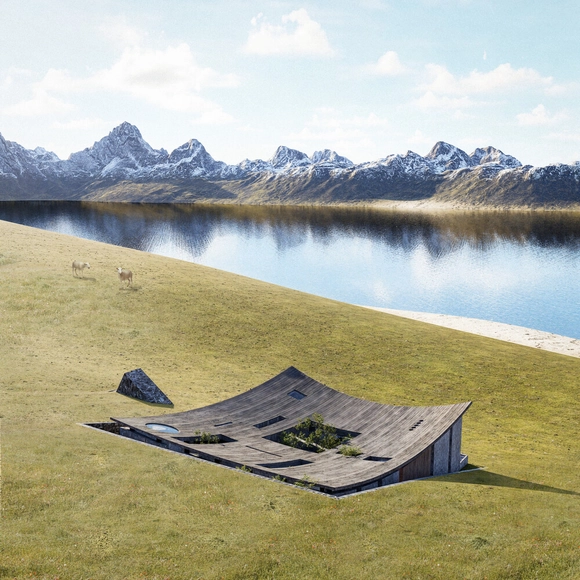
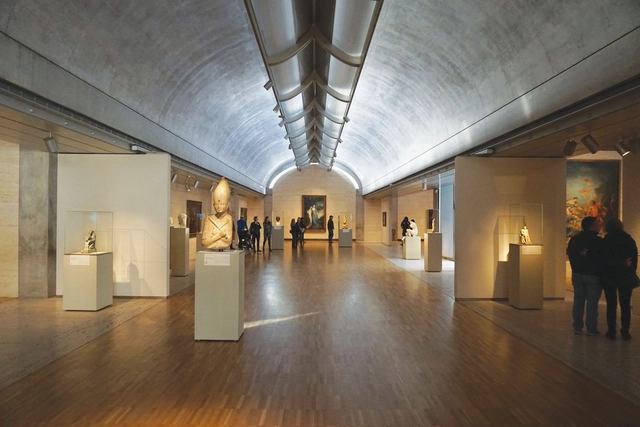
Architecture is often defined by its physical form, materials, and structural elements, but light and shadow truly shape the experience of space. These elements influence perception, guide movement, and evoke emotional responses, transforming static structures into dynamic environments. Throughout history, architects have harnessed the interplay of light and shadow, using it as a fundamental design tool to create atmosphere and meaning.

Beyond Form: How Light and Shadow Define Architectural Atmosphere - Image 1 of 4Beyond Form: How Light and Shadow Define Architectural Atmosphere - Image 2 of 4Beyond Form: How Light and Shadow Define Architectural Atmosphere - Image 3 of 4Beyond Form: How Light and Shadow Define Architectural Atmosphere - Image 4 of 4Beyond Form: How Light and Shadow Define Architectural Atmosphere - More Images+ 48

How to Reduce Light Pollution With Street Light Design?

Subscriber Access | 

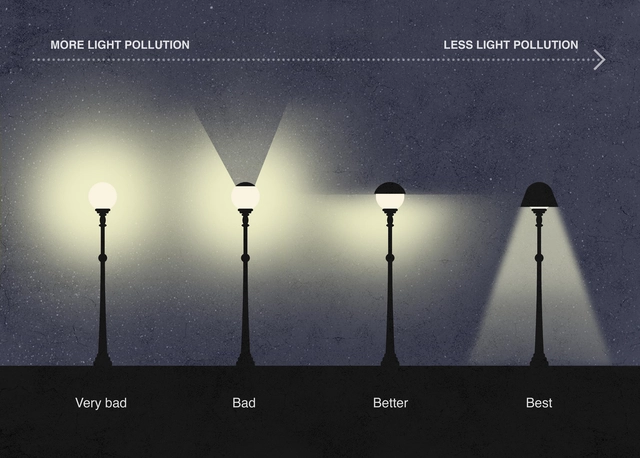
A recent study suggests that our home galaxy, the Milky Way, cannot be seen by one-third of humanity. Why? Millions of city lamps brighten our cities every night, but only part of their light is used to actually illuminate streets or sidewalks – the rest is lost and emitted above the horizon, brightening the night sky and contributing to what is known as light pollution. However, as the artificial glow from towns and cities increases every year, the consequences of this urban phenomenon go beyond just preventing us from seeing stars. Other harmful effects include: causing a hazardous glare that can reduce safety, excessive energy consumption, waste of money and resources, disruption of ecosystems’ natural day and night cycles, suppression of melatonin production and several negative repercussions on public health. In this sense, choosing the right lamps (with a well thought-out design) is crucial to reduce light pollution.

Immersive Spaces: Shaping Profound Experiences Through Architecture and Art

Subscriber Access | 

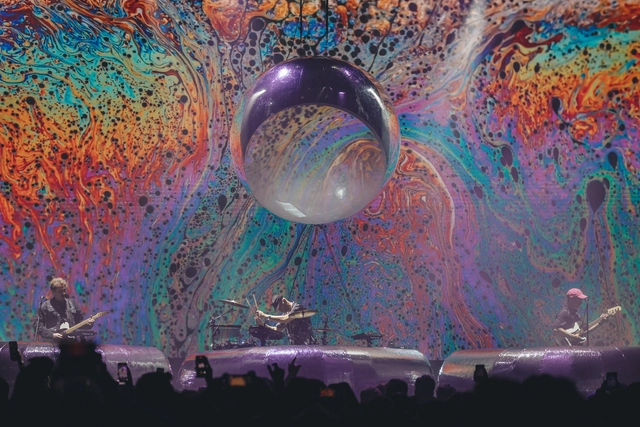
Immersive spaces are heavily sensorial environments meant to create impactful experiences crafted through intentionally curated architecture, light, imagery, sound, and sometimes even smell. To "immerse" oneself is to be wholly enveloped in a world shaped solely by immediate sensory input. Using digital tools to craft these environments to showcase art, create compelling exhibitions, and feature performance events has become increasingly popular. Evocative experiences like these can offer a respite from the inundation of personalized digital content and foster shared, grounding encounters. The design of these can exist at the intersection of architecture, graphic design, visual art, lighting design, music, and performance. They underscore the power of interdisciplinary collaboration to craft memorable moments. So, what role does architecture play in shaping these?

Immersive Spaces: Shaping Profound Experiences Through Architecture and Art - Image 1 of 4Immersive Spaces: Shaping Profound Experiences Through Architecture and Art - Image 2 of 4Immersive Spaces: Shaping Profound Experiences Through Architecture and Art - Image 4 of 4Immersive Spaces: Shaping Profound Experiences Through Architecture and Art - Image 3 of 4Immersive Spaces: Shaping Profound Experiences Through Architecture and Art - More Images+ 1

Cities Light Up in Solidarity with Ukraine

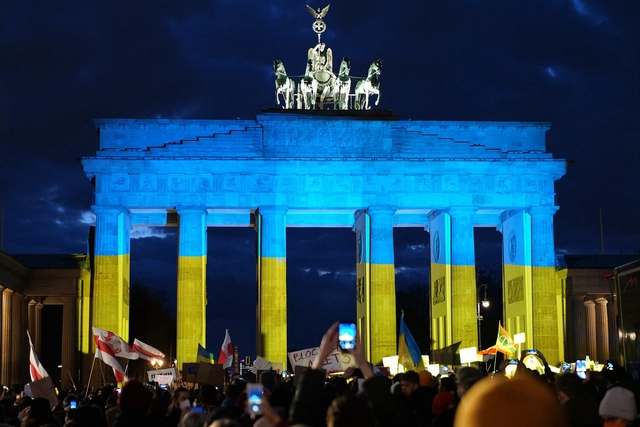
In the realm of media architecture and its role in supporting struggles for social justice, the recent Media Architecture Biennale 2023 (MAB23) in Toronto, Canada, shed light on a captivating aspect: The rapid and vast propagation of solidarity lighting in response to Russia's invasion of Ukraine in 2022. The synchronized illuminations, infused with activism and global art projects, became a powerful emblem of worldwide support for Ukraine during its time of crisis. Two emphatic female political leaders in Europe initiated the lighting solidarity message. Surprisingly, the blue and yellow Ukrainian flag illumination on iconic buildings worldwide defined an image of solidarity even faster in the press than large crowds of people in anti-war protests the weekend after the war began.

Cities Light Up in Solidarity with Ukraine - Image 1 of 4Cities Light Up in Solidarity with Ukraine - Image 2 of 4Cities Light Up in Solidarity with Ukraine - Image 3 of 4Cities Light Up in Solidarity with Ukraine - Image 4 of 4Cities Light Up in Solidarity with Ukraine - More Images+ 3

The Safety of Light: A Short History of Light in Public Spaces

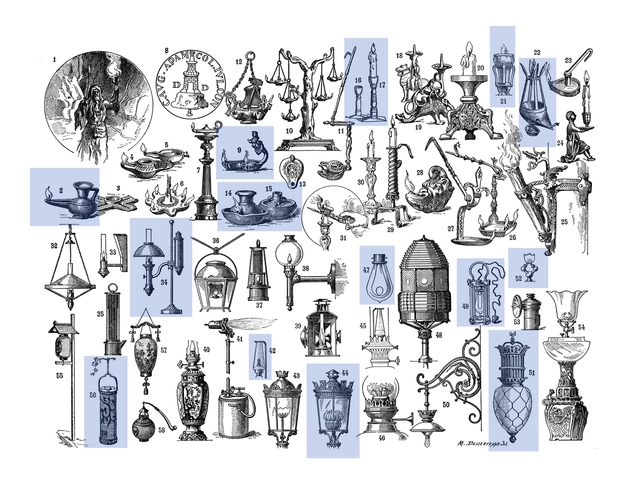
The simple activity of taking a walk in the evening can easily turn from a relaxing leisurely activity to a dangerous endeavor by removing just one element from the streetscape: public lighting. While not often recognized as defining aspect of urban environments, artificial illumination has played an essential role in defining the character of modern cities. Crime control, the appeal of nightlife, the rise of the shop window, revolutionary movements, utopias, and ideals of social equity are all concepts whose development is tightly linked to the history of public lighting. Technological advancements over the past centuries have continuously shaped the appearance and symbolism of streetlamps. Still, the this element has remains a constant throughout its history.

The Safety of Light: A Short History of Light in Public Spaces - Image 1 of 4The Safety of Light: A Short History of Light in Public Spaces - Image 2 of 4The Safety of Light: A Short History of Light in Public Spaces - Image 3 of 4The Safety of Light: A Short History of Light in Public Spaces - Image 4 of 4The Safety of Light: A Short History of Light in Public Spaces - More Images+ 7

Less is More: Minimal Window Systems for Maximum Light

 | Sponsored Content

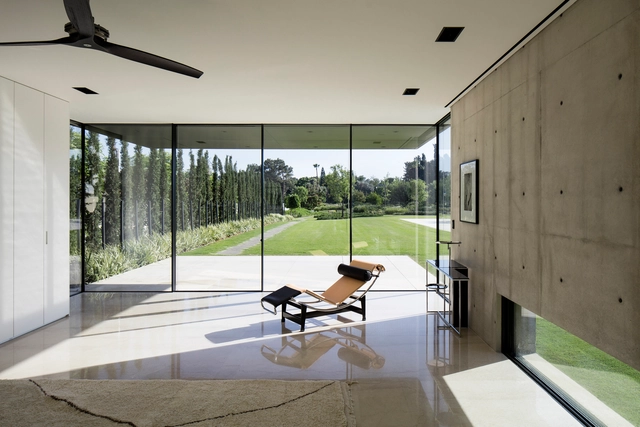
Le Corbusier once described architecture as “a learned game, correct and magnificent, of forms assembled in the light.” Natural light –and its accompanying shadow– plays a crucial role in shaping our perception of architecture, serving a long list of functions that define how users experience, engage and interact with buildings. From illuminating and accentuating to enhancing views and evoking warmth, the presence of daylight has the power to set a room’s tone and aesthetic language. It even has a significant impact on human health and well-being, including boosting mood and productivity, regulating circadian rhythms and reducing eyestrain and headaches –it makes our lives brighter, literally.

Less is More: Minimal Window Systems for Maximum Light - Image 1 of 4Less is More: Minimal Window Systems for Maximum Light - Image 2 of 4Less is More: Minimal Window Systems for Maximum Light - Image 3 of 4Less is More: Minimal Window Systems for Maximum Light - Image 4 of 4Less is More: Minimal Window Systems for Maximum Light - More Images+ 8

The Salone del Mobile Transforms General Layout and Presents 2023 Theme

The 61st edition of The Salone del Mobile transformed its general layout and program, including Euroluce, the iconic International Lighting Exhibition in Milan. Curated by architect Beppe Finessi, in collaboration with Formafantasma and the studio Lombardini22, the new vision for The Salone del Mobile will improve accessibility and the trade fair and user experience. Running from 18th to 23rd April 2023 at Rho Fiera Milano, the 2023 Salone will focus on schools and universities under the theme "Design School."

The Salone del Mobile Transforms General Layout and Presents 2023 Theme - Image 1 of 4The Salone del Mobile Transforms General Layout and Presents 2023 Theme - Image 2 of 4The Salone del Mobile Transforms General Layout and Presents 2023 Theme - Image 3 of 4The Salone del Mobile Transforms General Layout and Presents 2023 Theme - Image 4 of 4The Salone del Mobile Transforms General Layout and Presents 2023 Theme - More Images

The Second Studio Podcast: Interview with Michael Ferguson

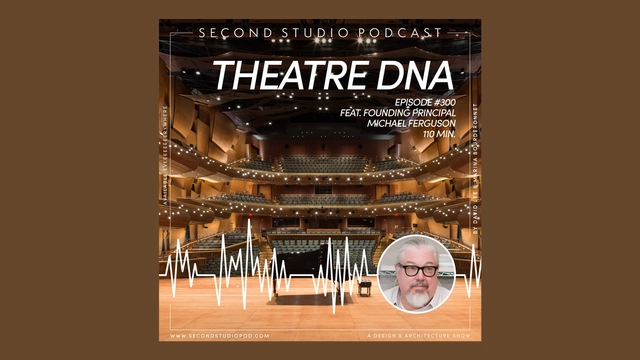
The Second Studio (formerly The Midnight Charette) is an explicit podcast about design, architecture, and the everyday. Hosted by Architects David Lee and Marina Bourderonnet, it features different creative professionals in unscripted conversations that allow for thoughtful takes and personal discussions.

A variety of subjects are covered with honesty and humor: some episodes are interviews, while others are tips for fellow designers, reviews of buildings and other projects, or casual explorations of everyday life and design. The Second Studio is also available on iTunes, Spotify, and YouTube.

The Second Studio Podcast: Interview with Michael Ferguson - Image 1 of 4The Second Studio Podcast: Interview with Michael Ferguson - Image 2 of 4The Second Studio Podcast: Interview with Michael Ferguson - Image 3 of 4The Second Studio Podcast: Interview with Michael Ferguson - Image 4 of 4The Second Studio Podcast: Interview with Michael Ferguson - More Images+ 7

When Vintage Meets Modern: 5 Barn Lights That Achieve a Contemporary Aesthetic

 | Sponsored Content

Characterized by a simple structure and a gable roof, the traditional barnyard typology responds to its original function: sheltering farm products and livestock. In recent years, however, the barn aesthetic has evolved tremendously, sparking the interest of designers with its enduring rustic charm, minimalistic shape, refined ornamentation and modularity – qualities that have long made it popular in countryside hideaways. Reinterpreted to fit a contemporary style, the vintage typology has conquered modern projects that seek to offer an escape from the fast-paced, dense reality of urban life. Whether refurbishing historic farms or building new homes designed to resemble barns, architects have drawn inspiration from the industrial origins of traditional barnyards, but adding a modern twist.

How the Masters See It: Six Ways to Design with Light

Subscriber Access | 

Light is an important, if complex, tool in architecture. Not only does it lend atmosphere, texture, and vibrancy, but it is increasingly essential in an age where technology alienates us from nature. In this excerpt from Mary Guzowski's new book, The Art of Architectural Daylighting, she introduces the science and art of daylighting - and details six ways the masters approach the challenge.