Leonardo Quinteros

BROWSE ALL FROM THIS PHOTOGRAPHER HERE

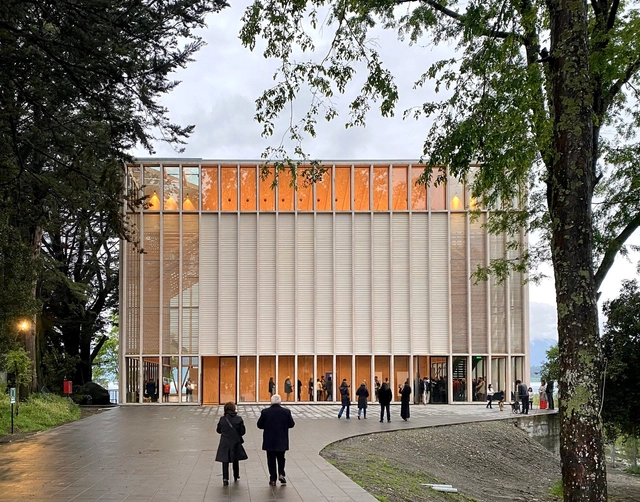
The artisanal beauty of wood slats: durability, aesthetics, and solar control on facades

Subscriber Access | 

Certain materials offer a wide range of applications, and wood is undoubtedly one of them. This noble material can assume various roles: structurally in tectonics, as floor cladding in finishes, or even as a functional and decorative element in furniture design. Depending on its application, wood tells a different narrative. In facade design, its integration imparts a distinct character; indeed, beyond contributing to the building's identity and aesthetics, it also plays a crucial role in its functionality.

When discussing wood facades, screens and timber batten patterns are recurring elements. Through this approach—in contrast to modular systems—customizable combinations can be created for each project, conveying a unique artisanal beauty tailored to the intended design. Furthermore, wood offers outstanding characteristics in terms of sustainability, solar control, weather resistance, and energy efficiency. Together, these qualities allow the facade to function as a dynamic interface between interior and exterior, mediating light, shadow, and views.

The artisanal beauty of timber slats: durability, aesthetics, and solar control in facades

Subscriber Access | 

Certain materials offer a wide range of uses, and wood is one of them. This noble material can take on various roles: structurally in tectonics, as flooring in finishes, or even as functional and decorative elements in furniture. Depending on its application, wood adopts a distinct narrative. In facade design, its integration lends a unique character, as it not only contributes to the building's identity and aesthetics but also plays a crucial role in its functionality.

When discussing facades and wood, screens and timber batten patterns are recurring elements. Through this concept—in contrast to modular systems—highly customizable combinations can be created for each project, conveying a unique, artisanal beauty tailored to the intended design. Furthermore, wood offers remarkable qualities in terms of sustainability, solar control, weather resistance, and energy efficiency. Together, these qualities allow the facade to function as a dynamic interface between interior and exterior, also mediating between light and shadow, as well as views.
Public spaces that use wood to connect with their surroundings

Subscriber Access | 

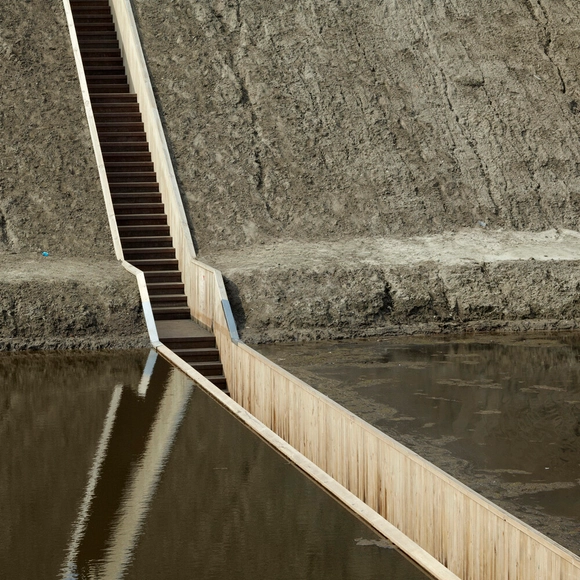
It is increasingly common to observe how current generations, characterized by greater respect and awareness of the environment, seek new ways to interact with nature while assuming a deep responsibility to protect it. Accordingly, the future of architecture is closely tied to the ability to balance these desires and obligations, particularly in the design of natural public spaces.

By integrating subtle paths and walkways, public space design can open up access for people of all ages and abilities. Combined with a natural material palette, architects and designers can create spaces that complement their surroundings. Yet, however beautiful these natural areas may be, making them safe and suitable for visitors can have detrimental effects on the environment. Consequently, design and material selection must be approached mindfully and with care.

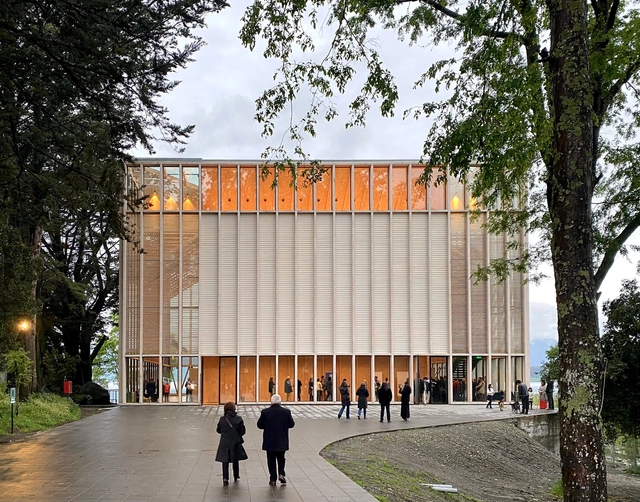
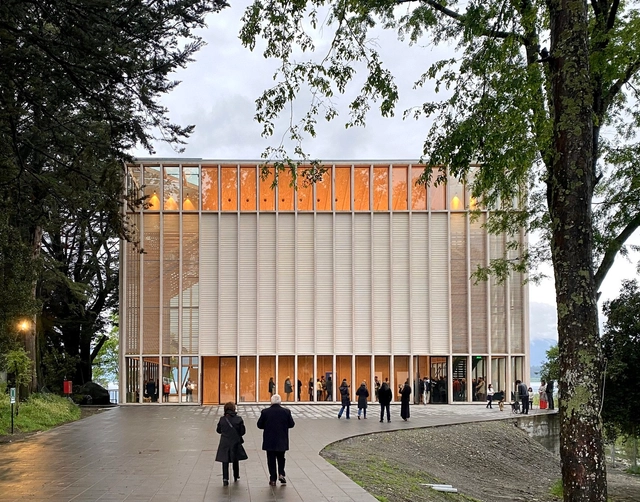
Educational Theater of the Arts of Panguipulli in Chile, Wins the Esenciales X Archdaily 2022 Award

Designed by architects Tomás Villalón, Nicolás Norero, and Leonardo Quinteros, the Educational Theater of the Arts of Panguipulli has been chosen in Chile as the winning work in the architecture category of ESENCIALES x ArchDaily 2022.