1. ArchDaily
  2. Layouts

Layouts: The Latest Architecture and News

Achieving Precision in Flexible Design: The Path to 10,000 Vertically Folding Skyfold Walls

 | Sponsored Content

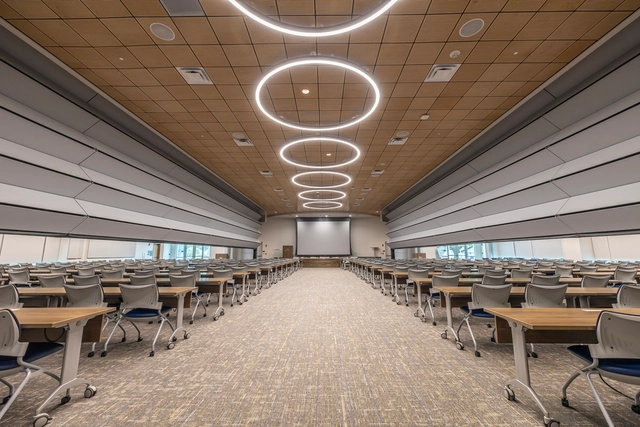
Today, our use of space—and by extension, our built environment—embraces a variety of functions, dimensions, and configurations. However, one key trait stands out: flexibility and multi-purpose design. This marks a shift from the traditional model, where spaces were rigidly defined by function, with distinct areas for working, resting, or socializing, each separated by fixed, solid walls. A key example of this shift is Skyfold's vertically folding retractable walls. With over 10,000 installations, Skyfold's operable walls redefine spatial boundaries and enhances versatility, enabling dynamic adjustments that quickly respond to evolving needs. Their widespread adoption underscores their effectiveness in addressing the challenges of modern interiors and architectural design.
Mesmerizing Zigzags: Exploring the Herringbone Pattern in Architecture

Subscriber Access | 

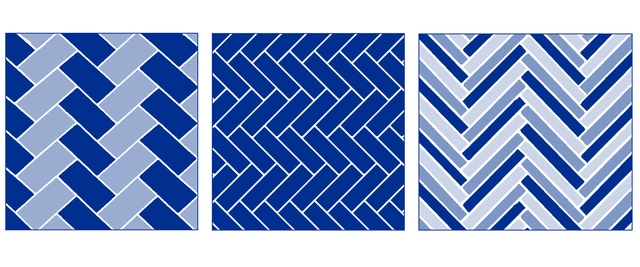
Created by a series of angled parallel lines that form a mesmerizing zigzag, the herringbone pattern has withstood the test of time and remains present in diverse design styles. Named after the resemblance to a fish's bones –a herring, for instance–, this classic V-shaped pattern arranges rectangular blocks in different proportions. With varying block edge length ratios, such as 2:1 or sometimes 3:1, the versatile design adapts to a wide range of uses, dimensions and materials. 

The arrangement of the blocks, even when used in single colors, creates a subtle texture and adds visual interest. While the herringbone arrangement may seem simple at first glance, the strong directional quality of the typically 45-degree angle lines requires a careful design process for a seamless and consistent look. The pattern can be found in walls and floors, from fabrics to wood and tiles. By playing with geometric shapes, it continues to be a trend that infuses style and structure into interior design while complementing a space's overall aesthetic. Below we dive into Architonic’s catalog to present different ways to apply it, exploring ceramic, wood, and synthetic herringbone patterns.

Movable Walls: The Transformative Effect of Retractable and Folding Partitions

 | Sponsored Content

Flexibility has become a distinctive feature of contemporary interiors, driven by factors like the evolution of architectural programs and the progressive reduction of interior spaces, among others. This transition has shifted interiors from static to dynamic, aiming to achieve a state-of-the-art balance in space configuration. This sentiment is well encapsulated by Ricardo Bofill's statement that "architecture is the art of structuring space."

Considering the intricacies of interiors, it is essential to foster versatile spaces, aided by elements such as multipurpose design and flexible furniture. However, a challenge arises: while these strategies redefine the boundaries and dynamic essence of interiors, aspects like acoustics are often overlooked, which has become crucial in environments such as offices, conference rooms, schools, auditoriums, etc. Therefore, improving acoustics becomes essential to create functional multipurpose interiors. In that sense, Skyfold’s operable walls are an interesting alternative, as their solutions can serve as both soundproofing barriers and design pieces.