1. ArchDaily
  2. Latin America

Latin America: The Latest Architecture and News

Community-Centered Architecture: Redefining the Role of Architects in South America

Subscriber Access | 

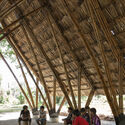
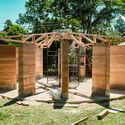
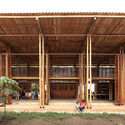
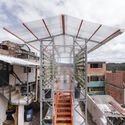
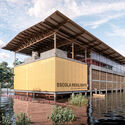
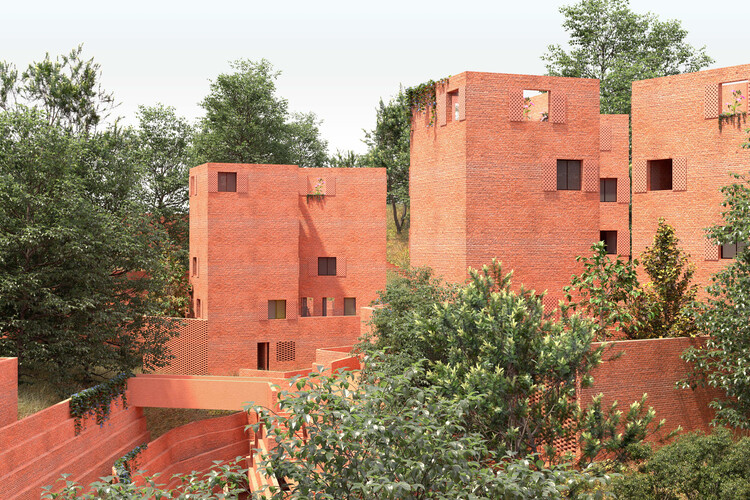
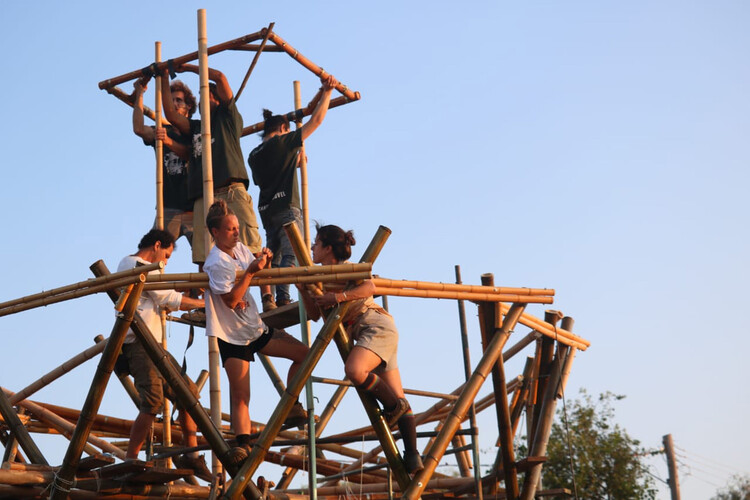
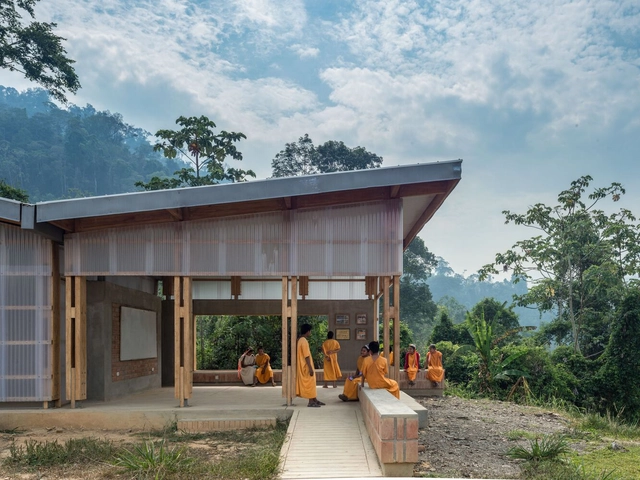
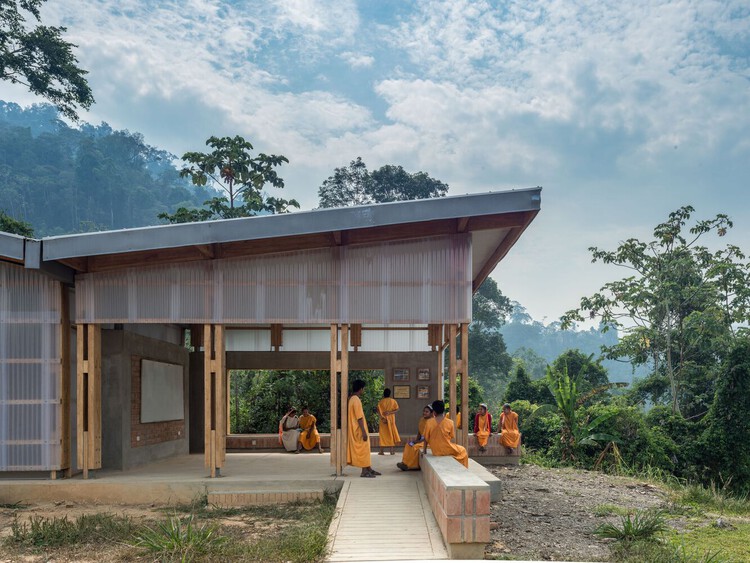
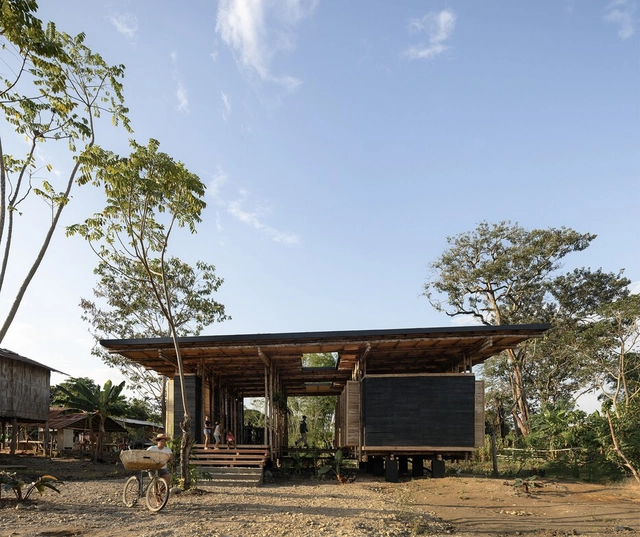
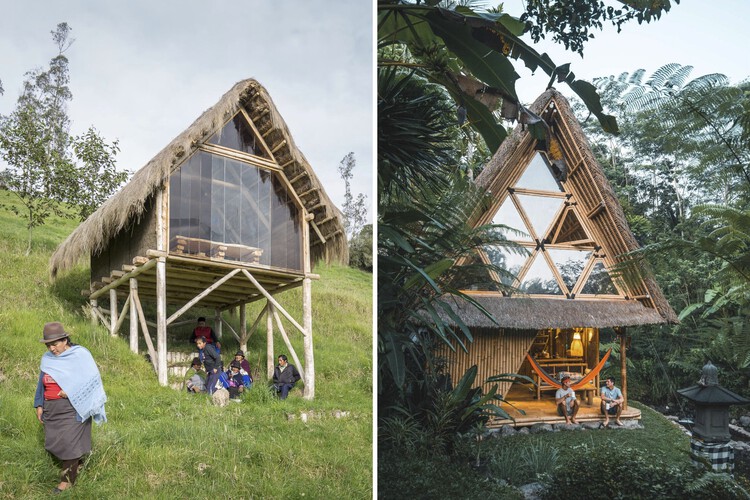
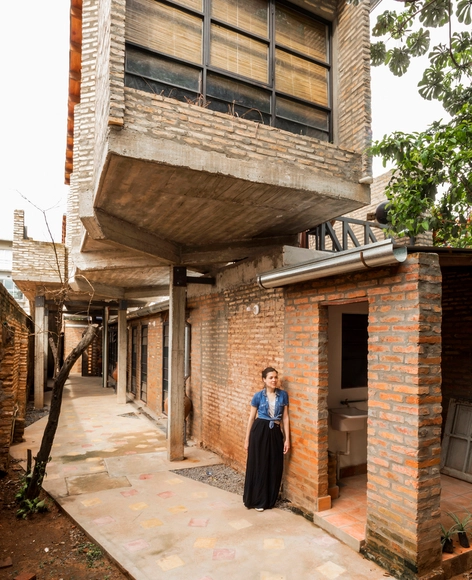
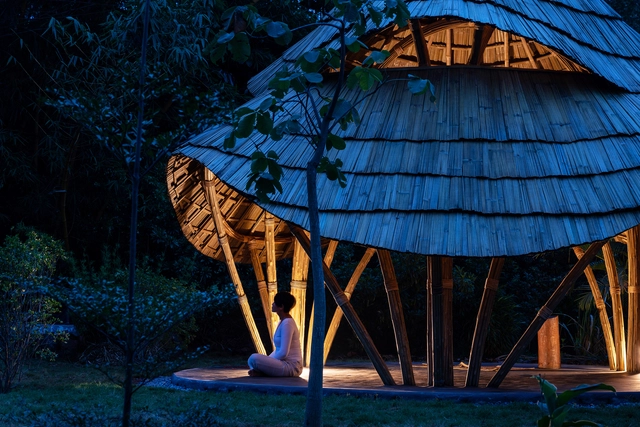
Across South America, architecture is increasingly being understood as a collective act. Rather than imposing external views, many studios and designers are building with and for communities, learning from their local practices, materials, and ways of inhabiting. These projects are repositioning the architect's role from an author to a facilitator, transforming design into a participatory process that centers collaboration, care, and mutual respect.

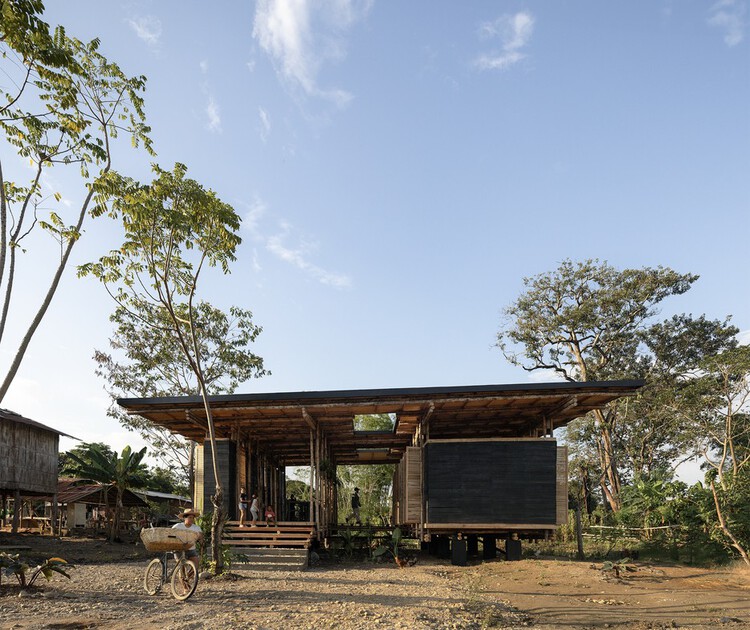
What unites these efforts is not style or scale, but a shared belief: architecture emerges from collective dialogue, not imposition. From rural Ecuador to the urban peripheries of Brazil, Colombia, and Paraguay, these projects reveal how social engagement and local making produce spaces that are sustainable not only environmentally but also socially. They respond to inequality not through top-down solutions, but through co-authorship, offering spaces that reflect the needs, knowledge, and agency of the people who use them.

Community-Centered Architecture: Redefining the Role of Architects in South America - Image 1 of 4Community-Centered Architecture: Redefining the Role of Architects in South America - Image 2 of 4Community-Centered Architecture: Redefining the Role of Architects in South America - Image 3 of 4Community-Centered Architecture: Redefining the Role of Architects in South America - Image 4 of 4Community-Centered Architecture: Redefining the Role of Architects in South America - More Images+ 15

Holcim Foundation for Sustainable Construction Reveals 20 Winning Projects of the 2025 Holcim Awards

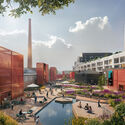
The Holcim Foundation for Sustainable Construction has announced the 20 winning projects of the 2025 Holcim Foundation Awards, recognizing contributions to sustainable design and construction across five regions: Asia Pacific, Europe, Latin America, the Middle East and Africa, and North America. This year's selection spans a broad range of scales, from a 200-square-meter semi-permanent school in a Kenyan forest to major urban regeneration initiatives in Madrid, Dhaka, and Shenzhen, reflecting the diversity and reach of sustainable architecture today. This year introduces a new Grand Prize format, replacing the traditional Gold, Silver, and Bronze rankings. Each region will now honor one Grand Prize winner, emphasizing excellence without comparison and acknowledging the diverse approaches to sustainability.

Holcim Foundation for Sustainable Construction Reveals 20 Winning Projects of the 2025 Holcim Awards - Image 1 of 4Holcim Foundation for Sustainable Construction Reveals 20 Winning Projects of the 2025 Holcim Awards - Image 2 of 4Holcim Foundation for Sustainable Construction Reveals 20 Winning Projects of the 2025 Holcim Awards - Image 3 of 4Holcim Foundation for Sustainable Construction Reveals 20 Winning Projects of the 2025 Holcim Awards - Image 4 of 4Holcim Foundation for Sustainable Construction Reveals 20 Winning Projects of the 2025 Holcim Awards - More Images+ 17

Highlights from BAL 2025: Latin American Architecture Biennial

Subscriber Access | 

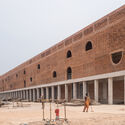
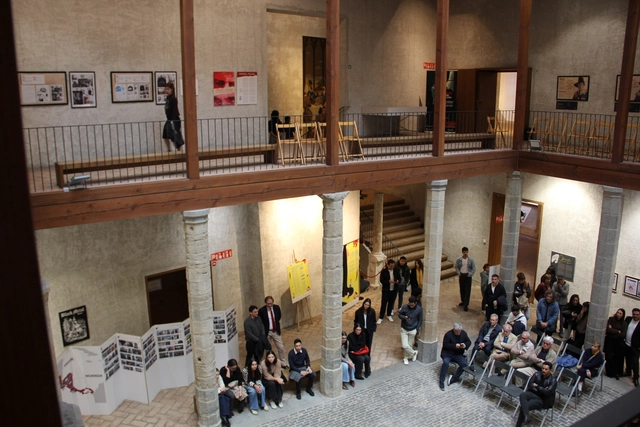
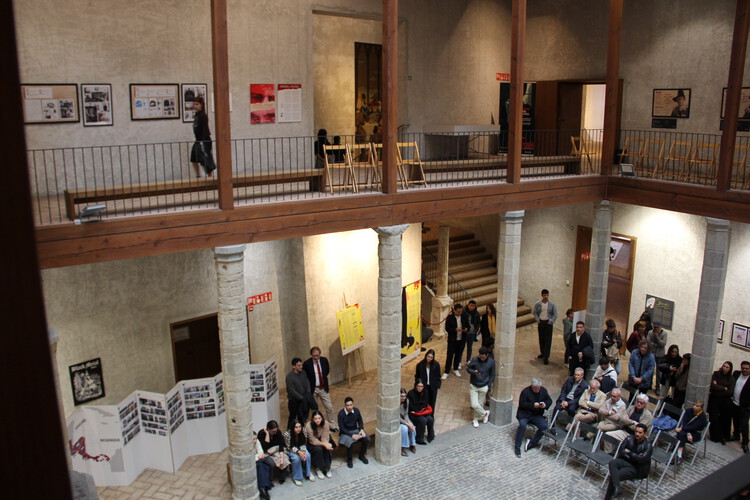
Held in Pamplona from the 23rd to the 26th of September, the 2025 Latin American Architecture Biennial (BAL) brought together emerging studios and established voices from across the continent. This year’s edition stood out for the diversity and depth of its participants: projects of striking formal and conceptual richness, developed by young yet remarkably mature offices. Together, they reflected the vitality of today’s Latin American architecture — thoughtful, inventive, and deeply aware of its context.

Highlights from BAL 2025: Latin American Architecture Biennial - Image 1 of 4Highlights from BAL 2025: Latin American Architecture Biennial - Image 2 of 4Highlights from BAL 2025: Latin American Architecture Biennial - Featured ImageHighlights from BAL 2025: Latin American Architecture Biennial - Image 3 of 4Highlights from BAL 2025: Latin American Architecture Biennial - More Images+ 30

Tradition, Innovation and Experimentation: Contemporary Mexican House Through the Lens of Edmund Sumner

Subscriber Access | 

Blending vernacular techniques with contemporary experimentation, Mexico's architectural landscape is shaped by a continuous dialogue between tradition, materiality, and modernity. As the fifth most biodiverse country in the world, Mexican architecture seeks to respond to its vast range of natural environments, climates, and cultural traditions, all within a territory marked by striking contrasts. Reflecting a visible duality, it can embody both exclusivity and act as a catalyst for social transformation.

Tradition, Innovation and Experimentation: Contemporary Mexican House Through the Lens of Edmund Sumner - Image 1 of 4Tradition, Innovation and Experimentation: Contemporary Mexican House Through the Lens of Edmund Sumner - Image 2 of 4Tradition, Innovation and Experimentation: Contemporary Mexican House Through the Lens of Edmund Sumner - Image 3 of 4Tradition, Innovation and Experimentation: Contemporary Mexican House Through the Lens of Edmund Sumner - Image 4 of 4Tradition, Innovation and Experimentation: Contemporary Mexican House Through the Lens of Edmund Sumner - More Images+ 20

Teaching Empathy: New Approaches to Architecture Education in Latin America

Historically, the first universities in the contemporary model were established in Europe to educate elites for the State and the Church, rather than to promote social emancipation. With the rise of capitalism, they became privileged centers for producing and reproducing modern Western culture. However, from the 1960s onward—particularly after the student uprisings of May 1968—the academic focus shifted toward market-oriented values, displacing humanist and critical ideals. The humanities lost prominence, while technical fields gained central importance, often at the expense of reflecting on the social impact of their work.

Teaching Empathy: New Approaches to Architecture Education in Latin America - Image 1 of 4Teaching Empathy: New Approaches to Architecture Education in Latin America - Image 2 of 4Teaching Empathy: New Approaches to Architecture Education in Latin America - Image 3 of 4Teaching Empathy: New Approaches to Architecture Education in Latin America - Featured ImageTeaching Empathy: New Approaches to Architecture Education in Latin America - More Images+ 6

Insights from La Feria De Diseño Medellín: Well-Being, Innovation, and Global Design Perspectives

 | Sponsored Content

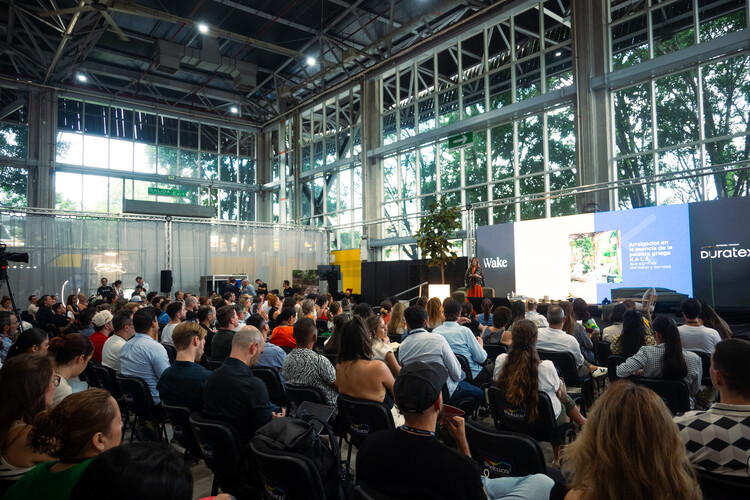
Asking questions is the first step toward challenging what we take for granted and opening up new possibilities for planning and building. These questions, valuable in themselves, gain new strength when shared and examined through different perspectives. As they intersect with the experiences of professionals and brands, they weave together viewpoints that enrich the discussion. Design fairs and events around the world have become spaces where these conversations gain momentum, fostering connections and encouraging collaborative dynamics. In this landscape, Colombia has emerged as a hub, serving as a platform that promotes architecture and design across Latin America and the Caribbean while bringing the region's voice to the global stage.

Insights from La Feria De Diseño Medellín: Well-Being, Innovation, and Global Design Perspectives - Image 7 of 4Insights from La Feria De Diseño Medellín: Well-Being, Innovation, and Global Design Perspectives - Image 2 of 4Insights from La Feria De Diseño Medellín: Well-Being, Innovation, and Global Design Perspectives - Image 12 of 4Insights from La Feria De Diseño Medellín: Well-Being, Innovation, and Global Design Perspectives - Image 4 of 4Insights from La Feria De Diseño Medellín: Well-Being, Innovation, and Global Design Perspectives - More Images+ 8

Rural Lab: Latin America's Countryside as a Space for Experimentation

What if the future of architecture lies not in the cities, but beyond them? For decades, urbanization has dominated both discourse and statistics. We are constantly bombarded with data confirming the prevalence of urban life, but we rarely ask the opposite question: what did those who moved to the cities leave behind? What remains alive and evolving far from urban centers?

The countryside—long underestimated—is now emerging as fertile ground for possibility. More than a “marginalized space,” rural Latin America today asserts itself as a true laboratory for architectural, social, and ecological experimentation. From agroecological communities to low-impact technologies, from relationships between humans, machines, and other living beings to locally grounded solutions for global challenges—such as the climate crisis, food security, and migration—the rural world is actively and inventively reshaping its own future.

Rural Lab: Latin America's Countryside as a Space for Experimentation - Image 7 of 4Rural Lab: Latin America's Countryside as a Space for Experimentation - Image 1 of 4Rural Lab: Latin America's Countryside as a Space for Experimentation - Image 8 of 4Rural Lab: Latin America's Countryside as a Space for Experimentation - Image 10 of 4Rural Lab: Latin America's Countryside as a Space for Experimentation - More Images+ 9

Foster + Partners Designs High-Rise Office Tower for Sudameris Bank in Asunción, Paraguay

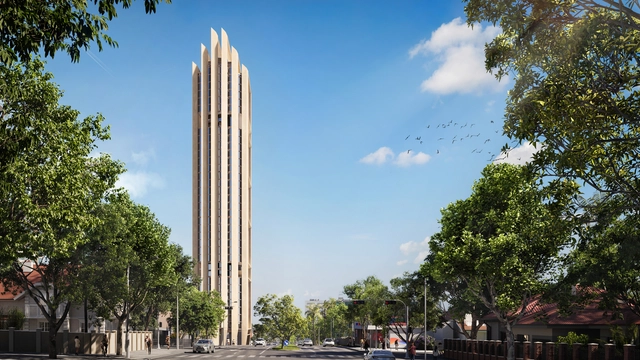
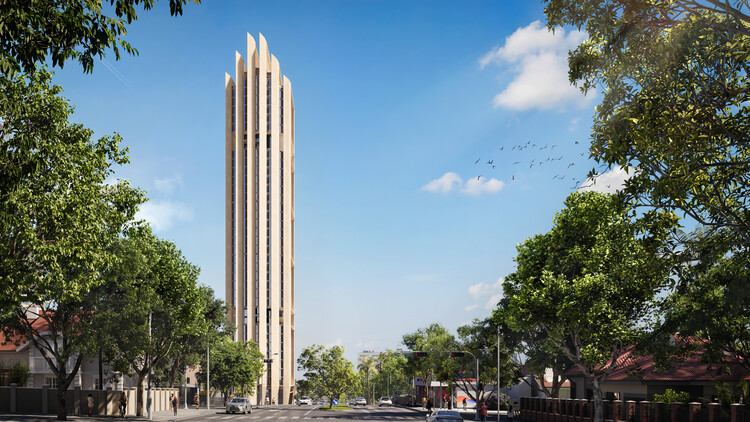
Foster + Partners has won an international competition to design the headquarters of Sudameris Bank in Asunción, Paraguay. The project, named Sudameris Plaza, is a 39-storey office tower featuring an exposed concrete frame and an angular form. It includes a landscaped plaza, art gallery, auditorium, and a large public garden at the tower's base. The studio aims to integrate greenery throughout the shared spaces of the building, fostering a strong connection with nature from within the tower.

Foster + Partners Designs High-Rise Office Tower for Sudameris Bank in Asunción, Paraguay - Image 1 of 4Foster + Partners Designs High-Rise Office Tower for Sudameris Bank in Asunción, Paraguay - Image 2 of 4Foster + Partners Designs High-Rise Office Tower for Sudameris Bank in Asunción, Paraguay - Image 3 of 4Foster + Partners Designs High-Rise Office Tower for Sudameris Bank in Asunción, Paraguay - Image 4 of 4Foster + Partners Designs High-Rise Office Tower for Sudameris Bank in Asunción, Paraguay - More Images+ 1

From Extraction to Regeneration: Architecture's Role in Rural Developments in Latin America

Rural areas have long played a foundational role in the social and economic development of nations. Until the 18th century, they were the primary sites of production and social organization. However, the Industrial Revolution brought profound structural shifts that reshaped this landscape. Industry took center stage, anchoring itself in urban environments and establishing a hierarchical, binary view of rural versus urban, agriculture versus industry. Within this new paradigm, two opposing narratives gained prominence: one predicted the decline of rural life in the face of urbanization and economic progress; the other envisioned its persistence and eventual renewal. Today, it is clear which of these predictions has come to pass.

From Extraction to Regeneration: Architecture's Role in Rural Developments in Latin America - Image 1 of 4From Extraction to Regeneration: Architecture's Role in Rural Developments in Latin America - Image 2 of 4From Extraction to Regeneration: Architecture's Role in Rural Developments in Latin America - Image 3 of 4From Extraction to Regeneration: Architecture's Role in Rural Developments in Latin America - Image 4 of 4From Extraction to Regeneration: Architecture's Role in Rural Developments in Latin America - More Images+ 9

Crossing Hemispheres: Thatched Roofs from America to Asia

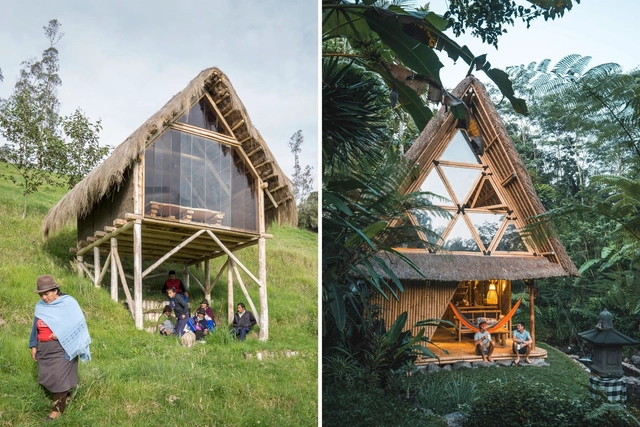
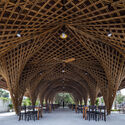
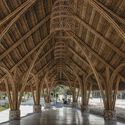
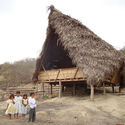
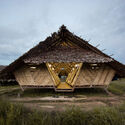
Thatching is a traditional building technique that has been reinterpreted in different ways in contemporary projects, allowing its value to continue to endure over time. As well as being a culturally and historically valuable technique, given its presence in humanity for centuries, it also has a number of other constructive advantages, such as its great environmental value, as it is an accessible renewable material.

The technique consists of grouping, intertwining, and overlapping dry vegetation, creating light surfaces with excellent thermal and sound insulation and which are cheap and relatively simple to build. In addition, flexibility is one of the technique's most prominent features, and it is particularly popular in roofing applications. 

Crossing Hemispheres: Thatched Roofs from America to Asia - Image 1 of 4Crossing Hemispheres: Thatched Roofs from America to Asia - Image 2 of 4Crossing Hemispheres: Thatched Roofs from America to Asia - Image 3 of 4Crossing Hemispheres: Thatched Roofs from America to Asia - Image 4 of 4Crossing Hemispheres: Thatched Roofs from America to Asia - More Images+ 16

UMWELT and Plan Común to Transform Partially Demolished Housing Block Into a Museum in Villa San Luis, Chile

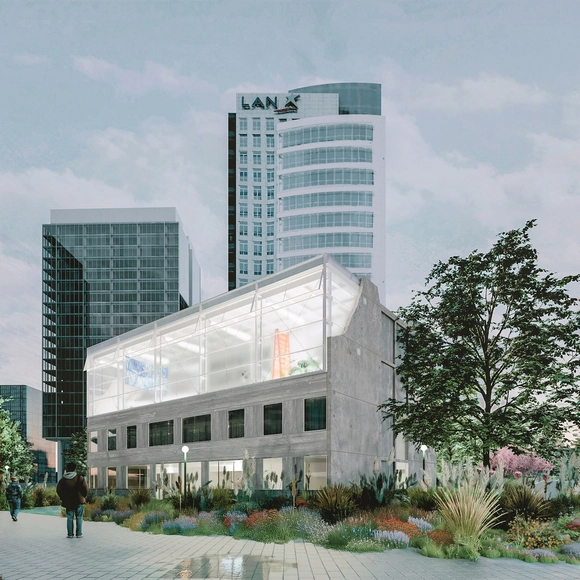
The residential project Villa San Luis, originally named Villa Compañero Ministro Carlos Cortés, was built between 1971 and 1972 on land that today lies in one of the highest-income areas of Santiago, Chile. Initially designed as an urban center for 60,000 middle-income residents, with staggered buildings and a civic center covering 3.4 of its 50 hectares, the project was redefined in the 1970s to accommodate the unhoused population in the eastern sector of the Chilean capital. The process was not without conflict. During the dictatorship, the new residents of the complex were evicted, and the land was acquired by the military. From then on, the complex entered a process of reappropriation and resignification that now appears to be reaching a new milestone: the conversion of one of its buildings into a memorial site and museum, through a project by UMWELT and Plan Común.

UMWELT and Plan Común to Transform Partially Demolished Housing Block Into a Museum in Villa San Luis, Chile - Image 1 of 4UMWELT and Plan Común to Transform Partially Demolished Housing Block Into a Museum in Villa San Luis, Chile - Image 2 of 4UMWELT and Plan Común to Transform Partially Demolished Housing Block Into a Museum in Villa San Luis, Chile - Image 3 of 4UMWELT and Plan Común to Transform Partially Demolished Housing Block Into a Museum in Villa San Luis, Chile - Image 4 of 4UMWELT and Plan Común to Transform Partially Demolished Housing Block Into a Museum in Villa San Luis, Chile - More Images+ 5

Building with Communities: Rural Schools That Integrate Local Techniques and Materials in Latin America

Subscriber Access | 

In an effort to foster a sense of belonging among its inhabitants, to value ancestral cultures, and to preserve identity, the Latin American region embraces an architecture rich in nuances and regional characteristics. The use of local materials and construction techniques, or the dialogue between modular and vernacular approaches, among other aspects, reflect the intention to promote the involvement of native communities, students and their families, Iindigenous peoples, and local builders in the design and construction processes of a wide variety of rural schools throughout Latin America.

Architecture and Spirituality: 12 Churches and Chapels in Latin America

Subscriber Access | 

Latin America is home to the largest Catholic population in the world—more than 25% of all Catholics globally live on this continent. Here, faith has shaped not only spiritual life but also cities' cultural, social, and urban fabric. Since the first temples, built during European colonization, the architecture of Catholic churches in the region has undergone profound transformations. The once-imposing features of colonial Baroque and richly ornamented façades have gradually given way to bolder, more contemporary expressions that reflect local realities, a search for identity, and a spirit of architectural experimentation.

Architecture and Spirituality: 12 Churches and Chapels in Latin America - Image 1 of 4Architecture and Spirituality: 12 Churches and Chapels in Latin America - Image 2 of 4Architecture and Spirituality: 12 Churches and Chapels in Latin America - Image 3 of 4Architecture and Spirituality: 12 Churches and Chapels in Latin America - Image 4 of 4Architecture and Spirituality: 12 Churches and Chapels in Latin America - More Images+ 11

Unpolished Narratives: Exposed Materials in Latin American Affordable Housing

Subscriber Access | 

What makes a building architecture? The eternal debate over what distinguishes architecture from mere utilitarian construction has often included affordable and social housing as an influential topic, sparking different points of view. This question is particularly significant in the Latin American context, where unique conditions go beyond cost concerns, whether imposed or unavoidable. Limited access to financing, the prevalence of self-construction, and the spread of informal settlements are interconnected factors shaping the built environment. These dynamics foster an aesthetic that, for some, challenges notions of good architecture, manifesting in urban landscapes where exposed materials become a defining feature.

Architectures of Care: Healing Spaces Across Cultures

Around the world, different cultures have developed unique ways of understanding and experiencing healing. Far from being merely a physical process, healing encompasses emotional, spiritual, social, and architectural dimensions. Healing spaces—whether physical, symbolic, or natural—reflect each culture's values, beliefs, and ways of life. Exploring these cultural approaches not only broadens our perspective on health but also encourages us to reconsider how we design environments that nurture care and well-being.

Architectures of Care: Healing Spaces Across Cultures - Image 1 of 4Architectures of Care: Healing Spaces Across Cultures - Image 2 of 4Architectures of Care: Healing Spaces Across Cultures - Image 3 of 4Architectures of Care: Healing Spaces Across Cultures - Image 4 of 4Architectures of Care: Healing Spaces Across Cultures - More Images+ 12

Living and Creating: 12 Homes with Art Studios in Latin America

Subscriber Access | 

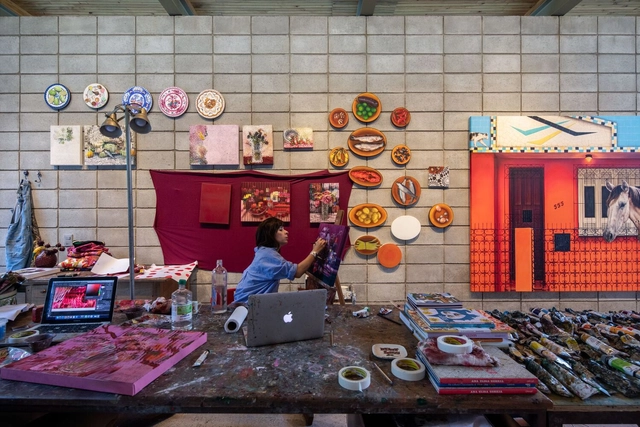
The spaces where artists create their work reveal a great deal about their creative journey—their techniques, themes, and inspirations. These places hold memories, intimacy, and emotional connections. For some artists, the studio is a secluded space, free from distractions. For others, it is a place for openness and freedom. Often, the studio becomes the home—or the home becomes the studio—blending function, desire, and necessity. Positioned at the crossroads of living and creating, leisure and work, these spaces fascinate art lovers. Many are later recreated in galleries or transformed into museums. Regardless of the artist’s fame, these spaces offer a unique look into the creative process, the artwork, and the artist's identity.

Living and Creating: 12 Homes with Art Studios in Latin America - Image 1 of 4Living and Creating: 12 Homes with Art Studios in Latin America - Image 2 of 4Living and Creating: 12 Homes with Art Studios in Latin America - Image 3 of 4Living and Creating: 12 Homes with Art Studios in Latin America - Image 4 of 4Living and Creating: 12 Homes with Art Studios in Latin America - More Images+ 12

Representatives of Latin American Art and Architecture Gather at the No-Biennial in Ecuador

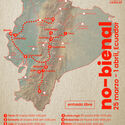
Happening throughout 8 days across 12 cities from north to south of Ecuador, the "no-bienal" biennale is holding its second edition from March 25 to April 1, 2025. Its unique name is devised to stand in opposition to the competitive structure that characterizes traditional biennials in the discipline. One of the objectives of this new edition is to demonstrate that there is unity in Ecuador, resisting the political strategies of division. Escuela Radical, the educational collective at the center of the event's organization, asserts that "it is not about centralization or decentralization, but simply about sharing without competing."


Representatives of Latin American Art and Architecture Gather at the No-Biennial in Ecuador - Image 1 of 4Representatives of Latin American Art and Architecture Gather at the No-Biennial in Ecuador - Image 2 of 4Representatives of Latin American Art and Architecture Gather at the No-Biennial in Ecuador - Image 3 of 4Representatives of Latin American Art and Architecture Gather at the No-Biennial in Ecuador - Image 5 of 4Representatives of Latin American Art and Architecture Gather at the No-Biennial in Ecuador - More Images+ 3

Refuges in the Latin American Jungle: 7 Lodges to Connect With Nature

Subscriber Access | 

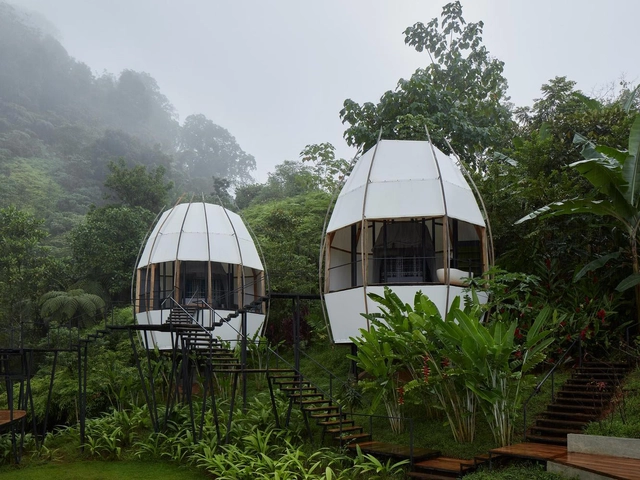
Many people living in large urban centers have, at some point, wished to trade the chaos of city life for the calm and tranquility of nature. As the desire for such experiences grows, Latin American countries' tourism and hospitality sectors have been investing in resorts nestled within forests. Inspired by eco-tourism, these retreats are designed to blend seamlessly into their surroundings, using local materials and traditional techniques that respect the ecosystem and promote sustainability.

Refuges in the Latin American Jungle: 7 Lodges to Connect With Nature - Image 1 of 4Refuges in the Latin American Jungle: 7 Lodges to Connect With Nature - Image 2 of 4Refuges in the Latin American Jungle: 7 Lodges to Connect With Nature - Image 3 of 4Refuges in the Latin American Jungle: 7 Lodges to Connect With Nature - Image 4 of 4Refuges in the Latin American Jungle: 7 Lodges to Connect With Nature - More Images+ 6