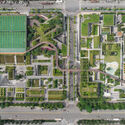
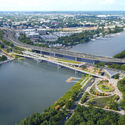
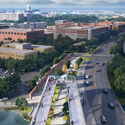
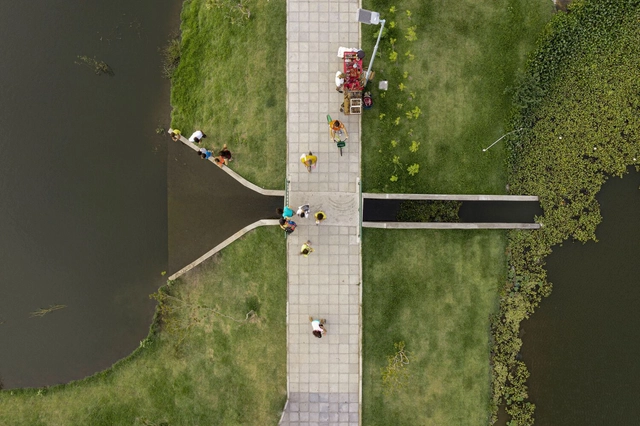
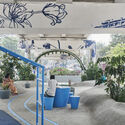
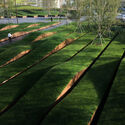
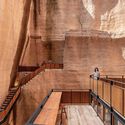
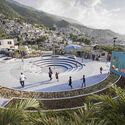
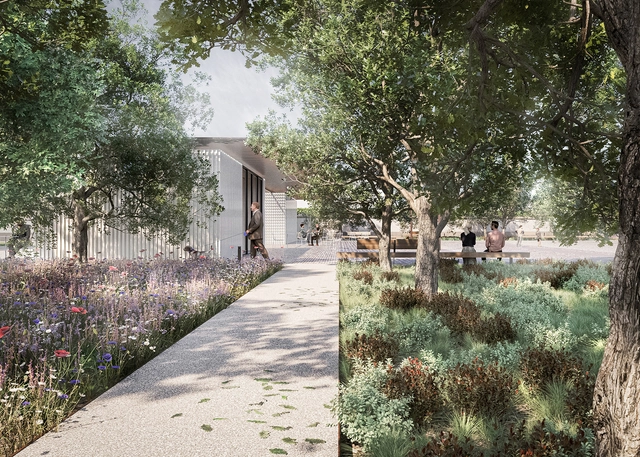
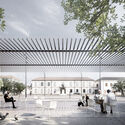
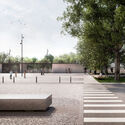
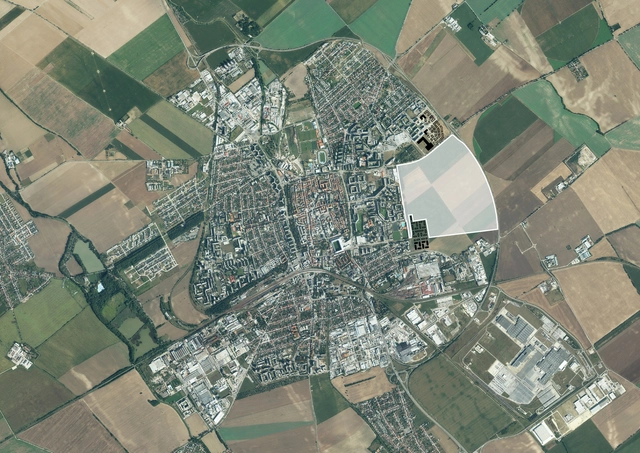
Ghisellini Architects, in collaboration with Lucrezia Alemanno and Paolo Beniamino De Vizzi has unveiled the redevelopment and complete redesign project for the new Piazza Francesca Cabrini in Livraga, Italy. Located about 45 kilometers southeast of Milan, the municipality of Livraga set out to transform the currently degraded public space and transform it into an attractive gathering place with site-specific environmental and landscaping features. Construction is expected to begin in August 2023 and is scheduled for competition in 2024.
Landscape architecture is having a moment. The latest proof: last week, the US Department of Homeland Security decided to accredit the field with its prestigious STEM designation. As part of the science, technology, engineering, and mathematics (STEM) educational disciplines that fall under this category, landscape architecture students can now spend an additional 24 months seeking employment and training post-graduation in the United States after an initial period of a year granted to all graduates. The title also promises more prestige, higher entry salaries, and additional career flexibility. Torey Carter-Conneen, CEO of the American Society of Landscape Architects (ASLA), calls the development a significant advancement for 'landscape architecture education and practice, and that is great for America and the global community.'
The news corresponds to a growing emphasis on landscape architecture as a pivotal practice around the globe in recent years – one that is closely connected to notions of public health, environmental design, biophilia, sustainability, and re-wilding. It also underlines the intimate relationship between technology and the discipline. Landscape proposals increasingly rely on advanced science and technology to predict how ecological interventions might alter an existing terrain and determine what measures will yield the highest benefit for both humans and nature. The contemporary ideal of wild meadows and biodiverse forests may exist free from external influence, but the path to get there requires assistance.
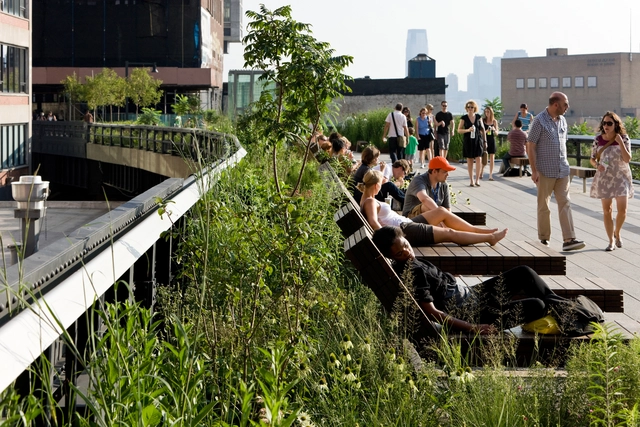
Biophilia, or love for life and nature, inspires architects around the world to create spaces that deeply connect with natural elements. These architectural projects seek to reintroduce nature into built environments, resulting in spaces that promote well-being, health, inspiration, and even productivity. In Brazil, the possibilities are even broader, given the country's exuberant climate and the vegetation found in various biomes. In this article, we will explore seven projects from different programs that embrace this concept and allow for a symbiosis between architecture, humans, and nature.
Trnava, the regional vision-having city of 62,000 inhabitants, launches an international two-stage urban design competition of an unprecedented scale across Slovakia. From the point of the history of the city ̓s development, this is a game-changer to be setting a new standard with respect to the preparation of The Land-use plan.
A healthy environment that is also visually appealing in our homes has become increasingly sought when it comes to designing houses and residential spaces, especially during the world’s current context. One of the most successful ways of achieving this is through a thoughtful design of the landscape that complements the built project. The art of landscaping is the arrangement of nature’s raw material elements, like vegetation and planting, combined with nonliving elements, such as exterior structures, paving, and decking, in order to create site-specific solutions that enhance the exterior spaces of a project.
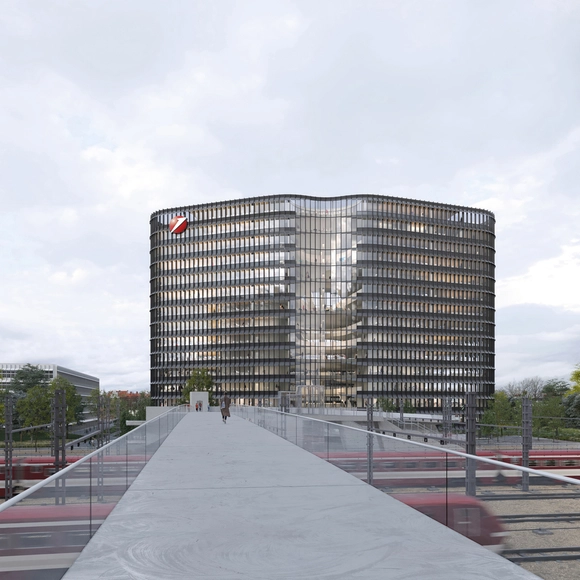
Sauerbruch Hutton has won the competition for Headquarters 2 (HQ2) for the Haidenauplatz Quarter in Munich. This high-rise building will be the focal point of the newly developing Haidenauplatz district in Eastern Munich. Serving as HypoVereinsbank's second central location, it will stand alongside the iconic Hypo high-rise from the 1970s in the neighboring Bogenhausen district. The design by Sauerbruch Hutton and landscape architect MDP Michel Desvigne Paysagiste was chosen from a pool of nine other international participants.
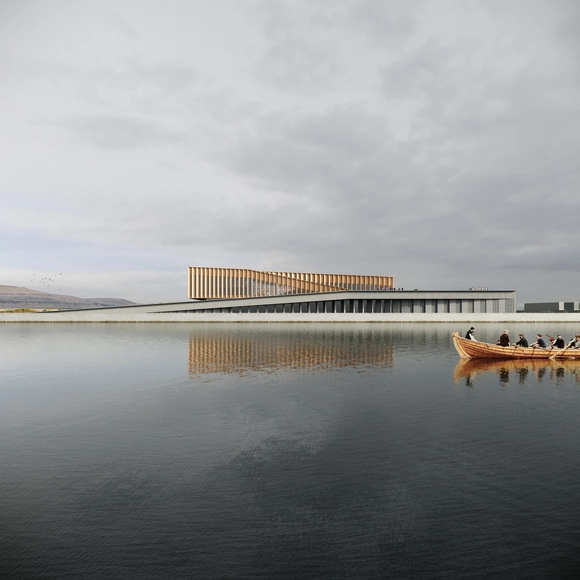
Henning Larsen has just revealed the design for Smyril Line's new headquarters and ferry terminal in Torshavn, the capital of the Faroe Islands. The building pays homage to traditional Faroese fishing boats and the historic Eastern harbor while embracing the picturesque backdrop of abundant landscapes and open seas. The new headquarters serves three functions: a ferry terminal, an office building, and a logistics center.
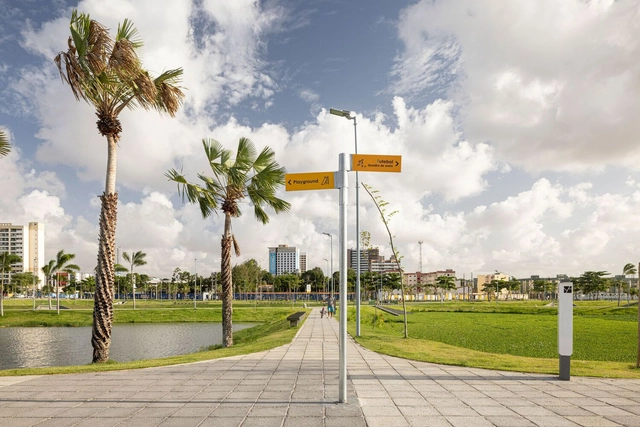
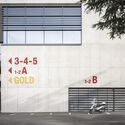
It’s easy to feel lost and anxious in a new environment. Even with the satellite-accurate quality of modern map apps in our back pockets, modern humans still get stressed when their internal map of the immediate area draws a blank.
While digital maps help us to find the fastest route through streets, when our need for direction is most urgent – such as finding the right department in a vast hospital campus, the relief of a toilet in a foreign airport, or the right platform 30 seconds before a train departs – even with innovative IPS technology, digital interfaces still come a distant second to well-placed signs or other, more intuitive, solutions.
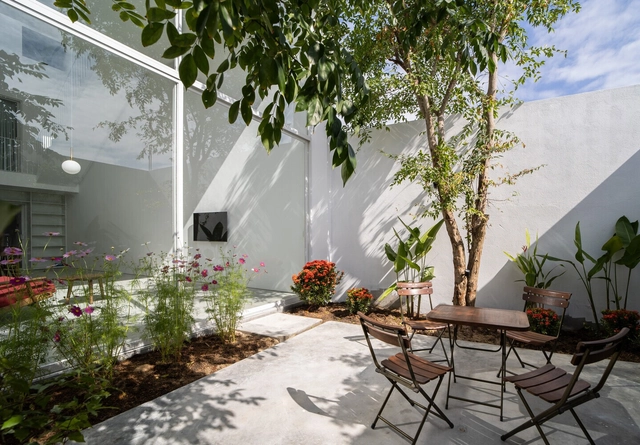
The origin of interior courtyards dates back several years, serving as a means of shelter, security, and protection, while also aiming to achieve comfort and well-being through exterior elements. In contemporary housing, a wide range of possibilities is deployed, capable of accommodating various uses and activities that foster the relationship between the interior and exterior environment. Furthermore, notions of energy efficiency, thermal regulation, ventilation, and natural lighting are incorporated, among others.
What role does landscaping play in contemporary housing? In what ways can architecture and landscaping be integrated into a whole? Considering the incorporation of landscaping from the beginning of the architectural project has become a defining aspect and even a challenge for many architects, aiming to improve the quality of life of their inhabitants and contribute to the protection and care of the environment.
On numerous occasions and within the Latin American setting, nature appears as a protagonist or founding principle of the proposed architectural design, involving reasons related to promoting the relationship with the surrounding environment, incorporating native species of the site, and enhancing the connection between the interior and exterior, among others. Although there are different ways of planning, organizing, and arranging the layout of environments in contemporary housing, the dialogue between architecture and landscape can collaborate with the uses, activities, and circulations determined based on the needs to be met or the users to be accommodated.
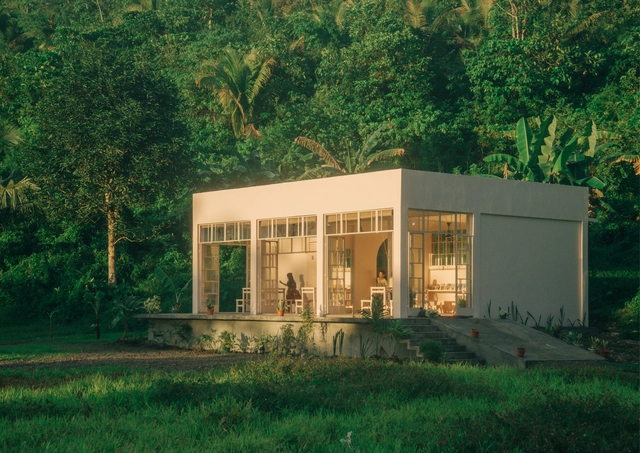
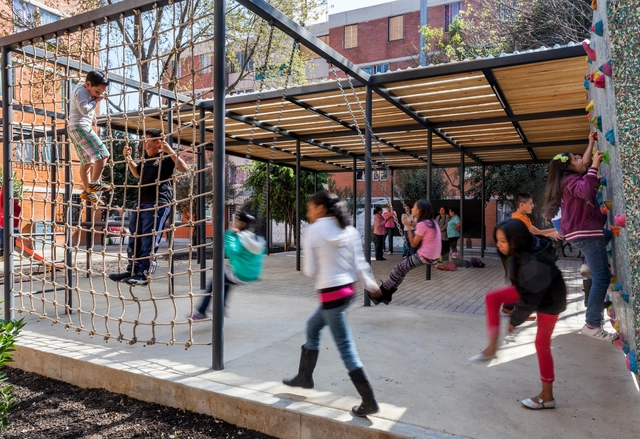
Children's Learning Center, Mas-in Village / Native Narrative. Image
Since the first civilizations, nature has been a fundamental pillar to serve humanity as a natural habitat, offering shelter, food, and medicine. In modern times, industrial and technological revolutions have taken over the landscape, reshaping the way humans interact with nature. However, today and due to the events that we have experienced as a society, it is necessary to focus on creating cities and spaces that integrate nature into everyday life.
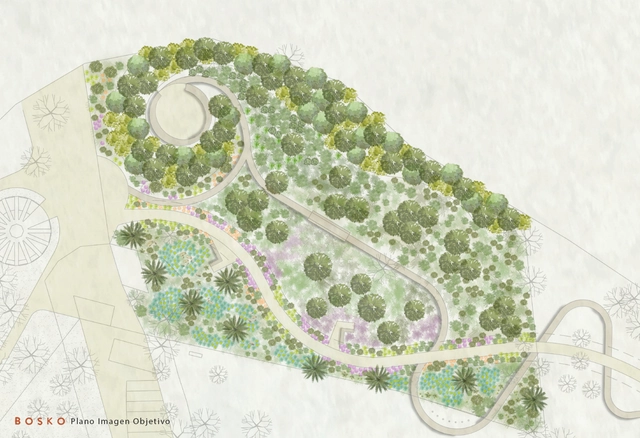
Jardín Nativo Adriana Hoffmann, Museo Interactivo Mirador (MIM) en Santiago de Chile. Image Cortesía de Bosko
During the 19th century, efforts to improve the quality of urban life focused on creating gardens and parks, marking the beginning of the evolution of landscaping as a modern discipline. However, despite remarkable examples worldwide, excessive structure and artificiality in urban parks have gone against the motivations that gave rise to them. In many cases, their design has resulted in decontextualized and inefficient public spaces that are highly demanding on resources and far from being truly sustainable.
The strict use of geometry and the imposition of species that are difficult to adapt and care for are gradually giving way to a more organic approach to landscaping, tailored to local ecosystems and more efficient in its development and conservation. Native forests embody all these positive aspects. They not only ecologically restore degraded areas but also improve air quality and retain rainwater, creating biodiverse green spaces that deeply connect people with nature. We spoke with Magdalena Valdés, founder and director of Bosko, who explains why native forests are the right path towards conscious and truly ecological landscaping.
“How do we ensure new parks don’t cause ‘green gentrification,’ which can lead to the exclusion and displacement of underserved communities? How can we ensure we don’t displace the communities that new parks are meant to serve?,” asked Dede Petri, CEO of the Olmsted Network (formerly the National Association of Olmsted Parks), during an Olmsted 200 event.
New parks are meant to be accessible to everyone, but in many urban areas, developer-driven parks mostly attract wealthier Americans. Cities benefit from increased development adjacent to these new parks, bringing in higher tax revenues, but that raises questions about whether these spaces can, in effect, lead to community displacement.
https://www.archdaily.com/997686/new-strategies-for-preventing-green-gentrificationJared Green
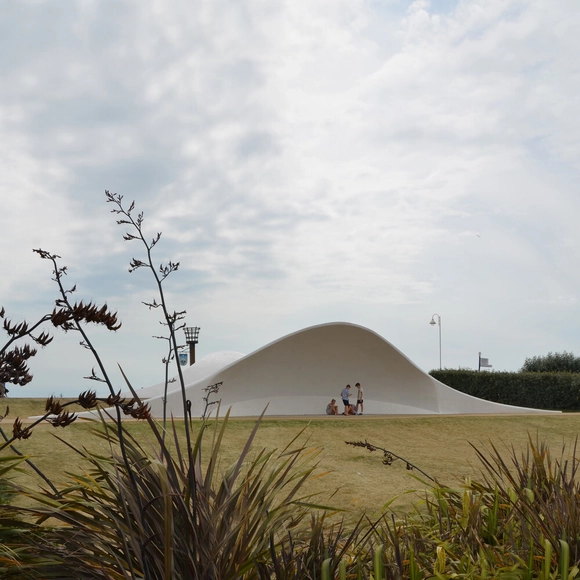
Acoustic Shells / Flanagan Lawrence. Image Courtesy of Flanagan Lawrence
Have you ever considered the sounds of cars and buses whizzing down the road as you walk downtown? Or the feeling you get when heading toward the theater? Each scenario has a certain something that appeals to big-city living. Streams of music wafting from the window, people having conversations, horns honking, and people running to their next destination are pieces of a city no one can deny — they make up the foundation of urban living.
Although big-city living offers many excellent benefits, there are times when peace and quiet can be a welcome respite to everything going on. Sometimes, people want to get away and bond with nature without driving for miles.
Besides reflecting the aspirations of a society, public spaces also configure the scenarios in which new ideas of coexistence and the collective can emerge from their qualities. Thinking about the streets, squares, parks, and even nature is a way of dealing with common ideals and ensuring the social dynamics in the relationship between bodies and the environment.
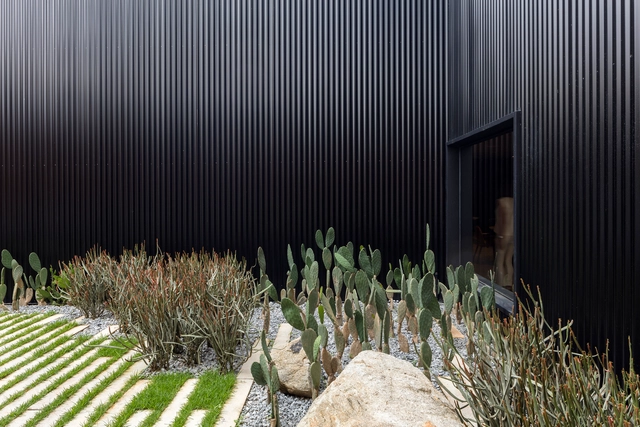
Taking care of a plant is not always easy. There are species that must be watered daily, while others can go for a longer period without any contact with water. By looking for the latter, it is possible to design landscaping that considerably reduces maintenance - including the amount of pruning and watering, for example - and water consumption, making it easier for greenery to exist without major headaches: a dry garden.
The International Placemaking Week, presented by Project for Public Spaces (PPS) is an inspiring and engaging event designed as a global gathering of placemakers from different sectors to discuss thoughts and share strategies in order to push forward the concept of placemaking in the host city and on an international level. Previous editions took place in Vancouver in 2016, Amsterdam in 2017, and Chattanooga, Tennessee in 2019.
PPS, the nonprofit organization behind Placemaking Week, helps people create and sustain public spaces that build strong communities. In 1999, they elaborated “How to turn a place around”, a book that defined the placemaking movement, creating a guideline of 11 principles to follow in order to create vibrant community spaces.
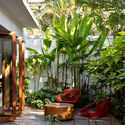
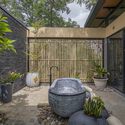
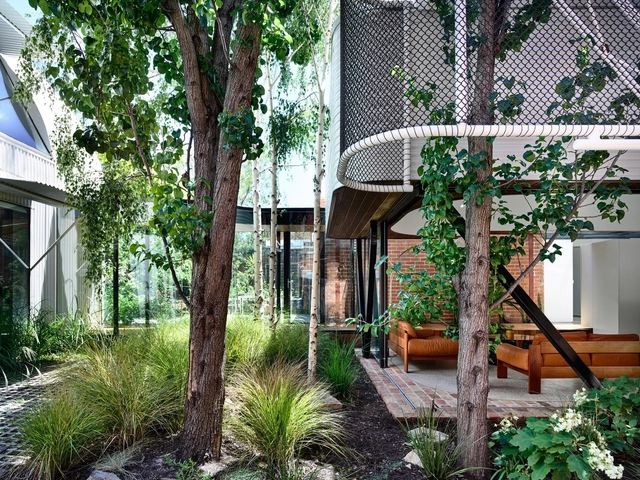
In urban centers, houses rarely have a large backyard to create a leisure or living area, that's why we have gathered some examples that have managed to occupy these areas, improving the connection between interior and exterior and enhancing their users' comfort.







_Frans_Parthesius__-_02_Villa_Fifty-Fifty_Design_Studioninedots_Photography_Frans_Parthesius.jpg?1620679031 "© Frans Parthesius")
_Jeremias_Thomas_MeMo_House_IMG_2037_01.jpg?1620678960 "© Jeremias Thomas")

_Peter_Eckert_01_-_04_Hood_River_Residence.jpg?1620679227 "© Peter Eckert")