

Landscape Architecture: The Latest Architecture and News
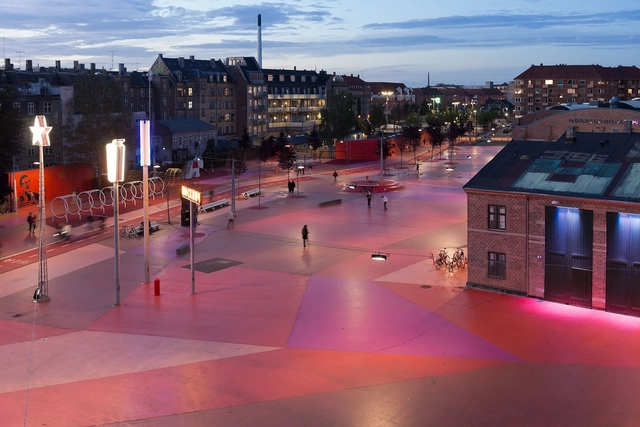
Superkilen / Topotek 1 + BIG Architects + Superflex


https://www.archdaily.com/286223/superkilen-topotek-1-big-architects-superflexDaniel Sánchez
MVVA and Thomas Phifer to transform Austin's downtown with Waller Creek redesign

Michael Van Valkenburg Associates (MVVA) and Thomas Phifer & Partners have been announced as winners of an international competition set to transform 15 blocks of the neglected Waller Creek in downtown Austin, Texas, into a vibrant local attraction. Co-sponsored by the nonprofit Waller Creek Conservancy and the City of Austin, the ambitious project intends to spearhead redevelopment within the city’s central business district with the 1.5 mile urban scheme that represents approximately 11 percent of Austin’s downtown.
“Today, we glimpse a transformation of Austin through a new community gathering place. This design team selection illustrates our City’s desire for great civic space, unique culture and opportunity for interaction with nature,” Austin Mayor Pro Tem Sheryl Cole said during the City Hall announcement. “We look forward to each new milestone of this development.”
https://www.archdaily.com/285985/mvva-and-thomas-phifer-to-transform-austins-downtown-with-waller-creek-redesignKarissa Rosenfield
Camera Obscura / AA Visiting School Eugene 2012

A small group of diverse students participating in the inaugural AA Visiting School Eugene were given the responsibility to design and build something that would enhance and reflect the forest, within a ten-day timeframe.
More on the Camera Obscura after the break.


https://www.archdaily.com/282952/camera-obscura-aa-visiting-school-eugene-2012Megan Sveiven
Cerro del Obispo Lookout Point / Christ & Gantenbein
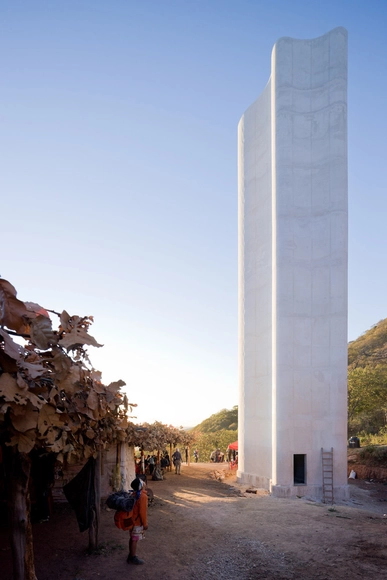



-
Architects: Christ & Gantenbein
- Year: 2012
https://www.archdaily.com/279966/cerro-del-obispo-lookout-point-christ-gantenbeinDaniel Sánchez
Jardin Serge Gainsbourg / Matthieu Gelin & David Lafon Architecte
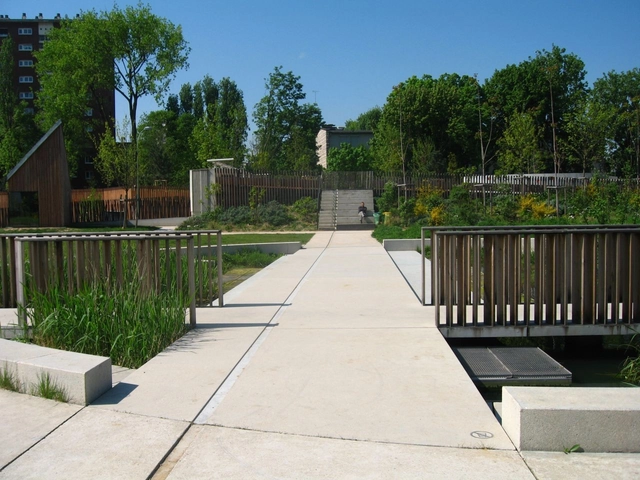


https://www.archdaily.com/272997/jardin-serge-gainsbourg-territoiresJonathan Alarcón
"the REAL estate" / AL/Arch

Architect: AL/Arch Location: Bat-Yam, Israel Project Area: 550 sqm Photographs: Liat Ezra, Asaf Evron, Orna Marton, Avi Laiser, AL/Arch
https://www.archdaily.com/265895/the-real-estate-alarchBrian Pagnotta
Update: Jardin de la Connaissance / 100Landschaftsarchitektur

Established in June 2010, 100Landschaftsarchitektur shared with us the current status of Jardin de la Connaissance which is still up and thriving. With the knowledge truly disappearing into the forest, the book structures have decayed in the natural setting, but have also provided various micro-environments for a range of local creatures. Interacting with the forest, seedlings and insects have activated the walls, carpets and benches while mushrooms – those cultivated and those who have come by themselves – have made the garden their home. More images and architects’ description after the break.
https://www.archdaily.com/266760/update-jardin-de-la-connaissance-100landschaftsarchitekturAlison Furuto
Fort Werk aan 't Spoel / RAAAF + Atelier de Lyon



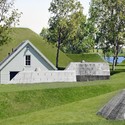

https://www.archdaily.com/256991/fort-werk-aan-t-spoel-raaaf-plus-atelier-de-lyonFabian Cifuentes
Duecentosessanta MQ / Simone Bossi


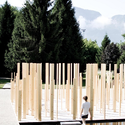



https://www.archdaily.com/257735/duecentosessanta-mq-simone-bossiJavier Gaete
Pulse Park / CEBRA

Architect: CEBRA Client: KildebjergRy, Skanderborg Municipality Location: Ry, Denmark Project Year: 2011-2012 Size: 24.057 ft²
CEBRA’s latest landscape project situated in Kildebjerg Ry near Arhus, Denmark, is a bit out of the ordinary. Moving beyond providing flora, walkways and simple playground amenities, the Pulse Park will feature three distinct activity zones that will provide a place for fitness, meditation and play to benefit the residential and business areas nearby. These zones create an activating framework for physical activities and exercise while forming an integrated part of the surrounding landscape.
More about the park after the break.
https://www.archdaily.com/257421/pulse-park-cebraKaren Cilento
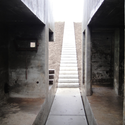
Bunker 599 / RAAAF + Atelier Lyon


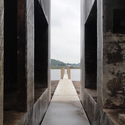
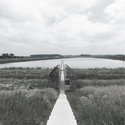

-
Architects: Atelier Lyon, RAAAF
- Year: 2010
https://www.archdaily.com/256984/bunker-599-rietveld-landscapeDaniel Sánchez
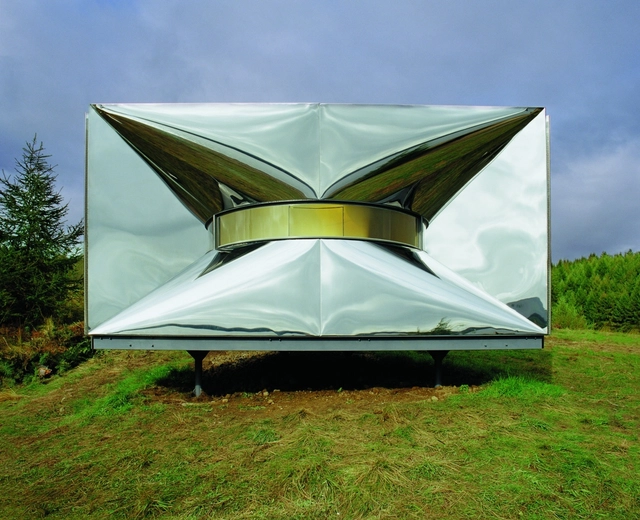
Flashback: Kielder Belvedere / Softroom

https://www.archdaily.com/256147/flashback-kielder-belvedere-softroomFabian Cifuentes



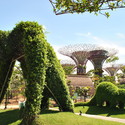
Gardens by the Bay / Grant Associates
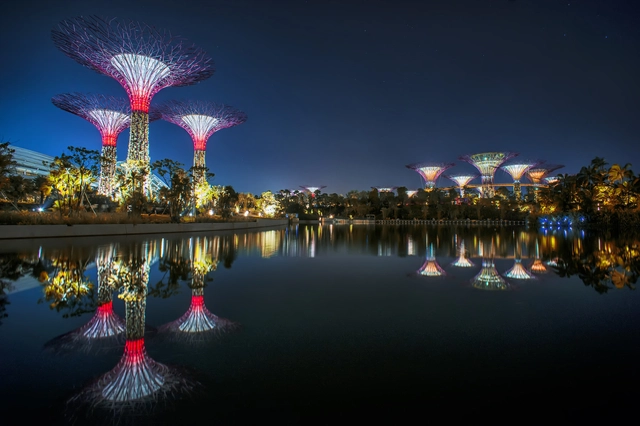

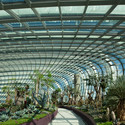
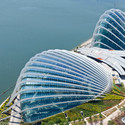

https://www.archdaily.com/254471/gardens-by-the-bay-grant-associatesAD Sponsor
Governors Island / West 8

Despite all of the preconceived notions about New York City being overpopulated, noisy and constantly bustling, there are numerous pockets within the five boroughs that offer respite from the city. This design strives to be one such pocket – or island. Governors Island has a long military history that dates back to 1776. It was controlled by the U.S. Government first for the U.S. Army and later for the Coast Guard. In 2002 the island was “sold” to the people of New York and declared a national monument. In 2010, Mayor Bloomberg and Governor Paterson agreed on the future operations, planning and redevelopment of the island through the Trust for Governors Island. Since then, the island has been open during the summer months for visitors to enjoy the unique seclusion offered by the the old military grounds. But the Trust had bigger plans. Choosing a team of architects, urban planners, designers and landscape architects that include Rogers Marvel Architects, Diller Scofidio + Renfro, Mathews Nielsen and led by West 8, plans began to unfold that would reimagine the island as a getaway for New Yorkers. Playing up to its isolation, its abundance of lawns and trees, and the views that it offers, the first phase of the plans have officially broken ground and are scheduled for completion in Fall 2013.
Check out what’s in store for Governors Island after the break.
https://www.archdaily.com/245277/governors-island-west-8Irina Vinnitskaya
Disappeared Stream Back in Wijkeroogpark / Bureau B+B



https://www.archdaily.com/241811/disappeared-stream-back-in-wijkeroogpark-bureau-bbVictoria King
A Lesson in Dedicated Collaboration: Hunts Point Landing on the South Bronx Greenway / Mathews Nielsen Landscape Architects

In the past decade New York City’s government, along with numerous organizations and design teams, have taken the initiative to revive the city’s public spaces and reclaim underutilized areas that have long been associated with the city’s manufacturing past. We’re all familiar with the High Line, a project that takes over the elevated rail lines of Chelsea and Meat Packing District that until several years ago stood as a desolate and eroding piece of infrastructure, which was beautiful in its own way but largely underutilized. Then there is the Brooklyn Navy Yard, which has become a mecca for designers, fabricators and research companies and has recently acquired a museum to celebrate its history. And of course, there are the city’s waterways, which, since New York City’s early history, have served its manufacturing and trade economy, have become parks along the waterfront as part of the Hudson River Greenway and the FDR Drive. Manufacturing has long been replaced by Wall Street, but there are parts of the city that still retain the industrial past along the historic waterfront and continue to operate some of the most important facilities that allow the city to function. Now it is time to reintroduce a public use among these industrial zones.
More after the break!
https://www.archdaily.com/236895/a-lesson-in-dedicated-collaboration-hunts-point-landing-on-the-south-bronx-greenway-mathews-nielsen-landscape-architectsIrina Vinnitskaya
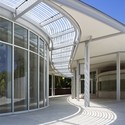
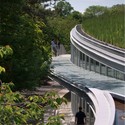
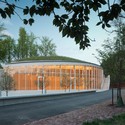
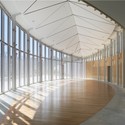
Brooklyn Botanic Garden Visitor Center / Weiss/Manfredi


https://www.archdaily.com/235079/brooklyn-botanic-garden-visitor-center-opens-to-the-publicKarissa Rosenfield