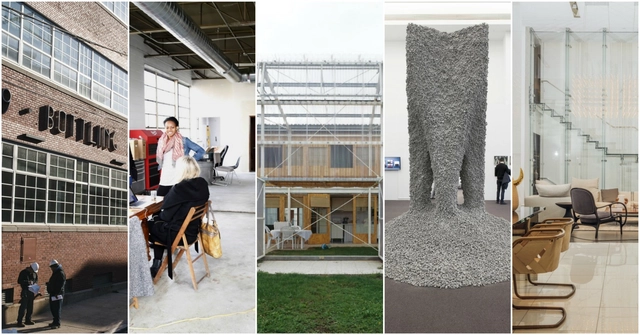
Responsible use and consumption of natural resources and the impacts of the building industry have been ongoing concerns in the field of architecture and urban planning. In the past, concepts such as clean slates, mass demolitions, and building brand new structures were widely accepted and encouraged. Nowadays, a transformation seems to be taking place, calling for new approaches such as recycling, adaptive reuse, and renovations, taking advantage of what is already there. This article explores a selection of projects and provides a glimpse into interventions by renowned architects in pre-existing buildings.
COP26, The United Nations Climate Change Conference, is scheduled to be held in Scotland soon, in the last week of October 2021. Against the backdrop of this conference is a heightened global awareness of climate change, as discussions take place on how a sustainable, more equal future can be achieved. The present and future state of architecture is a key component of this conversation, as criticism is levelled at architecture firms that “greenwash” and questions are raised on if the term “sustainability” is increasingly merely being used as today’s buzzword.
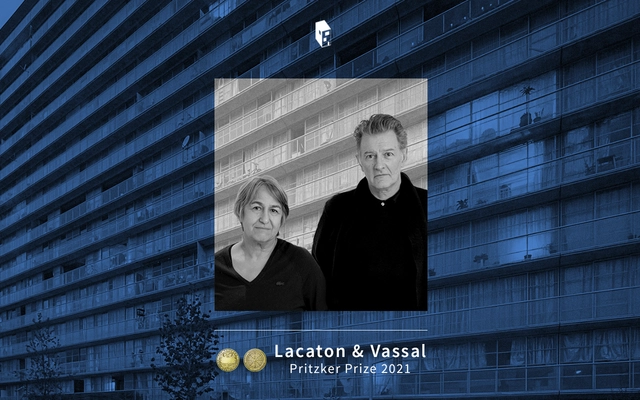
The Pritzker Architecture Prize released a special ceremony video honouring the 2021 laureates Anne Lacaton and Jean-Philippe Vassal. Previously held in person, each time at a different architecturally significant venue around the world, this year’s ceremony is the second pre-filmed event in the history of the Prize, following the one in 2020. The ceremony features filmed remarks from various speakers, among which are several jury members, Jury Chair Alejandro Aravena, the 2020 Prize recipients Shelley McNamara and Yvonne Farrell, as well as this year’s Laureates themselves. The video also pays tribute to the achievements of Lacaton and Vassal through footage of their built work.
Paulo Mendes da Rocha often says that the function of architecture is nothing more than ‘supporting the unpredictability of life’. Spaces stand everyday life, meetings, landscape, art. Something like a frame, which is often also considered a supporting element of a work of art, since it highlights and, mainly, directs the viewer's gaze to the main object. The phrase of the Brazilian architect combines well with the way that the Lacaton & Vassal office works. The French couple's award raises some questions about how accurate their choices are for the current moment in the world. This includes the philosophy of their work, the design solutions adopted and the material palette generally adopted.
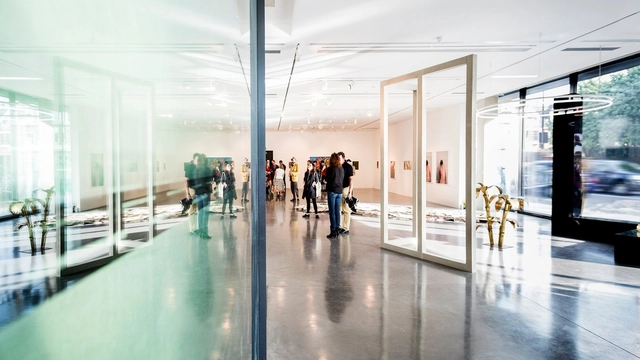
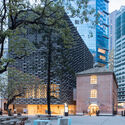
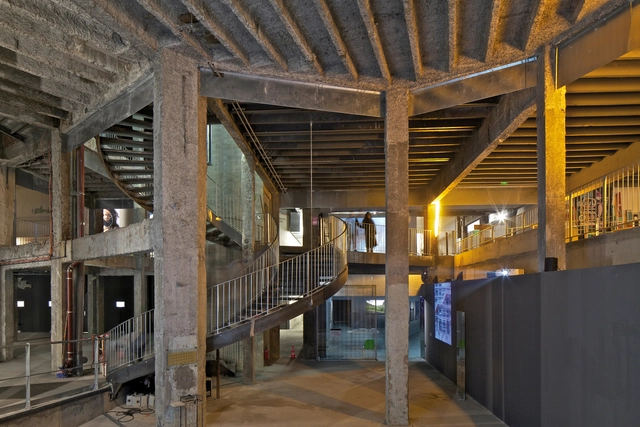
The 2021 Pritzker Architecture Prize, architecture’s highest honor, has been granted to Anne Lacaton and Jean-Philippe Vassal, founders of Lacaton & Vassal, the French duo renowned for their multiple sustainable housing projects and for the Palais de Tokyo, a contemporary art gallery in Paris. In their three decades of work, Lacaton & Vassal always prioritized the “enrichment of human life”, benefiting the individual and supporting the evolution of the city.
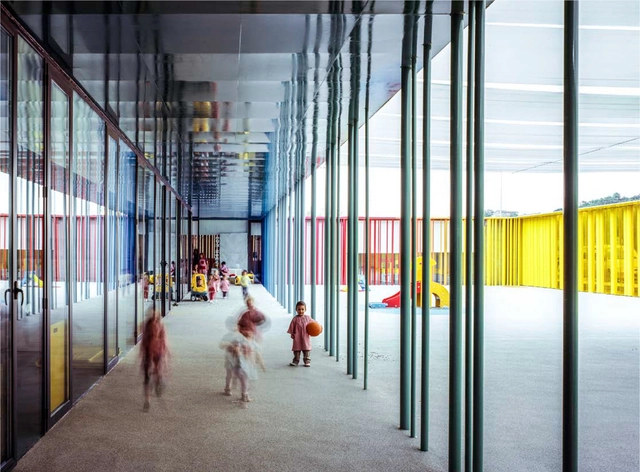
Anne Lacaton and Jean-Philippe Vassal founded their architectural studio Lacaton & Vassal in 1987, years after studying and working together at the École Nationale Supérieure d’Architecture et de Paysage de Bordeaux. The practice established in Paris has been awarded this year’s prestigious 2021 Pritzker Prize. Their built work leaves strong evidence of what they believe is relevant: sustainability, wellbeing, social responsibility, and the readaptation and the respect of the existing built environment.
https://www.archdaily.com/958569/lacaton-and-vassal-get-to-know-2021-pritzker-winners-built-workPaula Pintos & Clara Ott
With a formal and material approach that differs from the scenarios we usually find in Architecture, Lacaton & Vassal —a French practice that marks its influence in contemporary times by being awarded the Pritzker Prize 2021— brings an open and generous vision to the field.
As industry has shifted over the past century, in format, location, and type, the manufacturing and industrial spaces scattered across the western world have been repurposed. You have no doubt seen these structures, though perhaps without realizing. The large windows, high ceilings, and open floor plans optimized for factory work now mark the territory of the “creative class”. Such spaces have been disproportionately appropriated by creative industries such as arts and architecture; think of Herzog + de Meuron’s renovation of the Tate Modern (from a former power station) or the recent collaborative transformation of a locomotive yard into a library in the Netherlands.
https://www.archdaily.com/911719/lacaton-and-vassals-frac-dunkerque-is-an-architectural-echo-both-in-form-and-in-conceptKatherine Allen
Five finalist projects have been shortlisted for the 2019 European Union Prize for Contemporary Architecture, an award given jointly by the European Commission and the Mies van der Rohe Foundation. The biennial prize, for which ArchDaily is a media partner, recognizes the Europe-located projects that demonstrate excellence in "conceptual, social, cultural, technical, and constructive terms."
https://www.archdaily.com/911318/5-projects-shortlisted-for-2019-eu-mies-prize-for-contemporary-architectureKatherine Allen
For those in the northern hemisphere, the last full week in January last week kicks off with Blue Monday - the day claimed to be the most depressing of the year. Weather is bleak, sunsets are early, resolutions are broken, and there’s only the vaguest glimpse of a holiday on the horizon. It’s perhaps this miserable context that is making the field seem extra productive, with a spate of new projects, toppings out and, completions announced this week.
The week of 21 January 2019 in review, after the break:
In this video from the Louisiana Museum, Anne Lacaton from the award-winning practice Lacaton & Vassal describes the importance of building upon existing conditions to create new architecture. She shares the firm's approach to architecture, which is to "never withdraw, always add" and their focus on generosity of space, care of the users, and utilization of existing natural resources to create a more affordable architecture.
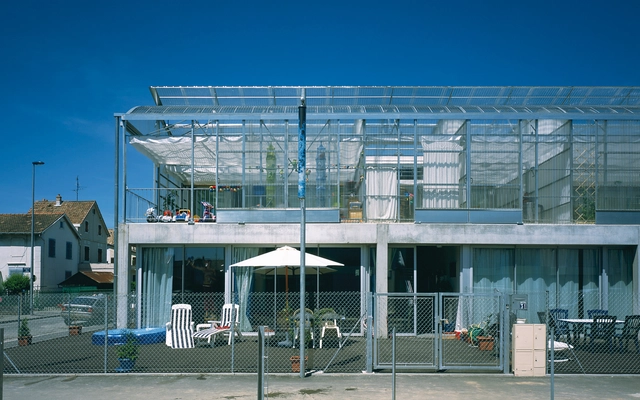
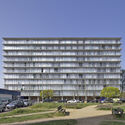
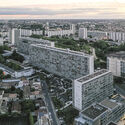
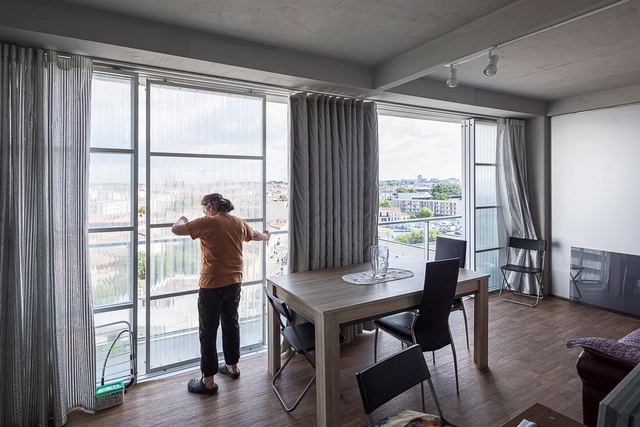
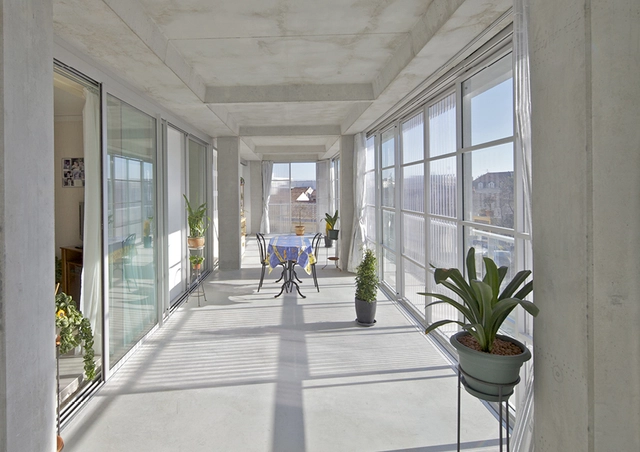
Lacaton & Vassal have gained worldwide acclaim for their transformative social housing work. They were awarded the Grand Prix national de l'architecture in 2008, the Heinrich Tessenow Medal in 2016, and the Global Award for Sustainable Architecture in 2018, to name a few. Their projects such as the 23 Semi-collective Housing Units in Trignac, France, and Ourcq Jaures Student & Social Housing display a dedication to social responsibility in architecture. In Anne Lacaton's interview, she describes how they mine the richness of existing architecture and the surroundings to create beautiful and affordable designs. Interpreting history as "an addition of layers," she articulates their stance against the idea of tabula rasa and the importance of utilizing the found beauty of existing environments: "We don't see [the existing conditions] as a constraint, we see it as a chance."
Anne Lacaton (France) is an award-winning architect and part of the duo Lacaton & Vassal, having made reuse of existing materials and integration of daylighting in standard construction their signature architecture and adding a social dimension to architectural design.
In honour of its 10th anniversary, the Curry Stone Design Prize will recognize a large group of the world’s most socially conscious and active design practices, in what the Foundation has coined as the Social Design Circle.
Over the course of the year, 100 firms will be added to the Circle for their sustainable, socially inclusive and impactful design work, under twelve specific themes. Each month, select firms’ work will be highlighted individually on the Prize’s website, while also featuring on the Curry Stone Foundation’s new podcast, Social Design Insights.
The following seven practices were selected for the month of February, in response to the theme “Is The Right to Housing Real?”:
https://www.archdaily.com/804554/curry-stone-design-prize-recognizes-7-practices-for-strides-in-social-housingOsman Bari
London's Royal College of Art (RCA) have revealed seven invited shortlisted practices for its new state-of-the-art £108million Battersea South campus. Featuring a smattering of architects from Europe, including Herzog & de Meuron and Lacaton & Vassal, and from the USA, such as Diller Scofidio + Renfro and Studio Gang, the organisation intends to announce the winning scheme in October 2016.
https://www.archdaily.com/793059/kerez-herzog-de-meuron-studio-gang-shortlist-london-royal-college-of-arts-battersea-south-campusAD Editorial Team
Metropolis has released their list of five design thinkers leading the world in innovation for their 2016 Game Changers issue. The Metropolis Game Changers issue was created in 2011 to showcase transformational changes that are national in scope, but global in impact, and can be awarded to individuals, firms, projects or ideas within the various spheres of design. Past nominees from the realm of architecture include Michael Maltzan, MASS Design Group, Edward Mazria, Vincent Scully, SOM’s Great Lake Century Project, and former SHoP Principal Vishaan Chakrabarti.
With two architectural firms, an architecture curator and a co-working space driving urban renewal all making the five-strong list, this year's Game Changers issue offers plenty of interest for architectural readers.


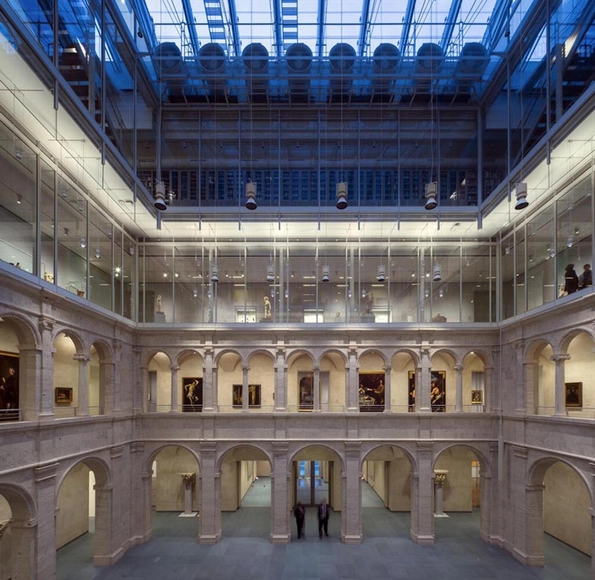




.jpg?1615817314&format=webp&width=640&height=580)
.jpg?1615817428 "© Laurian Ghinitoiu")
.jpg?1615817448 "© Laurian Ghinitoiu")
.jpg?1615817463 "© Laurian Ghinitoiu")
.jpg?1615817414 "© Laurian Ghinitoiu")
.jpg?1615817314)
_7259.jpg?1615813633 "FRAC Dunkerque . Image © Laurian Ghinitoiu")


.jpg?1615841061&format=webp&width=640&height=580)
.jpg?1615841061)




_7061.jpg?1550506965&format=webp&width=640&height=580)