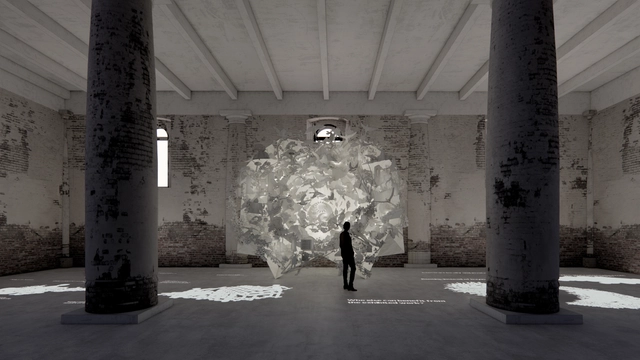
The Biennale promises to be a dynamic platform uniting over 750 participants from diverse backgrounds, including architects, engineers, mathematicians, climate scientists, and artists. Such a broad coalition of over 280 projects underlines the Exhibition's focus on inclusivity and interdisciplinary collaboration, an essential aspect for adaptation. The selection process proposed a bottom-up, open call approach through the Space for Ideas initiative, which ran between May and June 2024. It encouraged participation from global teams, from Pritzker Prize winners and Nobel laureates to emerging architects and scientists.
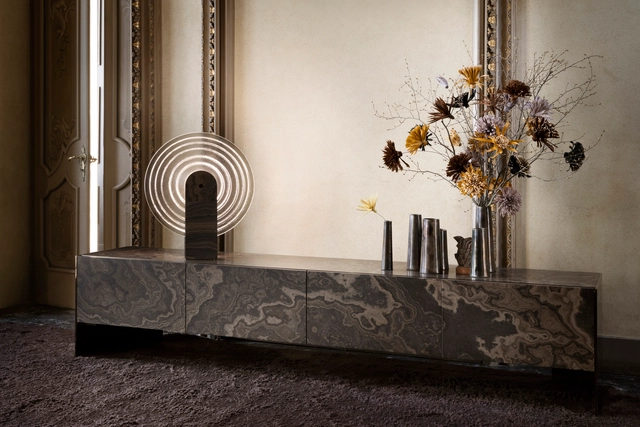
The 2025 edition of Milan Design Week took place from April 8 to April 13, 2025. During these five days, the city of Milan hosted special events, exhibitions, installations, and discussions centered on the creative disciplines, including the 63rd edition of the Salone del Mobile at Fiera Milano fairgrounds. Among the numerous activities, the event serves as an ideal opportunity to introduce the latest trends and showcase upcoming pieces from brands and designers worldwide. Among the new releases and product launches, the ArchDaily team identified a selection of products designed by architects, ranging from lighting and furniture systems to materials and small objects.
Tokyo is never-ending. It is a city made up of many cities, where everything is superlative and encounters with overwhelming scale are constant. For those visiting for the first time, the cultural shock is striking. Everything is extremely clean despite the absence of public trash bins, there's a strong impression of zero violence, and society seems to follow strict disciplinary codes to the letter. There’s a sense that human relationships and individual feelings are set aside in favor of the collective, with all the benefits and drawbacks that this way of life may bring.
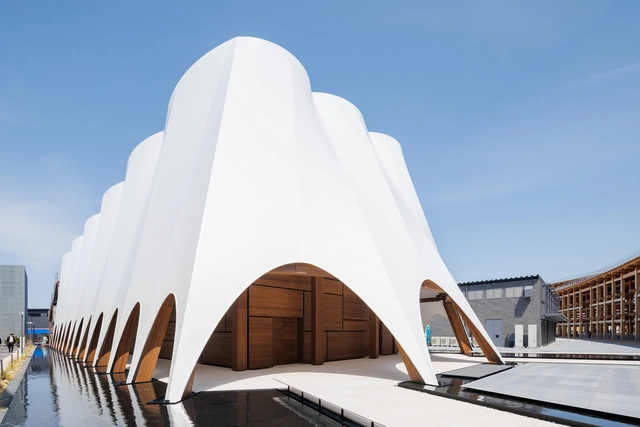
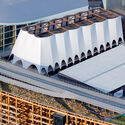
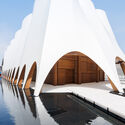
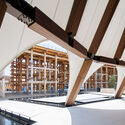
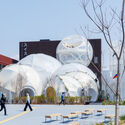
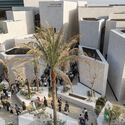
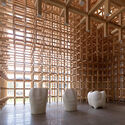
The State of Qatar has just opened its national pavilion's doors at Expo Osaka 2025. Designed by Kengo Kuma & Associates in collaboration with Qatar Museums, the pavilion blends traditional craftsmanship from Qatar and Japan while highlighting the two countries' connection to the sea, which is understood as a hub of resources and a medium for trade and knowledge exchange. The exhibition will be on view until October 13, 2025, aiming to showcase Qatar's innovations across diverse fields.
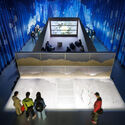
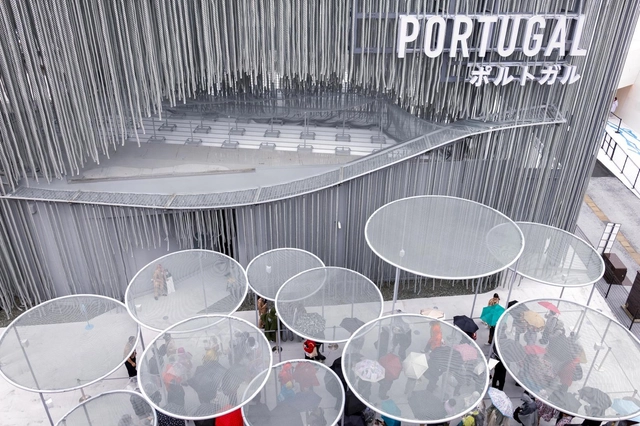
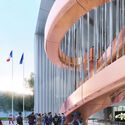
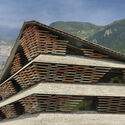
The Portugal Pavilion at Expo 2025 in Osaka embraces the theme "Ocean, The Blue Dialogue", offering visitors an immersive exploration of the ocean as a life-giving resource and a cornerstone of sustainability. Designed by Japanese architect Kengo Kuma, the Pavilion aims to reflect Portugal's deep historical, cultural, and economic connections to the sea, creating an architectural and narrative journey that bridges past, present, and future. The pavilion has recently been inaugurated in the in the "Empowering Lives" zone, next to the Bahrain Pavilion, designed by Lina Ghotmeh Architecture and the Austrian Pavilion by BWM Architects.
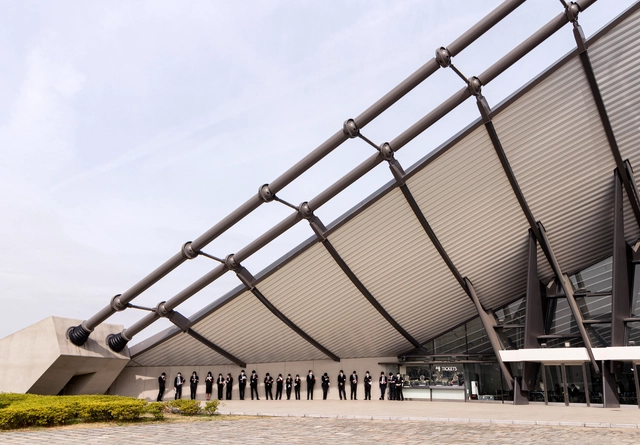
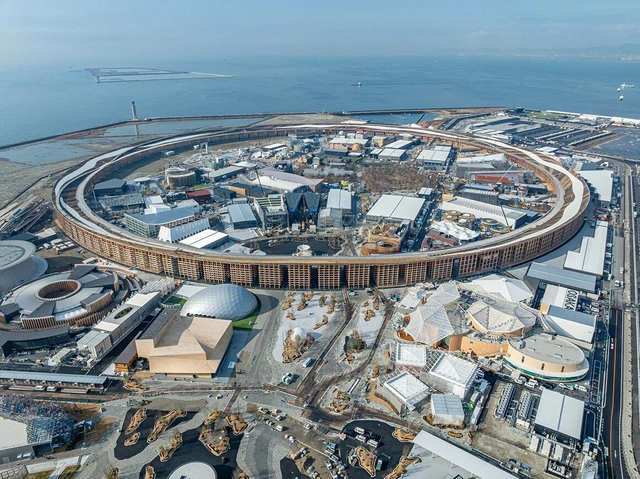
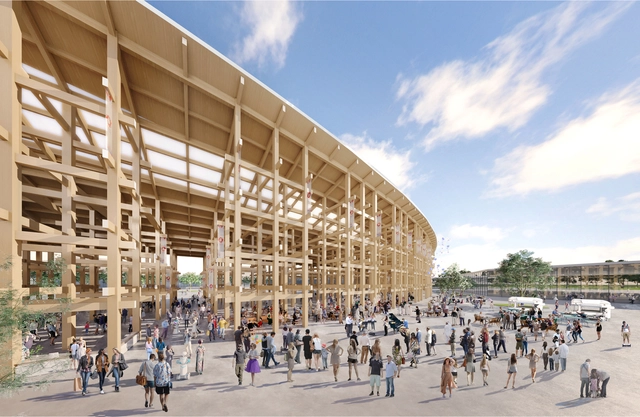
Expo 2025 Osaka has officially opened on April 13, 2025, at Yumeshima, Osaka. Under the overarching theme "Designing Future Society for Our Lives," the Expo set out to explore three pivotal subthemes: Saving Lives, Empowering Lives, and Connecting Lives. These themes aim to unite architectural and design enthusiasts by demonstrating how cutting-edge technology and innovative solutions can address global challenges, foster dialogue inspire collective action.
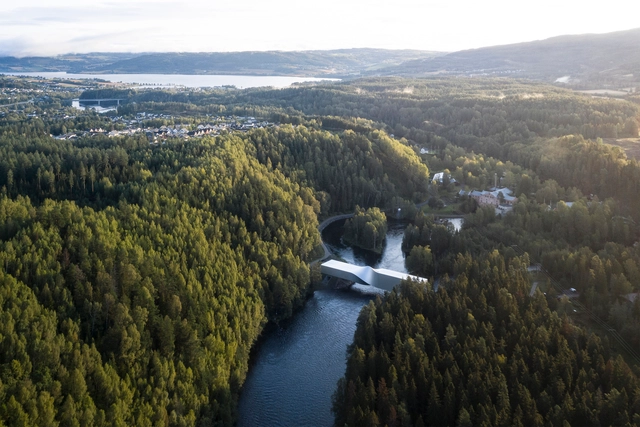
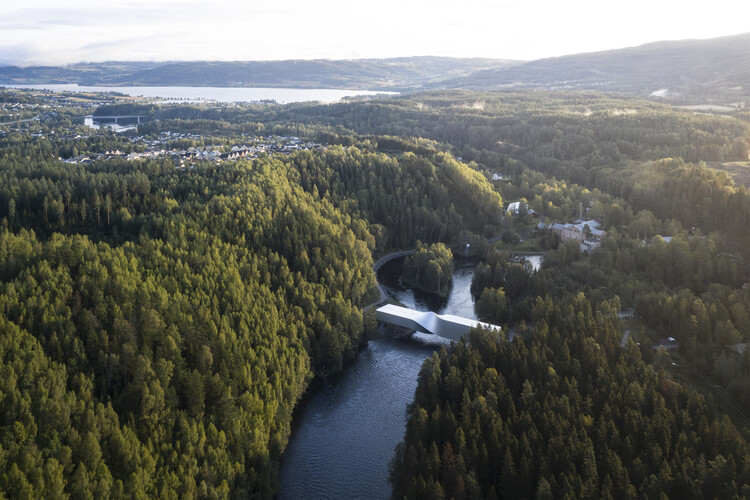
In the autumn of 2024, the Kistefos Museum Foundation invited 28 architectural firms to participate in a prequalification process to design a new site-specific standalone gallery. Scheduled to open in 2031, the new museum building will house the art collection of the museum's founder, Christen Sveaas. The gallery will join Kistefos' sculpture park, which features 55 works by international artists such as Yayoi Kusama, Olafur Eliasson, Fernando Botero, and Anish Kapoor, as well as an industrial museum and BIG's award-winning art gallery, The Twist. Additionally, a new visitor center, designed by the Oslo-based architectural firm Lund Hagem, is set to open in 2026.
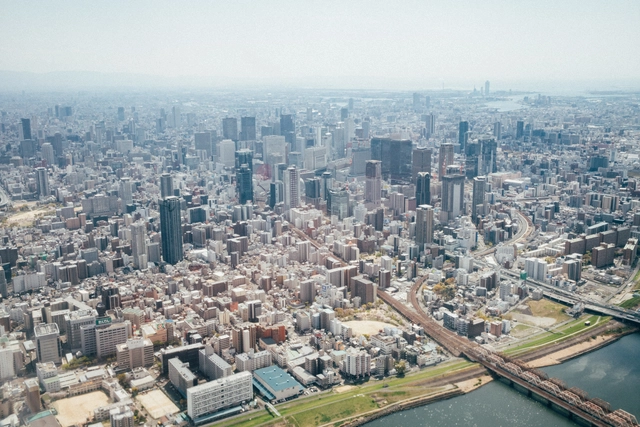
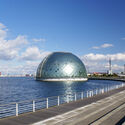
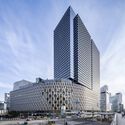
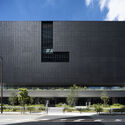
Osaka, Japan's third-largest city, is a vibrant blend of tradition and modernity, making it a compelling destination for architecture enthusiasts. Known historically as the "nation's kitchen" for its role as a mercantile hub, Osaka is also a city of cultural and architectural diversity. Its landmarks range from the historic Osaka Castle to striking contemporary developments, each reflecting Japan's evolving urban identity.
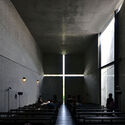
As the host city for the highly anticipated Expo 2025, Osaka is poised to showcase its architectural prowess on a global stage. The city's skyline features innovative works by renowned architects and urban planners, including cutting-edge cultural centers, transportation hubs, and waterfront redevelopments. With contributions from celebrated Japanese architects such as Tadao Ando, Kengo Kuma & Associates, and Takenaka Corporation, alongside international figures like Dominique Perrault, Renzo Piano Building Workshop, and Pelli Clarke & Partners, Osaka seamlessly blends modernity with tradition, creating a unique architectural identity that reflects its past while looking boldly to the future.
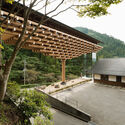
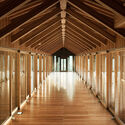
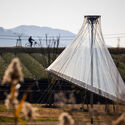
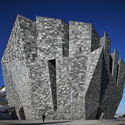
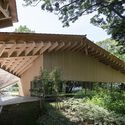
In my 2008 interview with Kengo Kuma in Manhattan—the Tokyo-based architect was in town for a lecture at Cooper Union and to oversee the construction of a house renovation in nearby Connecticut— he summarized the intention of his work for me, "The closest image to the kind of architecture I try to achieve is a rainbow." The architect designs his buildings as a chef would prepare a salad or a florist arrange a bouquet of flowers—by carefully selecting ingredients according to their size, shape, and texture. He then tests whether they should touch, overlap, or keep a distance to let the airflow pass through. The process is closer to a trial-and-error scientific experiment rather than an artistic exercise in projecting visionary forms and images. Although his buildings surely look strikingly artistic and utterly breathtaking. They are both precise and loose, primitive and refined, material and transient. The architect's fascination with materiality is startling, and despite having completed many dozens of buildings all over the world over the course of his distinctive career, in our conversation last month over Zoom, Kuma told me, "I stand at the beginning of a long process of material exploration."
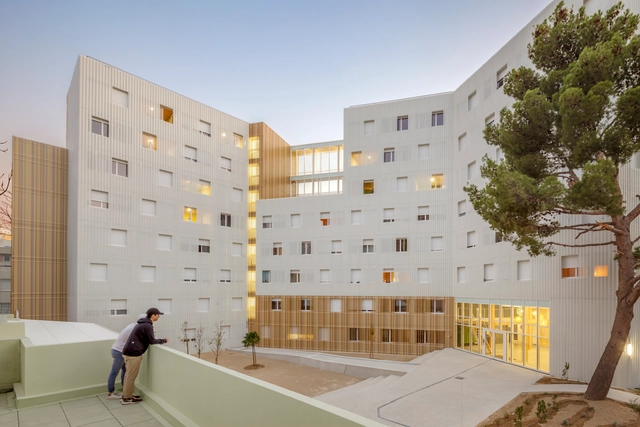
Student housing has undergone a remarkable transformation over the last century. Once seen as a utilitarian necessity, providing shelter and basic amenities for students, this architectural typology has evolved to address increasingly complex societal, cultural, and urban demands. Starting with Le Corbusier's modernist approach at the Cité Universitaire in Paris, student housing has reflected broader trends in architecture, urbanism, and social change.
Today, these buildings must cater to a highly diverse and transient population, navigating the pressures of affordability, density, and the evolving living standards of young adults. With rapid urbanization and increasing student mobility, universities now face the challenge of designing housing that is not only functional but also adaptable to different cultural and social contexts. This has led to more flexible, innovative solutions that promote both privacy and community living.
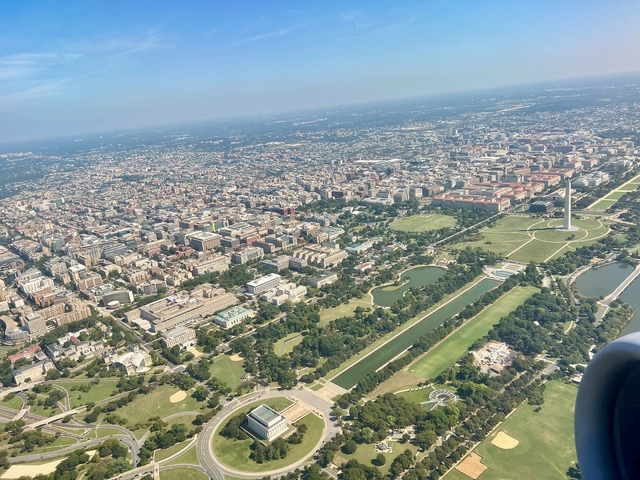
In a surprising development, internationally renowned architect Kengo Kuma has been named the new lead designer for the highly anticipated Global War on Terrorism Memorial on the National Mall in Washington, D.C. The announcement follows the departure of previous designer Marlon Blackwell, who was originally selected in July 2023.
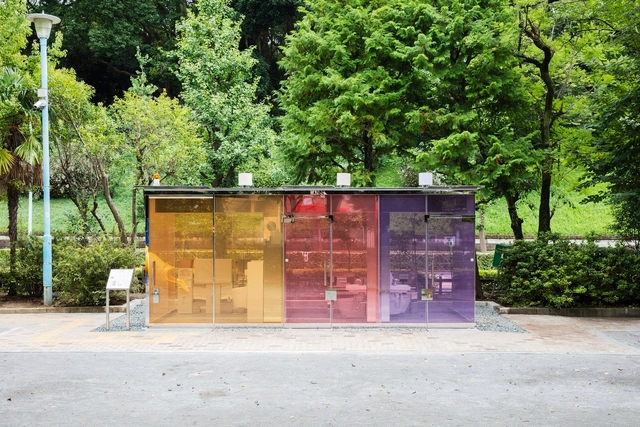
"A bathroom is a place where everyone is equal—there is no rich or poor, no old or young; everyone is part of humanity." This reflection was shared by Wim Wenders, exponent of New German Cinema and director of the filmPerfect Days (2023) when asked about the striking sets of his most recent work. Wenders selected Tokyo's public restrooms to craft a narrative that deeply explores themes of solitude, simplicity, and the beauty of everyday life.
The story follows Hirayama, a middle-aged man working as a public toilet cleaner in Tokyo. His life is simple and routine, yet filled with small pleasures and moments of reflection. This modest lifestyle contrasts with the technological, colorful, and innovative designs of the public restrooms he cleans every day.
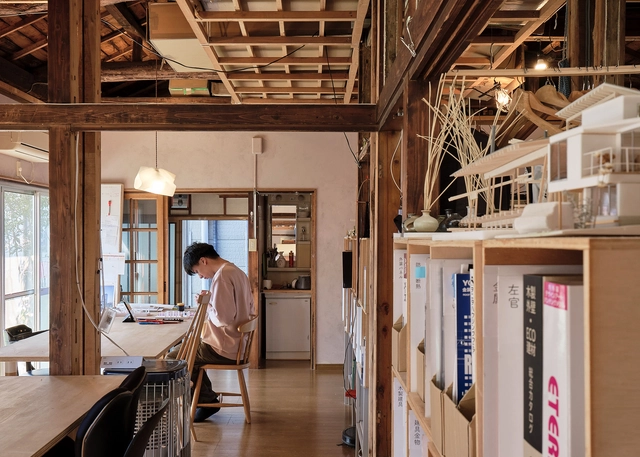
The photographs reveal snippets of everyday life in these studios. While not all of the buildings were designed by their occupying architecture studios, each office has added a personal touch to their space, aligning them with their internal culture and traditions. One such example is Tato Architects, for whom the kitchen has become an important gathering space, as they take turns preparing lunch for each other and eating together is a significant part of their office story.
The 3rd edition of Shaping the City, a forum on sustainable urban development, took place in Venice between November 24-25, following successful events in Chicago and New Orleans. Organized by the European Cultural Centre, this forum was running in parallel to the 2023 Venice Architecture Biennial exhibition, Time Space Existence. The event, hosted at Palazzo Michiel del Brusà in Cannaregio, brings together global urban planners, architects, academics, and politicians. Notably, Japanese architect Kengo Kuma was among the experts invited to explore the intersection of nature and the built environment in Japanese architecture.
Over two days, the conference set out to explore crucial themes such as education, urban commons, displacement, nature integration, and the future of architecture media, a subject discussed during a panel talk attended by ArchDaily’s managing editor, Christele Harrouk. While on-site in Venice, the ArchDaily team sat down with Kengo Kuma to discuss his unique approach to nature-inspired and site-specific designs.
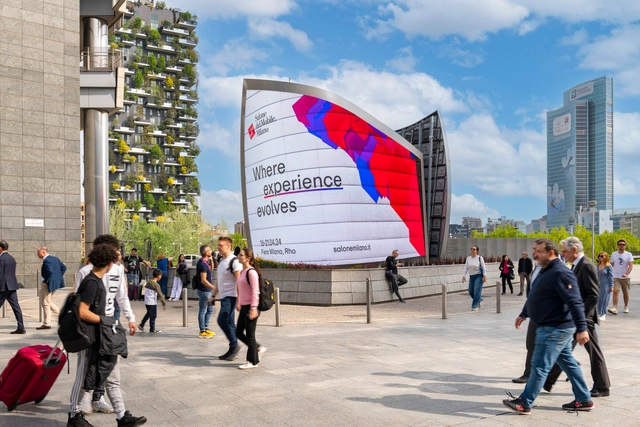
Piazza Gae Aulenti - Milano. Image Courtesy of Salone del Mobile.Milano
As Milan Design Week begins, the Italian city is transformed into the grounds of one of the most expansive celebrations of global design, with its streets and venues brimming with cultural events, exhibitions, large-scale installations, talks and conferences. At Rho Fiera, the 62nd edition of the Salone del Mobile.Milano brings together designers, architects, producers and leading figures of the design world, featuring over 1950 exhibitors which will remain open for the next 6 days. Additionally, across the city Fuorisalone opens up locations across the city with an engaging and varied cultural program.
Milan Design Week stands as one of the most important events in the global design calendar, serving not only as a showcase of innovation but also as a catalyst for critical discourse and creative exchange. This year, the event unfolds with a multitude of exhibitions, installations, and talks happening throughout Milano during the week of April 15-21, 2024. By bringing together diverse voices, perspectives, and talents, Milan Design Week becomes relevant for architects and serves as a nexus for interdisciplinary dialogue. To help you better navigate the plethora of events, conferences, and installations, this article highlights the main venues hosting activities revenant for architects and designers, from the expansive trade fair Salone del Mobile in Rho Fiera to design districts across the city and unexpected locations hidden in Palazzo courtyards or reimagined industrial heritage sites.
Chinese temples have stood for centuries, battered by wind and earthquakes, without a crack or timber out of place. They employ an ancient technique called “bracket set construction” that requires no nails or metal parts to connect wooden structural elements. Scandinavian stave churches are nearly as durable. Unsurprisingly, there are plenty of trees in Sweden and all over China.
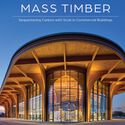
So what is with the hype about innovation in “mass timber” construction over the past few years? As Boyce Thompson argues in his thoughtful new book, Innovations in Mass Timber: Sequestering Carbon with Style in Commercial Buildings (Schiffer Publishing), this will be the next big thing in “green” tech for architects feeling guilty about their costly titanium skins and outsized carbon footprints. The color photos show some impressive buildings in places where the wood industry has always been healthy, such as the Pacific Northwest and Scandinavia. The Japanese build log cabins with imported material that might as well be gold.