1. ArchDaily
  2. Iron

Iron: The Latest Architecture and News

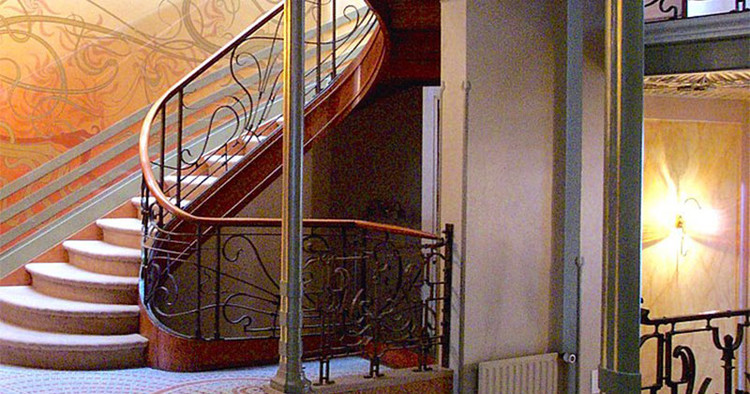
Beautiful, Functional, and Romantic: Spiral Staircases in Paris

Subscriber Access | 

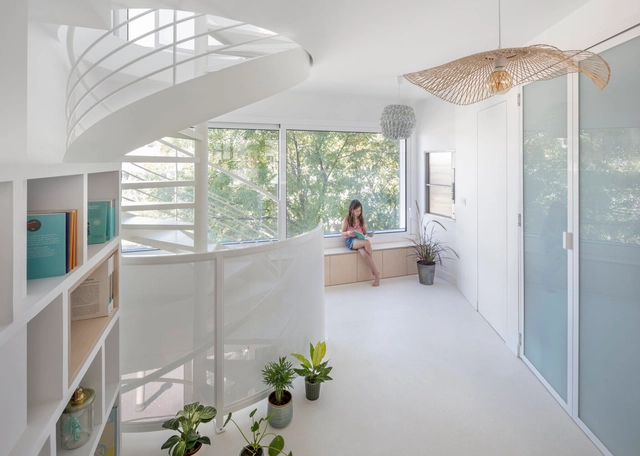
Whether rising to the highest room of the tallest tower in a Disney-esque castle, giving an admirer the chance to confess their love on an apartment building fire escape, or connecting a basement or attic room with a decorative period feature, there’s something unavoidably romantic about spiral staircases. But there’s more function behind these coiling forms than just their good looks.

One common-held theory is that spiral staircases were first installed in historic castles as vertical baffles, tiring out enemy infiltrators before they could make it to the top. This is why – it is said – many are set to turn clockwise on the ascent, so attackers have a smaller arc for swinging weapons (mostly held in right hands) than defenders making their descent.

Beautiful, Functional, and Romantic: Spiral Staircases in Paris - Image 1 of 4Beautiful, Functional, and Romantic: Spiral Staircases in Paris - Image 2 of 4Beautiful, Functional, and Romantic: Spiral Staircases in Paris - Image 3 of 4Beautiful, Functional, and Romantic: Spiral Staircases in Paris - Image 4 of 4Beautiful, Functional, and Romantic: Spiral Staircases in Paris - More Images+ 11

The Corrugated Iron Roof: Avant-Garde or Unaesthetic?

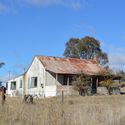
It’s an essential architectural element, one we tend to immediately take note of when we look at buildings new to us – the roof. The roofs that shelter the buildings we see in our cities today are diverse in their typology. Flat roofs are a common sight in the city centers of urban metropolises, hip roofs are a popular choice for dwellings around the world, and the gable roof is arguably the most common of all, a roof type popular in stylized depictions of what a standard house looks like.

The Corrugated Iron Roof: Avant-Garde or Unaesthetic? - Image 5 of 4The Corrugated Iron Roof: Avant-Garde or Unaesthetic? - Image 1 of 4The Corrugated Iron Roof: Avant-Garde or Unaesthetic? - Image 2 of 4The Corrugated Iron Roof: Avant-Garde or Unaesthetic? - Image 3 of 4The Corrugated Iron Roof: Avant-Garde or Unaesthetic? - More Images+ 5

Pasadena Heritage Spring Home Tour - "Wallace Neff, Master Architect"

Tour extraordinary historic homes as Pasadena Heritage presents Wallace Neff, Master Architect.

The Work of Victor Horta, Art Nouveau's Esteemed Architect

Subscriber Access | 
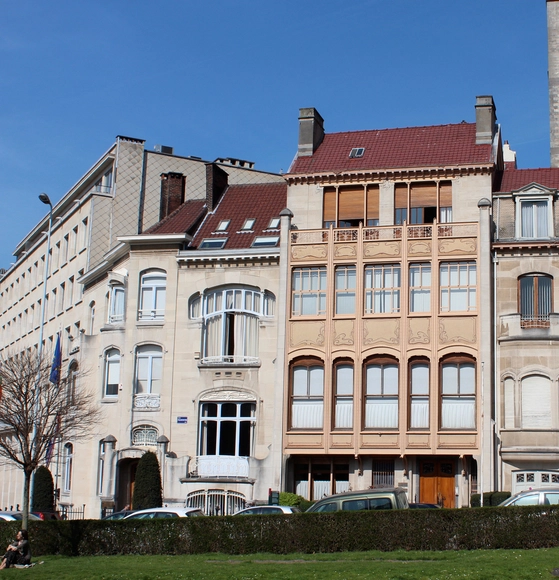
The Work of Victor Horta, Art Nouveau's Esteemed Architect  - Image 4 of 4
© Henry Townsend

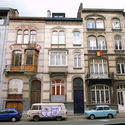
Situated throughout Brussels, Victor Horta's architecture ranges from innocuous to avant-garde. While many of his buildings were completed in the traditional Beaux Arts style, it is Horta’s Art Nouveau works—most of them built as townhouses for the Belgian elite—that are most beloved. Emerging from the decorative arts tradition and, in some ways, anticipating the coming onslaught of modernism, Horta’s Art Nouveau buildings were erected during a fleeting decade: roughly 1893 to 1903.

The Work of Victor Horta, Art Nouveau's Esteemed Architect  - Image 5 of 4The Work of Victor Horta, Art Nouveau's Esteemed Architect  - Image 6 of 4The Work of Victor Horta, Art Nouveau's Esteemed Architect  - Image 1 of 4The Work of Victor Horta, Art Nouveau's Esteemed Architect  - Image 2 of 4The Work of Victor Horta, Art Nouveau's Esteemed Architect  - More Images+ 14

6 Materials That Age Beautifully

Subscriber Access | 

Often as architects we neglect how the buildings we design will develop once we hand them over to the elements. We spend so much time understanding how people will use the building that we may forget how it will be used and battered by the weather. It is an inevitable and uncertain process that raises the question of when is a building actually complete; when the final piece of furniture is moved in, when the final roof tile is placed or when it has spent years out in the open letting nature take its course?

Rather than detracting from the building, natural forces can add to the material’s integrity, softening its stark, characterless initial appearance. This continuation of the building process is an important one to consider in order to create a structure that will only grow in beauty over time. To help you achieve an ever-growing building, we have collated six different materials below that age with grace.

AD Classics: Hôtel van Eetvelde / Victor Horta

To the contemporary observer, the flowing lines and naturalistic ornamentation of Art Nouveau do not appear particularly radical. To some, Art Nouveau may even seem to be the dying gasp of 19th Century Classicism just before the unmistakably modern Art Deco and International Styles supplanted it as the design modes of choice. The Hôtel van Eetvelde, designed in 1897 by Victor Horta—the architect considered to be the father of Art Nouveau—suggests a different story. With its innovative spatial strategy and expressive use of new industrial materials, the Hôtel van Eetvelde is a testament to the novelty of the “New Art.”

AD Classics: Hôtel van Eetvelde / Victor Horta - Office Buildings, FacadeAD Classics: Hôtel van Eetvelde / Victor Horta - Office Buildings, FacadeAD Classics: Hôtel van Eetvelde / Victor Horta - Office Buildings, FacadeAD Classics: Hôtel van Eetvelde / Victor Horta - Office Buildings, FacadeAD Classics: Hôtel van Eetvelde / Victor Horta - More Images+ 1

AD Classics: Eiffel Tower / Gustave Eiffel

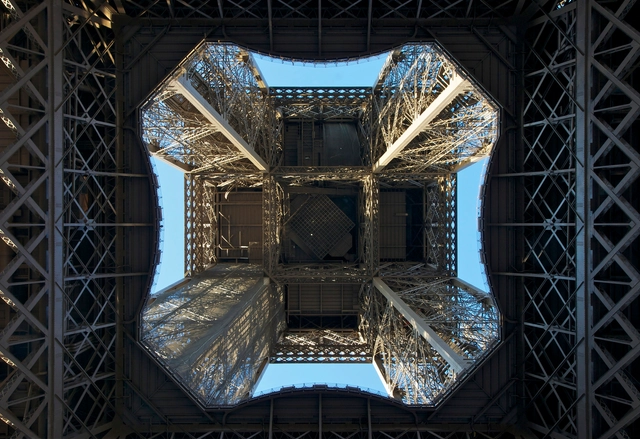
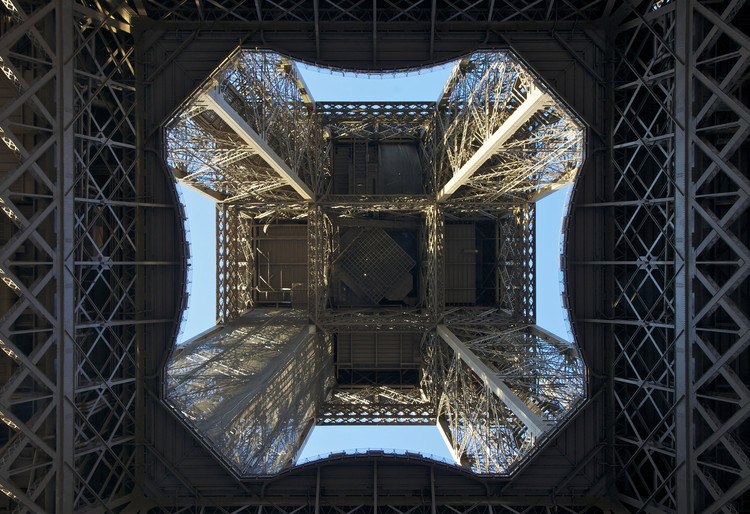
The world had never seen anything like the graceful iron form that rose from Paris’ Champ de Mars in the late 1880s. The “Eiffel Tower,” built as a temporary installation for the Exposition Universelle de 1889, became an immediate sensation for its unprecedented appearance and extraordinary height. It has long outlasted its intended lifespan and become not only one of Paris’ most popular landmarks, but one of the most recognizable structures in human history.

AD Classics: Eiffel Tower / Gustave Eiffel - Landmarks & MonumentsAD Classics: Eiffel Tower / Gustave Eiffel - Landmarks & Monuments, Facade, ArchAD Classics: Eiffel Tower / Gustave Eiffel - Landmarks & MonumentsAD Classics: Eiffel Tower / Gustave Eiffel - Landmarks & MonumentsAD Classics: Eiffel Tower / Gustave Eiffel - More Images+ 6

Atlas Obscura Details Bulgarian Church Made Entirely Out of Cast Iron

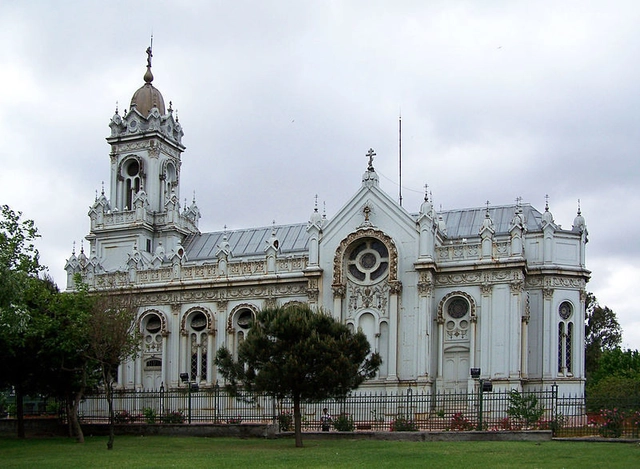
Located along the shore of the Golden Horn in Fatih, Turkey, the Bulgarian Church of St. Stephen is no ordinary basilica. Unlike most churches of its time, St. Stephen’s is constructed entirely out of cast iron, explains Atlas Obscura in their article "Bulgarian Iron Church." This method of construction was cost-effective and efficient for the time, but never became popular.

City of Kiruna To Move Two Miles Over This June

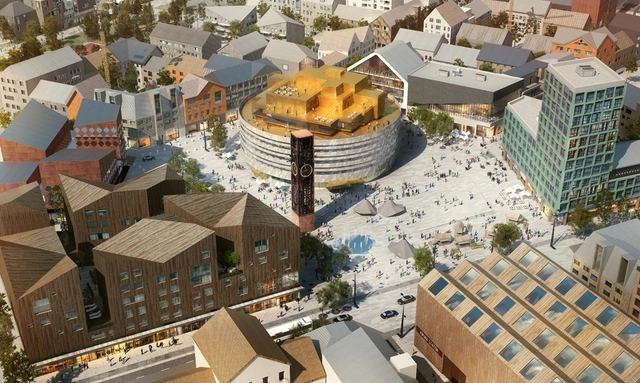
Officials announced this week that, starting in June, the city of Kiruna, Sweden will begin to migrate. Founded in 1900, the town is the product of Sweden’s largest state-owned mining company, LKAB. The company extracts iron from the nearby Kirunavaara mountainside, and now the expansion of the mines threatens to destabilize the ground beneath 3,000 homes as well as many of the town’s municipal buildings.

The 100-year master plan put forth by White Arkitekter, in collaboration with Ghilardi + Hellsten Arkitetker, calls for the city to expand two miles eastward along a linear axis. This new plan will rebuild the town on solid ground, retain its historical and cultural presence, and slowly wean it off its dependency on the mining industry by opening the community up to new businesses.

AD Classics: The Crystal Palace / Joseph Paxton

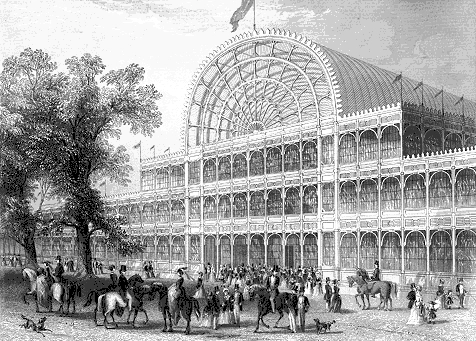
The Crystal Palace was a glass and cast iron structure built in London, England, for the Great Exhibition of 1851. The building was designed by Sir Joseph Paxton, an architect and gardener, and revealed breakthroughs in architecture, construction and design. More on the Crystal Palace after the break...

AD Classics: The Crystal Palace / Joseph Paxton - Exhibition CenterAD Classics: The Crystal Palace / Joseph Paxton - Exhibition Center, ArchAD Classics: The Crystal Palace / Joseph Paxton - Exhibition Center, BeamAD Classics: The Crystal Palace / Joseph Paxton - Exhibition Center, Door, Column, Facade, ArchAD Classics: The Crystal Palace / Joseph Paxton - More Images+ 8