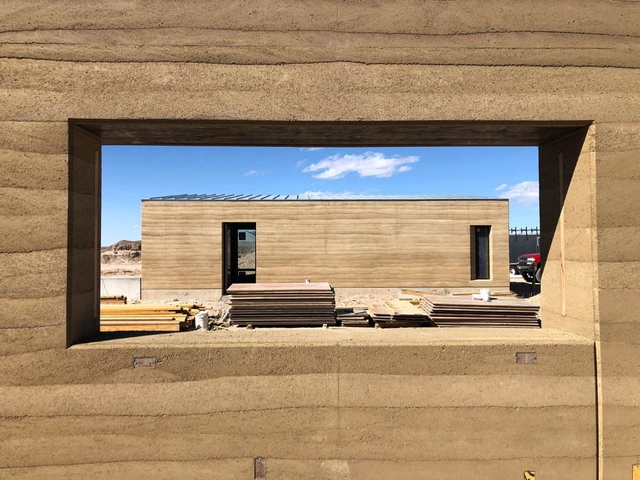
Concrete is the most carbon-intensive material found in the built environment, and rammed earth is a viable alternative—at least for projects of a certain scale. The San Antonio–based architecture firm Lake|Flato has opted for rammed earth on two of its residential projects, such as this one in West Texas.Courtesy Kyle Melgaard/Pilgrim Building Company
Practitioners have finally begun taking a more nuanced approach to the carbon emitted by new buildings. Are they too late?
I’ve started calling them come-to-carbon moments—the inner alarm bells that sound as you begin to register the devastating ecological costs of every man-made surface around you. Every sidewalk you’ve ever walked on, every building you’ve ever walked into, and every material inside those buildings, too. It’s the kind of thing you can’t un-see once you’ve started looking, the kind of knowledge that can transform a worldview, or a practice.
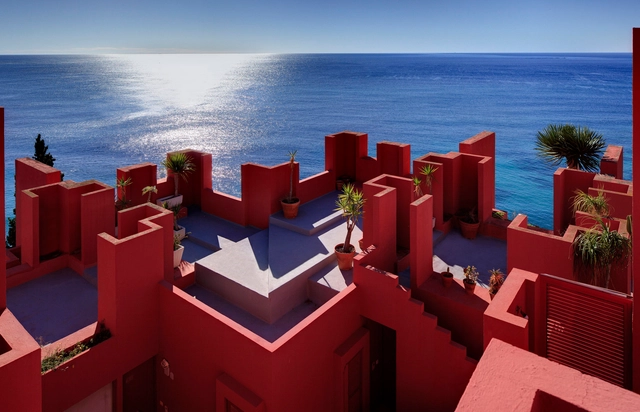
In their recent interview for the Time Space Existence video series, Plane-Site, through the support from the European Cultural Centre, interviewed Spanish architect Ricardo Bofill. The series will be exhibited in the biennial exhibition in Venice, opening May 21-22, 2020.
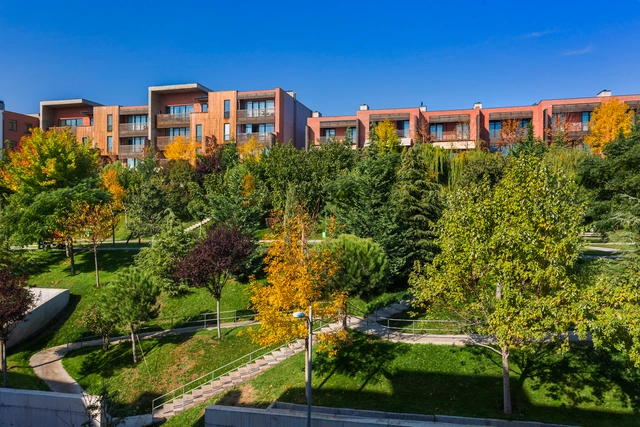
Lisi Green Town. Image Courtesy of Lisi Development
Architects and developers have always been on opposite ends of the construction world. While the first wanted to create dreamy spaces, the latter just wanted to cater to the basic needs. In these past few years, the world has witnessed significant changes, with the aggravation of climate-related issues, the evolution of technological solutions, and the newly acquired awareness and growth of the population.
While everything is transforming, building trends also evolved, mainly due to an alteration in people’s perceptions and priorities. However, one question remains unanswered: Could all these changes mean that the never-ending conflict between architects and developers reached some sort of common grounds? And could they finally be seeking one same goal, of a sustainable, resilient and inclusive future?
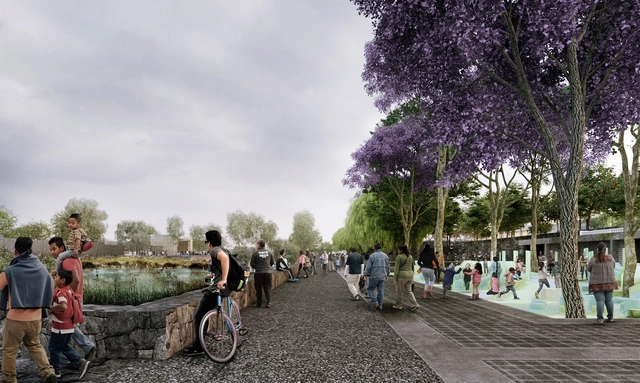
“Hydropuncture”, Global LafargeHolcim Awards Gold winning project 2018 in Mexico City. Image Courtesy of LafargeHolcim Foundation
Seeking international projects that combine sustainable construction practices with architectural excellence, the LafargeHolcim Awards are open for entries to their 6th cycle through February 25, 2020. The Awards offers a total of $2 million USD in prize money to projects and concepts from architecture, engineering, urban planning, materials and construction technology, and related fields.
This article was originally published on Common Edge.
Ambulatory surgical procedures are routine in the U.S., but that’s not the case for most of the world. According to Dr. Michael Marin, head of surgery at Mount Sinai Hospital in New York City, 5 billion people have no access to safe and affordable surgery procedures, a reality that in 2010 led to nearly 17 million deaths across the globe. In search of a new model for surgical facilities that could serve local communities—a model that would be independent and self-sustaining, outside of the context of large urban hospital complexes—Dr. Marin reached out to Kliment Halsband Architects in New York, a firm that had no experience in healthcare design. Recently I talked to firm principal Frances Halsband about how the project came about, and what she and her team learned in the process.
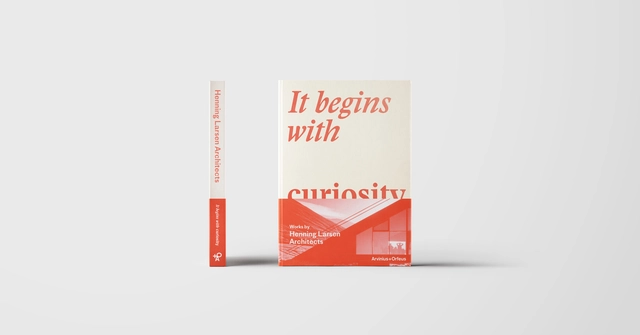
Henning Larsen is proud to present It Begins with Curiosity, the studio’s first ever monograph after more than half a century at the forefront of Scandinavian architecture and urbanism. The studio has been a pioneer in and ambassador for Danish design, bringing its unique principles and approach to projects as diverse as the Ministry of Foreign Affairs in Riyadh and Kiruna City Hall in Sweden. The book dives deep into the studio’s legacy, recent works, and outlooks to share their vision of how to create a more livable and sustainable future for all.
The six-state American Institute of Architects Western Mountain Region, established in 1959, is comprised of the AIA State Components of Wyoming, Nevada, Utah, Colorado, Arizona, and New Mexico. These states take turns every year to host the annual regional conference. Join us in Albuquerque for visionary discussions about Design, Leadership, Sustainability, and Advocacy! The last day of the Summit is the first day of Albuquerque's International Balloon Fiesta, a great time to visit!
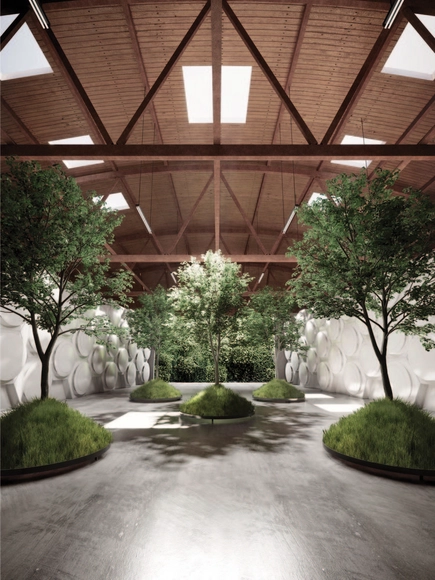
The international design firm Olson Kundig has designed a new sustainable option for after-death care. In fact, the architects created the world’s first facility for converting human remains into soil, a flagship building for Recompose in Seattle.
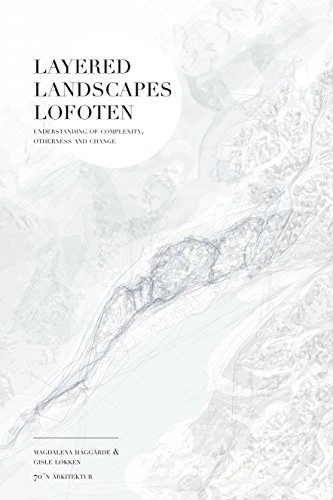
Layered Landscapes Lofoten — Understanding of Complexity, Otherness and Change adresses today’s most urgent issues about living together in landscapes and territories under severe pressure and transformation. The landscape holds essential information about our common history, ecology and social behavior — both rational and cognitive experience, and even hidden enigmas. The authors suggest how an open and unbiased approach to the landscape enables us to understand and operationalize knowledge and theory into valid proposals and projects for the future — not primarily through the traditional and habitual idea of the architectural object, but rather in contact with a global, collective and spatial territorial reality.
As you may know, things aren't going too well for mother earth. With challenges like deforestation, fires, pollution, and even methane from cows we are facing an uphill battle against climate change.
Located in a prime location in the city of Taipei, the invaluable large open space at the Taiwan Contemporary Culture Lab (C-LAB) is historically significant as it used to be home to the Industrial Research Institute of the Taiwanese Governor-General’s Office and also the Air Force Command Headquarters under the Ministry of National Defense. Since the Ministry of Culture took over its operations in 2018, C-LAB has become a place for art and cultural experimentation, with various participatory events and actions initiated and reflections and imaginations for contemporary urban space and lifestyle projected.
Richard Saul Wurman is one of the most influential architects of our time; a remarkable achievement for someone whose passions and explorations extend far beyond the traditional realms of the profession. Wurman’s lifelong pursuit of the misunderstood, the unknown, and the unexplored, has offered a litany of contributions to the wider world, from the highly-acclaimed TED Conference, which he founded in 1984, to signature theories such as LATCH and Information Architecture. Born in 1935 in Philadelphia, an architectural alumnus of the University of Pennsylvania, he has counted Louis Kahn and Charles Eames among his mentors, and Moshe Safdie and Frank Gehry among his great friends.
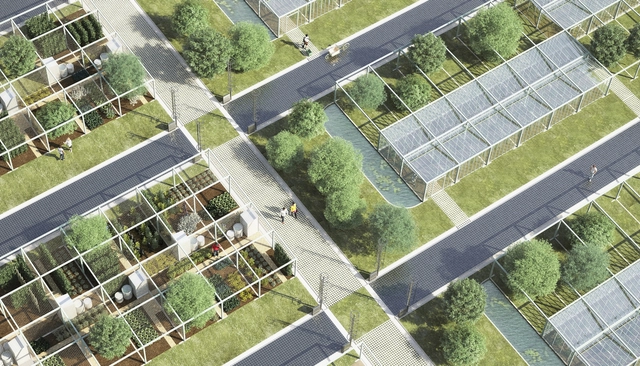
Every year, France uses 66,600 tons of plant protection pesticides for its agriculture and produces 4.5 million tons of plastics, of which only 22% are recycled. Almost 48,000 deaths are attributed to fine particle pollution and automobile activity, and the planet is still expected to endure. In such grave situations, urban developments have become subject to new ecological criteria that focus on finding biodiverse solutions for both public and private sectors.
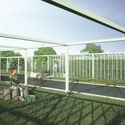
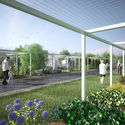
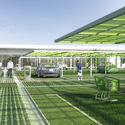
In compliance with the United Nations Sustainable Development Goals Agenda 2030 that aims to find eco-responsible urban solutions, Studio NAB created Car Parks 2.0, an ecological parking space that rethinks commercial parking areas and transforms it into a more sustainable and humane place.
The Midnight Charette is an explicit podcast about design, architecture, and the everyday. Hosted by architectural designers David Lee and Marina Bourderonnet, it features a variety of creative professionals in unscripted conversations that allow for thoughtful takes and personal discussions. A wide array of subjects are covered with honesty and humor: some episodes provide useful tips for designers, while others are project reviews, interviews, or explorations of everyday life and design. The Midnight Charette is also available on iTunes, Spotify, and YouTube.
This week David and Marina discuss software in design and architecture. It's not as boring as it sounds! The two cover the more pragmatic and specific issues and the more conceptual ones: everything from what programs you need to know to design and to get hired different offices; how to learn programs; balancing technical skillsets with conceptual thinking; why working in the computer is both advantageous and dangerous; 2D drafting versus 3D modeling; things to consider when choosing a software; the failures of successes of BIM programs for employers and employees; key issues to consider before transitioning to BIM; what BIM programs are best (Revit or ArchiCAD) for small and large offices and which project types (the more office-focused and BIM-focused conversation starts at 37:30) and workflows between different programs. If you have any questions or advice about portfolios or any other design-related topics, leave a voicemail at The Midnight Charette hotline: 213-222-6950.
https://www.archdaily.com/927091/architectural-softwares-tips-on-how-to-choose-and-discover-the-right-programsThe Second Studio Podcast
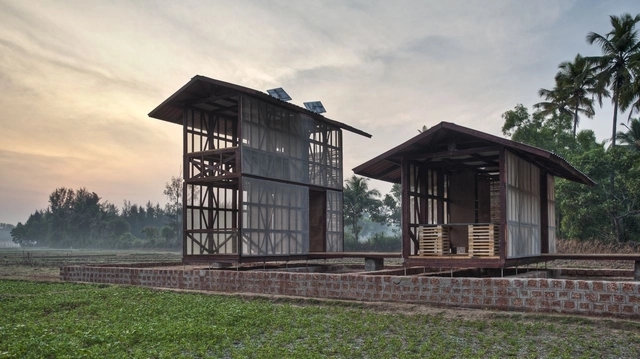
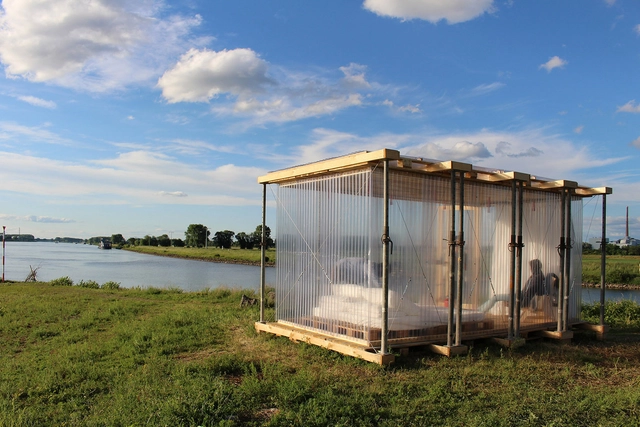
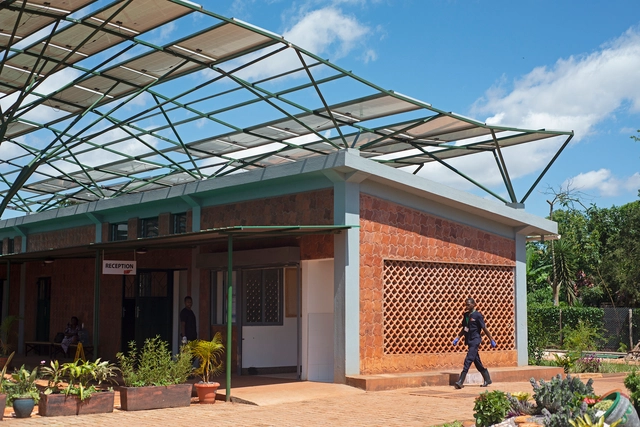
Sustainability in architecture is an issue that may bring to light too general proposals and there are a lot of possibilities concerning the application of their concepts in design process. Sustainable strategies are essential so that the project development reconcile the economic and ecologic pillars and, above all, consider the well-being impact for those who are going to use the built space. Thinking about this, we have gathered four projects of different typologies that applied innovative methods in the conception of the buildings that stand out for their sustainable practices. Read on for the projects:












.jpg?1572029590&format=webp&width=640&height=580)
_(1).jpg?1572029489 "Courtesy of the private collection of Richard Saul Wurman. Article imagery curated by Dan Klyn / The Understanding Group")
.jpg?1572029412 "Courtesy of the private collection of Richard Saul Wurman. Article imagery curated by Dan Klyn / The Understanding Group")
.jpg?1572029509 "Courtesy of the private collection of Richard Saul Wurman. Article imagery curated by Dan Klyn / The Understanding Group")
.jpg?1572030399 "Courtesy of the private collection of Richard Saul Wurman. Article imagery curated by Dan Klyn / The Understanding Group")
.jpg?1572029590)