1. ArchDaily
  2. Inequalities

Inequalities: The Latest Architecture and News

Design as Repair: How Architecture Is Advancing Environmental Justice

Subscriber Access | 

Environmental justice confronts a simple but uncomfortable truth: the benefits and burdens of the environment are not shared equally. Marginalized communities bear a disproportionate share of polluted air, unsafe water, toxic land uses, extreme heat, and the accelerating risks of climate change in cities around the world. These are the consequential products of decades of policy decisions, investment patterns, exclusionary planning practices, and planning choices that have consistently favored certain communities over others.

In cities and landscapes alike, these injustices are written into the physical fabric of places, even revealing extreme differences in environmental conditions between neighborhoods and districts. Dense neighborhoods with little tree canopy, for example, absorb and hold heat, exposing residents to higher rates of heat-related illness. Highways, industrial corridors, ports, and waste facilities cluster near low-income neighborhoods and communities of color, shaping conditions of health, air and soil quality, and long-term safety.

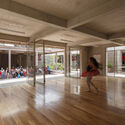
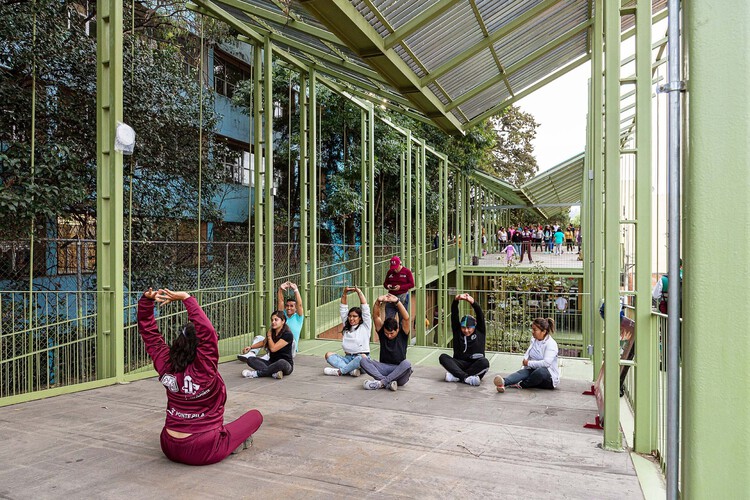
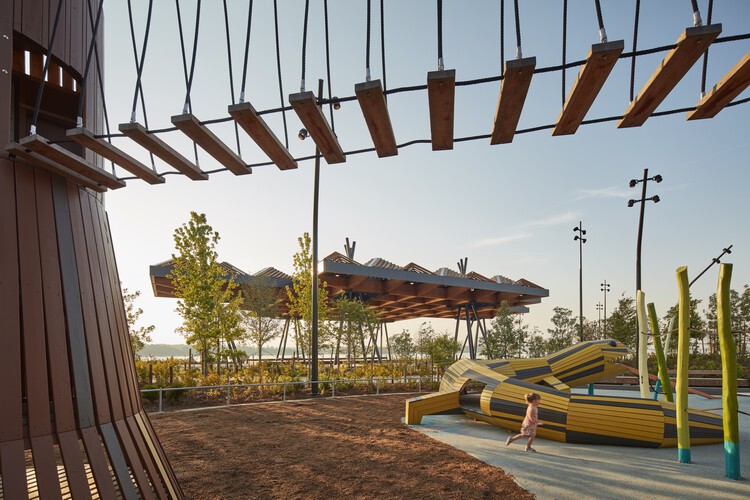
Design as Repair: How Architecture Is Advancing Environmental Justice - Image 1 of 4Design as Repair: How Architecture Is Advancing Environmental Justice - Image 2 of 4Design as Repair: How Architecture Is Advancing Environmental Justice - Image 3 of 4Design as Repair: How Architecture Is Advancing Environmental Justice - Image 4 of 4Design as Repair: How Architecture Is Advancing Environmental Justice - More Images+ 35

World Day of Social Justice 2026: Labor Rights, Spatial Equity, and Resource Governance

Today, 20 February, the United Nations marks World Day of Social Justice under the theme "Renewed Commitment to Social Development and Social Justice." This year's observance takes place in the aftermath of the Second World Summit for Social Development in Doha and the adoption of the Doha Political Declaration, renewing the commitments first articulated in the 1995 Copenhagen Declaration: poverty eradication, full and productive employment, decent work for all, and social inclusion as interdependent pillars of development. At a moment defined by widening inequalities and accelerating environmental and technological transitions, the 2026 commemoration calls for translating political affirmation into measurable, cross-sectoral implementation.

World Day of Social Justice 2026: Labor Rights, Spatial Equity, and Resource Governance - Image 1 of 4World Day of Social Justice 2026: Labor Rights, Spatial Equity, and Resource Governance - Image 2 of 4World Day of Social Justice 2026: Labor Rights, Spatial Equity, and Resource Governance - Image 3 of 4World Day of Social Justice 2026: Labor Rights, Spatial Equity, and Resource Governance - Image 4 of 4World Day of Social Justice 2026: Labor Rights, Spatial Equity, and Resource Governance - More Images+ 13

Guide to Inequalities, 24th Triennale Milano International Exhibition

Following two International Exhibitions — Broken Nature: Design Takes on Human Survival (2019), which explored the human relationship with natural phenomena, and Unknown Unknowns (2022), which examined the limits of scientific understanding — Triennale Milano now calls on the global cultural, scientific, and artistic communities to confront the pressing issue of inequality.

In an epoch when the risk of species extinction, war and ever-growing geopoliticaI imbalance loom over our future, lnequalities proposes to look again at the sphere of human relations and the increasing inequalities running through it.